Interview with Multi-genre Author John Reinhard Dizon

smokyring3 copy

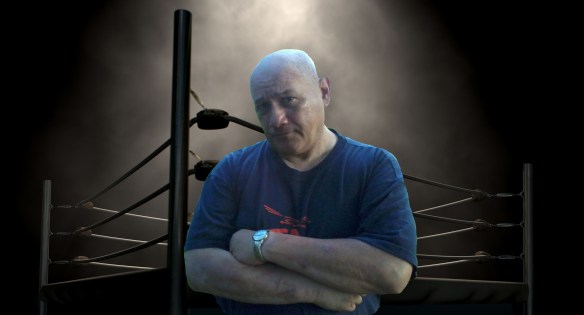
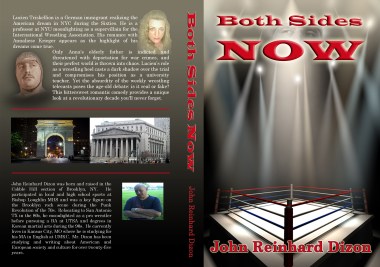
John Reinhard Dizon is one of my favorite authors and definitely one of the most versatile. His literary repertoire includes thrillers, family sagas, historical settings, steampunk, sports, suspense and techno-horror to name a few.  His latest release, Both Sides Now, is a romantic comedy, and I must say that I have a bit of a personal interest in this book since I designed both the interior and the cover plus my daughter is the model on the back. While formatting the interior, I gleaned enough of the story’s basics that I’m looking forward to reading it properly in the near future.

I interviewed John a few years back, but in view of this new release, I thought it was time for a rerun with some specific questions directed at him about this latest work. While he dubs it a romantic comedy, it struck me as much more substantial, especially with its unique setting and situations. So let’s see what he has to say.

MF:  The protagonist in your latest novel, “Both Sides Now”, is an intellectual wrestler. You are a highly intelligent person and were a wrestler in a “previous life”, which explains the authentic feel and terminology of the sport. How much of this story is autobiographical?

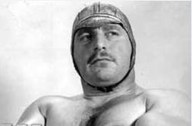
JRD: Actually it’s far more biographical. Hans “The Great” Mortier was one of my mortierWorld Wide Wrestling Federation childhood favorites. There was a major roster change when Vince Mc Mahon bought the Company from his father at the end of the Sixties, and the stars from the old regime were swept under the rug. Mortier was not a German professor, so that is all ‘what-if’. However, a large portion of the story is going to be instantly recognizable to fans of the era. The novel is as much a testament to the era as it is to Hans Mortier.

MF: Ray Karpis, quite a shady character from the early 20th Century, has made an appearance in two of your books, this latest one as well as “The Triad.” What do you find most appealing about him?  Did you ever meet him?

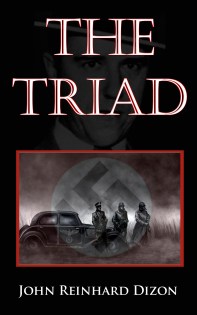
TheTriadCover1 copyJRD: As a criminologist, I have to say that Alvin Karpis is my favorite gangster. He was the last of the Public Enemies but was so elusive and shadowy that hardly anyone knows of him. I wrote Both Sides Now before The Triad and paid homage to Karpis by naming the Lou Thesz-based character after him. Outside of his autobiography and the Public Enemies biography and movie, there is almost nothing out there about Karpis. Hence The Triad. I think I did a good job of bringing his personage to life. He was considered a genius, loyal and generous to a fault, and very much in touch with the modern world and technical developments. Like most of the great gangsters, he would have been a tremendous success in society and the real world had he not gone the wrong way.

MF:  You do a great job of capturing the flavor of other eras as well as places.  You’ve lived through quite a few yourself, but when you get beyond your experience, what’s your favorite research method for your stories?

bothsidesnowcover6.jpgJRD:  The Internet usually helps you find the resources you need to make your story work. Only in this case, as you mentioned, I lived through most of this. Ergo, it was mostly a matter of documenting my recollections. I spent a lot of time in the NYU neighborhood, Soho and Greenwich Village, so most of what I did was pull up addresses. I read hundreds of wrestling magazines so was familiar with the old-time arenas. I was also a paralegal, so that helped me make the courtroom drama all the more realistic.

MF:  You’ve certainly held a wide variety of jobs, which undoubtedly contributes to your writing. Authenticity is important if you want to be taken seriously as an author and when you can say, “Been there, done that, got the t-shirt” the details bring the story alive. As far as the plot itself, do your stories reveal themselves as you write or do you know what’s going to happen, start to finish, when you first sit down to write them?

JRD:  Many times the characters end up helping write the stories, as Sabrina Brooks does in the Nightcrawler series. She just makes things happen around her. In this story, Ray Karpis greatly influenced the conflict in the storyline (pun somewhat intended). He becomes the voice of reason, letting Lucien clearly see all the possibilities if he chose that direction in life along the road to wrestling superstardom. I think it also lets the reader see ‘both sides now’ and will stimulate discussion as to whether or not Lucien makes the right choice.

MF: Ethical dilemmas make great material because the reader is forced to think.  You have a huge list of published work. How long does it take you, on average, to finish one of your novels?

courthouse1JRD:  It varies, considering how complex the story is. The action/adventure stories move along pretty quickly as there’s the adrenaline rush that keeps you writing. Historical fiction such as this takes a bit longer because you have to authenticate your work. Getting names, places and events wrong will leave your story dead in the water. The courtroom storyline in this novel took almost as much research as all the wrestling background. It probably took the better part of a year to put it all together.

MF: Wow! That’s so true, though, if you want to be taken seriously as an author. When a reader stops to roll his or her eyes because something is inaccurate it pulls them out of the story, which is the last thing an author wants to do. Of the numerous books you’ve written, do you have one particular character who’s your favorite? Why?

JRD:  I’m having to go with Sabrina Brooks, aka the Nightcrawler. Every one of her novels is an adventure in itself. She’s a beautiful woman who moonlights as a crimefighter, who seems to target the Russian Mob. She’s the CEO of a chemical company, which means she doesn’t have to do this but does anyway. She’s very compassionate and is a churchgoer, which makes her all the more unique. Her personal relationships suffer greatly as she gets beat up, and the Nightcrawler’s successes come at the expense of her personal life. I enjoy writing her story as much as people love reading it.

MF:  Multi-dimensional characters are essential to a good story.  So what’s your favorite part of the writing process? Which part is the most difficult?

JRD: It’s the dialogue. It may be my strong point as a writer, and it helps me develop the characters and give the reader the best insight as to the speaker’s personality and motivation. The reason why reality TV shows get over is because people want to see their heroes behind the scenes. In literature, the author allows readers to listen to the characters giving up their innermost hopes and fears. The most difficult part is bringing it all together, making the story plausible. You do your homework, you authenticate your background, you flesh out your characters, but your audience has to buy your story. That’s the make or break part, and I think I make that happen every time.

MF:  Yes, you certainly do! When did you decide you wanted to be an author?

JRD: I was writing dialogue for my stick-figure cartoons when I was six. I was fascinated by TV and the movies and wanted to tell my own stories. Many people will say my entire life was about turning my fantasies into reality.

MF: So obviously you were born to write, which isn’t surprising considering how prolific you are.  You’ve worn a variety of hats over the years in a wide variety of jobs and places. What can we expect from you in the future? At what stage is your next novel and when do you expect it to be out?

JRD:  The Blight is about a decorated fire team of Navy SEAL commandos working as an elite unit for the St. Louis PD. They are taking on a mass murderer intent on destroying the ‘social blight’ plaguing the city. Kirsten Streicher is a typical JRD bad-ass female protagonist. Only her team is heavily impacted by the madman known as X, and the writing is on the wall as their group is slowly disbanding. Kirsten is forced to move forward with a whirlwind romance beckoning, though she feels compelled to bring the killer to justice before her career comes to an end. As usual, there’s lots of social issues and moral conundrums discussed, and the standard JRD reflections of current-day controversies. I’m hoping to release it by Summer 2016.

MF:  Sounds like another winner! Is there any particular author or authors who have inspired you the most?

JRD:  Shakespeare, Ian Fleming and Robert E. Howard. The Bard for his conciseness and verbal dynamism, Fleming for his ability to take the reader to a myriad of locations, societies and situations, and Howard for his gift of lurid description and breathtaking action. I hope my readers see my work in a favorable light in comparison.

MF: From what I’ve read, I believe you can rest assured that they will.

You can pick up a copy of Both Sides Now on Amazon here.

Connect with John Reinhard Dizon:

Facebook:  https://www.facebook.com/johnreinharddizonUSA

Amazon Author Page:  http://www.amazon.com/John-Reinhard-Dizon/e/B00DU9JNUQ/

Twitter:  https://twitter.com/JohnRDizon


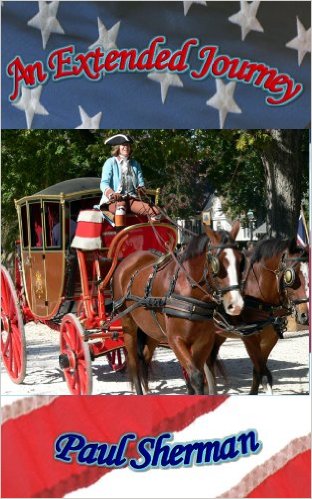
Review of “An Extended Journey” by Paul Sherman

extendedjourneycover2

This exceptionally well-written and flawlessly edited story has everything a good time travel story demands. Note, however, that it’s more fantasy than science fiction since the means of delivery to the past is in the realms of the paranormal. Thus, don’t expect some exotic high tech means to remove the characters from the present time. This detail, indeed, is but a moot point given the tremendous message of this meticulously researched historical novel, but I wanted to throw it out there just in case you’re expecting sci-fi.

More often than not, time travel stories have more of a philosophical theme as they tread the line between fantasy, history and “what if” speculations. I recommend this story to those interested in American History, particularly the period around the Revolutionary War. The author’s research is apparent in the convincing details that take the reader back to another but not necessarily simpler time.

This story features David Dearns and his family which comprises his wife, Monica, and two young daughters, Jane and Katelyn, who are unexpectedly transported from modern times back to Colonial Williamsburg in 1781. The transition is great, given they’re visiting that location in modern times and thus surrounded by numerous individuals dressed in period costumes and buildings that date back to the time of the American Revolution, which is in progress. You can sense their confusion, particularly when they suddenly realize not only where but when they are.

This event was not simply coincidence, however, but clearly a matter of being chosen to accomplish a specific mission at the behest of a mysterious black woman they know only as Aunt Harriet. Their task is to intervene with Thomas Jefferson in a manner that convinces him to end slavery as part of the yet-to-be-written American Constitution. Since I want to avoid spoilers, that’s all I’ll say about plot details so future readers can fully enjoy the story as it unfolds.

There were some areas where the story seemed to drag, but it was so well-written that the slow pace was forgivable. It also served a purpose in establishing the time, place and mood of the times as this 21st Century family gradually acclimates to life in the late 1700s. If you’re a history buff, you’re likely to thoroughly enjoy it. A bit more culture shock would have added to the realism and perhaps picked up the pace in those pages capturing the details of life at that time. The plot action definitely accelerated toward the middle and took off from there with well-sustained suspense.

Historical details were plentiful and expertly integrated. The matter of changing history and the various paradoxes introduced by the family’s presence were addressed in a clever and sometimes unexpected manner, such as the premature albeit inadvertent introduction of modern technology. There were numerous places where I laughed out loud at some of the main character’s witticisms and sarcastic thoughts though his propensity for profanity was a bit troubling and could turn off certain potential readers. Many religious folks have a keen interest in American History and are often more forgiving of an expletive here and there, which is all too common today, than profanity. It wasn’t excessive by any means, and was mainly in the first part of the book, but would have earned a few cringes from various folks I know who would otherwise love the story.

Matters of free choice were suitably addressed and demonstrated the “butterfly effect”, i.e., where one small event institutes major change. On a personal as well as collective level, I’m sure all of us could point to various decisions that could have been made in a more constructive manner given 20:20 hindsight. The decisions of those who run countries certainly affect thousands and even millions and the consequences of bad ones splash on all concerned, many of whom suffer far more than the perpetrator.

As physicist Michio Kaku and various others have noted, parallel dimensions are a possibility included in quantum theory. Some have even speculated that every possible outcome of every decision ever made is represented somewhere, which I frankly don’t buy into. Nonetheless, starting a new track as a solution to time travel stories, e.g., Spielberg’s “Back to the Future” trilogy, works here for the sake of reader satisfaction. I’m not a big fan of historical novels, but the author’s strong writing skills kept me immersed in the story. More often than not, I find my inner editor slipping out while reading which, to his credit, did not occur. Such exceptional writing alone makes this book worth reading.

You can pick up your copy at Amazon here.

6 Tips for Serial Writers

writingprocess

Or maybe, for clarity’s sake, I should say “Writers of Serials”. A “serial writer” could simply be someone who can’t stop writing, regardless of what it is, which fits more authors than I could begin to name. The folks I’m addressing are those of us who love our characters so much and get so enmeshed in our plot that it goes on and on, far beyond the binding of a single book. I admit to this freely, since my supposed single novel quickly evolved into at least a trilogy and ultimately a four volume tetralogy. An argument could be made that this is sheer laziness or ego, but for me there was just so much more story that needed to be told.

Just for the record, there’s a difference between a serial and a series. A serial is one where the basic plot line and story continues, often preceded by a cliffhanger in the previous book. Trilogies are often a serial, as is my Star Trails Tetralogy. Think of them as an epic story told in installments.

A series, on the other hand, may include the same characters, but not necessarily. Each will depict an independent plot or story line, such as the Nancy Drew series. Some series may even be thematic in nature, revolving around similar plots such as romance, romantic suspense, mystery or just about any other imaginable genre, but featuring an entirely different cast.

KONICA MINOLTA DIGITAL CAMERA

Now that we have that out of the way, let’s talk about writing a serial.

If your novel refuses to end because more plot twists, back stories and characters bombard you relentlessly, then you may as well recognize that you’re destined to be a serial writer. Be warned, however, that once you indulge yourself in that manner, you’ll probably never be able to produce a stand-alone story again. This is certainly not a bad thing, but there are a few things that are useful to know coming right out of the gate with that first book. So here are some tips I’ve developed from my own writing as well as numerous others I’ve read.

1. Don’t assume your readers are already familiar with your plot and characters. As an author it’s easy to just plunge forward with your story line, but there’s no guarantee that all readers will be familiar with what has transpired so far. Even if they read the previous book or books, time and numerous other stories may have separated them from yours, so a few quick reminders are always in order. This includes key plot elements leading up to the current problem as well as details such as what your characters look like. You may have them permanently ingrained in your head, but more than likely your readers won’t. In fact, it never hurts to have an occasional reminder throughout any book regarding their appearance. It’s always helpful to give them a certain habit you can throw in here and there that triggers an image as well as makes them more real.

Past events don’t require a long, boring summary. They can usually be worked in easily through character dialog such as a “Remember when?” conversation or short reference to something that occurred in a previous volume. These references can be humorous as well. Readers who remember that particular scene will enjoy the “inside joke” and new readers will feel as if they missed something good and be enticed to go back and read it. It adds depth and life to the characters and their relationships. How often do you reminisce with friends or relatives about important events? Allow your characters the same experience.

If you have an extremely complex plot it can be more difficult to bring new readers up to speed. I have jumped into a serial midstream before and had no problem figuring out what was happening while in others I was entirely lost and never made it through the book. In rare cases, if I was truly hooked, I’d go back and read the initial volumes, but I usually just quit reading and moved on to something else. Others, I read out of order but know I would have enjoyed it more in sequence.

This problem is particularly applicable to fantasy and science fiction stories where a new world or culture is involved. The more complicated the story’s context, the more important it is to fill in the reader and continue to remind them. Again, recaps don’t have to be long and distracting, only sufficient to make what’s going on make sense. Balance is required, of course. Too many reminders or redundancy are frustrating, too. This is where it’s great to have input from beta readers, including some who have not read the initial volumes.

2. “First the worst, second the same, last the best of any game.” I remember my kids chanting that little ditty as rebuttal when they would come in last in a competition, but ironically it can apply to serial writers. All skills improve with practice, which certainly includes everything we put into words, whether it’s another book, a blog, an article, website content or even something as dry as technical writing. The craft of assembling words together continually evolves. Thus, there’s a good chance that subsequent books will demonstrate your improved skills.

This is all well and good, but doesn’t mean that your first one shouldn’t be the best possible product. If it’s not, readers are less likely to continue on with the story. If you’re a new writer, this requires extra effort to make sure that first tome is in the best possible shape. This is likely to involve some investment on your part in a good editor as well as a professional book interior and cover designer. In some cases, you may even want to go back to that first one at some point and refine it, using your improved skills. I will be doing that for the first book in my tetralogy which has garnered a couple bad reviews due to missing commas. I felt a whole lot better about this when a friend and fellow author admitted she was also re-editing volume one of her series.

3. Avoid over-populating your story with extraneous characters. If they don’t move the plot along, then they don’t belong and usually shouldn’t be named. Too many people milling around in a book can be as confusing as going to a party where you don’t know anyone and are trying to learn plus remember everyone’s name much less what they do for a living. Red herrings may require a few people who pass quietly into oblivion, which is an entirely different situation. If you’re going to have a cast of thousands, then at least introduce them gradually and give the reader a chance to connect with each one individually before bringing in too many others. Once they’re all established, then it’s okay to have a massive group scene or discussion.

Which reminds me of another thing to avoid, names that sound or appear too similar, such as starting with the same letter of the alphabet and/or having the same number of letters. You want names that are distinctly different as well as fit the character, which is a subject in and of itself. Being visually distinct applies particularly to making life easier for speed readers. For example, don’t have one person named Horace and another named Hector. Names that are unique also make your character more memorable.

pageheart4. Don’t forsake minor characters from the previous work. Many times the hero or heroine is not the one a reader favors most. Thus, they may be disappointed or downright angry when a subsequent volume excludes him, her or even it. The character may have less emphasis that in the previous episode, but at least allow him/her/it a cameo appearance from time to time or explain their absence. For example, consider R2D2 and C3PO from Star Wars. They were part of the team and you expected them to hang around. In some cases, minor characters can provide a bridge to new major characters as well.

5. Cliffhangers: Pros and Cons. The ideal cliffhanger will make your reader want desperately to know what happens next and thus immediately buy the next book. On the other hand, they might be annoyed, feel cheated, and move on to more self-contained novels. Readers’ tastes vary tremendously, not only with regard to genre, but length. Some may be too ADHD to make it through a full length novel much less trilogy while others thrive on something they can get their teeth into. If you’re writing a serial, then you can always hope for fans like those who loved Harry Potter so much they’d stand in long lines at book stores awaiting the release of the next episode.

A cliffhanger that leaves one or more characters in dire straits with no obvious way out can be particularly annoying, especially if the sequel isn’t written yet! If the reader has to wait for months or longer for the sequel, you run a huge risk of losing them along the way. No matter how much they loved your story, once that time has passed there’s a good chance they will have all but forgotten it. Of course this is why you want to engage your readers, get them on your mailing list, tease them with excerpts on your Facebook page and so forth. If you have a great following, this may not be that much of a problem, but if you’re a new author it could be.

angry_girl_reading_bookHowever, for reader satisfaction, it’s often a good idea to at least provide some semblance of closure for the book at hand while leaving enough unanswered questions to entice them to continue on. Don’t drop them like a bad habit in the middle of an adrenaline rush. Put yourself in the reader’s place for a moment and consider how you react to such an ending. I think doing so may be fun for the author but painful for the reader. Maybe evoking an emotional reaction will make your book more memorable, but if it’s anger they may not come back. I always rank a book that can make me laugh or cry higher than those that don’t elicit a reaction. Emotional reactions stay in your heart (literally) as opposed to your head and thus will make your story more memorable, but it’s better to do this via lovable characters than irritating endings. I can still remember books I read decades ago that made me cry or laugh.

I’ve read the first volume of numerous stories, yet never made it to the sequel for several. Sometimes it’s simply a matter of time. As an author I do a lot of reading, editing and beta-reading for my peers which means I often don’t have the time to read something just because I want to know what happens. I have time for very little of what I would call “recreational reading.” How much I care about the characters is a big driver on whether I make it back for a sequel, but I have to admit if the plot is intriguing enough, I’ll want to know what happens even if I’m not thoroughly attached to the people involved. Another factor is length. If the episodes are more in the novella range as opposed to making “Gone With the Wind” look like a beach read, I’m more likely to make the time to read on.

6. When your serial is complete, consider making it a box set. Once my tetralogy was complete, I made it into a box set for both the print and electronic versions. This can have grand appeal to those who favor lengthy stories and of course minimizes the cliffhanger dilemma. It also gives you another opportunity for a big release party! I’ve been more than pleased with how well Star Trails has done as a set compared to the individual books.

In conclusion, I must say there’s tremendous satisfaction in writing a serial. Your characters continue to flesh out and assume a life of their own, often to the point where they virtually write the story for you. Mine got themselves into a variety of fixes, many of which I had no idea how they could possibly be resolved, until my characters themselves came up with the answers on their own. I must say that wrapping it all up was bitter-sweet, yet satisfying.

blackboard_writer2If you’re headed in the serial direction, or even just starting your first story, I highly recommend being a beta reader for other authors, which has taught me so much. We’re often blind to our own weaknesses until they glare at us from another’s work. I can’t begin to count how many times something has jumped out at me in someone else’s story, only to realize that I was guilty of the same faux pas.

Authors tend to be voracious readers, which is highly advised since it provides a wealth of information, if you but tune into it. This may take some of the enjoyment out of reading, but the writing lessons are worth it. One of my favorite sayings, No life is never wasted, you can always serve as a bad example, also applies to numerous works of fiction we’ve all encountered, especially in the Indie world where competent editing may be lacking. Needless to say, you don’t want your baby to be in that category.  Ironically, there’s more to be learned from bad writing than that which is so well-written you’re entirely immersed in the story.  Nonetheless, when you find yourself enjoying a book to that level, study it afterwards to determine why it worked so well.

I hope these tips garnered from my experience writing as well as reading the works of others will make your journey as a serial writer a little smoother.

“The History of Things to Come”: A Thriller Packed with Suspense and Intrigue

historyofthingstocomecover

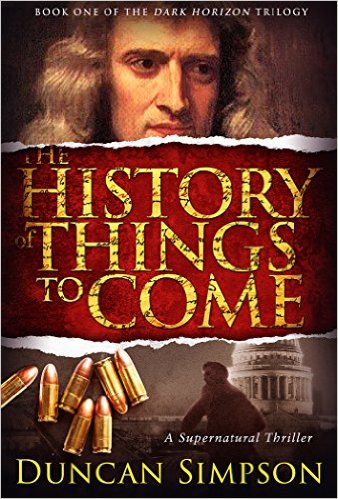
This contemporary thriller follows in the footsteps of “The DaVinci Code” but in this case the mystery and intrigue surround the works of Isaac Newton, particularly those that go beyond the scientific prowess with which most of us are most familiar. His interests also included alchemy, religion, and various sacred relics, which allegedly possessed mystical powers.

As a physicist myself, Newton is one of my favorite people, further enhanced by the fact we were both born on Christmas Day, albeit 305 years apart. Well, okay, that’s not entirely accurate since the calendars changed during that time, placing his birthday on January 4. That’s relevant to me, too, since I’m not only a physicist but also a professional astrologer, which Newton was as well, though of course the history books tend to leave out that little detail. Perhaps the author will include that particular angle in a future volume, which could introduce some interesting prophetic angles. There’s plenty of fodder to explore between science, religion and astrology, which I plan to pursue at some point myself. Thus, I was excited to find this book that promised to delve into areas in which I have a strong personal interest; I was not disappointed.

Of course anything that might wield considerable power is going to attract bad guys who want it for all the wrong reasons; think Indiana Jones and “Raiders of the Lost Ark”. In this case, however, rather than Hitler and the Nazis, it’s a single, powerful entity known only as the Drakon, who sends a variety of henchmen to obtain any and all of Newton’s writings and artifacts, which places anyone in possession of such items in mortal danger.

The main character, Vincent Blake, is an experienced detective whose specialty is tracking down stolen art and other antiquities, so he’s quickly pulled into the case as those who get close to anything Newtonian are dropping like flies. Many of Newton’s books and notebooks have already been acquired by The Vatican, which have been studied in detail by Brother Nathan Vittori, Chief Librarian at the Vatican Observatory, as well as his friend, Dr. Carla Sabatini, a former research student. Brother Nathan discovers a fascinating notebook of Newton’s in the archives that contains a considerable amount of new information and the plot thickens.

This story is richly detailed which brings it to life through various historical tidbits, well-developed characters and an intriguing plot that includes a plethora of interesting individuals including a mysterious homeless woman named Mary. In some respects it moves too fast since it’s so detailed that some can easily be missed as you plunge forward reading to find out who’ll survive and how it will end. Thus, it’s one that I would probably read again at some point to savor those elements I blew past initially. The ending was reasonably satisfying, yet left enough unanswered questions to carry over into future volumes.

The writing style is strong and engaging, my only criticism related to awkward viewpoint transitions. Nicely edited otherwise, I’m surprised that no one suggested section breaks to cue the reader when the point of view shifted, often abruptly and in the middle of a scene which was enough of a distraction to pull you out of the story action until you got oriented again. Nonetheless, it was a great read that I enjoyed tremendously and I definitely look forward to any sequels.

You can pick up a copy on Amazon here.

Tips for Indie Writers: How to Create Your Own Book Trailer with Power Point

booksinboxBook trailers have become a popular means to draw attention to your book. The main advantage they have over other types of promotional material is their ability to include sound, specifically music. As I’m sure you’re aware, music can set a mood quicker than anything else and reaching a person at the emotional level helps prepare them to receive and accept your message. You can hire a professional to create a trailer for you or you can put one together yourself. If you have Microsoft Office then you should have Power Point which is the only software you need to create a simple but effective video trailer. Besides that you only need three things:

  1. Background picture
  2. Music
  3. Catchy phrase, quote or other hook

Yes, it really is that simple to get started. Don’t worry, I’m going to take you through the process, step by step.

Background Picture

This should be something that relates to your book. It shouldn’t be too busy, though, because that might distract from your written message. I would in most cases avoid people unless the focus is on that character alone. For your first one, keep it simple. If you try to get too fancy on your first try you’ll probably get frustrated and perhaps give up.

Using the background from your book cover is one option or even a generic photograph that relates to it in some way. For example, if your book is set in a specific city like New York, San Francisco, Chicago, St. Louis, Paris or some other easily recognizable skyline that will work. If it’s set in the country, a nice country landscape; near a beach, a nice oceanscape, etc. This is your first step toward creating a mood that fits the setting of your story. It should be a bit muted, however, so there is adequate contrast between it and your writing. Don’t worry if it’s not, however, because Power Point can help tone it down.

Music

For me this is the fun part. You’re probably thinking this would be a difficult, lengthy, daunting and potentially expensive task. WRONG! There is a website out there that is so perfect for this you’ll probably be as amazed as I was. Go to http://incompetech.com/music/ and click on the tab that says “Royalty Free Music.” Yes, it’s free! And it gets better. Click on the option “Full Search.“ What you find will blow your mind. On this page you can tell it exactly what you’re looking for by genre or even by “feel.” Make your choices, click “search” and it brings up a variety of choices which you can listen to there and download with a single click. If you like it, even if it doesn’t exactly fit the project you have in mind, save it for future use. I found so many I liked that it was actually difficult to choose which one to use.

If you love music like I do you may find yourself spending a whole lot of time on this page. Bear in mind the mood you want to set for your book and stick to that so you don’t get too overwhelmed. I would choose no more than a half dozen pieces to start with.

After you’ve downloaded your selections take the time to listen to them, start to finish. Take some notes on the timing of the song’s dynamics such as when it’s slow and quiet or loud and booming. More than likely the song is longer than your video is going to be so you’ll want to select the portion that drives your message home. Don’t worry about transitions, Power Point gives you options to fade in and out which I’ll get to later.

If you don’t feel like listening to it and taking notes that’s okay because there’s another option. When you get the song into Power Point you get a visual that gives you an idea what the music is doing. This little strip that looks like a graph gives you an idea where the quiet and loud places are so it can be used, too. And Power Point will also allow you to select a specific portion. You probably want to keep your video to around a minute long, not only due to people’s short attention spans but also to keep the file size under control.

Catchy Phrase, Quote or Other Hook

This could be the easiest or most difficult part. Some authors can spew out titles that have no story behind them while others can’t figure one out for their thousand page manuscript. As an author I have the most trouble with book blurbs. You know, those two or three paragraph descriptions you put out on Amazon describing your book. Some people are better at writing them than their novel, which may not meet the expectations set up in their blurb. Others are the opposite and can write a great book but a lousy blurb. Coming up with these zingers will thus be easier for some than others.

One place to start is the basic theme of your book. If you Tweet about your book many of those catch phrases are perfect! If you’re lost go to the Goodreads website which contains various little ads and trailers for ideas. If you’re an author then you’re creative by nature and these should provide enough fodder to get your creative juices flowing. Don’t worry if what you come up with sounds a little boring. When you combine it with the right music it will work!

Another thought to bear in mind is that, like poetry, you can leave words out for effect. Your message will be presented slowly with the help of all those other marvelous effects which allow the viewer to fill in the blanks. You don’t want it to be wordy. This is another case where less is more.

Putting it All Together

Okay, now you’re ready to roll and get to the fun part. I’m going to talk you through the process step by step so you don’t experience a learning curve akin to climbing Mount Everest.

1.  Open Power Point and select the first option, “Blank Presentation.”

2.  Go to the “Layout” drop arrow in the second box from the left and select “Blank.” I find it is easier to add a text box than mess with their standard layouts but you can use them if you like. Note that in that same little box with the “Layout” arrow is an option called “New Slide.” Remember that because that is how you add pages.

3.  Now click on the “Design” tab and go all the way to the right where it says “Format Background.” From the options that come up choose “Picture or Texture Fill.” You’ll see an option to choose a file. Go and find your background picture and add it. If it needs to be muted you can use the “Transparency” option on that same screen to tone it down. When you’re happy with it click the “Apply to All” button at the bottom, assuming you want the same background for the entire video. If not you will simply go through this same process to add the background to each slide.

4.  Click on the “Insert” tab in the menu bar and then the “Text Box” over toward the right. This is a click and drag feature to create a box where you will put, you guessed it, your text.

5.  Select your font next. Fonts are important and part of the “feel” of your video! Take some time to try out several until one simply grabs you. Avoid the fancy ones that distract from the message. This is another dimension of your message. If it’s bold and forceful, then choose an appropriate font. If it’s a soft and sweet message then use an appropriate font, perhaps one of the scripts. If it’s a horror or mystery story, see which one fits. Seriously, the font is important. It adds punch to your message. All of these elements combine to give the viewer more than information; you want it to be an experience! Choose the color just as carefully. Colors send messages as well with red forceful and aggressive, green a more relaxed impression, yellow demands attention and so forth. With a slightly dark background even white can be effective.

6.  Add your text. Don’t put too many words on each page. You want the words to sink in while the font and music further emphasize it. Make sure the font is big enough to read easily. In most cases the video is probably going to be viewed on Facebook or Goodreads which is not full screen so you need the letters to be big enough to still be readable when the video is shrunk down to a size not much bigger than a post-it note. There is probably some way to set a default font but I have not been able to find it. Thus, unless you can solve this mystery you’ll have to choose the font and size with each slide. If you figure this out I would love to hear back how to do it!

7.  A general guide for what to include is to say your piece, flash a picture of your book up there with the title, add another zinger, then conclude with where your book is available. If they remember your title they’ll be able to find it if you just mention Amazon, Barnes & Noble, Smashwords, CreateSpace or wherever. Links won’t work in a trailer.

8.  Now it’s time for the fun part, adding your music! To do that go back to your first slide, bring up the “Insert” box, then find where it says “Audio” all the way over to the right. Choose “Audio from my PC” in the dropdown and select your music file.

9.  Go to the top menu bar and select “Play in Background.” If you don’t you won’t be able to hear it.

10.  Select the “Fade Duration” menu box and add some time for the music to fade in and out. Start with around 5 seconds; you can always adjust it later.

11.  Estimate around 4 or 5 seconds for each slide to start, multiply that times your number of slides and figure out about how long your music clip needs to be. It’s good to start slowly and then speed it up as you get a better feel for the process.

12.  Now hit the “Trim Audio” button and that graph I mentioned earlier that represents the song’s dynamics will appear. You can now select where you want the music to begin and end. This is where your notes can come in handy but you can also adjust it by simply listening to it. If you like particular section that you want to loop and repeat it will do that. In fact, if your clip isn’t long enough for the timing to setup then the music will loop back to the beginning. Sometimes it takes quite a bit of practice to end the slideshow exactly when the music ends.

13.  Select “Slide Show” and then “Rehearse Timing.” Your slideshow will come up on the screen and you advance the slides with a click of the mouse. Try to click with the meter of the music. The stronger beat it has, the easier this is to accomplish. When you get to the end it will tell you how long the slideshow lasted and ask if you want to save it. If you do you can play it back with the button on the far left that says “From Beginning.” This will give you a feel for where you are so far. If you know you didn’t like it you can just go back to “Rehearse Timing” and do it again. You can start out slow as you get the hang of it but don’t want it to be so slow in the final version that it allows the viewer’s mind to wander. Right around a minute usually works.

14.  To go back and adjust the music, find the “Audio Tools” box highlighted along the top of the screen toward the right. “Playback” brings back the screen where you can adjust your fade in and out time as well as the clip itself with the “Trim” option. You want to time the crescendos with the statements you want to emphasize. The words need to bear some resemblance to the rhythm of the music. If the timbre of the music fits the words as if they are lyrics all the better. Don’t be surprised if this takes a substantial amount of tweaking until you’re satisfied. You may want to start out with a slow piece until you get the hang of things.  If the “Audio Tools” box at the top ever disappears you can bring it back by going to the first slide and clicking on the speaker icon.

15.  If you don’t like the audio and want to try another clip you need to delete the first one by highlighting and deleting the speaker icon with the “delete” key. Bear in mind you can add multiple soundtracks on top of each other if you want but that is once you become an expert. My point is if you don’t delete this one then both of them will play and it will sound weird to say the least. When you add another track you need to select “Play in Background” again. If you don’t hear anything, you forgot. During this stage you may come up with some editing ideas for your text as well. Note that after a heavy soundtrack silence is powerful as well for your ending. I suggest playing it back with a few different soundtracks and note how it changes the impact. Music with a good mixture of quiet and loud passages works well when you time them to add emphasis to key parts of the presentation. For example, when you show your book cover a big crescendo gives it extra punch.

16.  By this point you should have a very basic slide show. Now you get to have even more fun by adding special effects such as fading in the words and various other fun things. You can add multiple ones but they can also get confusing and mess up your timing when you rehearse since each effect will require a click of the mouse. Go to the first slide, highlight the words, and click “Animations.” Ignore all those symbols that pop up and go instead to the little box toward the right that says “Add Animation.” A big box will come up that shows all those cute symbols but now you can choose how the words come in, present, and leave. Toward the right on the menu bar you can decide how long each one should last. The one coming in will show in green and the exit effect will show in red. While you’re in editing mode the effects you add will show on the slides numbered in the order they occur. If you click on those little boxes it takes you to the screen where you can adjust the timing or change the effect.

17.  After you’ve added the effects you want for each statement, go back to “Slideshow” and rehearse your timing again. Note that you must click the mouse for each effect! For example, you will click to fade in, fade out and advance to the next slide, then click to initiate the first effect, etc. Be sure to allow each effect to finish before clicking. You may need to adjust the timing accordingly.

18.  During the slideshow rehearsal phase note the timer in the upper left-hand corner of the screen which tells you how long that slide has been up as well as the total time. Once you are happy with the timing you can use the total time to fine tune your music clip.

19.  I hope you’re familiar enough with working on a computer to realize you should have been saving along the way. Once it’s finished to your satisfaction you will not only save the final slideshow but you will also do a “Save As” which will convert it to a video. You can save it in either mp4 or wmv format. I do both since some applications prefer one or the other. It will ask you about embedding the music when you save it as a video. Be sure to do this or your sound won’t be there.

20.  Posting to Facebook is as simple as posting the YouTube link. To include your masterpiece on your Goodreads author site you first need to post it to YouTube. After you’ve accomplished that, you will click the “share” button, then the “Embed” option (check the box for the old code) and use that on Goodreads. YouTube will also give you a URL link to your video which you can use wherever you like. For your website you can either link directly to the file you created so it can be viewed there or link to YouTube. Browsers differ in their ability to display them so it’s a good idea to do both. YouTube allows you to choose which slide to show as the thumbnail. If you’re good at html programming or have a professional webmaster they can probably spiff it up.

Here are links to some of the ones I’ve created. I’m still learning as well and look forward to checking out the various other effects Power Point offers. As I get more experienced I’ll probably redo these but these will give you the idea.  I find this creative outlet a lot of fun as a break from writing and another wonderful way to showcase your work to the world. Since most of the authors I know are on a budget it can also save you a few promotional bucks to use somewhere else.

(These links were updated March 2017)

Beyond the Hidden Sky: https://youtu.be/zt7qgTWZFW4

A Dark of Endless Days: https://youtu.be/2xcJrWrJ_nU

A Psilent Place Below: https://youtu.be/-t4NYVBe6FM

Refractions of Frozen Time: https://youtu.be/DMuT0JZu7Os

Entire Tetralogy: https://youtu.be/MsTrKf_66ak

(Coming Spring 2017) The Terra Debacle: Prisoners at Area 51: https://youtu.be/Ti4l88V7Y58

“As Snow Falls” by Elle Klass — A Simply Beautiful Story with a Deeply Profound Message

new cover 2

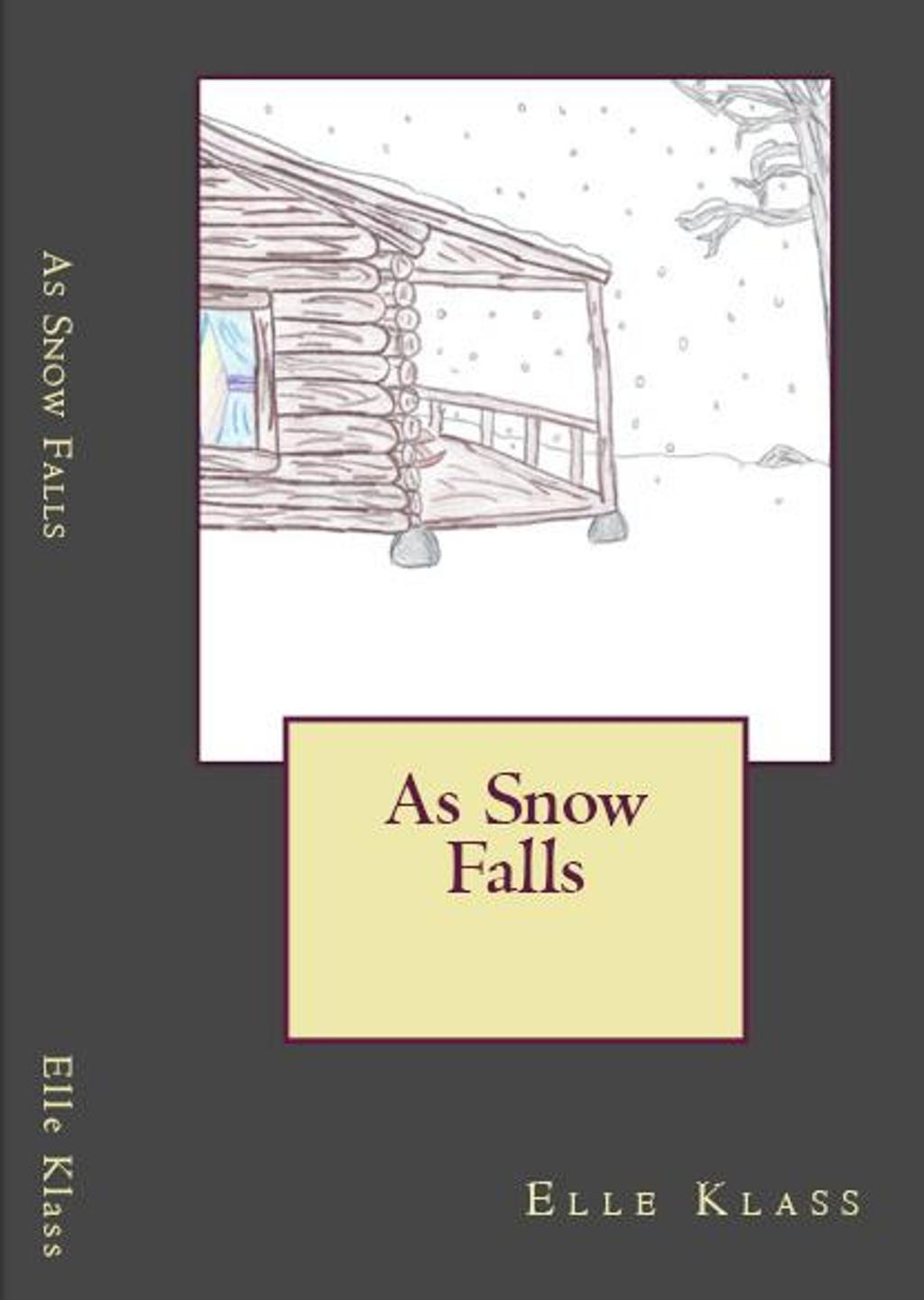
First of all, this is an excellent model for anyone who would aspire to write a personal history. The story’s easy and sometimes random flow of reminiscing demonstrates the simple memories and events which make a person come alive. It’s the daily routine from which we evolve even though the unusual experiences often change the course of our lives. As far as I recall, the woman whose life is recounted never gives her name, yet oddly enough this anonymity served to personalize it even more.

This story’s rendering is as unique as its enigmatic cover, which fits perfectly as you journey through the memoirs of a woman who has experienced the kind of life most of us would want; one with loving parents, kind siblings, faithful spouses and children who honor their parents. On the surface this could be considered too idealistic and even be a put-off to readers who have experienced divorce, abuse or perhaps harbor bitterness toward past events as well as anyone who sees it solely on the superficial level. On another more spiritual level it’s an effective allegory for what each of us may experience when the time comes as viewed through one woman’s life as it parades before her while she lingers at death’s door. Of course the season is winter, so often used as an analogy for the declining years and end of life, an archetype which operates at the subconscious level and makes the message more powerful.

I suppose this book hit home for me not only because I am now a retiree looking back on my life but also as someone who was raised in a family which gave even the Bunkers and Bundys some level of appeal. My upbringing was far from ideal and I likewise raised a family with a less than illustrious history regarding interpersonal relationships. Nonetheless this sweet story helped me remember the good times even while grieving for that which never was. Its pages chronicle the life so many aspire to yet never achieve, one of intergenerational love and dedication accompanied by an easy flow of income that precludes the stress and trials of financial woes. Unrealistic? Of course. Idealistic? Ditto. A person lacking depth could see this story as schmaltzy and sentimental. Yet without an ideal before us how can perfection be visualized much less attained? The question we should ask is not do such families exist but rather why not?

Another element this story captures at the soul level is that of meaning, that there are connections between us all. There are no coincidences. Everything happens for a reason and there’s a lesson in every experience. Beyond all else it begs the question, “Until we can each get along and perfect our families how can there possibly be hope for the world?” Its message will stay with me for a long time, a book I’ll never forget.

messup

Connect with Elle:

Facebook: https://www.facebook.com/ElleKlass

Website: http://elleklass.weebly.com

Twitter:  https://twitter.com/ElleKlass @elleklass

Blog: http://thetroubledoyster.blogspot.com

Amazon Link:

http://www.amazon.com/As-Snow-Falls-Elle-Klass/dp/1482779706/


6 MORE TIPS FOR INDIE WRITERS: Handling Thoughts and Dialog

raventype

Even though you’ve read dozens or even hundreds of novels, when you sit down to start writing one yourself you’ll occasionally hit a wall and wonder how it’s done. Here are a few common areas related to capturing thoughts and dialog that writers may not find intuitively obvious:

  1. When a character speaks long enough for it to occupy more than one paragraph without any sort of interruption, including he said, the beginning of the statement has a quotation mark but it doesn’t end with one until the speech ends. This shows the reader that it’s the same person continuing to speak. When he’s done, then you close it out with a quotation mark.
  2. A spoken sentence contained within quotes ends with a comma, not a period, provided you’re going to add he or she said at the end; otherwise use a period. If it’s a question you obviously use a question mark but there is no need to capitalize the he or she when you designate who asked. It’s possible that some word processors in their infinite wisdom may capitalize it for you but this is incorrect.
  3. When a character is thinking something it is usually italicized. However, don’t go on and on with pages of italicized text. This is where viewpoint comes into play in the narrative. For example:
    1. Steve can be such an idiot, Jack thought.
    2. Jack shook his head and rolled his eyes, thinking Steve should shut up and quit acting like such an idiot.
  4. Speaking of italics, they also come in handy for emphasis, such as exclamations you want to give a little extra punch. Don’t use them too often, however, or they lose their effect. Same goes for exclamation points! Use them sparingly, please! Even if a conversation is clearly intense you don’t need to end every sentence with one! It really gets annoying to the reader! See what I mean? It’s better to use narrative and detail so the reader is well aware of the mood in the given scene and therefore knows the tone and emphasis the characters would employ in such a conversation. It’s also seldom justifiable to use more than one!!!!!! Capische?
  5. It is a good idea to remind the reader who’s speaking occasionally, even if it’s a soliloquy by the main character unless there is absolutely no one else in the story. If it’s a dialog it applies, also, unless it’s obvious from the context. This can also be done by inserting names into the dialog itself, such as, “Come on, Jerry, it’s time to go.” Conversely, don’t insult the reader’s intelligence by including it too often. Strive for balance.
  6. Don’t over-use the various synonyms for said; use them sparingly and with deliberate intent to help convey the emotional content and avoid adverbs. For example saying “he shouted” is much more effective than “he said loudly.”  The worst thing you can do is distract from the story by trying too hard to be clever and impress the reader, a practice known as overwriting. If it contributes to the mood such as yelled, whispered, grumbled, explained, muttered, etc. then it is probably okay but go easy on the others. Said, stated, replied, commented, acknowledged, agreed, argued, asserted, opined, and numerous others all have a place but don’t feel you have to use them all within a given conversation. Set the mood then let the characters do the rest with what they actually say.

Pre-release Review of Elle Klass’ “Baby Girl 3: City by the Bay”

Tomorrow, July 15, is the big day for Elle Klass’ latest sequel in the “Baby Girl” series. Here’s my review:

“Baby Girl 3: City by the Bay” continues the saga of Cleo, a girl abandoned as a child and on a quest to discover her true identity. This latest installment of the popular series of novellas finds Cleo, now known as Shanna Nu, in San Francisco where she hopes to uncover more information pertaining to the disappearance of the woman she knew as her mother. Cleo is acutely aware of cryptic letters the woman left behind warning her that her life could be in danger as she nonetheless persists, more determined than ever, to discover who she is. She conveniently obtains a job with a seasoned ex-cop turned private investigator named La Tige where she acquires a variety of new skills as well as access to new information in police files. As she gradually unravels the past the more tangled it becomes as she continues to pick through the various threads and close in on the truth.

This episode is filled with additional mystery, intrigue and adventure as the story and plot deepen. Amid the challenges and sometimes shocking revelations, Cleo is gradually discovering who she is at the core even if her actual identity still eludes her. Readers following this series will enjoy the ride as new dimensions of the story are revealed as well as witnessing Cleo’s evolving maturity. She still may not know her legal identity but she is beginning nonetheless to know exactly who and what she is, a discovery that everyone must encounter sooner or later.

baby 3 cover 2a

Meet 7 of the 16 Authors who comprise the “Dreams, Fantasies, Nightmares & Visions” Facebook Group

(Lilo Abernathy, John Reinhard Dizon, Marcha Fox, Terri Klaes Harper,

Samantha Jacobey, Susanne Leist & John Tucker)

https://www.facebook.com/groups/1439009819683643/

Event Dates: June 18 – 22, 2014

* * *

Lilo Abernathy

Image

Friday, June 20, 8:00 pm – 9:00 pm

Saturday, June 21, 7:00 pm – 8:00 pm

Sunday, June 22, 6:00 pm – 7:00 pm

I’m currently forty-two, but that could differ depending on what year you read this. Unless some fundamental laws of nature change, I expect that number to only get higher. I am half Italian and half Irish. Well, the Irish side is sort of an Irish/German/English/French/Scottish mix, but since I believed I was truly half Irish until my mother’s foray into genealogy, I’m sticking to that story.

I live amidst the Smoky Mountains and can sometimes see the shadows of clouds lying on the mountains from my front porch. I am not yet snobbish enough to call it a veranda, but time will tell. I’m a great believer in the proof being in the pudding. Sometimes my young adult daughter joins me on the veranda… err, porch to admire the view. Often my Australian Shepherd runs around the veranda looking for things to shepherd in the yard. Because we are decidedly lacking in livestock, he frequently presents me with slobbery balls to throw. I, in turn, do my best to ignore them. I feel justified in this neglect because I am planning on adopting a girlfriend for him soon so they can wrestle over the slobbery ball together to wagging tails’ content.

I started working full time while in high school and haven’t stopped since. My illustrious career began with a smattering of service experiences at various fast food and restaurant chains, went on to fine jewelry, slipped into property management for housing projects, morphed into corporate real estate, then ended up in mergers and acquisitions. Please don’t ask me how that happened as I would have to kill you if I told you.

My home is a modestly sized ranch, recently purchased and still not completely unpacked. The walls are a boring light beige, but they make the perfect backdrop for my brightly colored Gustav Klimt canvas prints. Van Gogh hopes to join Klimt on my walls soon, but right now the brakes on my Cube need to be fixed, and the washer overflows if I place the water level on super-duper high. Priorities, priorities.

More importantly than all of the above, you absolutely must know that my favorite color is purple. Not Barney purple, no offense to Barney, but more of a medium eggplant purple. I like to think of it as a “mature” purple, but deep down I know it is really just purple.

Connect with Lilo:

Website: https://sites.google.com/site/lilojabernathy/

Blog: http://lilojabernathy.blogspot.com/

Facebook Page: https://www.facebook.com/lilojabernathy

Goodreads Page: https://www.goodreads.com/author/show/7789942.Lilo_Abernathy

Google Plus Account: http://google.com/+LiloAbernathy

Twitter: https://twitter.com/Lilo_Abernathy
Image

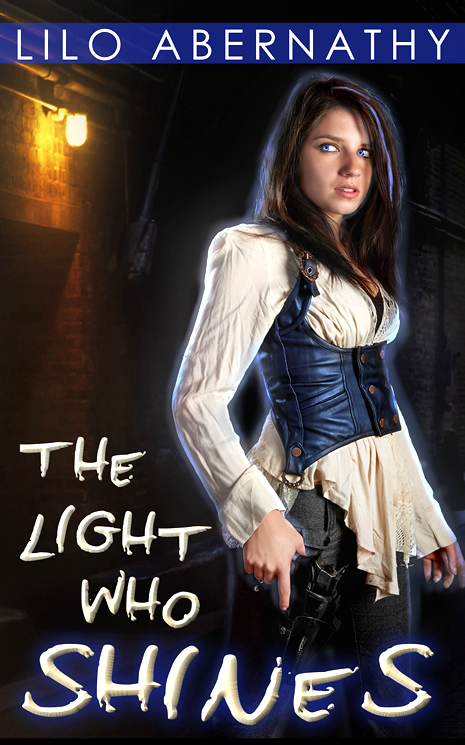
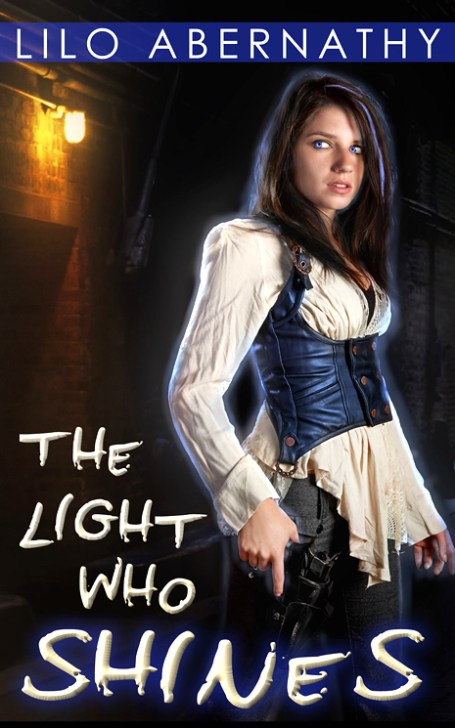
The Light Who Shines

When Supernatural Investigation Bureau agent Bluebell Kildare (a.k.a. Blue) arrives at the scene of the crime, it’s obvious the grotesquely damaged body of the deceased teenage boy was caused by far more than a simple hit and run. Using her innate sixth sense, Blue uncovers a powerful magical artifact nearby. She soon discovers it acts as a key to an ancient Grimiore that was instrumental in the creation of the Vampire breed and still holds the power to unravel the boundaries between Earth and the Plane of Fire.

Blue and her clever wolf Varg follow a trail that starts at the Cock and Bull Tap and leads all through the town of Crimson Hollow. Between being sidelined by a stalker who sticks to the shadows and chasing a suspect who vanishes in thin air, the case is getting complicated. If that isn’t enough, Dark Vampire activity hits a record high, and hate crimes are increasing. However, it’s Blue’s growing feelings for Jack Tanner, her magnetic Daylight Vampire boss, that just might undo her.

While Blue searches for clues to nail the perpetrator, it seems someone else is conducting a search of their own. Who will find whom first?

Danger lurks in every corner, and Blue needs all her focus in this increasingly dangerous game or she risks ending up the next victim.

http://www.amazon.com/Light-Shines-Bluebell-Kildare-Book-ebook/dp/B00HYH3ZU4/


John Reinhard Dizon
Image

Wednesday, June 18, 5:00 pm – 6:00 pm

Thursday, June 19, 10:00 pm – 11:00 pm

Sunday, June 22, 4:00 pm – 6:00 pm

John Reinhard Dizon was born and raised in the Cobble Hill section of Brooklyn, NY. He participated in local and high school sports at Bishop Loughlin MHS, excelling in wrestling, hockey and football. The lead vocalist of the Spoiler and the Ducky Boys, he was a key figure on the Brooklyn rock scene during the Punk Revolution of the 70’s. Relocating to San Antonio TX in the 80’s, he moonlighted as a pro wrestler while working as a legal assistant. He successfully pursued a BA at UTSA and degrees in Korean martial arts during the 90’s. He currently lives in KC MO where he is studying for his MA in English at UMKC. Mr. Dizon has been writing suspense and thriller works for over twenty-five years.
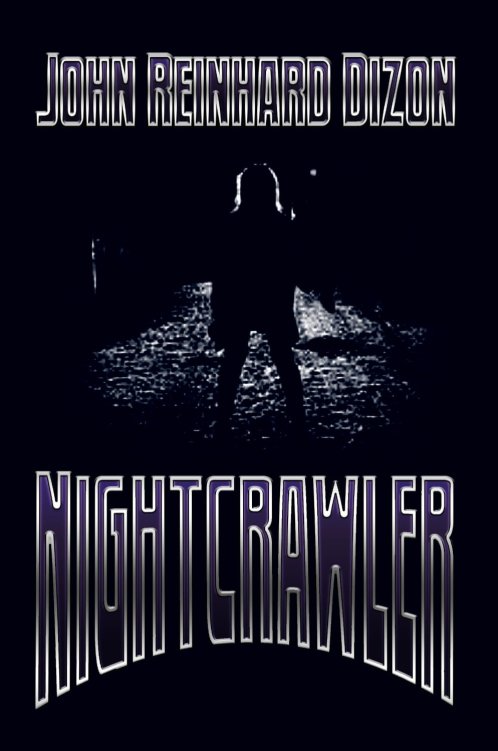
 

Image

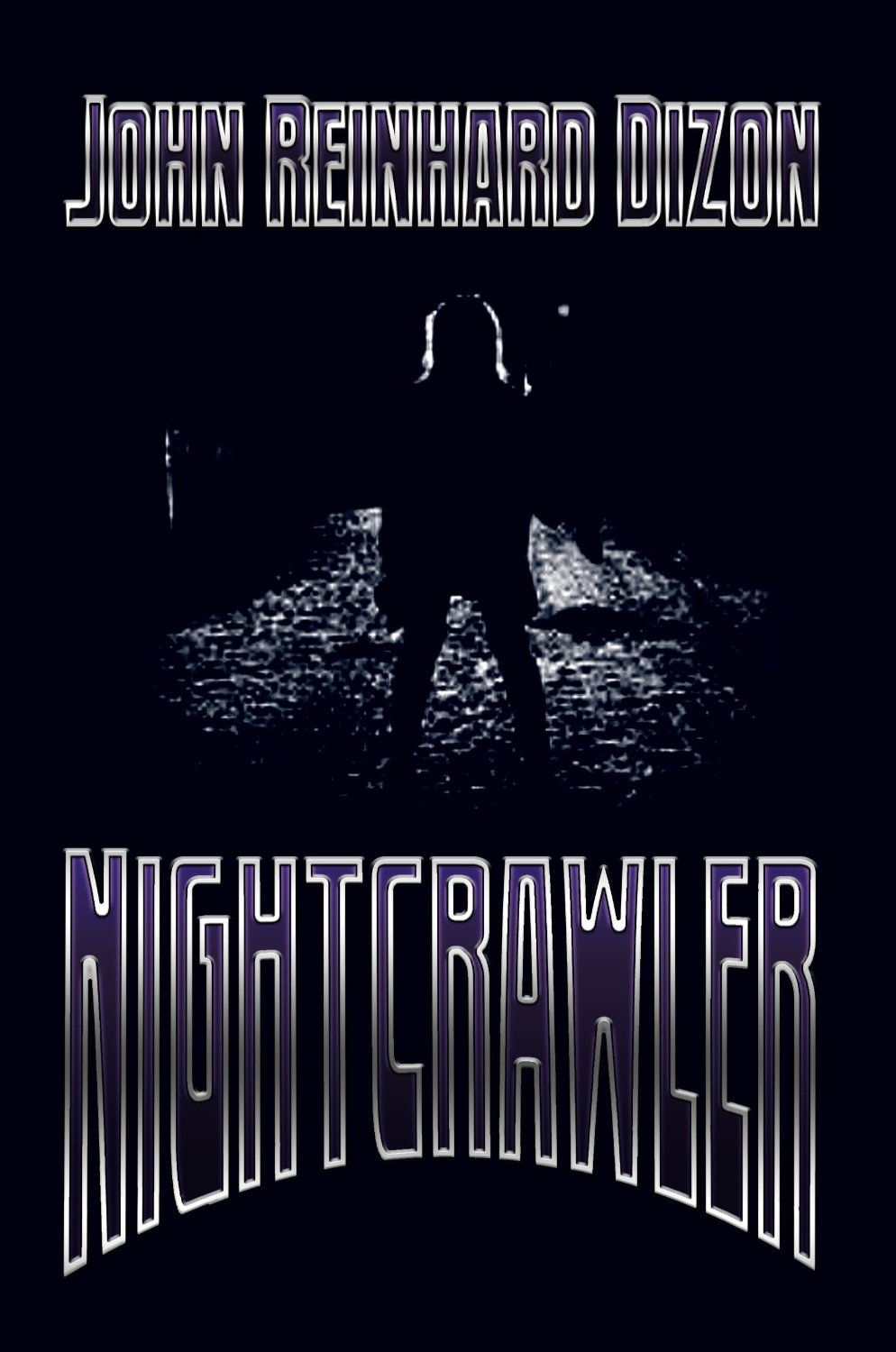
Nightcrawler

Nightcrawler is about the exploits of Sabrina Brooks, the heiress to the Brooks Chemical Company. Bree is trying to pick up the pieces after her father’s death, and is now in a position to live up to a personal commitment to use her resources to benefit the oppressed. She is intrigued by the notion of conducting a guerrilla campaign against drug gangs in New York City, and accesses top-secret archives detailing Government contracts for developmental research of chemical weapons. She uses her wizardry in chemistry to concoct weapons for her own use as a vigilante known as the Nightcrawler. NYPD undercover officer Hoyt Wexford becomes friends with Bree, and begins to suspect she knows the identity of the Nightcrawler. Her sudden interest in a series of terrorist attacks in the New York area makes him believe she may be investigating a group called the Octagon. He tries to follow her but is too late to prevent a showdown between the Nightcrawler and the mysterious Reaper. Hoyt rescues Bree and learns her secret identity, and together they plan to stop the Octagon once and for all in preventing a chemical attack in NYC on the Fourth of July. This is a pulse-pounding thriller straight out of world headlines, with an unforgettable heroine fighting impossible odds against fiendish arch-criminals. For suspense fans looking for some chick lit with international intrigue, Nightcrawler is one not to be forgotten.

http://www.amazon.com/Nightcrawler-John-Reinhard-Dizon-ebook/dp/B00I0K9QEI/
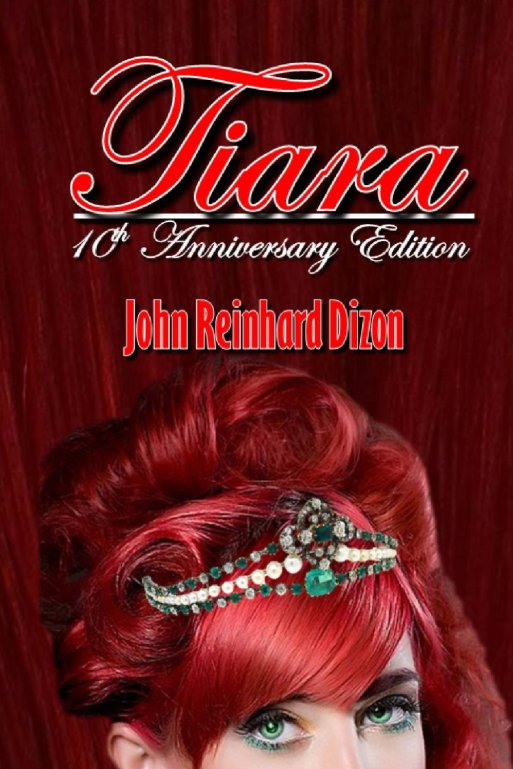
 

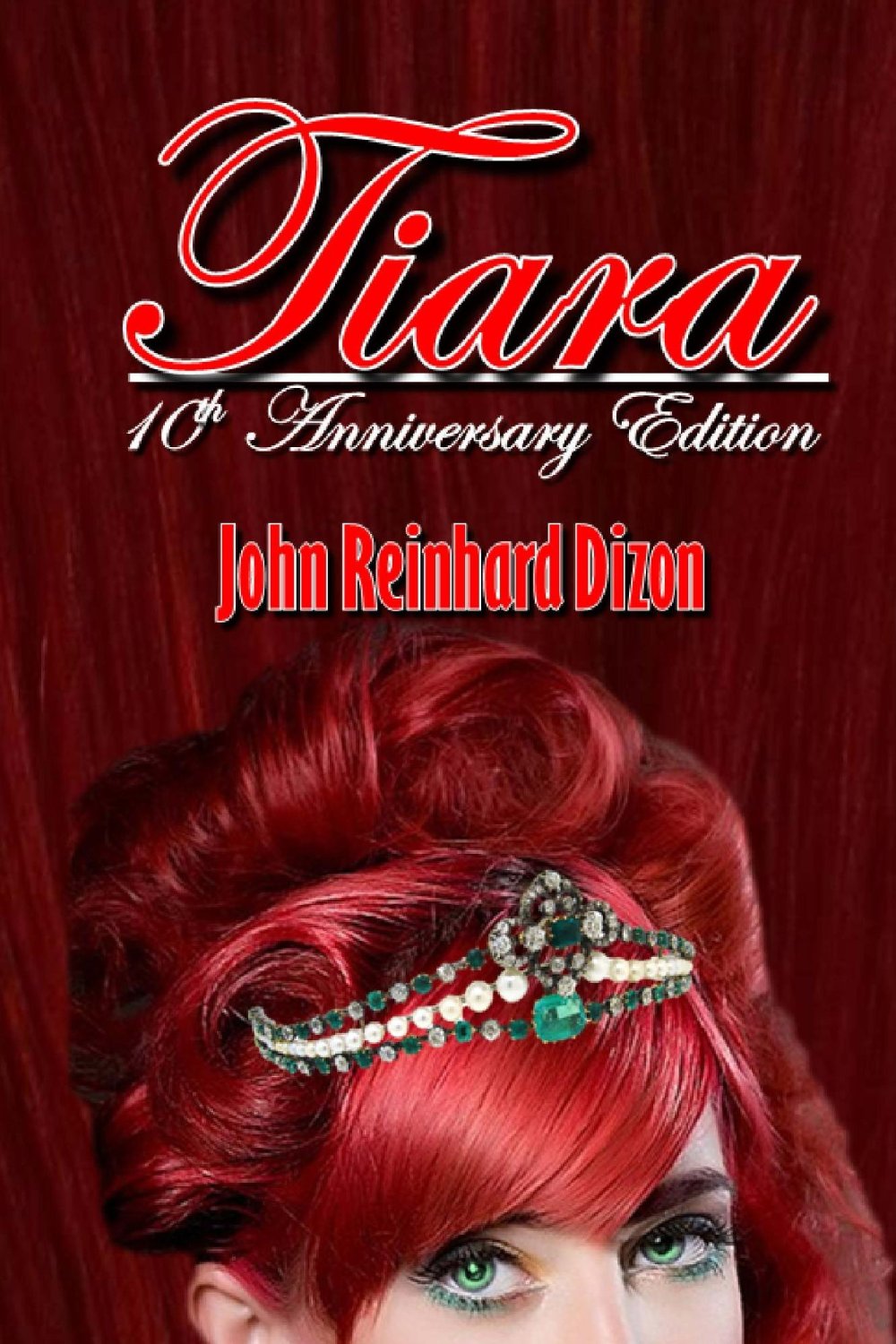
ImageTiara

Tiara is an action-packed, historical fiction, romantic thriller centering around the Good Friday Agreement in Northern Ireland in 1998. The main female protagonist is Princess Jennifer of Edinburgh, a civil rights activist involved in the negotiations between the British government and the coalition groups in Ulster. She becomes an object of fascination to Berlin Mansfield, an international terrorist of Irish descent who is equally intent on attending the historic event as it transpires. The two eventually cross paths in a tale of intrigue and suspense with the future of a nation at stake.


http://www.amazon.com/Tiara-10th-Anniversary-John-Dizon-ebook/dp/B00IPS7R64/


Marcha Fox
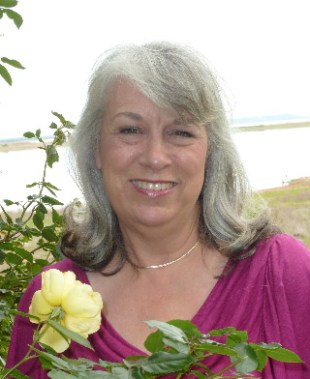
Image

Saturday, June 21, 4:00 pm – 5:00 pm

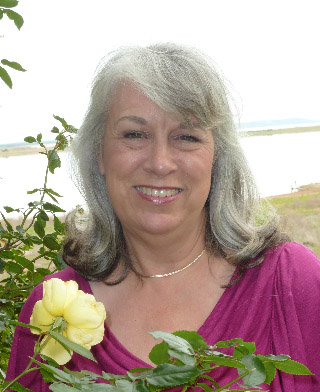
Marcha Fox is a prolific writer who has addressed a wide variety of subjects but her favorite is science fiction. It began as a love of astronomy which eventually led to a bachelor’s of science degree in physics from Utah State University followed by a 21 year career at NASA’s Johnson Space Center in Houston, Texas where she held a variety of positions including technical writer, engineer and eventually manager. Her NASA experiences included trips to Cape Canaveral in Florida, visiting other NASA centers in Mississippi, Alabama and Maryland as well as trips to the European Space Agency in The Netherlands but the most memorable was the sad task of helping to recover space shuttle debris in East Texas following the tragic Columbia accident in 2003.

Her Star Trails Tetralogy Series incorporates her knowledge of physics and space travel within a family saga set on a primitive planet where survival is an ongoing struggle further complicated by political intrigue. While some of the science is speculative, her goal is to represent it as accurately as possible so that her readers learn accurate principles in a painless, entertaining manner within the context of the story. More information on the individual novels in this series, the science behind them as well as the status of the fourth and final volume can be found on http://www.kallioperisingpress.com.

She is the mother of six grown children, 17 grandchildren and two great-grandchildren and lived in New York, California and Utah before making her home in Texas.

Connect with Marcha:

Amazon Author Page: http://www.amazon.com/Marcha-Fox/e/B0074RV16O/

Author Homepage: http://www.kallioperisingpress.com/abouttheauthor.htm

Author Facebook: https://www.facebook.com/marchafoxauthor

Star Trails Homepage: http://www.kallioperisingpress.com/startrails/star_trails_tetralogy.html

Twitter: https://twitter.com/startrailsIV @startrailsIV

Blog Page: https://marcha2014.wordpress.com/
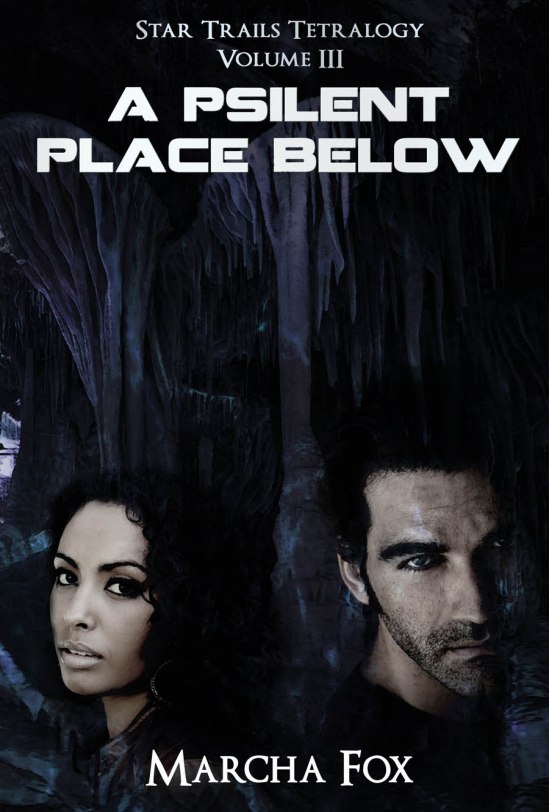
 

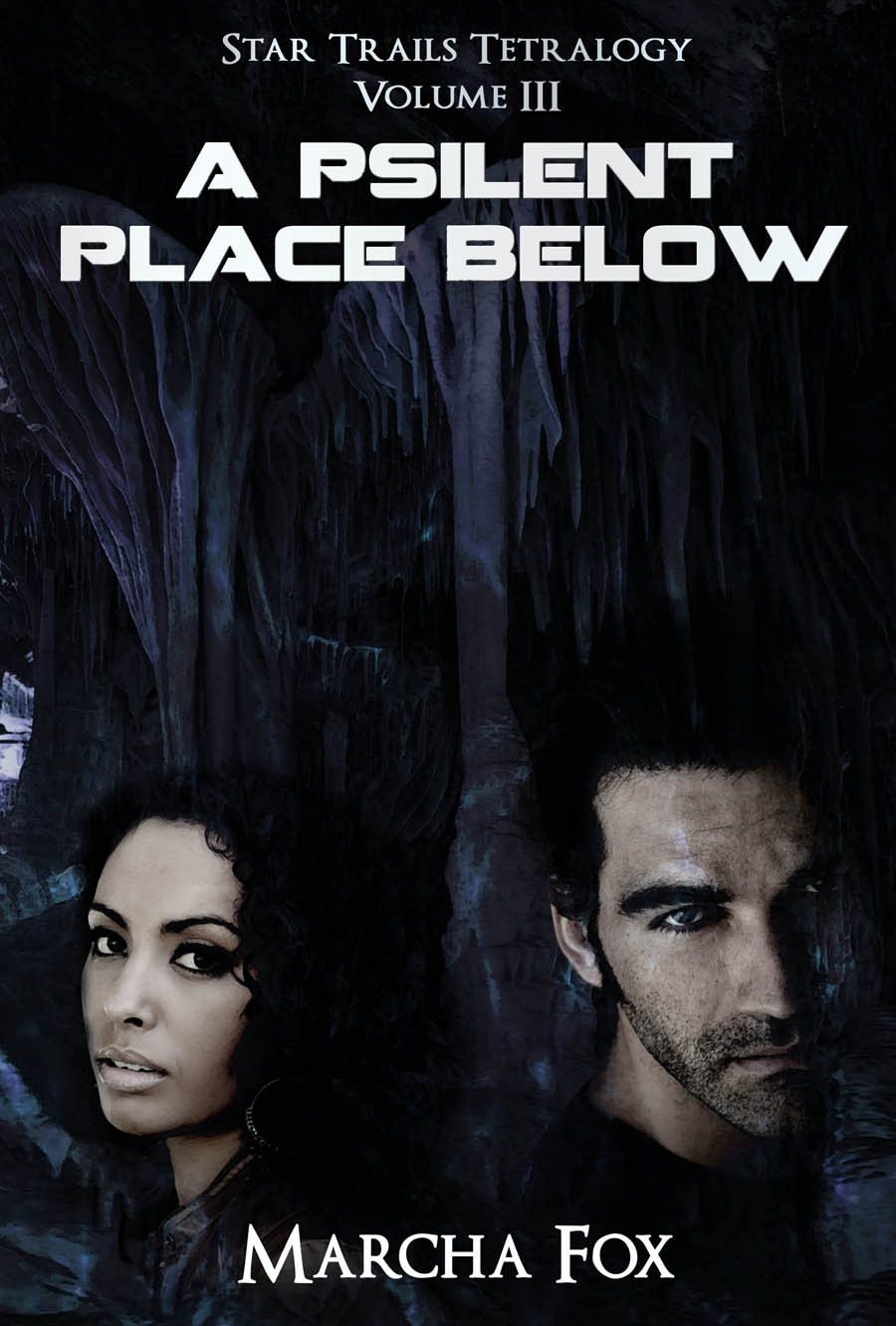
ImageA Psilent Place Below

Finding refuge in Cyraria’s underground network of caverns to survive Opposition, it doesn’t take Dirck Brightstar long to discover these are no ordinary caves. When he and his mother share a shocking veridical dream its clear his imprisoned father is in grave danger with immediate action required. Following a harrowing prison break the entire family plunges into a world of intrigue as the Integrator’s hold on the planet tightens. At long last Creena makes it home only to find her family still can’t be together because her father’s now a virtual prisoner in Cira City working covertly to oppose Integration. With the caverns located deep within enemy territory the risk of being discovered not only threatens their personal safety but assures Integrator victory if cristobalite crystals fall into enemy hands. Squabbling between Creena and Dirck resumes in short order, jeopardizing their ability to recognize yet another grave threat that leaves them reeling with regrets as this volume concludes amid technological challenges, political intrigue and culture clashes in yet another volume of high powered science fiction adventure. This is the 3rd volume of the Star Trails Tetralogy which can be enjoyed out of sequence.

http://www.amazon.com/Psilent-Place-Below-Trails-Tetralogy-ebook/dp/B0082CW8QC/


Terri Klaes Harper

Image

Thursday, June 19, 5:00 pm – 6:00 pm

For someone who loves to write, I never really know what to say about myself. I’ve lived a fairly “normal” American life, and I’ve been writing for about as long as I can remember. I started with stories about the origins of camels’ humps and strange planets one could only travel to while riding a flying cat, and now I keep a blog of randomness and am writing a young adult book series.

Inspired by my own ninth grade English teacher (the one who discovered that my love for writing might actually be a hidden talent), I too became a high school English teacher, a chapter in my life I very recently closed. I am blessed with an amazingly supportive husband and two beautiful and hilarious Australian shepherds who fill my life with love. I have an appreciation for good literature and words and a hatred of human trafficking. I hope to continue writing fun fiction, but I would also love to put my talent to use to help battle modern day slavery. Other than that, I enjoy running, or rather the benefits of running, and long walks on the beach. After all, I do live in Florida. However, a part of me always considers Virginia, where I spent middle school through college, as my home.

Connect with Terri:

Amazon: http://www.amazon.com/Terri-Klaes-Harper/e/B00AAEGY74/

website: http://terriklaesharper.wix.com/author

blog: cavernsofmymind.com
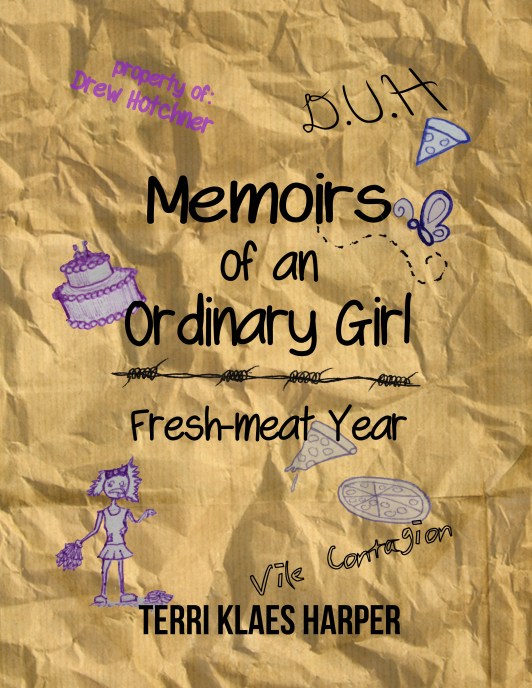
 

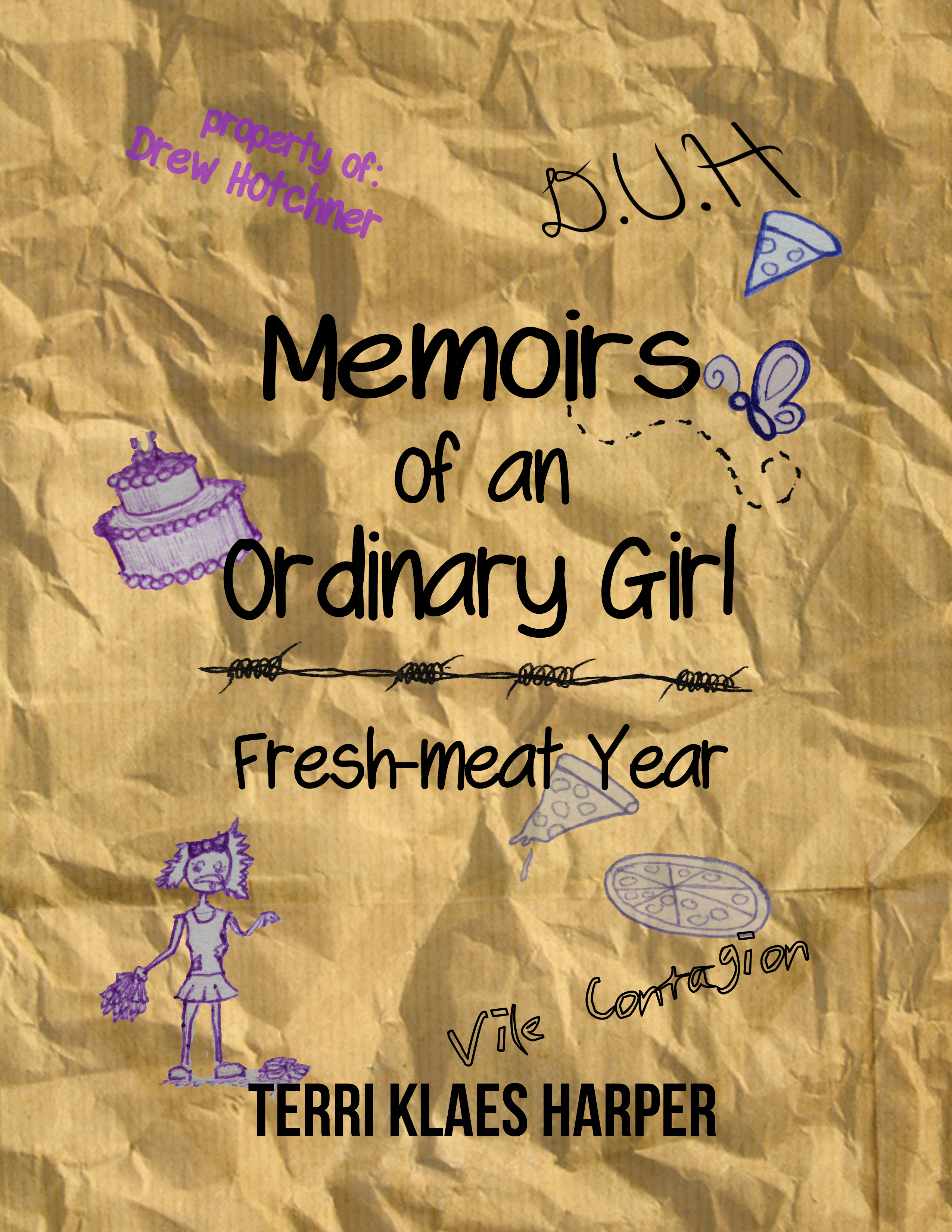
ImageMemoirs of an Ordinary Girl: Fresh-Meat Year

It’s just another extraordinarily ordinary year in Drew Hotchner’s world, and one she faces again with wit and sarcasm. Freshman year is the only thing that just might be more horrific and awkward than middle school, and Drew cannot avoid it. Thankfully, she is not alone and still has her support crew of friends, because some things never change, no matter the setting. Old enemies return and new distractions abound, such as a new crush, even while she holds onto the old, the advent of the grunge music movement, helping to plan a wedding, and the creepy neighbor boy down the equally creepy rural road. Drew must again learn to hold her own in the unknown and to stay true to her identity while also learning that doing the right thing is not always the easy thing and may take a degree of maturity a fourteen year old often doesn’t realize she has.

http://www.amazon.com/Memoirs-Ordinary-Girl-Fresh-meat-Year-ebook/dp/B00KMYJ3DO/


Samantha Jacobey

Friday, June 20, 9:00 pm – 10:00 pm

Saturday, June 21, 2:00 pm – 4:00 pm

Sunday, June 22, Noon – 2:00 pm

Anyone who knows me could tell you, I am a friendly kind of person, never met a stranger and take up conversations anywhere at any time. I work hard, and my mind never seems to shut down, as I wake up often in the middle of the night with ideas pouring out and demanding to be dealt with. Of course that means much of my books were written in the middle of the night.

I grew up and still live in the great state of Texas where everything is bigger, where we have warm weather and a central location. I love my state, my town, and my family, which includes my four sons, my significant other, and many friends as well.

I have thoroughly enjoyed writing the books that are currently available and hope you will enjoy reading them just as much. And of course, there will be many more stories to come.

Connect with Samantha:

https://www.facebook.com/pages/Samantha-Jacobey/165092307031832

https://www.facebook.com/ANewLifeSeries

http://www.amazon.com/-/e/B00GEB5LX0

Twitter: @samjacobey

https://www.goodreads.com/author/show/7335383.Samantha_Jacobey
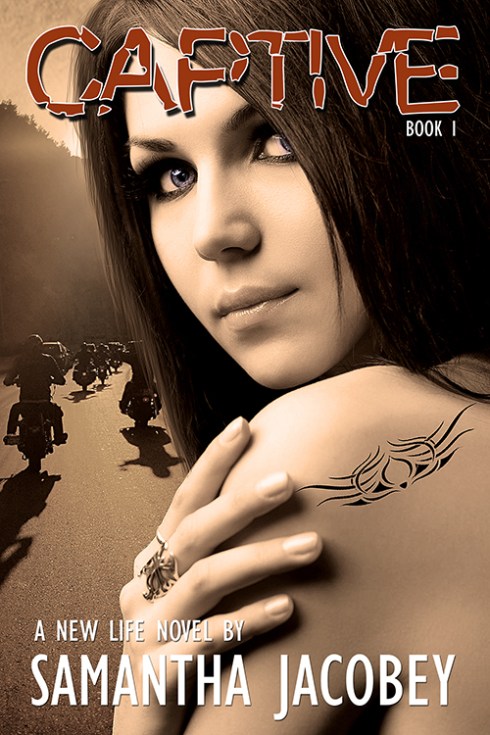
 

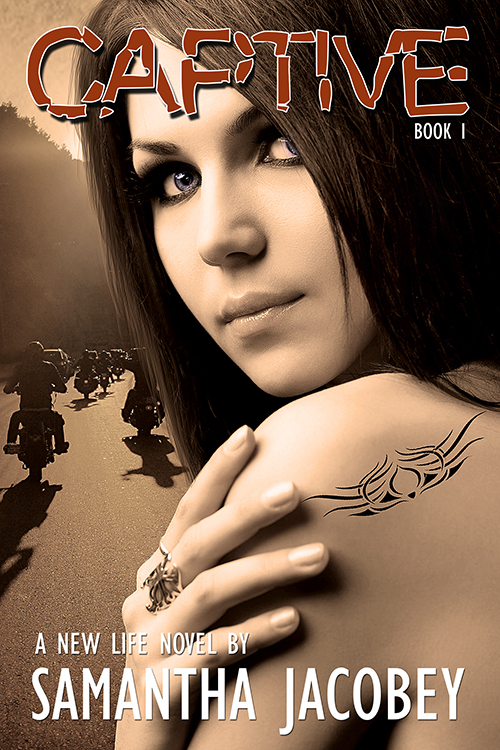
ImageCaptive

To what lengths would you go to break away from a life filled with pain and suffering?

Tori Farrell has lived a dangerous life. When you grow up with a Motorcycle Gang of Mercenaries and Drug Lords like the Dragons, a normal life is more like a fairytale. For years, she accepted her dark reality, a world consisting of drugs, sex, violence and murder. In the end, she learned the most valuable lesson: survival.

After years of being ruled by the Dragons, Tori uses her skills of seduction and assassination to free herself from the grasp of the people who vowed they would never let her go. Taken in by the FBI, she fears not everything is what it seems, and soon finds herself lost in a web of lies and deceit. She thought getting away from the Dragons would put her on a path to a new and better life, but now she must face the cold hard truth” there is always a price to be paid.

Tori’s story begins with CAPTIVE for ONLY 99 CENTS (sale price) http://www.amazon.com/dp/B00J1AO3JE

http://www.barnesandnoble.com/w/captive-samantha-jacobey/1118955652
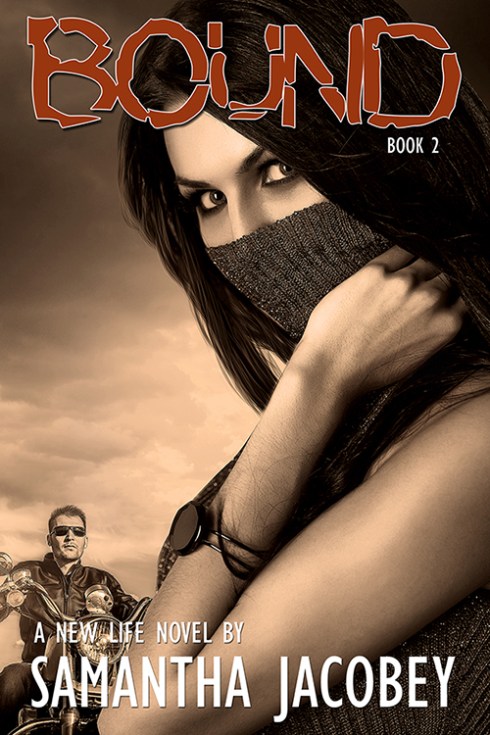
 

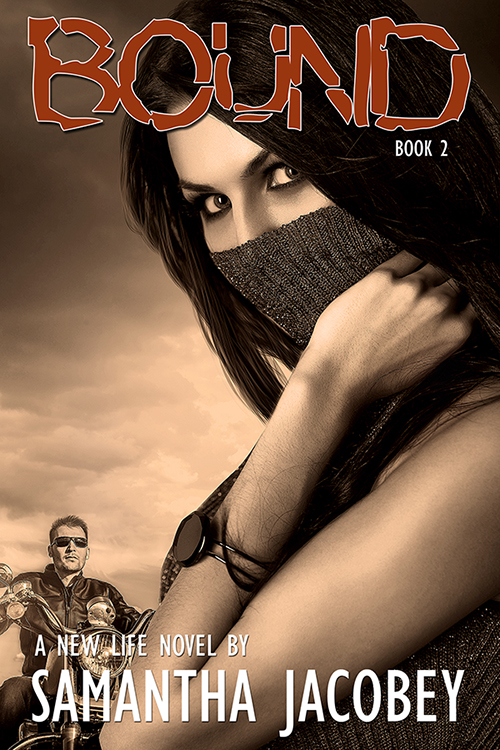
ImageBound

Raised by bikers and held by the FBI, Tori Farrell has literally walked over dead men to get to where she is today.

When she broke the ties to her dark and twisted life with the Dragons, she thought it would give her a fresh start and a chance to live a normal life. However, she soon discovered the demons from her past have no desire to let her go.

Bound to a halfway house under orders of the FBI, Tori takes things day by day, working to move forward and to face her own addictions. With her true identity a mystery and no family to turn to, she must learn to accept the love and support of those around her. When a mysterious and charismatic man walks into Tori’s life, she believes she’s finally found someone who wants her for who she is. But sometimes danger doesn’t hide cloaked in darkness” It comes out into the light of day in the form of a smooth talking bad boy who appears to be everything you’ve been looking for, but is really the one thing you should be running from”

http://www.amazon.com/dp/B00J1AO2C2

http://www.barnesandnoble.com/w/bound-samantha-jacobey/1118955657
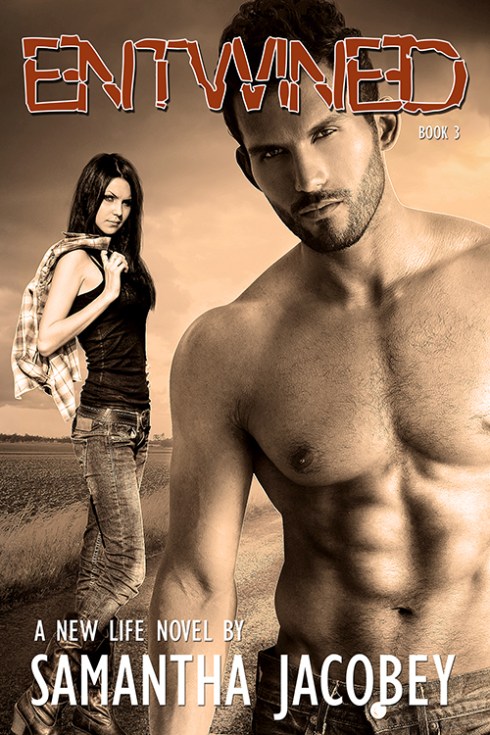
 

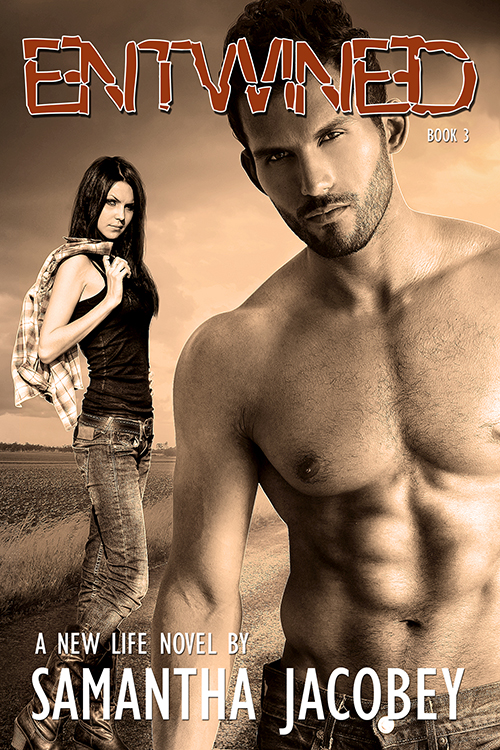
Image Entwined

There is nothing crueler than getting a taste of something you’ve fought hard to reach, only to have it ripped away, sending your world into a tailspin

Tori wants to put the past behind her, but it’s a daunting task when you have the FBI trying to force you back into the life you’ve escaped. When a ghost from her past visits, it could be the leverage they need to do exactly that, put her back into the game of murder and deceit. Tori has decided to run, in an attempt to protect her new friends, by fleeing from LA.

Wanting a place to call home and feel safe from the madness, she sets out with a plan to disappear and hide in anonymity. Her idea only holds one flaw, a man she can’t shake, who won’t take ‘No’ for an answer.

She soon discovers that getting a new life means she must first lay to rest the demons of her past.

http://www.amazon.com/dp/B00J7F2NTA

http://www.barnesandnoble.com/w/entwined-samantha-jacobey/1118955781
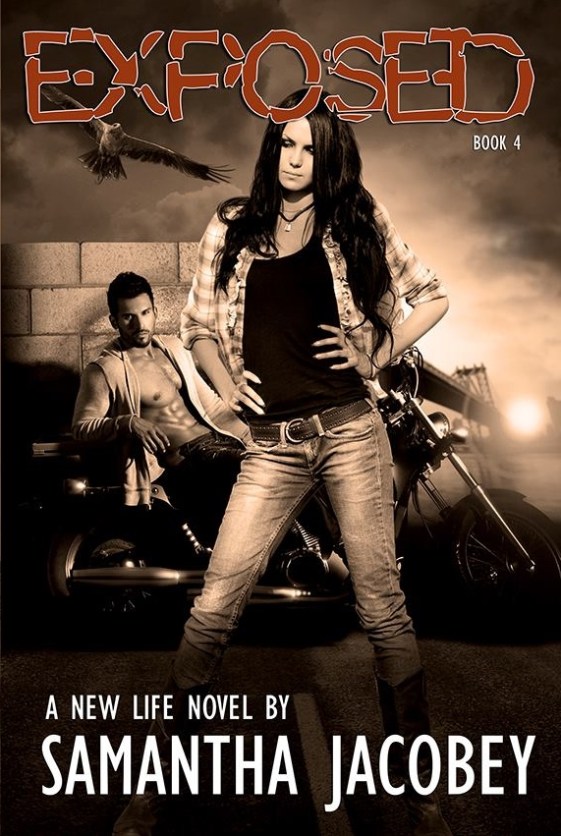
 

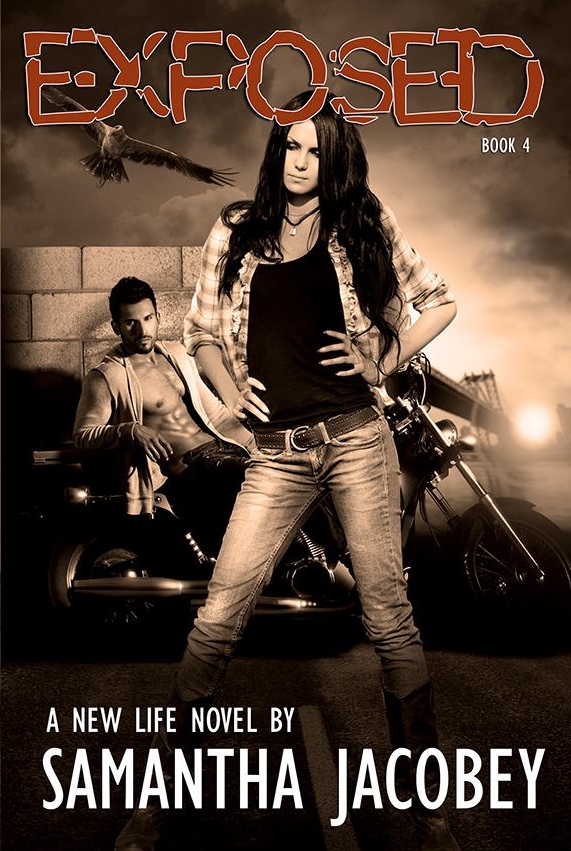
Image Exposed

[Exposed is being released that weekend so purchase links are not available until then.]


Susanne Leist
Image

Thursday, June 19, 8:00 pm – 10:00 pm

Sunday, June 22, 2:00 pm – 4:00 pm

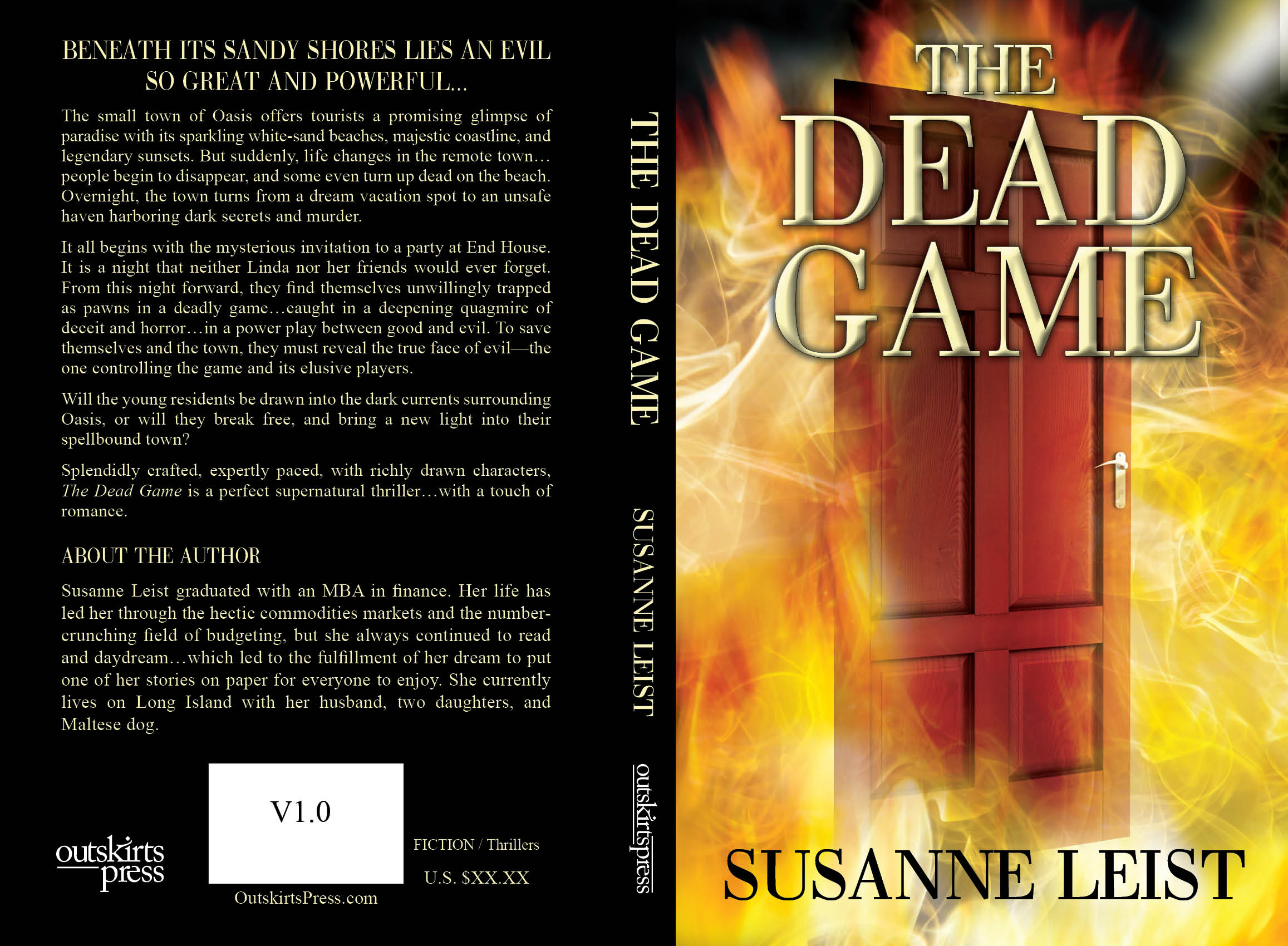
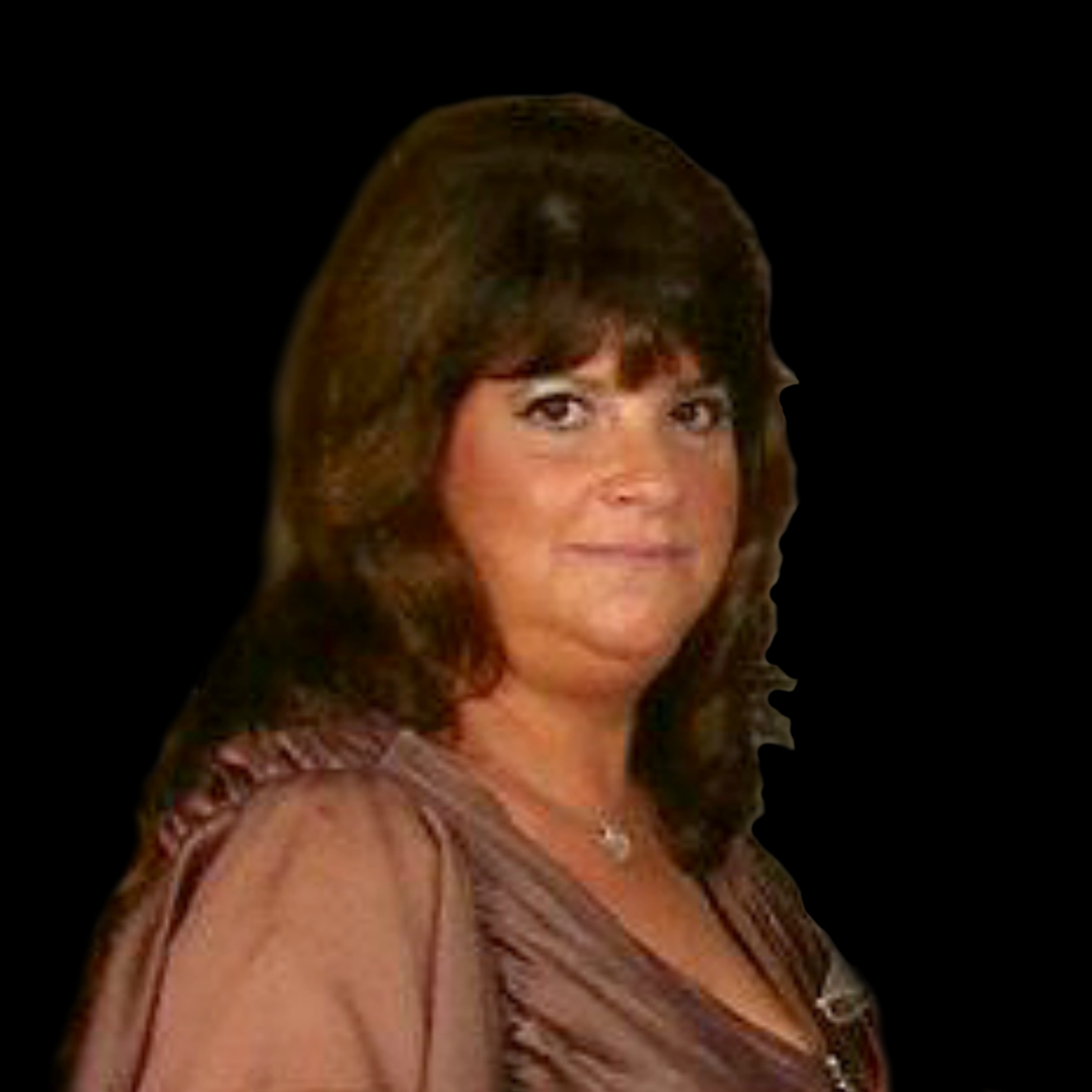
Susanne Leist graduated with an MBA in finance. Her life has led her through the hectic commodities market and the number-crunching field of budgeting, but she always continued to read and daydream…which ultimately led to the fulfillment of her dream to put one of her stories on paper for everyone to enjoy. She currently lives on Long Island with her husband, two daughters, and Maltese dog.

From the Author

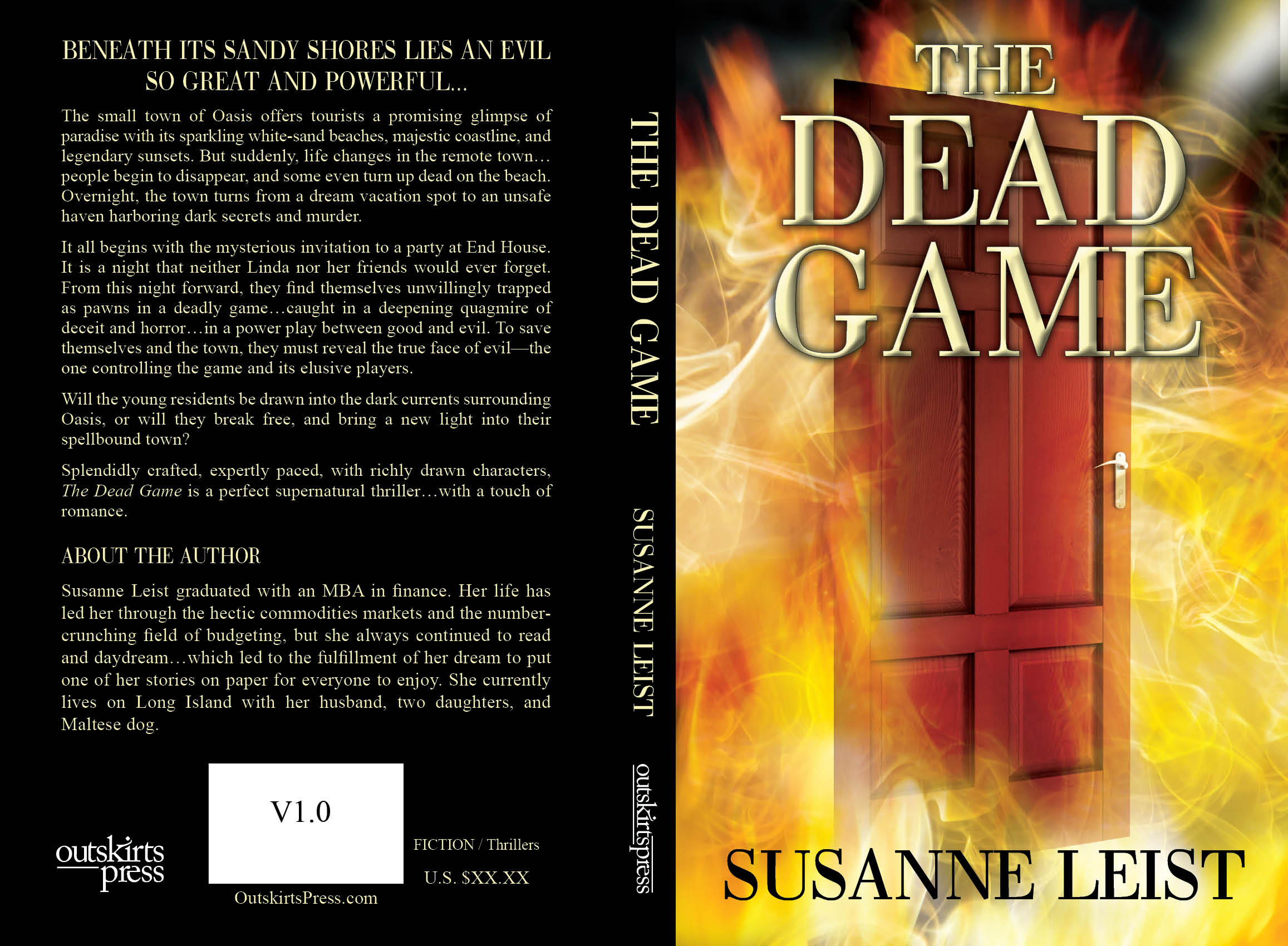
I have always loved to read books. My goal has been to write a book different than any other book that I’ve ever read. And I believe I have accomplished this goal. The Dead Game is a supernatural thriller with plenty of mystery and romance.  The once peaceful town of Oasis becomes a haven for murder. Dead bodies are found on the beach. Tourists disappear from the hotel–never to be heard from again. Once the sun sets, dark shadows can be seen roaming the streets of town. With two of their own missing, Linda and her friends must locate THE DEAD and determine whether their members are humans or creatures of the night.

Connect with Susanne:

http://amazon.com/author/susanneleist

https://www.twitter.com/SusanneLeist

http://susanneleist.wordpress.com/

https://plus.google.com/u/0/+susanneleist/

http://thedeadgameblog.tumblr.com/

http://susanneleist.blogspot.com/
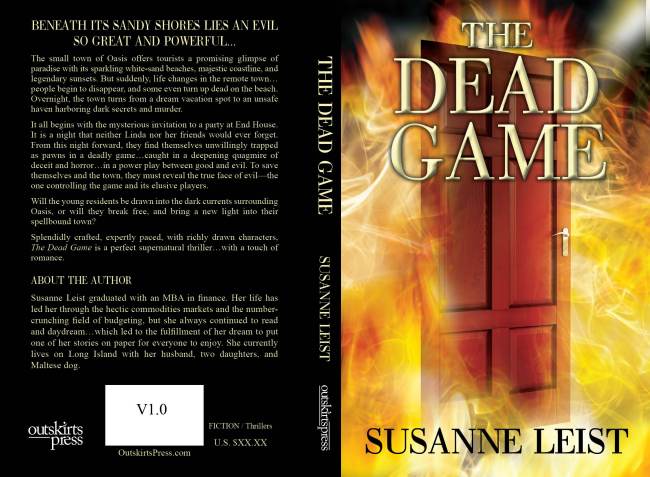
 

ImageThe Dead Game

From the Inside Flap

How could evil exist in a perfect paradise? The town of Oasis is famous for its sunshine, picturesque streets, and white-sand beaches. Yet evil haunts the streets at night. Dark shadows stalk the innocent residents. Tourists disappear from the fancy Oasis Hotel.

In the center of it all, stands End House, with its long, dark history of disappearances. Linda and her friends are invited to a party at this house. It is not at all what they had expected. The young residents find themselves trapped in a deserted house where they must flee for their lives through revolving rooms and terrifying illusions. Or are they illusions? With two of their own still lost in the house, they decide to investigate on their own. Not knowing if their stalkers are vampires or humans, they must uncover the evil one controlling the game and everyone else in town.

Let the games begin.


Book Description

Linda moves to a small town to live a quieter and simpler life. She opens a bookstore and makes new friends. Life is simple–that is until the dead body washes up on shore. Linda is horrified to find that dead bodies and disappearing tourists are common for this town. As soon as the sun sets, she and her friends are stalked by dark shadows. But this is only the beginning.

Linda and her group receive an unsigned invitation to a party at the deserted house on the hill. They are pursued through revolving rooms and dangerous traps, barely escaping with their lives. Two of their own remain trapped in the house. Or so they think. To save themselves and the town, they must reveal the true face of evil–the one controlling the game and its elusive players.

The Dead Game has begun.

http://www.amazon.com/Dead-Game-Susanne-Leist-ebook/dp/B00F3IWF70/


John Tucker

Wednesday, June 18, 10:00 pm – Midnight

Friday, June 20, 10:00 pm – Midnight

Saturday, June 21, 9:00 pm – 10:00 pm

Sunday, June 22, 10:00 pm – Midnight

A life-long Georgia native, John D. Tucker has burned through three wives, raised two sons, and has persevered despite being brought up in a wonderfully dysfunctional family.

He is a multi-genre author with psychological thrillers (DIVISIVE, THE FIFTH GAME, AND SPLITS IN THE SKIN), a Romantic Dramedy Series called BEMUSED AND BEDEVILED (TERPSICHORE IN LOVE, THE MARK OF CAIN, and THE SEVENTH SEAL), a young adult Mystery (THE LITTLE GIRL YOU KISS GOODNIGHT), an Adult Contemporary novel (ROMANCING THE FOX) and the Erotica sizzler (TWELVE DOORS TO ECSTASY).

He plans to release five more books over the course of the 2014 – the final chapter in the Rask Trilogy – THE EIGHTH FAMILY, a Hostage Drama called THE WISDOM OF LUNATICS, a Contemporary Romance – eTERNALMATES, the second book in the Steph Linder Trilogy – THE LITTLE GIRL WHO CRIED AT MIDNIGHT, and a collection of short stories entitled FIVE FORKS IN THE ROAD.

He is a proud member of IWW (The Internet Writers Workshop) which he highly recommends to aspiring authors.

Connect with John:

Facebook Author Page —- http://www.facebook.com/hutt1234

Amazon Author Page — http://www.amazon.com/JohnTucker/e/B005GQUH3I/ref=ntt_athr_dp_pel_pop_1

Twitter: https://twitter.com/Hutt1234John @Hutt1234John

Blog: http://johntuckermustlive.wordpress.com/
 

Image

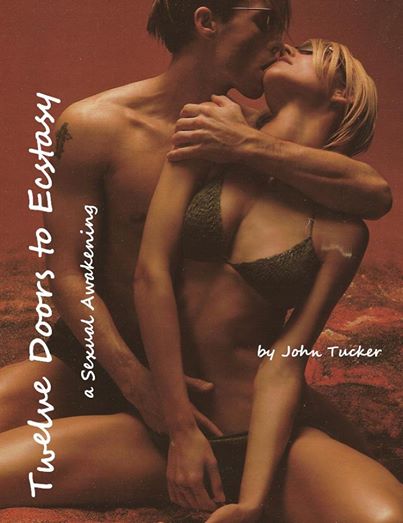
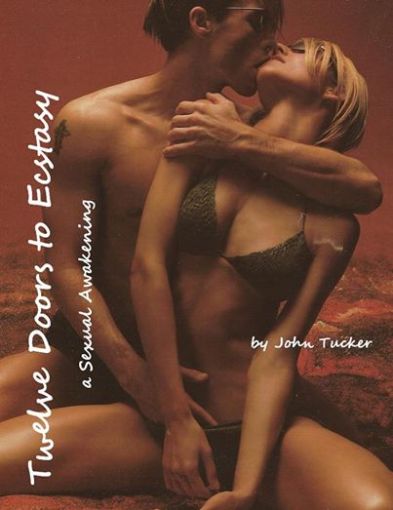
Twelve Doors to Ecstasy

Due to her religious upbringing, Tristina (Tryst) Sanyon has become a sexually repressed woman with intimacy issues. After breaking up with her boyfriend, who called her a fairy tale princess incarnate, Tryst becomes determined to push her sexual boundaries. She just doesn’t know how she’s going to do it.

Enter a mysterious millionaire who runs an organization that promises to ‘cure’ sexually inhibited women. When Tryst answers a newspaper ad that promises to make her more ‘complete,’ she finds herself in a situation where her deepest fantasies could end up becoming a dangerous prison.

http://www.amazon.com/Twelve-Doors-Ecstasy-John-Tucker-ebook/dp/B00EWBWUT2

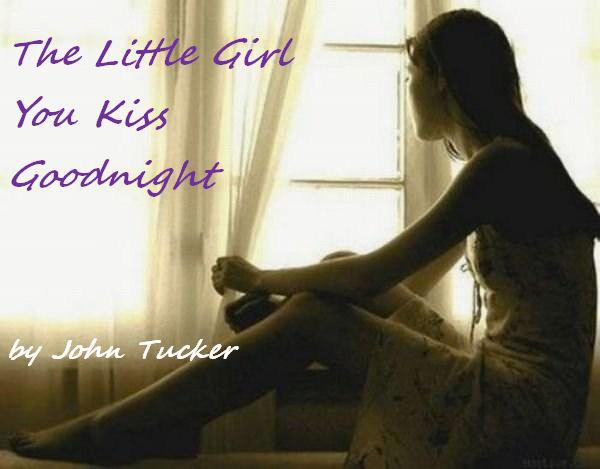
ImageThe Little Girl You Kiss Goodnight

Steph Linder dreams of being an Atlanta policewoman when she graduates high school in 1980’s Georgia. After her estranged mother is killed in Woody Pines, Steph is forced to stay with the grandmother and uncle she blames for her parent’s divorce in order to secretly investigate the murder. In the small, insulated town, Steph encounters a hunky teenager with intimate ties to her mother, three disreputable men who worked with her at a seedy bar, and a friendly librarian with several motives to be the number one suspect.

With only six days to catch the killer before going back to Atlanta to finish her senior year, Steph deals with a lecherous uncle, residents who view her as an unwelcome stranger, and long distance problems with her boyfriend and two BFF’s. Will she find the killer, or fall victim to the same fate as her mother?

The Little Girl You Kiss Goodnight is a teen-noir crime mystery that features a plucky, but flawed heroine, a broken family unit that bands together after eight long years, and a tension-filled denouement that will stay with you long after you finish the novel.

http://www.amazon.com/Little-Goodnight-Steph-Linder-Trilogy-ebook/dp/B00ANCRJ9A
 

ImageDivisive

The Connors are your All-American dysfunctional family. Carolyn, the matriarch, is a hard-drinking single mother with no desires to be a “sitcom mommy.” Elizabeth, her seventeen-year-old daughter, is a Goth dressing, snarky teenager who lives to protect her baby sister and to find love. Precocious Emily, twelve, is the peacemaker of the family saddled with issues of her own. Enter Dennis Rask, a charming rogue who insinuates himself into their family and brings them together as a self-appointed messiah – becoming loved by Carolyn, idolized by Emily, and accepted with reservations by a suspicious Elizabeth. Little do the Connors know, Rask has united three families before them, with every unit destroying themselves from within by his hellish machinations. Rask views the Connors as a hobby – a game – which has left no survivors in the past.

Divisive starts the reader off at the end of their story. Detective Frank Bostick attempts to unravel the reasons behind a tragic event in the Connors house, resulting in a “supposed” death, a “questionable” overdose, and a brutally “perceived” attack of Rask by one of the members. Switching back between the past, and the present, Divisive ensnares the reader in a thriller that goes back several years in the life of Dennis Rask until ending in a grim battle for the soul of the one he has hand-picked to be his “Queen.”

http://www.amazon.com/Divisive-Rask-Trilogy-John-Tucker-ebook/dp/B005GAAZW2

Interview with Susanne Leist, author of “The Dead Game”

ImageImageSusanne Leist is the author of “The Dead Game,” a thriller with a twist. Like so many authors she writes the kind of book she loves to read herself and her fans obviously agree considering all the 5-star reviews it’s generating on Amazon.com.

MF: Your book “The Dead Game” is a suspense-filled supernatural thriller. What inspired you to pursue writing in this particular genre? Has it always been your favorite?

SL:   I have been reading murder mysteries and thrillers since I was a teenager. I’ve read all types of mysteries, from Agatha Christie to Sherlock Holmes. In recent years, I’ve begun to read paranormal mysteries. These books bring fantasy and the surreal to the simple murder mystery.

It’s hard to find books that combine paranormal with mystery. That’s why I’ve decided to write a paranormal, murder mystery of my own. It’s the type of book that I search for and love to read.

My book, The Dead Game, has dead bodies and suspects like a traditional murder mystery. However, it also has humans, vampires, and vampire derivatives. And don’t forget the haunted house—we must have one of these.


MF: What was the inspiration for your story?

SL: I believe the true inspirations for this particular story are the T.V. shows, Supernatural and The Originals. Supernatural brings wit and humor to the paranormal genre while The Originals brings passion, loyalty, and betrayals.

I want my readers to care about my characters and to cheer for them as they fight the bad guys or in this case, The Dead. You can’t have supernatural creatures without a dose of humanity thrown into the frightful mix.


MF: Is your background in finance reflected in your fiction work or characters or is fiction writing an escape to get as far away as possible from your daily reality?

SL: My book takes me away as far as possible from the world of finance and the real world. It takes me to a world of my imagination, where anything can happen and usually does.


MF: Are you currently working on your next book? Can you tell us something about it?

SL: The Dead Game is the first of two books. The first book resolves the murder mystery, but at the same time, opens a Pandora’s Box of new mysteries. Its surprise ending will lead to more surprises.

I have just begun to work on the sequel. My outline and notes are ready. My writing often leads me in unknown directions, so I won’t know how the book will end until it does.


MF: Do you consider writing a hobby or your next career?

SL: Writing will continue to be a hobby to me until I become a best seller. So hobby it will be for now.


MF: Which part of writing do you find the most challenging? The most satisfying?

SL: The most enjoyable part was the writing. I began with a basic idea in mind. I wanted a murder to take place in a small town. This murder would involve a house that was rigged with supernatural or mechanical traps and moving rooms. But I had no idea how the story would evolve or end. The end turned out to be a surprise to even me.

The hardest part was the editing. I had it edited by Outskirts Press, but I still found mistakes. I listened to my reviewers and removed the extra adverbs that weren’t really needed. I also had a proof reader check the book for me. It was a long process.


MF: What advice would you give to someone aspiring to write their first novel?

SL: After my book was published, it sat on Amazon and Barnes & Noble without a description, bio, background, or anything for a few days. When the self-publisher had sent me an email—everything was done through email—saying that I was published, I hadn’t been told that my book was immediately available for sale. I had to quickly write up summaries and descriptions. Then I had to learn how to use Twitter, Facebook, and Google. I had to create blogs. I now have blogs on Tumblr, Blogspot, and WordPress.

My advice to a new author is to have everything prepared before the book is published. Blogs and online accounts should be open and already have your bio and details about the book. It shouldn’t be a surprise to anyone but an anticipated event.


Susanne’s Links

http://susanneleist.blogspot.com

http://susanneleist.wordpress.com

http://www.amazon.com/author/susanneleist

https://twitter.com/SusanneLeist

https://www.facebook.com/pages/The-Dead-Game/245820408898288

Book Links

http://www.amazon.com/Dead-Game-Susanne-Leist-ebook/dp/B00F3IWF70/ref=sr_1_1?s=digital-text&ie=UTF8&qid=1402359634&sr=1-1&keywords=the+dead+game

http://www.barnesandnoble.com/w/the-dead-game-susanne-leist/1116825442?ean=2940148410881