Review of “Phantom Bigfoot and the Haunted House”

PBFHaunted

In this episode of the Phantom Bigfoot trilogy Duane meets his match in the ghost of Old Man Peabody whose eternal slumber is disturbed not only by pranks that threatened the sanctity of his commode but the need to resolve an old-time Big Beaver feud. While Duane continues to fret over whether Lou and “the Verge” will ever get together he finds his Phantom Bigfoot image tarnished by the antics of a true phantom bigfoot who can pass through walls in the tradition of the slime master in Ghostbusters.

I was disappointed in the ending of this volume, mostly because it was indeed an ending. The plot twists were resolved, the Swedish-looking aliens from the planet Abba returned and all was restored to its natural order amidst bigfoot weddings with a famous alien-abducted rockstar (who will remain nameless so as to avoid being a spoiler) for entertainment. I will miss the characters of Big Beaver and their crazy antics which brought me to tearful hysterical laughter numerous times during my virtual visits. If you enjoy off-the-wall humor in the tradition of Mel Brooks and National Lampoon you will enjoy this trilogy which I found tremendously entertaining. No matter how stressful my day had been I knew I’d go to sleep with a smile on my face when I was reading one of Simon’s Phantom Bigfoot stories.

CONNECT WITH SIMON

Twitter: @simonokill

Facebook: https://www.facebook.com/simon.okill

http://www.amazon.com/Phantom-Bigfoot-Haunted-House-Book-ebook/dp/B00LQITBOQ/

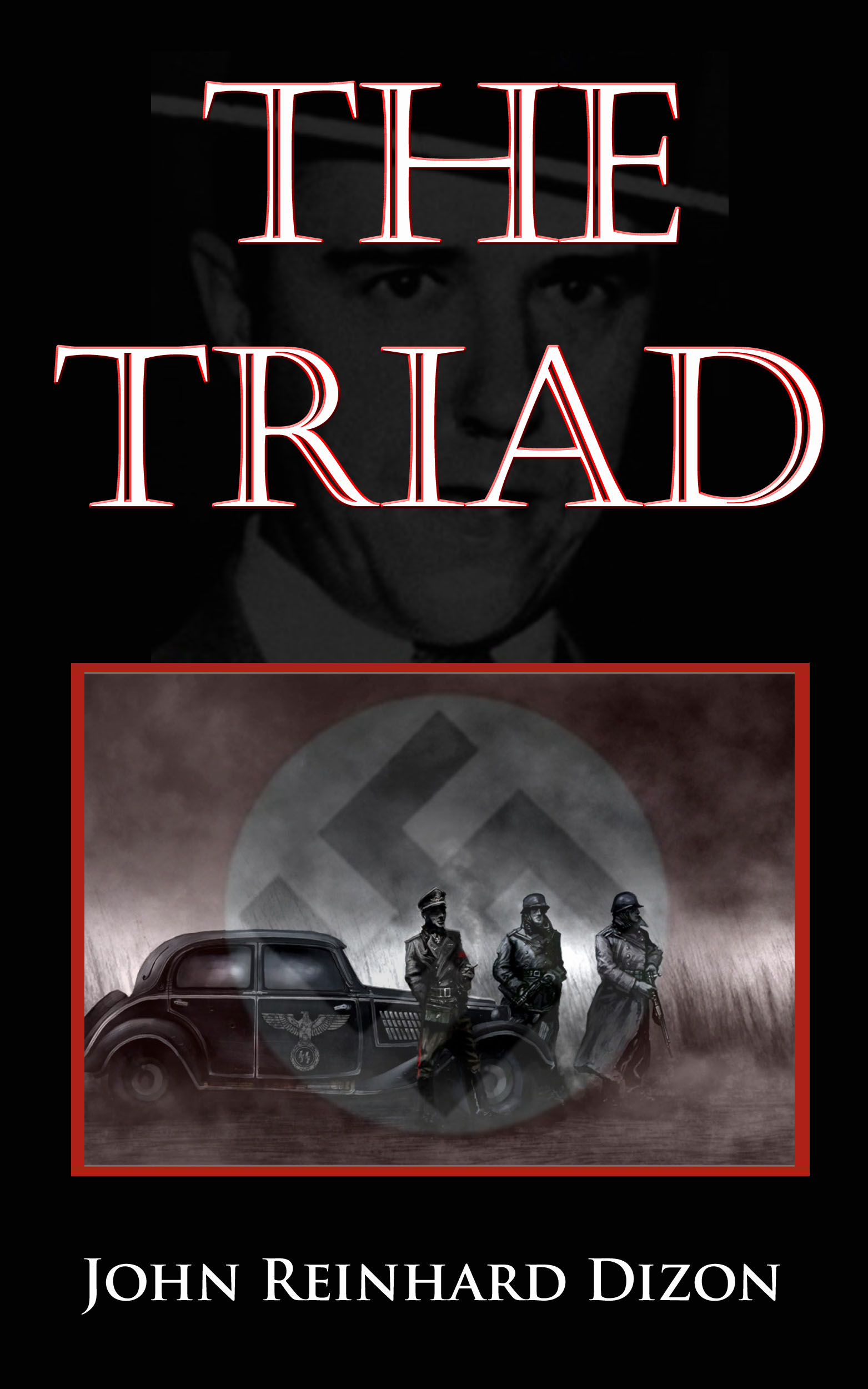
THE TRIAD: An Action-Packed Slice of Pre-WWII History

TheTriadCover1 copy

The period leading up to the USA’s involvement in WWII is often overshadowed by the war itself and its explosive ending. Wars don’t suddenly erupt, however, but evolve gradually as various events transpire that lead in that direction. This exciting story is based on covert plans by the Axis powers to weaken USA leadership by assassinating key individuals and thus lessen the chance of US involvement which would hinder their likelihood of success. Their assassination squad dubbed “The Triad” has targeted Harry Truman, Dwight Eisenhower and Franklin Roosevelt. Aware of the threat, the FBI brings in Alvin Karpis, a mobster stashed away for the long-haul on Alcatraz, to assist in return for his parole. He insists on some cronies enjoying a similar benefit, which is agreed upon, and the chase begins.

Author John Reinhard Dizon’s action-packed story illustrates the connections mobsters maintain and their ability to orchestrate elaborate plans. Its fast pace never lets up, assuring a breathless dash from coast to coast as Karpis et al accomplish their mission, leaving you wondering at the conclusion just how sane Karpis really was given the fine line between genius and insanity.

BUY LINK TO AMAZON

CONNECT WITH AUTHOR JOHN REINHARD DIZON

Facebook: https://www.facebook.com/johnreinharddizonUSA

Amazon Author Page: http://www.amazon.com/John-Reinhard-Dizon/e/B00DU9JNUQ/

Twitter: https://twitter.com/JohnRDizon

Dizon’s “Stxeamtown” Elevates Steampunk to its Best Satirical Potential

“Stxeamtown” by John Reinhold Dizon was my introduction to the “steampunk” genre which I didn’t even realize existed at the time.  I saw it as a hilarious satire, which apparently is the intent of the genre generally.  This particular book operates on so many levels that it can only be compared to such works as “The Wizard of Oz,” “Alice in Wonderland” and Orwell’s “Animal Farm.”  Readers of all ages can enjoy its genius though if you choose to read it as a bedtime story your young children may not understand why you laugh uproariously from time to time.

This brilliant satire creates a vivid post-apocalyptic world in which the few survivors following the “Big Bang” form a variety of societies.  The teenage protagonist is Trip Nortel, short for Amitriptylene, his name credited to the custom of finding baby’s names in pre-Big Bang formulary volumes.  Trip is an Abovegrounder, a subculture that lives on the rooftops unbeknownst to the Grounders below due to a perpetual cloud of water vapor that obscures visibility; steam is the primary power source, having been rediscovered following the Big Bang.  Abovegrounders are held to strict rules, including the need to be obsequious toward tyrannical “young-uns” by meeting their every demand.  Those who don’t follow the rules are “crossed-out,” i.e. given a lobotomy, and sent to the ground below.  Those who don’t make trouble don’t fare much better since upon reaching the ripe old age of 30 they, too, are banished.  The rules are enforced by Big Boys who maintain limited contact with Traders below.

Trip falls in love with Lyrica, another Abovegrounder who lives on a different rooftop.  She’s not only beautiful but wears stitched clothing rather than the wraps worn by most of the others. The two exchange Morse code messages in which they express their affection and finally the day comes that Trip finds his way to Lyrica and the pair makes a precarious escape to the ground, some rooftop friends subsequently joining them.

Once amongst the Grounders, Trip immediately connects with influential people who advise, “He who moves the most paper is the one who goes farthest ahead.”  He’s quickly dressed in stitched clothing like the others in styles reminiscent of Dr. Seuss’ world of fantasy.  Eager to learn, he soon finds himself elevated to the upper echelons of society.  The hero and his girl are instrumental in instituting numerous changes, including starting a school system to educate the Idiots, i.e. those “crossed-out” and cast from the rooftops, so they can reach their full potential.  Things get more complicated as their Abovegrounder friends lament receiving unequal benefit from Trip’s influence and stir up trouble by associating with the Traders Guild and the Society of Black Beards who enjoy strong drink. The complications of the culture clash that follows are ultimately solved and of course everyone lives happily ever after.

While this tale is presented in a style similar to the best of fairy tales, more sophisticated readers will be greatly entertained by recognizing the allegorical themes running throughout the surprisingly intricate plot, colorful characters and their societal predicaments.  Dizon’s dry wit is only matched by his genius in creating this must-read allegorical tale that bears a striking resemblance to the world in which we live.

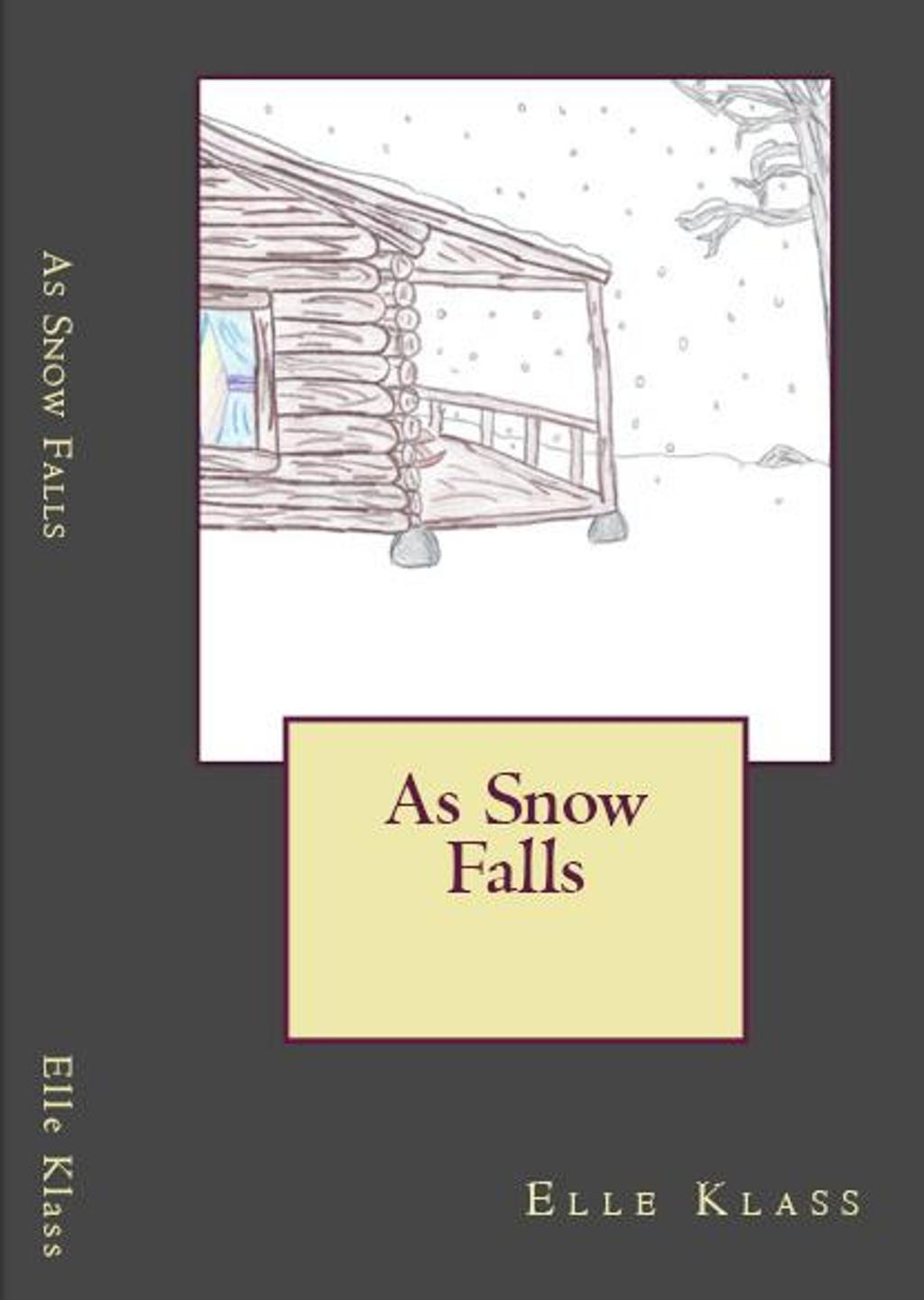
“As Snow Falls” by Elle Klass — A Simply Beautiful Story with a Deeply Profound Message

new cover 2

First of all, this is an excellent model for anyone who would aspire to write a personal history. The story’s easy and sometimes random flow of reminiscing demonstrates the simple memories and events which make a person come alive. It’s the daily routine from which we evolve even though the unusual experiences often change the course of our lives. As far as I recall, the woman whose life is recounted never gives her name, yet oddly enough this anonymity served to personalize it even more.

This story’s rendering is as unique as its enigmatic cover, which fits perfectly as you journey through the memoirs of a woman who has experienced the kind of life most of us would want; one with loving parents, kind siblings, faithful spouses and children who honor their parents. On the surface this could be considered too idealistic and even be a put-off to readers who have experienced divorce, abuse or perhaps harbor bitterness toward past events as well as anyone who sees it solely on the superficial level. On another more spiritual level it’s an effective allegory for what each of us may experience when the time comes as viewed through one woman’s life as it parades before her while she lingers at death’s door. Of course the season is winter, so often used as an analogy for the declining years and end of life, an archetype which operates at the subconscious level and makes the message more powerful.

I suppose this book hit home for me not only because I am now a retiree looking back on my life but also as someone who was raised in a family which gave even the Bunkers and Bundys some level of appeal. My upbringing was far from ideal and I likewise raised a family with a less than illustrious history regarding interpersonal relationships. Nonetheless this sweet story helped me remember the good times even while grieving for that which never was. Its pages chronicle the life so many aspire to yet never achieve, one of intergenerational love and dedication accompanied by an easy flow of income that precludes the stress and trials of financial woes. Unrealistic? Of course. Idealistic? Ditto. A person lacking depth could see this story as schmaltzy and sentimental. Yet without an ideal before us how can perfection be visualized much less attained? The question we should ask is not do such families exist but rather why not?

Another element this story captures at the soul level is that of meaning, that there are connections between us all. There are no coincidences. Everything happens for a reason and there’s a lesson in every experience. Beyond all else it begs the question, “Until we can each get along and perfect our families how can there possibly be hope for the world?” Its message will stay with me for a long time, a book I’ll never forget.

messup

Connect with Elle:

Facebook: https://www.facebook.com/ElleKlass

Website: http://elleklass.weebly.com

Twitter:  https://twitter.com/ElleKlass @elleklass

Blog: http://thetroubledoyster.blogspot.com

Amazon Link:

http://www.amazon.com/As-Snow-Falls-Elle-Klass/dp/1482779706/


Interview with Author T.L. Chester

TLCHESTER2014
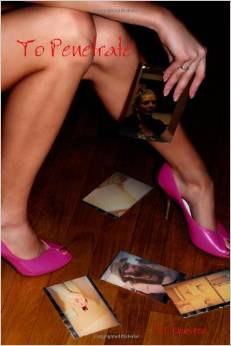
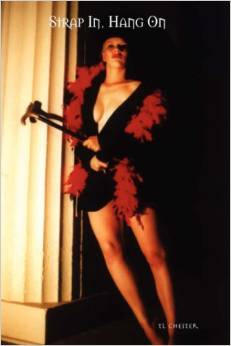
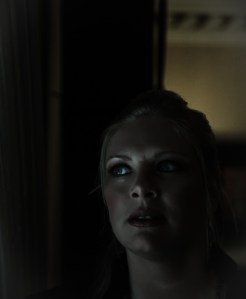
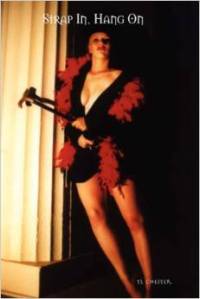
T.L. Chester is a highly creative individual with an exceptionally original and captivating style in both her literary and photographic endeavors. I found To Penetrate one of the most intriguing and suspenseful books I’ve ever read. Her first published work, a book of poetry, entitled “Strap In, Hang On,” is an apropos description of what it was like to read her novel, a warning of sorts which certainly reflects upon an amazing and interesting author who bears watching.

MF: Your first published work of poetry, “Strap In, Hang On,” obtained some excellent critical reviews and then spawned a rather lengthy and lively discussion amongst the reviewers, many comments of which were deleted by Amazon. What was your take on all the fuss?

TC: This was my first publication, and the expression itself was more for the love of it, and I can only hope readers sincerely enjoyed it. Grady Harp is notorious for Amazon reviews and has been slated to determine the fate of future authors. In my case, the review was very critical, such that his fans didn’t appreciate it, and I greatly appreciated their support, it became a controversial matter on Harp’s turf.

MF: It appears that your poetry was an outlet for painful experiences and events in your life, much of which was quite personal. What motivated you to share that with the world?

TC: We all have these things we must overcome over long term, and event inspired. It was an accumulation of all those events that the only justified thing to do was a creative outlet. We are all going through something; we are all experiencing this rollercoaster. It was therapeutic in nature, and turned into sharing. Sharing these thoughts in community speaking events, online through blogs and various outlets created a demand and that’s how the first book was born.

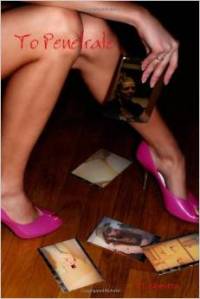
MF: Your novel, “To Penetrate,” is described as “a deeply chilling tale of psychosomatic secrecy and unveiling, “and a psychological thriller suitable for the “instinctual reader who appreciates nonlinear stories.” I found it yanked me in and didn’t let me go until the last, incredible page. How did you come up with the idea for this story?

TC: My thought process is certainly fragmented, but I thoroughly enjoy organizing processes. Though I had done various works with short stories for publications, I had never created a book like this. My thoughts for this book came through various concepts, a song might have inspired a chapter, a symbol had relevancy to the characters, so I kept notes, what inspired this and what I planned to do with it. The story was just somehow always there. After noting all these concepts over time, the book wrote itself, it was the transitional pieces that took time; this very much explains why there are so many eggs.

MF: What is your favorite part about the creative process?

TC: Purging is my favorite part of the creative process. I’d be lying if I said there was no part of me in what I write. It’s a creative expression of what it might be like to be in someone else’s shoes, feeling life in a manner that I may not understand, or see things from a perspective I don’t currently know. Getting a peep of the world in a way that I may not yet comprehend gives me a truly deep appreciation for what I have been through in life, and some faith that we are all connected. Capturing that, making note of it and putting it back out in various works is the only thing that gives this meaning for me.

MF: What are you working on currently and when do you plan to have it released?

TC: I am working on a precursor for To Penetrate. This book is not as subtle in story, I am aware that To Penetrate in comparison is methodical and sometimes gory, but slight in giving clues for those who love to pick up the pieces. Other works currently include a complete biography that I am currently ruminating on, and a philosophy book.

MF: Can you tell us a little bit about it so we know what to look forward to? Will it be similar to “To Penetrate” or entirely different?

TC: The next book is a precursor to a series of events in To Penetrate & can be a lot to take in; it’s probably comparative to the movie Se7en in terms of being in your face and has explicit adult content. The biography is another work that is personally significant. My philosophy book is to shed light and criticism on current affairs and hopefully will create conversation around dogma.

MF: You also have two photography books out, “Miscellany,” and ”Idiosynkrasia,” which provide another dimension of your talents. Was there anything in particular that inspired them?

TC: I had begun writing as a result of my involvement in various events that created a demand, after publishing and my works started to receive reviews, I would then get requests to be the critic, or participate in entertainment pieces, political satire, and the like. I have always had a natural interest in photography, and it’s just too easy if you are as inclined with technology as it stands. Needless to say as I had participated in entertainment journalism I would naturally take pictures, sparing my stint in photojournalism that turned into more publications over time.

MF: Can we expect any more photography books in the future?

TC: I may be inspired as I developed more as a photographer and would like to do so; currently I am producing material for brochures, calendars, contributing pieces for entertainment publications and so forth.

MF: How would you describe the synergy between your writing and photography?

TC: These are such incredible questions. My photography, at its best captures a feeling that can’t be described, but we all can feel just in observing, “that moment”. I hope my writing, captures what we can’t see and need the picture painted.

MF: What else do you enjoy doing besides photography and writing, as if that isn’t enough! Any other creative endeavors or outlets?

TC: I promise I am not an adrenaline junkie, I am not. I do find that I need inspiration. I have always enjoyed exploring. Currently I enjoy flying lessons; I also have begun diving, as well as a variety of dancing sessions. I am a foodie, and like to try new restaurants. I am fortunate in that people in the community know me, and I am called upon to participate in writing or photography of events and that gives me a lot of exposure, maybe more than I care for at times. I very much enjoy the heavens, astronomy, astrology, and the like. If you ever have to wonder about my writing, and are in the know, my Pluto is in the 5th house, & Mars Conjunct Jupiter are an aspect in my chart, and if you’re not, there’s always Google.

BOOK LINKS
To Penetrate
To Penetrate: http://www.barnesandnoble.com/w/to-penetrate-tl-chester/1111341865?ean=9781105692048
Strap In, Hang On
Strap In, Hang on: http://www.barnesandnoble.com/w/strap-in-hang-on-t-l-chester/1015235916?ean=9781435700871
miscellany
Miscellany: http://www.amazon.com/Miscellany-Tl-Chester/dp/0557058090
Idiosynkrasia
Idiosynkrasia: http://www.amazon.com/Idiosynkrasia-TL-Chester/dp/0557038715

SOCIAL MEDIA LINKS
Website: http://tracylchester.wix.com/tlchester#!__bio
Facebook: https://www.facebook.com/pages/TLChester/294383153916470
Goodreads: http://www.goodreads.com/author/list/4289805.T_L_Chester
Blog: http://journalistauthortlchester.wordpress.com/2014/07/17/sensual-jams/
Twitter: https://twitter.com/tracy_chester

PRESS RELEASES
Strap In, Hang On: http://www.prleap.com/pr/98273/
To Penetrate: http://www.prleap.com/pr/186187/
Pre-release Review of Elle Klass’ “Baby Girl 3: City by the Bay”

Tomorrow, July 15, is the big day for Elle Klass’ latest sequel in the “Baby Girl” series. Here’s my review:

“Baby Girl 3: City by the Bay” continues the saga of Cleo, a girl abandoned as a child and on a quest to discover her true identity. This latest installment of the popular series of novellas finds Cleo, now known as Shanna Nu, in San Francisco where she hopes to uncover more information pertaining to the disappearance of the woman she knew as her mother. Cleo is acutely aware of cryptic letters the woman left behind warning her that her life could be in danger as she nonetheless persists, more determined than ever, to discover who she is. She conveniently obtains a job with a seasoned ex-cop turned private investigator named La Tige where she acquires a variety of new skills as well as access to new information in police files. As she gradually unravels the past the more tangled it becomes as she continues to pick through the various threads and close in on the truth.

This episode is filled with additional mystery, intrigue and adventure as the story and plot deepen. Amid the challenges and sometimes shocking revelations, Cleo is gradually discovering who she is at the core even if her actual identity still eludes her. Readers following this series will enjoy the ride as new dimensions of the story are revealed as well as witnessing Cleo’s evolving maturity. She still may not know her legal identity but she is beginning nonetheless to know exactly who and what she is, a discovery that everyone must encounter sooner or later.

baby 3 cover 2a

Confessions of a Reviewer from Hell – Part Four

As a person who worked in a technical environment for two decades, I have to admit one of my pet peeves is when details relevant to a novel are ignored or inaccurate, particularly when they relate to the protagonist’s or key characters’ livelihoods. If you’re going to place him or her in a particular career or situation such as a police investigation or military setting, then you should know something about their SOPs (Standard Operating Procedures). Otherwise, especially if one of your readers is familiar with such an environment, they’re going to be put off by inaccuracies or glaring errors regarding how that particular field operates. Do you really want someone from one of those professions to pick up your book and laugh themselves silly? Probably not. Not only will you lose a potential fan but may garner a scathing review which will discourage other readers.

Understand that people in most professions including big business, the military, aerospace, law enforcement and most other fields, even including those who labor in fast food establishments, tend to speak their own unique language, often replete with various acronyms. If you want your story to sound authentic then you need to reflect those details in your story. In other words, if you’re going to write a medical thriller then you’d do well to learn some physiology so those gory scenes are accurate and be familiar with emergency room procedures and jargon. In case you haven’t noticed, novels that make it to “Best Seller” status tend to meet these standards of accuracy.

If you’ve followed this blog from the beginning you’re probably getting tired of hearing this, but if you’re going to do something, freakin’ do it right! If nothing else, realize that failing to reflect appropriate details to bring a character, profession or even location to life is a classic example of why authors are continually advised to “Write what you know!” The good news, particularly as far as authenticating a location is concerned, is that as a writer you can vacation in such places of interest and then write off at least part of it as an expense on your income tax. It doesn’t get any better than that. Just be sure to take notes, keep your receipts and not expect immediate book sales to pay off your credit cards from such a jaunt.

If you don’t already know the necessary details through life experience, then you need to do some research. This doesn’t have to be onerous or boring. You can always talk to someone who does that for a living and pick their brain. Most people enjoy talking about what they do and are even flattered that you asked. Use them later as a beta reader to make sure you captured it correctly. You’d be surprised how much more interesting your story becomes when you’ve done your homework. Often new plot twists surface as a result and your finished product will be more convincing and deserving of praise, including by those within or without that particular occupation. If they like it they’ll tell their coworkers and bring more readers and fans your way. You may even inspire someone to go into that line of work as they get a bird’s eye view of what it involves.

The world these days is filled with too much mediocrity. Please don’t contribute to it with your writing. Standards have plunged now that literally anyone who possesses a little computer and internet knowledge (or perhaps sufficient money) can get their novel published in ebook or even printcopy format. No writer today is forced to deal with rejects and a plethora of revisions to get their work published so the incentive to edit and in some cases even run the spellchecker have been lost. Doesn’t anyone own a good dictionary anymore? Okay, okay, I’m one of those weird people who would actually read the dictionary from time to time. I’m not a perfect speller but I can usually tell when a word “looks” wrong and know where to look to find out. My grammar isn’t always correct and one thing I’ve never mastered was punctuation, especially the use of commas. I admit it, I’m far from perfect. But I’m closer than I was 30 years ago.

Please. If you must produce sloppy work, keep it far away from me. If sufficiently provoked by bad writing I can become “The Reviewer from Hell.” Of course that depends on your attitude. Regardless of which stage you’re in as a writer from stark beginner to already published, if you’re a true professional and want to know the truth, then I may be able to either help you move in that direction or validate your efforts as on-track.

That said, before I close what has turned out to be a rather lengthy blog/rant I have one more thing to say: All I’m really trying to do is make this a slightly better world for readers of Indie authors, one sentence at a time.

Namaste.

Confessions of a Self-Admitted Reviewer from Hell

Part One

One does not achieve such an honor easily or overnight. As I think about it, I realize that it started when I was a baby. Even before I started to talk I must have been aware of proper speech because my mother told me that I would form the words silently and obviously be thinking about their meaning, yet didn’t say anything out loud until I was three. Since I was an only child it was easy for her to find time to read to me and I was reading myself by the time I went to kindergarten. I remember sitting in first grade wondering why the other kids didn’t know what the words were, probably the first rumbling of that internal editor coming to life.

I learned how to write thank you notes as soon as I could hold a pencil and started writing letters to my favorite aunt about that same time. My mother was a perfectionist (yes, a Virgo, for those of you who know anything about astrology) and thus always corrected my grammar. By the time I reached 6th grade I was writing stories for the enjoyment of my fellow students (science fiction stories, I might add, mostly related to the planet of origin of our teachers).

Around that same time my mother taught me how to use a typewriter. An old manual one that took some serious effort to command the keys. Years later after I graduated from high school I took a typing test at a job agency where I achieved 98 words per minute with two errors. Putting words on paper were obviously never a problem. While everyone else hated essay exams I loved them. Even if I didn’t really know the answer I could B.S. my way through because I’d write so much the teacher probably got tired reading it and would just give me an A. Many years later when I worked as a NASA contractor and did quite a bit of technical writing, one of my bosses nicknamed me “The Mistress of Bullsh*t.” I was flattered, of course.

But there was one catch to all this. I had no confidence, in my writing or anything else. My mother’s criticism permeated every aspect of my life, including the one thing I was good at. It inhibited my creativity for fear whatever I did was not perfect. If you’re a parent, give that some thought. This is not to say that a parent should tell their child that something is prize winning material when it’s clearly not but honesty cuts both ways. If it’s good, say so, and it doesn’t have to be perfect. There’s a difference between coaching and criticism. If you don’t know the difference, then figure it out. I mean it.

Nonetheless, I loved to write, mostly nonfiction and journalistic articles. I worked as a stringer for a small hometown newspaper for a while. I can’t even remember how many newsletters I’ve edited, many of which I created in the first place, back when they were written on a manual typewriter and duplicated on a mimeograph or ditto machine. Some of you probably don’t even know what they were, those early precursors to modern day copy machines. I’m talking about the days before Kinkos much less home laser printers.

If you’re a writer who doesn’t remember those days, give it some thought. Would you have had the patience and perseverance required to retype an entire manuscript? That was business as usual for us old-timers. Yet that is how it used to be. Could that possibly explain the quality of books available back then versus now, when you’re always at risk of purchasing a real dog of a story filled with typos, grammatical faux-pas’, cardboard characters and an inconsistent plot? Might someone consider your book a dog?

Think about it.

(To be continued)