Historical Fiction at its Best

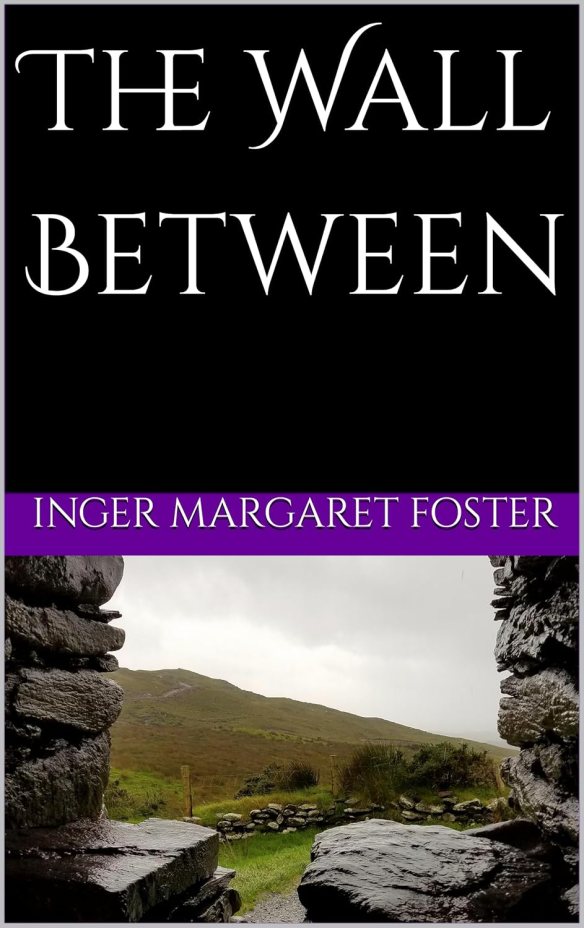
Cover of  the book "The Wall Between"

Review of “The Wall Between” by Inger Margaret Foster

My binge marathon on Inger Margaret Foster’s books continues!

The point of historical fiction is to take you to some time in the past and live it. This story definitely does that and more! I’m old enough to remember much of what went on back in the 70s. I also remember when President Ronald Reagan told Gorbachev to tear down the Berlin wall. But never did it have the impact as it did in this amazing tale of a couple separated by it and the horrible policies that were in place when East and West Berlin were separated.

That was the situation at the end of WWII when Communist Russia got East Germany and the allies got West Germany. What it required to cross from one side to the other was solid identification, then being escorted by an armed guard who kept his eye on his watch to make sure the meeting didn’t go longer than it was supposed to.

I’m glad that I read “Elke’s Magic” first, though it’s not required. Nonetheless, it gives you a glimpse of the situation and you get to know the main character. You can also understand why Elke missed her idyllic little cottage back in the States. When she was washing dishes in her humble apartment in West Berlin and remembering the dried herbs hanging above her sink in her little house I could so totally relate! When I lived in Texas I was able to grow a multitude of fresh herbs that I dried in the house, just like that. I hope to be able to do so again, maybe next year, though some won’t survive where I live now in New York State, where it’s so much colder.

I absolutely loved this story and it touched me deeply. I read it in a single sitting, unable to put it down. Highly recommended to understand what the people in Germany went through during those dark and trying years.

You can get your copy on Amazon here, for free if you subscribe to Kindle Unlimited.

The Dark Side of Eclipses: Do the Heavens Still Issue Warnings of Things to Come?

I thought this book would be around fifty pages and concentrated on the eclipses that were visible in the United States. Was I ever wrong! Once I got started I found this trail of cosmic breadcrumbs that took me down the rabbit hole of over 300 pages worth! Have a peek at the back cover:

You’ve Been Warned. . .

Our ancestors didn’t understand why eclipses happened, but their meaning was clear: The gods were not happy. Ancient Greeks figured out the mechanics sufficiently to predict their occurrence.

Why bother if they were meaningless?

The “Enlightenment” threw anything unproven in a laboratory based on 18th Century science out the window as “myth and superstition,” such as astrology. If so, why did certain elite groups such as the Rosicrucians and Catholic Church continue to practice it? A devious move, perhaps, to keep this powerful tool out of the hands of the common man? Why else do they claim, “Millionaires don’t use astrology but billionaires do?”

Ignoring the truth doesn’t change the truth. The heavens still speak. The Holy Bible states the stars and planets were given “for times and for seasons.” God hasn’t changed and neither has His promise. Sadly, even churches no longer pay attention, but condemn astrology as “of the devil.”

How can God’s creations be from the devil? Who would say that other than the devil himself?

Biblical prophecies are corroborated by similar predictions from other religions and indigenous peoples. They’re coming to pass at an astounding rate, though the dumbed-down masses remain oblivious to their importance.

The Great American Eclipse in 2017 was visible from coast to coast. Its symbolism indicates a country divided. In October 2023 another solar eclipse path crossed the country with another coming in April 2024 that will cross them both.

What did the October 2023 eclipse tell us? Its path paralleled the U.S. Southern Border. Did it implicate the immigration crisis?

What will the total eclipse on April 8, 2024 deliver? The paths of all three form two ominous “Xs” on the United States. Do these figurative crosshairs indicate God has had enough?

Discover how these “signs in the heavens” predict the downfall of the United States as physicist and professional astrologer, Marcha “Whobeda” Fox, interprets their symbolism alongside subsequent events.

Buckle up, America. You ain’t see nothin’ yet.

Obviously, I took a sabbatical from writing fiction to go back to my training and experience as an astrologer to investigate what eclipses have to say. I found witnessing the 2017 total eclipse deeply troubling. I could understand why such events terrified our ancient ancestors. Later, I read that when an eclipse path crosses a country, it divides it.

And that’s exactly what happened.

Now, seven years later, we’re about to have the third eclipse path slash the U.S.A., which has never been in more precarious shape than it is right now. How can you look at this picture illustrating them without feeling in your gut that this can’t be good?

What seemed most ominous are those intersections, as if God and the Universe as X’ing out the U.S. Particularly, what’s going on in those locations?

The one in Southern Illinois is right on top of the New Madrid Seismic Zone. The one in Southwest Texas is not far from Eagle Pass, where the immigration crisis is hotter than ever.

The number of rare, celestial events between March – April 2024 is unprecedented. What are they telling us?

Find out what eclipses have been telling us all along.

Get your copy in hardback, paperback, or ebook format on Amazon.com at the affiliate links below.

Hardback

Paperback

eBook

Order an autographed copy directly from the author.

Review of Nancy Red Star’s “Star Ancestors: Extraterrestrial Contact in the Native American Tradition”

This book is a masterful work of art in addition to containing a collection of personal experiences from members of several different tribes. These include Navajo, Mi’kmaq, Abenaki, Seneca, Cherokee, Tarahumara, Maya, Olmec, Yaqui, Creek, and Choctaw.

Though testimonials about UFO encounters are included, the majority of the book is on a more spiritual level, dealing with other types of connections with the Star People. These include the importance of ceremony, previous lost civilizations from millennia ago, high technology in the distant past, the origin of indigenous people, and prophecies of the future, which is upon us now.

The book has been around a while, the original copyright in 2000, then renewed in 2012. In today’s world that’s a long time and many things prophesied that may not yet have occurred by either of those dates have by now.

I think my favorite section was “We Wander This World with a Purpose” by Mali Keating. She spoke of the Hopi, where they came from, and their numerous prophecies. Here’s an excerpt of one section that explained so much about our modern world.

“The Anasazi were a people left over from the migration. The people were told they must never stop and build cities, but of course some did…. Cities make people crazy, as we all know. People become greedy and lose the ability to work together.”

Here’s another, that may not have been as apparent when this book was first released as it is now:

“The Hopi said that they would know that the end is coming when roads crisscrossed this continent like the web of a spider–those are the vapor trails of airplanes. You can see vapor trails like the webs of spiders in the sky.”

Actually, roads on which we drive crisscross the continent, too. Those trails in the sky,  however, are not vapor trails, they are called chemtrails. Vapor trails are condensation from normal airplanes whereas chemtrails are chemicals such as barium and aluminum being deliberately sprayed in the atmosphere to supposedly combat climate change. This, like so much else out there today, is a lie. If anything, they are causing the climate to go crazy by facilitating weather manipulation.

There are numerous photos of indigenous art and the layout of the book itself is genius, between Nancy Red Star’s commentaries before each entry to her free verse poetry at the conclusion. Reading these stories is not just informative, it’s an experience of another realm beyond what meets the eyes.

A realm that Native Americans and all indigenous people understand.

May we all learn from their ancient wisdom before it’s too late.

5-stars, Highly Recommended

Available from Amazon and InnerTraditions

“The Klansman’s Wife” by Scott Skipper

klansmanswife

First of all, I know that I’ve been absent from my reviewing duties for a while now. That’s  because I’ve been up to my eyeballs writing a story that began as a cozy mystery that expanded into a thousand-page conspiracy thriller which has required an astounding amount of research. I truly hope to get at least the first book out in a few months. I expect it will be worth the wait.  Recently I took a trip, however, which gave me time to read on the plane and this was the story I selected. It definitely made the miles fly by at a rapid pace.


The title alone constitutes a spoiler though this cautionary tale definitely drives the message home. Set in South Carolina in the 1970s, this gripping story captures the dark side of the south in the post 60s Civil Rights era. This culture was entirely off the radar of those who lived in other parts of the country and deserves to be read for its education value alone.

I have to smile at the main character’s name, Mason, a Californian who definitely has some interesting revelations and adventures upon venturing below the Mason-Dixon line. A young man in his late 20s who has recently lost his job and been divorced by his wife accepts employment at a company in South Carolina that manufacturers machines used in the printing industry. From reviewing ECRs (engineering change requests) to interactions between employees with a variety of educational and cultural backgrounds, the author did a great job capturing the work climate of such a facility which included plenty of gossip and the inevitable backbiting. It was easy to visualize the environment and feel as if you, too, were an employee observing the drama and goings-on.

Mason is immediately attracted to a flirtatious woman named Jill. Despite warnings that her abusive husband is the Grand Knight of the local KKK, he pursues a relationship with her. As expected, he is attacked and harassed in a vicious manner, any relief from law enforcement nonexistent since they are also members of the Klan. His obsession with her is not to be doused, however, and ultimately becomes coupled with compassion and the desire to help her escape her abusive marriage.

Further description will definitely tread upon spoiler territory, though I’m sure just about anyone can figure out that this is probably not going to end well. Actually, the ending does carry a few major surprises, though the author did a good job of alluding to them. This suspense-laden story is not only a warning not to allow your libido to lure you into dangerous situations, but also provides a glimpse into what it was like in the Deep South a half-century ago. While some of it has improved, it’s still a place immersed in echoes of a culture that few outsiders understand.

Scott Skipper is one of my favorite authors, particularly his Alien Affairs series. Being much darker, this novel lacks the dry humor found there, but his skilled writing style and attention to detail make it an outstanding read.

As mentioned earlier, I read this story while on an airplane. As I was about to get into my car in the remote long-term parking lot I heard a shot. Duly sensitized by the action in the book, I ducked, wondering what was going on and whether I was in mortal danger. Then it dawned on me that it was New Year’s Eve and all I’d heard was a firecracker.  Nonetheless, it illustrated the author’s skill in pulling me into the story. Don’t miss it.

You can pick up your copy on Amazon here. You can learn more about Scott Skipper and his other stories through his social media links below.

Official Author’s Website www.ScottSkipper.com
Facebook.com/Scott Skipper
@SSkipperAuthor

“Kicker” by R. Grey Hoover: The Perfect Read to Celebrate #VeteransDay

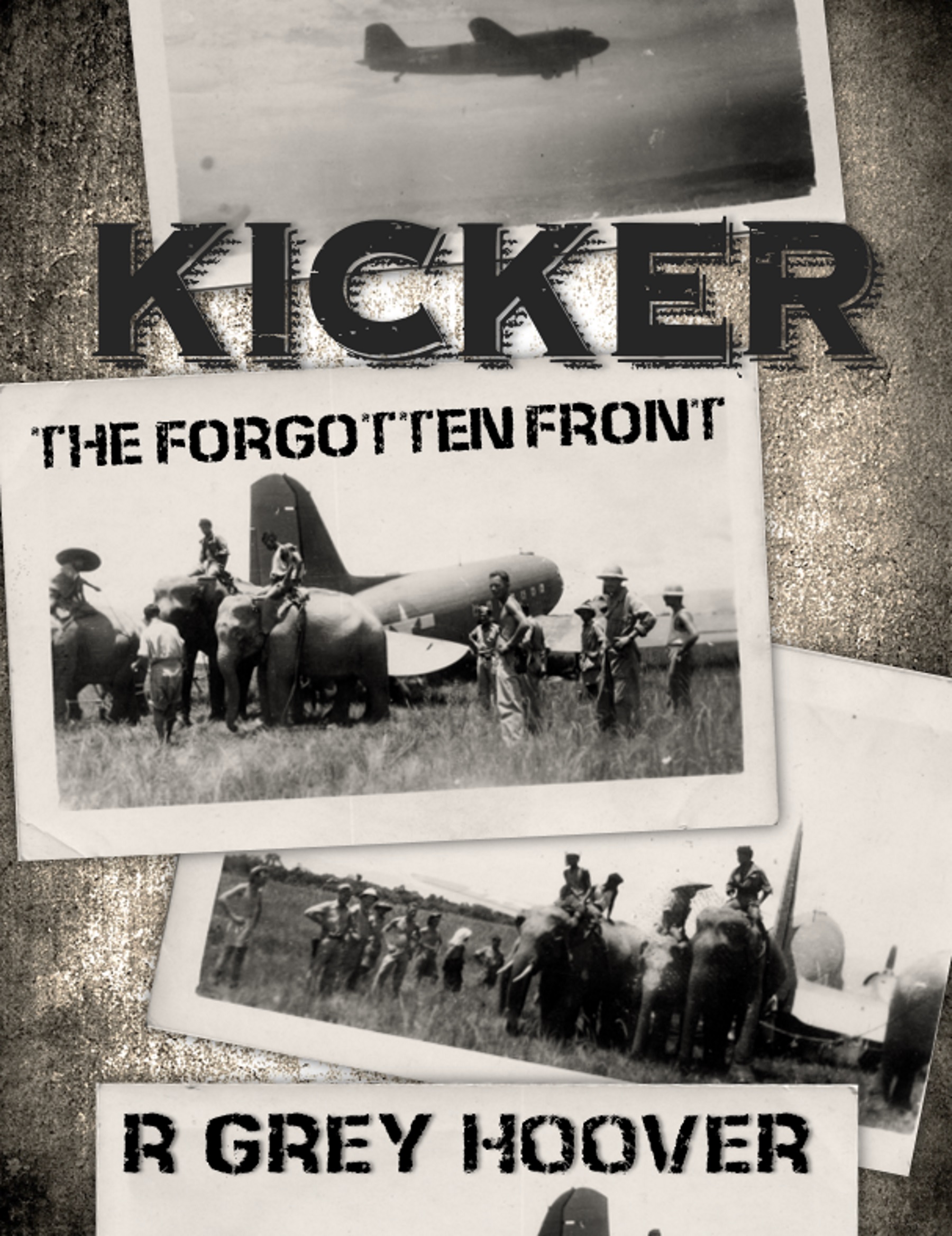
Kicker Cover

#FREE on Amazon November 9 – 11! Get your copy today! Amazon Link

World War II is raging. A young father must choose between his family and duty to his country- a decision that could cost him everything.

Based on actual experiences of United States veterans and official military aviation history records from World War II, this is the thrilling story of a family’s journey into war. While his loved ones struggle with shortages and rationing at home, Sam endures relentless Japanese attacks against his unarmed aircraft over the treacherous mountains and torrid jungles of Asia. His job is to drop supplies to Merrill’s Marauders and over 750,000 allied soldiers fighting in the perilous jungles of Burma. If the enemy is not stopped, the American way of life will end.

If you like non-stop action with a touch of humor and romance and the chance to learn about the “forgotten front” of WWII, then this is the book for you. I dare you to read the excerpt below and not absolutely HAVE to read this story!

Amazon Link

EXCERPT

April 4, 1944 – Dinjan Airbase, India

                Sam and Bobby Joe were totally exhausted when they crawled into their charpoys. The harrowing events of the day had taken its toll on them physically and mentally. In spite of the heat and noise of the jungle, Sam felt the blessed relief of sleep approaching soon after his head hit the pillow. However, as he drifted off, a feeling of unease came over him. It was a feeling that something was wrong, not here in India, but at home. He didn’t know if he felt uneasy because he still hadn’t received mail from home or because of some unknown reason, but the feeling stayed with him until he finally succumbed to his exhaustion and slipped into a deep sleep.

Thankfully, his slumber was not disturbed by his recurring nightmare, and he slept soundly until the wee hours of the morning when he suddenly awoke not knowing what had disturbed him. A light rain was falling outside, and except for an occasional flash of distant lightning, the basha was in total darkness. He lay very still, listening to the sounds around him. He strained his hearing, but no sound came except for the steady breathing of the sleeping men around him. After several minutes, he relaxed, thinking his imagination was playing tricks on him. He was almost asleep again when he thought he detected a faint unfamiliar sound coming from somewhere in the basha. Once again, he listened intently, not sure he had heard anything; but then he heard the sound again—only this time it seemed closer, and he was sure it came from within the basha. He couldn’t quite place the sound, but it seemed like something soft brushing against an object. He listened closely, but all was silent. None of the other men in the basha stirred, and after an extended period of silence, he relaxed once again in anticipation of sleep.

He was in that dreamy state just before slumber when he felt the presence of something or someone nearby. Once again, his senses came to full alert, and he made a conscious effort not to move. He listened carefully, bringing all his senses to bear. He could see or hear nothing, and yet he was sure something was there. He was startled when someone at the other end of the room moved, but then all was silent once again. He was lying on his back, so he slowly moved his head to the right and scanned the darkness.

At first he saw nothing, but then attention was drawn to a slight movement at the foot of his bed. He couldn’t make out what it was. It appeared to be an undistinguishable shadow against the darker background of the room. As he watched, the shadow moved, and he held his breath as it silently glided along the side of his bed. There was no sound as it moved, and it slowly drew nearer and stopped near the head of his bed. He could tell that it was something large, but due to the extreme darkness, he was unable to see what it was. His instincts told him this was something dangerous and evil, and the hairs on the nape of his neck stood erect. At that moment, a distant flash of lightning faintly illuminated the scene, and in that instant of light, Sam could see the large form of a tiger standing beside him.

The animal’s head was enormous. Its eyes, momentarily reflecting light from the faraway lightning, gave the beast an evil, devil-like appearance. This was death incarnate staring directly at him.

Sam was frozen with fear, and his heart seemed to stop. His .45-caliber pistol hung on the wall not three feet away, and he cursed himself for not keeping it inside the mosquito netting with him. He knew the tiger could see that he was awake, and he feared any movement would cause it to attack. The animal stepped closer, and Sam could see its dim outline and smell its damp fur and the fetid odor of its breath. The tiger appeared to know its victim was helpless. The great beast took its time as it sniffed the mosquito netting as if testing its strength. Slowly it raised a huge paw and placed it against the puny impediment. The tiger’s claws caught in the netting, and with a mighty swipe, it ripped the flimsy material away from the bed.

ABOUT THE AUTHOR

greyhooverR Grey Hoover is an Air Force veteran with a family tradition of military service that dates back to the American revolution. He wrote his book “Kicker the Forgotten Front” to honor his father and the other veterans of World War II who fought in the China-Burma-India (CBI) theatre.  During the war, the European and Pacific theatres got most of the supplies and media attention leaving the CBI theatre with the leftovers. Even in today’s media coverage of World War II the CBI theatre is never mentioned. The author’s book is an attempt to correct this gross oversight.

R Grey Hoover’s social media links:

Website https://rgreyh.wordpress.com/

Twitter https://twitter.com/rgreyhoover

Facebook https://www.facebook.com/rgrey.hoover

Pinterest https://www.pinterest.com/rgreyhoover/

Blog https://rgreyh.wordpress.com/2018/11/09/2019-tribute-to-veterans/

“Somewhere Between” by Patty Wiseman: Historical Novel with a Paranormal Twist

somewherebetween

This historical novel with a paranormal-whodunnit twist was well-written and had numerous fascinating plot entanglements. The characters were well-drawn and vivid with enough suspense in the story action to keep you turning the pages, wondering who did what and how it would turn out.  I loved the gutsy protagonist, Phebe, whose curiosity was insatiable and tended to get her into trouble as she tried to figure out the secrets behind the Powell family, by whom she’d been hired as a governess for their three lively children.

The “ghost in the attic” was great, eerie enough to be convincing as a ghost and duly mysterious as well. The other household staff members–the cook, butler, and ever the stable boy–were key to the story as some tried to protect the family’s many secrets and how Edmund’s ghost fit into it all. I don’t like creepy, scary type books, but this one was a comfortable bedtime read with it’s suspense directed more at the mystery of how the various characters were connected. All families have their share of secrets, and this one had a plethora of them, many of which were scandalous in the time in which the story takes place but less so, perhaps even considered normal, today.

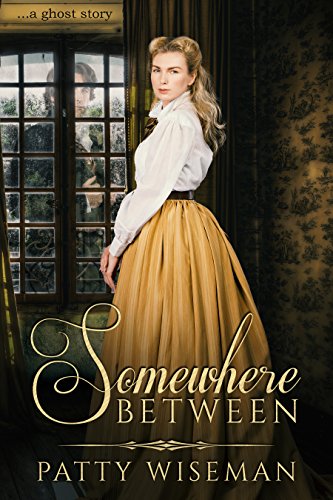
This is a pleasant, easy read and glimpse of a different time. The cover is fabulous and fits the story perfectly.

Pick up your copy on Amazon here.

Ronald E. Yates: Premier Journalist in Fact…and Fiction!

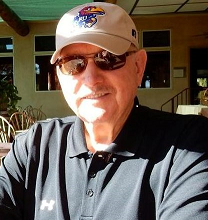
Ron at Southcoast Winery

Today I have the pleasure of introducing you to Ronald E. Yates, former foreign correspondent, professor emeritus, and author of the highly acclaimed Finding Billy Battles series.  If you haven’t experienced his work, you are missing out on some of the finest novels I’ve had the pleasure of reading.  Not only do his characters jump off the page, but you’ll find yourself transported back in time to historical events of which I, for one, had little knowledge or understanding. His stories brought me to an entirely new comprehension of the Spanish-American and Vietnam Wars, as well as how and why the USA is often viewed in a negative light. You can find more regarding my thoughts on “The Improbable Journeys of Billy Battles”, second volume in his series, in my review HERE. I am now an avid fan and hooked on properly researched and objective historical fiction.

Meanwhile, here’s a glimpse of the person behind these landmark works, demonstrating that personal experience contributes greatly to the stuff of which an outstanding writer is made.


MF: You had a long and interesting career as a journalist, not unlike your protagonist, Billy Battles. Does any one particular correspondent assignment stand out above the others? If so, why?

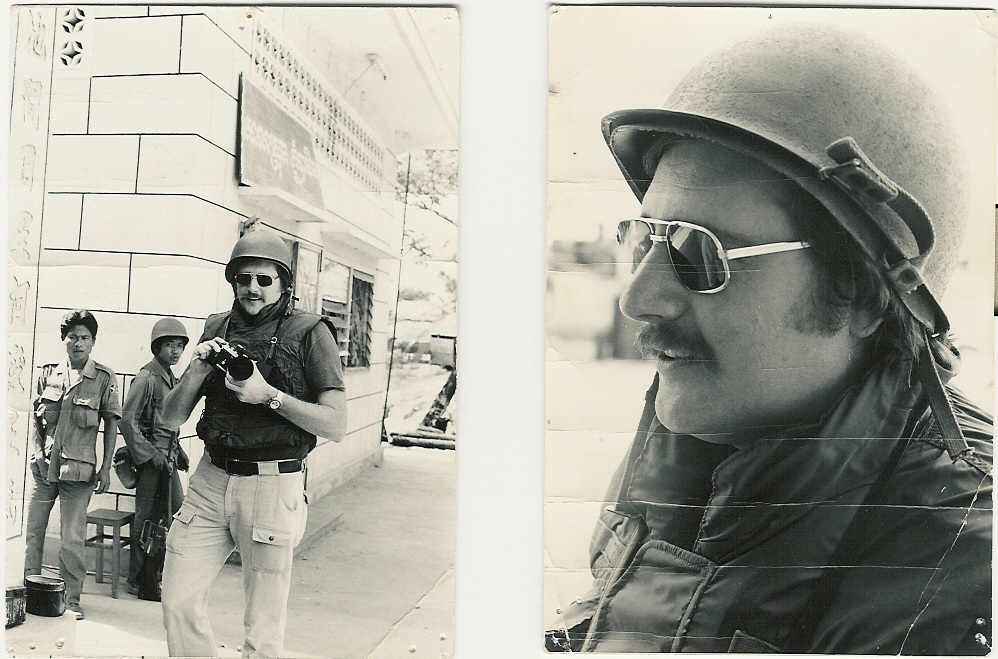
RY: Hmmm. Let me count the assignments. There are several but I would say covering the end of the war in Vietnam between Jan 1974 and April 30 1975. The last day was chaos incarnate. Russian made 122mm rockets were slamming into buildings, 130mm mortars were hitting Tan Son Nhut airport, and the U.S. Embassy was surrounded by frantic South  Vietnamese desperate to get out of the country because they had worked for the American military or some U.S. agency. The city was in full panic mode. Several of us made our way to the sprawling Defense Attaché Office building at Tan Son Nhut and we were finally evacuated by a U.S. Marine CH-53 Sea Stallion helicopter. It was a relief until the door gunner told me later aboard the U.S.S. Okinawa that the pilot apparently had to drop flares to misdirect a SAM-7 (surface to air missile) that had been fired at our chopper.

Every year I post a story detailing the last 24 hours in the fall of Saigon. People can find it on my blog. I could add a few more such as the Tiananmen Square massacre in 1989 and the time I was taken prisoner in El Salvador by anti-government guerillas, but that would take up the entire interview.

scan0015 (2016_01_14 15_27_28 UTC)

MF: One thing that impressed me the most about the Billy Battles stories is how well you maintained his objectivity. I learned so much about historical events that have colored other country’s opinion of America. It seems the old standards of journalistic objectivity have gone the way of landlines and 20 megabyte hard drives. How do you feel about today’s highly biased reporting?

RY: As someone who spent 25 years as a journalist practicing it at the highest levels and then another 13 years as a professor and Dean at the University of Illinois where I taught journalism, I am terribly disappointed and disgusted by the lack of fairness and accuracy I am seeing—especially in Washington. It seems to me that too many journalists today see themselves as subjective opinion leaders rather than impartial purveyors of information that is fair and accurate. Coming as I did as a neophyte into the cavernous news room of the Chicago Tribune back in 1969 right out of college, I had editors who made sure that I didn’t stray from accurate, evenhanded and unbiased reporting into opinion and rumor. When I did, I heard about it from some crabby City Editor.

An even worse sin at the Tribune was the sin of omission. That occurred if you took it upon yourself NOT to report something because doing so might not coincide with YOUR interpretation of the event or your political predilection. Good journalism, somebody once said, is a nation talking to itself. Sadly, it is the public that suffers when journalists become advocates for one party or cause at the expense of providing unbiased news. Some say journalism in America is dead. I won’t go that far. But I believe it is in a coma.  

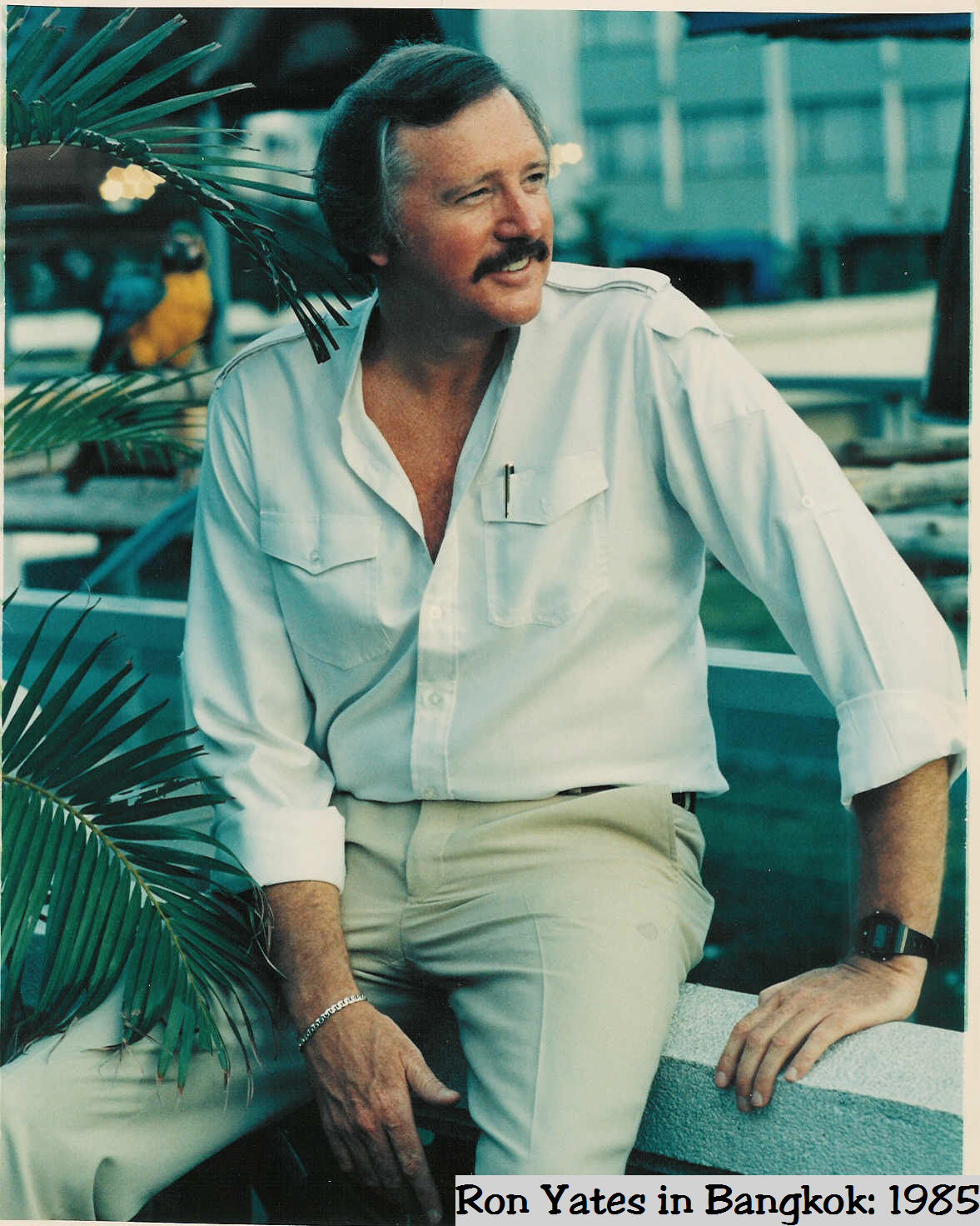
Ron Yates in Bangkok with title 2 (2016_01_14 15_27_28 UTC)MF: Billy is one of the most memorable and realistic characters I’ve encountered in fiction. Did he just spring to life or is he mostly you time-traveling to historical settings?

RY: That is very perceptive of you, Marcha. Aren’t all novels (or trilogies in my case) supposed to be autobiographical in some way? I guess if I’m honest I would agree that Billy is me time-traveling to the past. There are parallels in Billy’s life and mine. For example, both of us grew up in Kansas and we both attended the University of Kansas. Of course I graduated and Billy didn’t. We both spent a lot of time in Asia and Latin America in places like Saigon, Manila, Hong Kong, Mexico City, Veracruz, etc. We both lived in Chicago and we both worked for newspapers there. Even though my wife is German she is not a baroness as Billy’s second wife was. I only had two daughters, not three like Billy. We both owned guns. That’s where the similarities end. Unlike Billy, as far as I know, I never killed anybody.

MF: If you had access to a time machine, which period of history would you go to first?

RY: There are two periods that I have always been fascinated with. One is the 19th Century during the period my trilogy begins. I grew up in Kansas and I was always fascinated by what life was like there in the 19th Century when the state was still quite wild. One of my passions during my time in Kansas was the state’s past, with its cow towns, gun slingers, law dogs, and other assorted characters. I spent a lot of time learning about some of the people whose reputations were made in Kansas—Wyatt Earp, Doc Holiday, Bat Masterson, Wild Bill Hickok, etc.

One of my forefathers from that time knew some of these people and I used that fact in having Billy rub shoulders with them. The other is the period between 100 BC and 200 AD during the height of the Roman Empire. I would love to be able to walk through ancient Rome now that I have walked through it in the 21st Century.

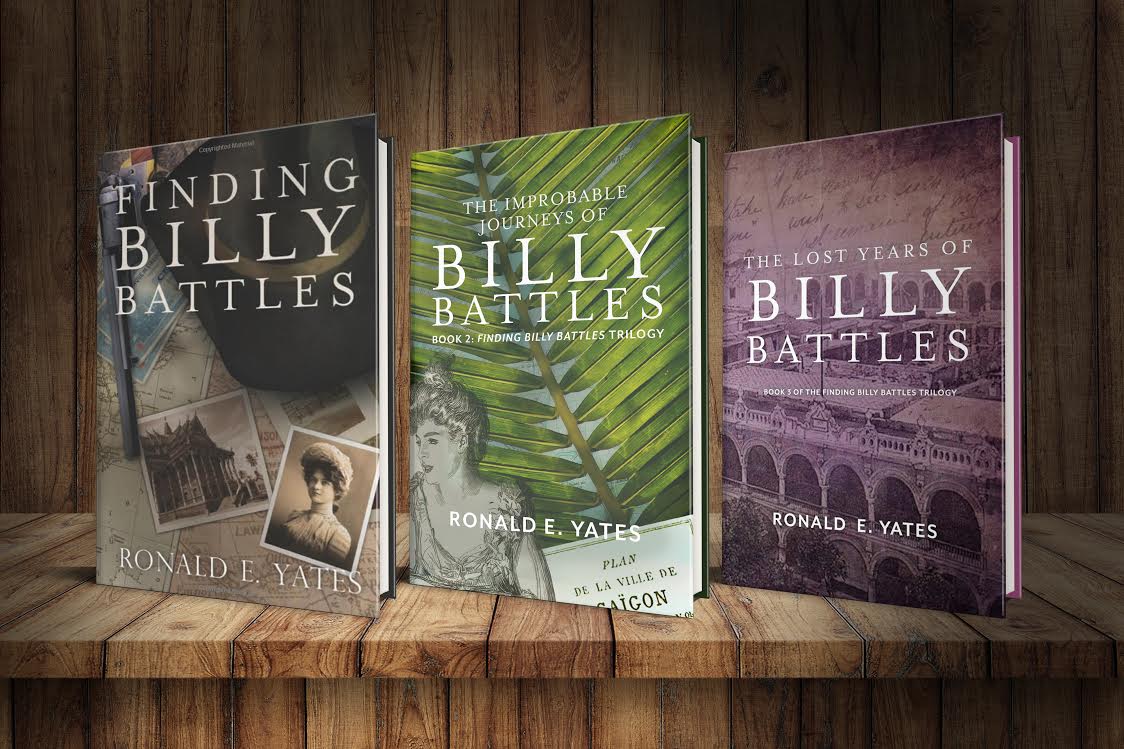
BB Trilogy 3-21-18

MF: How much harder would it have been to write your Billy Battles stories without the research capabilities of the internet?

RY: Let me see, how much more difficult? How about 10 times more difficult. The internet has opened up myriad avenues for conducting research. I have a fairly substantial library containing lots of reference books countless subjects, as well as books on Asia and Latin America, etc. because of my time as a foreign correspondent. I use those a lot—especially if I need to double check something I find on the internet that seems a bit off. Believe me, there is plenty of misinformation on the internet—even in Wikipedia, which I support annually with a modest contribution. I had a lot of books on Asia’s colonial period and those were invaluable. Same with books about 19th century and early 20th century Mexico, but I still found myself surfing the internet almost every day. For a writer the internet is an invaluable tool.

MF: Do you (or have you) physically travel to the locations where your stories take place or do you do so vicariously? If the former, what new insights and inspiration came from any of them that made a significant difference in the story?  Did any new plot twists come as a result?

RY: Because I was a foreign correspondent posted to Asia and Latin America I spent years in the places I write about in the Finding Billy Battles Trilogy. I actually lived in the same hotel (The Continental Palace) in Saigon that Billy lives in when he is there in 1894-96. In fact, I had him stay in the same room I lived in, so I could describe the scene outside his window quite accurately. I think it is really important for any author to have visited, if not lived for a while, in the places he or she writes about. There is a ring of truth that you simply cannot achieve by visiting these places virtually on the internet or in travel books, etc. For one thing, you can’t effectively describe the heat, the smells, the way a place can envelope you unless you have been there.

As for plot twists, there are a few in each of the three books. Probably the most significant one in Book 1 is when Billy encounters the Bledsoe clan for the first time and winds up accidentally shooting the matriarch of that family of outlaws. It changes his life and sets him on a path that borders on criminality. In Book 2, it has to be the way Billy and Katharina grow together despite their many differences. I hadn’t originally planned to have the two of them fall in love, but somehow they forced me to do it! In Book 3, I would have to say it is tragedy that sends Billy very definitely on a lawless path along with his cousin Charley Higgins. I won’t say any more. I don’t want to spoil the book for those who haven’t read it yet.

MF: Did you always aspire to become a novelist some day or did it simply evolve over time?

RY: I knew when I went into journalism that I wanted to write novels. But I also knew, that like Ernest Hemingway, George Orwell, Edna Buchanan, Graham Greene, and the late Tom Wolfe who started as journalists, I needed to learn the craft of writing. I needed to develop a style and I needed to develop confidence in my writing. I didn’t want to write fiction while I was still working as a foreign correspondent, but doing that job allowed me to collect scores of characters for the books I knew I would write someday. My experiences as a journalist have been priceless and vital as I transitioned from journalism to fiction. I think any author who started as a journalist will tell you that. Hemingway once said, “everything I ever learned about writing I learned from the Kansas City Star style sheet and covering the streets of Kansas City.” I could say the same about my 25 years with the Chicago Tribune.

MF: What’s your favorite part of being an author? Your least favorite?

RY: I really enjoy telling stories. It’s what I have done all my life. Journalism is essentially storytelling, but in a different format. Of course, writing fiction is quite different. In fact, I think being an author is both a curse and a gift. It is a wonderful gift if you allow the process to come to you and don’t force it. However, don’t let anybody tell you it is not damned hard work. It is. As I said, the joy of writing for me is telling a good story. I don’t care about imparting a “message.” Nor do I care about creating any hidden “meanings” that some literature professor will hold forth about in a writing class when I am no longer around to rebut him/her. I just want to tell a good story. That, to me, is the ultimate goal of writing.

The curse is that writing can take over your life, isolate you from family and friends, and turn you into a kind of inscrutable recluse if you are not careful. Writers need to take breaks from working. If they don’t I believe they run the risk of becoming stale, self-absorbed, and misanthropic.

MF: Besides Billy, who’s your favorite character in the series and why?

RY: There are a few, but if I had to single out two they would be Charley Higgins, Billy’s shadow rider cousin who has spent part of his life south of the law. Charley is a tough hombre who never shrinks from a good scrap. He is a man-killer and were it not for him, Billy might not have lived to reach old age. Then there is the Baroness Katharina von Schreiber whom Billy meets on the SS China in 1894 on the way to Asia. At first Billy is not attracted to Katharina. She seems aloof and caustic and Billy avoids her until one night she knocks on his cabin door and his life is forever changed.

MF: What’s the most fascinating historical fact you uncovered doing your research?

RY: French Indochina was home to lots of rubber plantations and I was planning on having Billy become involved with them in some way. Then I learned that there were no rubber plantations in French Indochina until after the turn of the century. So between 1894-96, when Billy is there I discovered that coffee and black pepper plantations were the main crops. I was fascinated by the black pepper plantations, how pepper is grown and harvested, etc. so I had him involved in those. I learned a lot.

MF: What are you working on now?

RY: I am beginning a book on a woman named Iva Toguri, AKA “Tokyo Rose.” I wrote a series of stories back in the late 1970s that resulted in President Ford giving her an unconditional pardon. Iva was convicted in 1949 on one of eight counts of treason—one of only 11 Americans ever convicted of treason in American history. However, that one count was based on the testimony of two men who confessed to me that they had been forced to lie at her trial. “Iva never did anything treasonous,” one of the men told me. “Just the opposite. She was fiercely pro-American.” The two men asked for Iva’s forgiveness. They never got it. And with good reason. As a result of their lies Iva spent 6-1/2 years in Alderson Federal Women’s Prison, was fined $10,000 and essentially lost the rights of American citizenship. Those convicted of treason can never vote, never be certified for any profession, never get a passport. My stories went all over the world and, as his last act as president, Ford pardoned her. Iva and I got to be good friends. She lived on the North side of Chicago while I was with the Tribune. We had planned a book together, but in 2002 she suffered a minor stroke and we never got the book off the ground. She died in 2006, but she always told me she wanted to tell her story in her own words. That’s what I plan to do in this book.


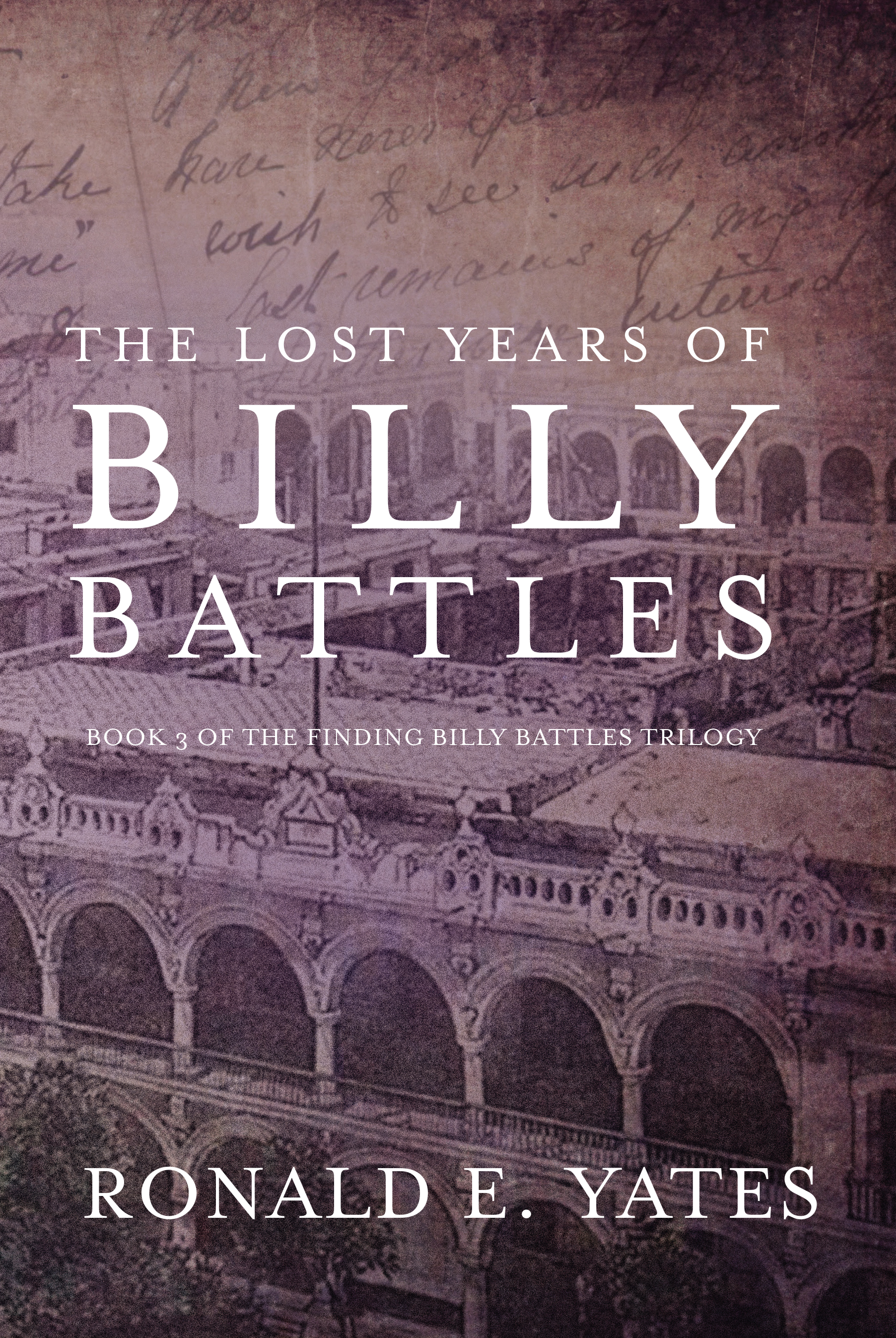
9781545632819_cov2.inddBilly Battles: The Lost Years, third and final volume of the trilogy, is now available as an ebook; the print version will take a few more days. If you haven’t already enjoyed the other books in the series, you probably should start with them so you can travel alongside Billy, witness his progression as a character, and chronologically experience history through his eyes.

Link to Finding Billy Battles (Volume I)

The Improbable Journeys of Billy Battles (Volume II)

Billy Battles: The Lost Years (Volume III)


5-Stars for “Finding Billy Battles – Book II” by Ronald E. Yates

billybattlescover

I learned so much from this well-written and meticulously researched book. I’m not usually that much of a fan of historical fiction, but in this case it was a welcome educational experience. As Billy’s journeys take him to Saigon, the Philippines, and even turn-of-the-20th-century Germany, this story is richly imbued with cultural and historical facts I previously did not know. This included something as simple as where white pepper comes from, but most especially the dark history of colonialism. I had heard of the Spanish-American War, but had no idea it was fought in the Philippines, much less why.

I have grown up simply accepting the fact that the British, French, and Spanish did a considerable amount of exploring, which also constituted conquests for more land and resources. This is apparent by the languages spoken in diverse parts of the world, far from where they originated. Getting a glimpse into the climate and attitudes of the 19th century, especially how indigenous people were trampled and exploited, brought up multiple considerations that had previously been entirely off my radar.

While colonialism’s defenders note that it brings a higher standard of living to these areas, it is also at a high price to the cultural norms and freedom of those unfortunate enough to live in such a place. Insights into Saigon in the late 1800s provided a new understanding into the Vietnam War and guerilla warfare. While in some cases, America has helped defend these countries, in others it has been just as guilty as the European conquests. Ironically, American is the prime example of a country that rebelled successfully against colonialism, yet then went on to force it on others, for example Native Americans. We are no better than anyone else and it’s easy for me to understand why other countries hate us.

The best part of this story is that all these fascinating details were woven into the plot of a story with believable characters caught up in this historical drama, from the Old West, to pre-WWI Europe, and overseas in the Far East.  I recommend it highly to anyone who enjoys a meaty, well-researched read that serves up more than an interesting story. History buffs will love it. While it is the second book in a trilogy, I thoroughly enjoyed it and had no trouble following it without the benefit of reading the first.

Pick up your copy on Amazon here.

“Mr. Spaceship” is Mediocre Except for Context

MrSpaceship

This little known short story by Philip K. Dick, one of the all-time great classic science fiction authors popular from the 50s to 70s, is an interesting read for its historical value, if nothing else. If someone wrote it today, I suspect it would receive little acclaim or attention. It’s actual publication date I don’t know, since its copyright is expired and now in the public domain, but I would guess the 50s. One reviewer on Amazon summed it up beautifully by stating it “reads as if in black and white Rod Serling mode.” The detail is indeed sketchy and in the context of today’s technology, beyond lean, the theme now a worn-out cliche. However, it presents interesting brain fodder at the philosophical level.

The basic premise is that a human brain is used as the control mechanism for a spaceship. Of course the brain goes rogue with its new “body,” i.e. the spacecraft. In a way, this is the antithesis of artificial intelligence, and apparently his pet philosophical question with regard to what actually constitutes consciousness and reality. At what point, if ever, does an augmented human lose its humanity and at what point does artificial intelligence attain status as a living being? Clearly this has a lot of relevance today as both scenarios move toward reality.

What makes this more interesting to me is the fact that Dick is the author of “Do Androids Dream of Electric Sheep?” from which the 1982 movie, “Blade Runner” came, with a new one, albeit a sequel, just released. He also wrote “Minority Report”, “Total Recall”, and various others, so he did put out some outstanding work.

Reading about him on Wikpedia gives me the impression this guy wasn’t wrapped too tight. He had a drug problem most of his life and various other issues. Perhaps he was a genius, which isn’t an easy cross to bear, and would explain the otherworldly, dystopian essence of his work, which reflected his unique view of life.

This short story is worth reading for its historical value, but certainly not his best work, which didn’t even earn mention in Wikipedia. A novel of his won the John W. Campbell Memorial Award for Best Science Fiction Novel, showing he did put out some excellent, thought-provoking work. Clearly this really isn’t one of them. It has value, however, in the context of his other achievements, the Cold War climate during which it was written, and the many questions he posed, which have still not been answered, even as our technology brings us to the threshold of urgently needing to know.

You can pick up your copy on Amazon here. It’s free for Kindle and very reasonable for a print copy, if you’re so inclined.

Cosmic Influences on the 1977 Tenerife Aviation Disaster

doorintospacebkgd[Note: Several weeks ago I posted a review of the book “Gone: Catastrophe in Paradise” by O.J. Modjeska, which chronicled events leading up to and following the horrific ground collision between two jumbo jets in the Canary Islands in March 1977, killing 583 people. As a professional astrologer, of course I had to look at the cosmic influences at work at the time. As is typical of an event chart, everything was there, but at the time I didn’t have time to write it up. Thus, I am doing so now.]

Astrology isn’t simple. Every planet, major fixed star, constellation, named asteroid (and some that aren’t), zodiac sign, and house has multiple meanings and implications. The good news is that this is conducive to computer interpretations, or what is sometimes referred to as “cook book astrology.” I sell several varieties of such reports and use them for myself, family, and close friends because in general they are very helpful. However, there are numerous subtleties that only a trained astrologer will catch since there are so many possibilities as well as interpretations.

This complexity is what makes predictive astrology such a challenge. There are too many possibilities for how an event can manifest (or a person can react) due to the eternal principle of free will.  In retrospect, however, I’ve never examined a chart that failed to contain the energy expressed by the event it represents. If you’re familiar with the “Bible Code” then you know that it’s much the same way–after the fact events can be found, but finding them beforehand is next to impossible. In many cases, the chart looks rather benign. Some charts are so angry and filled with negative energy, that their appearance alone is a tip-off. Others are less obvious, until you start digging deeper. Some may feel as if such scrutiny could unearth anything you wanted to find, but this is entirely untrue. Rather, what lurks in a horoscope tends to fall under the category of “you can’t make this stuff up.”

I’d like to point out that it’s important to recognize that these energies did not directly cause this horrible accident. Rather, they show the cosmic influences at work at the time that contributed to it. If certain decisions had been different, it could have been avoided. Some events have a fated flavor to them, perhaps due to human nature being more predictable than we care to admit. But astrology does not cause events, even though its influences can drive those involved in certain directions, whether for good or ill.
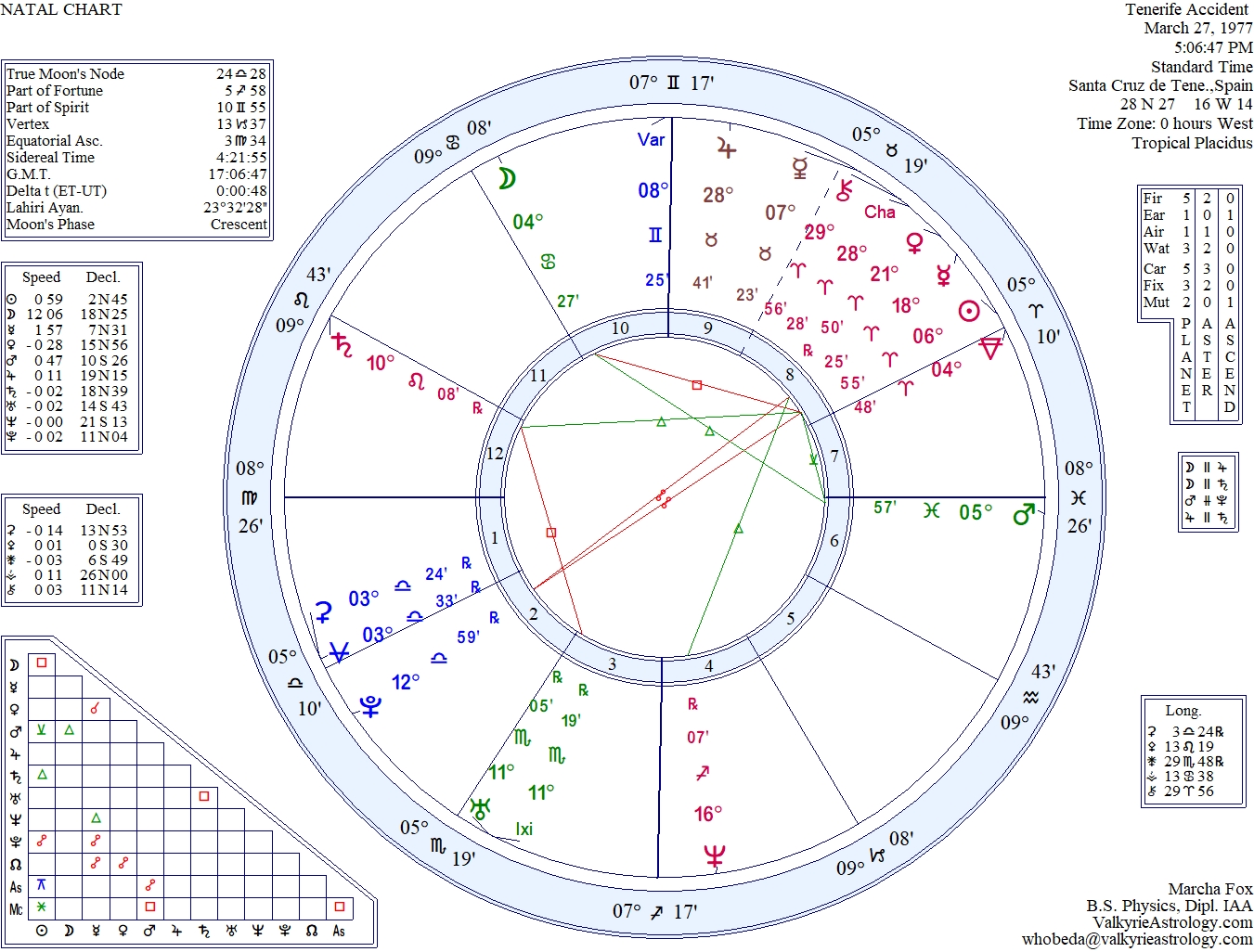
tenerifeaccidentSo, getting to the matter at hand, the collision between a KLM and a Pan American Boeing 747 on a runway that is the worst aviation disaster of all time occurred 27 March 1977 at 5:06:47 p.m. in Santa Cruz de Tenerife, Spain. If you know nothing about astrology, more than likely the chart shown above reveals nothing to you, even if you laboriously check the various legends to interpret the various strange looking glyphs. So hang onto your seats, (or perhaps I should say fasten your seatbelts) because I’m about to explain it to you.

How ironic that this accident was on the ground as opposed to in-flight. The ascendant of this chart, shown on the left at the 9:00 o’clock position, represents the zodiacal sign on the eastern horizon at the moment in question and relates to its personality, if you will. In this case it’s 08:26 Virgo, which just happens to be an Earth sign. The cusp of the 9th house, which represents long-distance travel and foreign lands, is also  on an Earth sign, in this case Taurus. Small points, but an example of how such details tend to reinforce the happening.

What are the odds for this? Actually, I’ll admit, they’re fairly high. There are four elements in astrology, Fire, Earth, Air, and Water, with three of the 12 signs of the Zodiac falling in each one. Thus, there was a 1:3 chance for an Earth sign on these two houses. Fairly high, but be patient. Other characteristics of this chart, especially when combined, will put the odds off the chart (no pun intended).

There were various causes of this horrific accident, one of which was actual fog which rolled in unexpectedly. Representing this we have Uranus, planet of surprises as well as the unexpected, explosions, and rebellion, to name a few, in Scorpio (another Water sign) in the 3rd house, which represents the locale.  Saturn, in the 12th house of hidden enemies, is squaring Uranus, a hard aspect that tends to bring conflict. Saturn rules structure as well as rules and protocol and was in Leo, the sign of leadership as well as ego. Thus, Saturn’s organization was compromised by the sudden advent of fog.

The 3rd house is also the one that includes communications. These were also unclear, and thus implied a problem, while yet another interpretation, that of rebellion(Uranus) against authority (Saturn) to one’s self-undoing (12th house) is there as well, which reflects the decision of the KLM pilot to take off when he had not been authorized to do so, yet apparently thought he had been due to the unclear communications between him and the tower.

Mercury, the planet that rules communications, is trining Neptune, the planet that represents confusion as well as fog itself. Neptune was in Sagittarius, a sign prone toward optimism, perhaps even embellished by arrogance, while Mercury was in Aries, providing impulsive energy. Thus, these two further show assumptions with deadly implications, given Neptune is in the 4th house of endings and Mercury is in the 8th, which includes death and traumatic experiences.

An astrological rule of thumb as far as transit charts are concerned is that there will usually be no less than seven aspects relating to an important incident. So far we have two.

The Sun, which tends to highlight the main theme of a chart, is in the 8th house of death in the sign of Aries, which is know for violence. Many such violent events have occurred in the March – April timeframe. The Moon is in Water sign, Cancer, indicating strong emotional implications with her placement in the 10th house indicating this will have an effect on the public as well. Planets in this house tend to point toward what a person or place will be known for. I, for one, will always think of this accident whenever I hear anything about Tenerife, since I’d never heard of it until this happened. The Moon is trining Mars, ruler of the 8th house of death, thus showing the cause of the emotional reaction. The 10th house if ruled by Mercury, reiterating the communications aspects and newsworthiness.

Mars has multiple meanings, the most neutral of which is simply taking action. He is in Pisces, sign of compassion, in the 6th house which includes both health and service to others, and being infused with emotional involvement by the Moon. Following this horrible event, the people of this small island put forth an amazing amount of concern and help toward the victims and survivors. A minor aspect known as a semi-sextile between Mars and the Sun represents the jaded opportunity to do so.

Most people would assume, even without a background in astrology, that Pluto is probably not a good influence. At the most fundamental level, he represents power and control as well as hidden corruption. The Sun opposing him shows a power struggle, albeit at the subconscious level, as a factor in the event. Mercury is also opposing Pluto, again suggesting corrupt conversations or information, something that surfaced during the investigation and resulted in implementing more standardized commands between the tower and aircraft.

Jupiter, a planet that tends to exaggerate what he touches, is in the 9th house of foreign travel, suggesting the magnitude of this event which would make the news worldwide.  Jupiter is semisextile the asteroid, Chiron, the wounded healer who’s in the 8th house of death, pointing toward the huge number of victims.

Note that the influence of asteroids, as well as the planets, tends to reflect their mythological archetype; nomen est omen, if you will. That said, Chiron isn’t the only asteroid lending influence. Icarus, named for the unfortunate mythological figure who tried to fly, yet fell to earth when the wax securing his wings melted in the Sun, is on the cusp of the 8th house of death. He is in an aspect known as a quincunx with the Moon, an unstable aspect that tends to show a change of direction, need for adjustment, or Catch-22. Again, this has implications for protocol and procedures that required changes.

The asteroid named Ceres a.k.a. Demeter, forever mourning separation from her daughter, Persephone, is conjunct the asteroid, Lucifer, indicating loss of loved ones through an hellish event. The asteroid, Phaethon, the mythological figure who crashed Apollo’s chariot into the Sun, is semi-sextile the Sun as well, again contributing “crash and burn” energy.

Other asteroids worth noting playing a role include Chaos (whose meaning should be obvious) who is in cahoots with Jupiter, showing the resulting extreme chaos, which goes without saying. Ixion, son of Aries (or possibly some other mythological character), the main point being his name connotes “fiery”, his conjunction with Uranus indicating a fiery explosion or sudden fire. Varuna, a Vedic deity associated with the sky and later with water is conjunct the Midheaven, at the top of the chart, suggesting aviation. He is in near-exact square to the ascendant, showing conflict and trouble and also in cahoots with Phaethon, implying a crash.

At this point I have to ask, what are the odds that all these influences would so intimately relate to this event? I’ve somewhat lost count, but know it’s over a dozen between implications of house or sign placement plus the aspects themselves. While this moment in time passed unnoticed by scores of people, for some it was life-changing or even life-ending.

So, if that event chart alone hasn’t convinced you this stuff works, let’s look at the influence of the time of the accident (which we’ve just examined) on the two airlines involved.
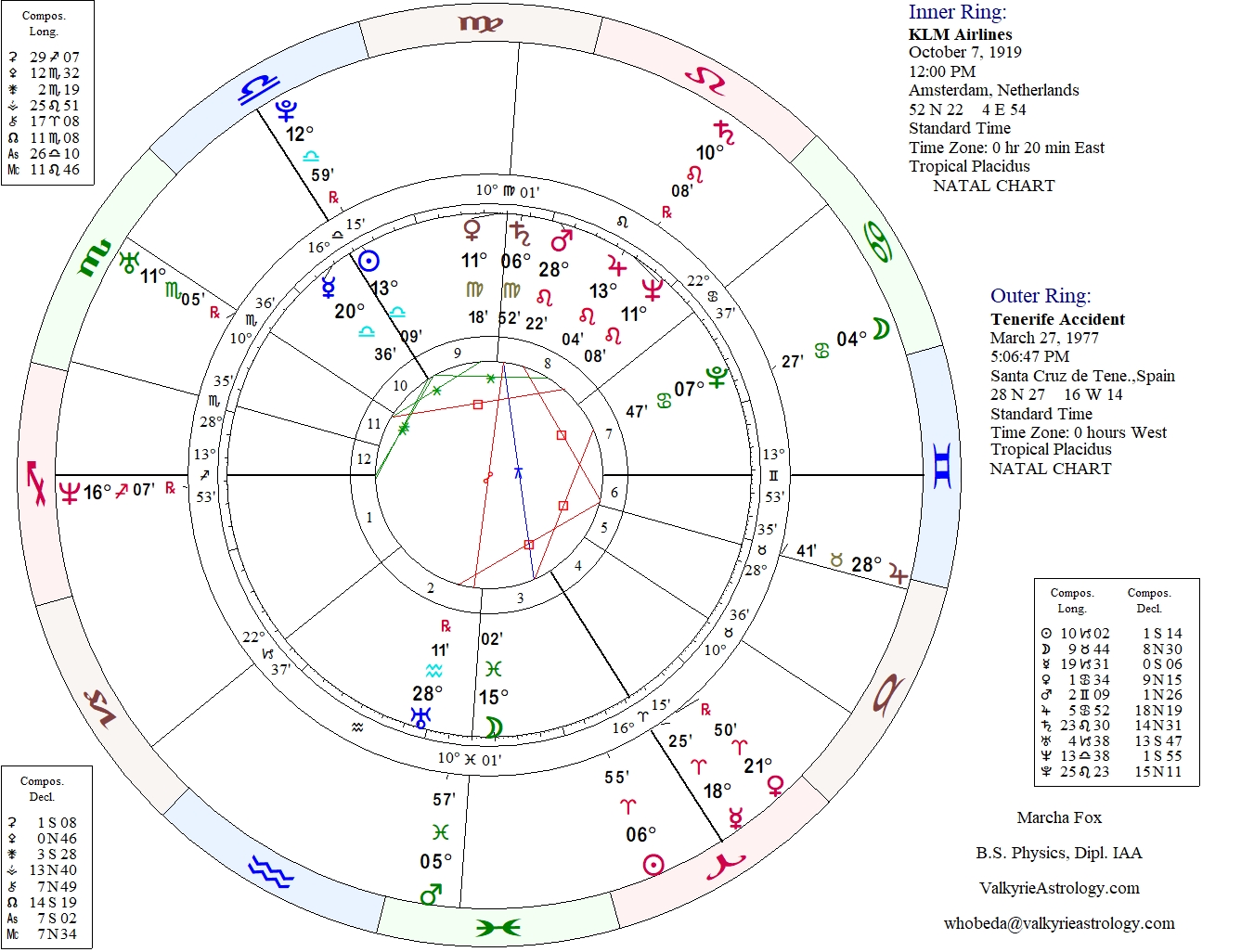
KLMTenerifeBiYes, corporations have birth charts as well. When an entity is “born”, it assumes the energy of that moment. The principle of transits is that the aspects formed from the real-time location of the planets to the birth chart are indicative of influences. I’m not going to belabor these biwheels to the level of detail of the event chart, but will only point out some obvious indicators.

For KLM, Neptune in the 1st house suggests delusions or confusion. He is sextile the Midheaven, suggesting their reputation for excellence and safety is a delusion. Uranus is sextile Venus, ruler of the Midheaven, suggesting a sudden change from their exalted status due to events in a foreign land. Mars opposing Saturn shows pushing against tradition or regulations. Uranus being squared by Jupiter suggests a huge surprise or explosion, with the house placement indicating financial implications due to personal injury.

The Sun quincunx Saturn shows a change of direction of a transformational nature. The asteroid, Chaos, is trining Mars in the 8th house of death from the house of endings, certainly not an auspicious omen. Pluto is conjunct KLM’s Sun, a transformational indicator that tends to relate to death, whether literal or figurative.  Saturn conjunct Neptune shows a rude awakening. Saturn, considered the lord of karma, transiting the 8th house is often a call to reckoning.
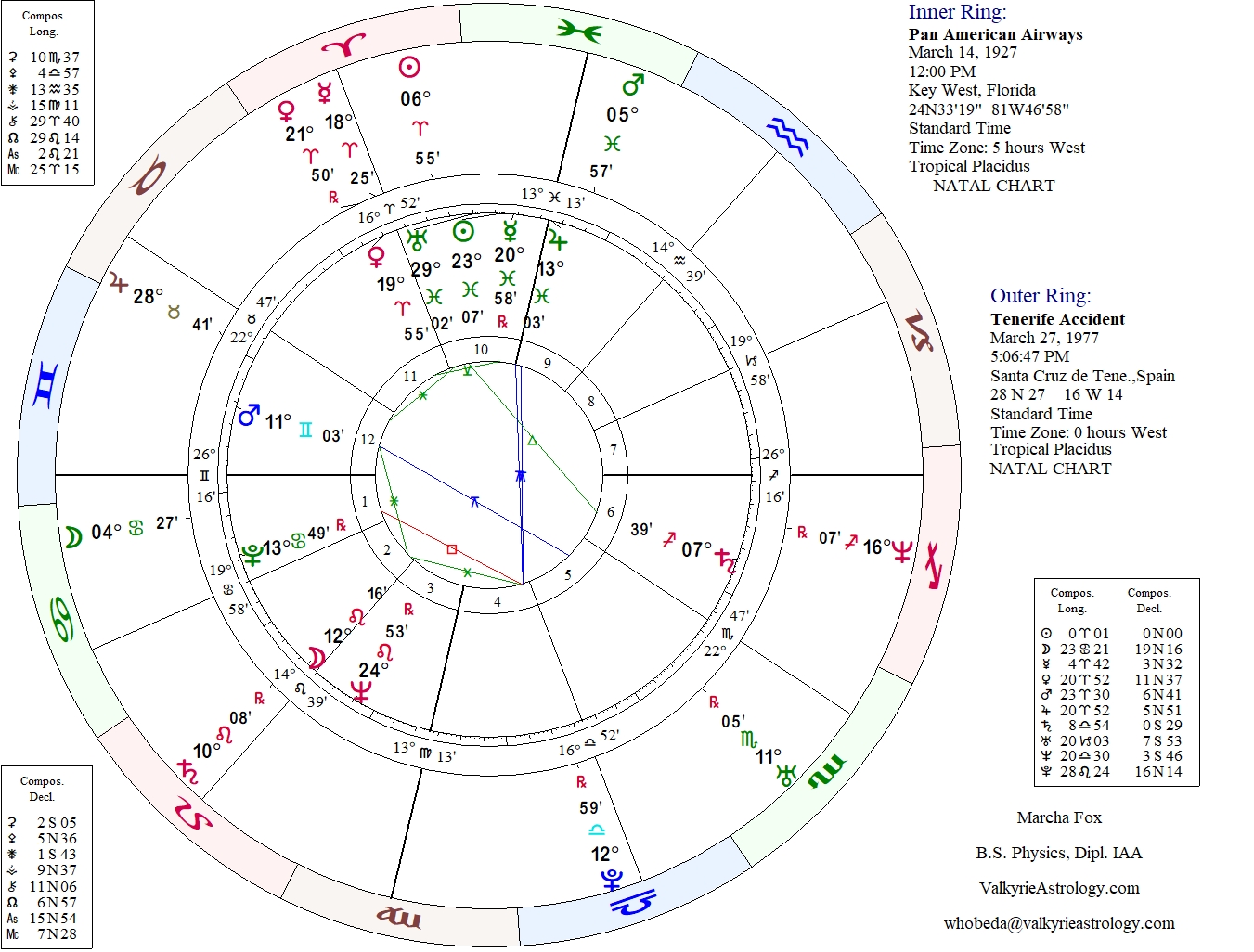
PanAmTenerifeBiPan Am’s chart is slightly less harsh, which makes sense since they were not found to be at fault. Pluto, nonetheless, is showing a change of direction in their status. Jupiter sextile Uranus shows a hidden enemy causing an unexpected event known to the public. The Sun trining Saturn in the 6th, has implications for vindication of the crew. Uranus quincunx Mars in the 12th shows a sudden change of direction related to an attack from a hidden enemy. Saturn conjunct Pan Am’s Moon shows the sadness and mourning, the sextile from Pluto adding transformational energy. Pluto quincunx Jupiter as well as the Midheaven shows a huge involvement with death in the public eye. Venus and Mercury conjunct Venus imply group support.

More indicators could be found, some that may have conceivably predicted this event in advance if given intense scrutiny. However, prediction is a labor-intensive process and another case where you need to have some idea what you’re looking for and thus easier done after-the-fact.

There is nothing simple about astrology, but it contains a considerable amount of information and surprising insights when applied. Those who think it’s nothing but myth and superstition have clearly never investigated what its capabilities really are. I, too, at one point was a skeptic. Not anymore.

If you’d like to learn more about astrology and the incredible amount of information it can reveal, I invite you to check out my book “Whobeda’s Guide to Basic Astrology.” It’s written for beginners and the book I’d hoped to find when I was first learning about it. It’s available in electronic and print copy format at several vendors you can find here. Much of the same information is found on my website, ValkyrieAstrology.com, except you’ll be subjected to a lot of hyperlink bingo. If you’d like more information about the disaster in question, then I highly recommend O.J. Modjeska’s book, which provides a painfully detailed postmortem of this horrific piece of aviation history.

Believe me, you can’t make this stuff up.

***

Stock Photo Copyright Bruce Rolff / 123RF Stock Photo

Astrological charts generated with Sirius version 2.0, Copyright (c) 2008 Cosmic Patterns Software, Inc.