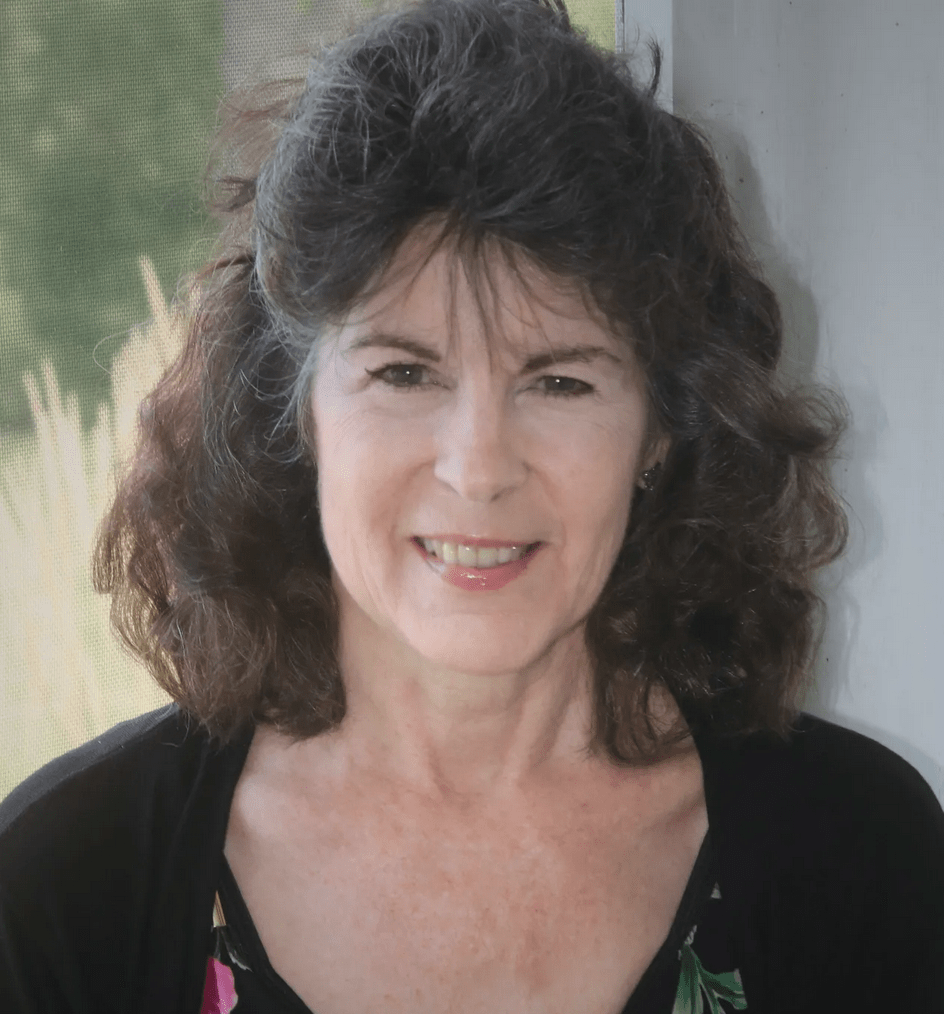
Meet Inger Margaret Foster, Author and Screenwriter

Inger Margaret Foster is an author and screenwriter who writes primarily for a young adult audience though the depth and feeling imbued in her books make them a great read for all ages. If you’re looking for a book loaded with love, compassion, and strong characters dealing with life’s problems, these are for you. In many cases they contain “mystical realism” that brings a touch of the paranormal, adding to their charm. If you or someone you know, especially a young adult, is dealing with a certain challenge right now, check out her books for one that might help them understand and cope with it better by feeling less alone.

You can learn more about Inger on her website. Be sure to check out her blogs that often spill a few secrets and/or background about her stories. All her books are available on Amazon with all but the children’s paperbacks available through Kindle Unlimited.

Me: When did you first know you wanted to write stories?

Inger: I’ve always loved reading. I attended an amazing public school system, where we were exposed to the classics early on. We read Shakespeare in the fifth grade! That foundation paved the way to writing.
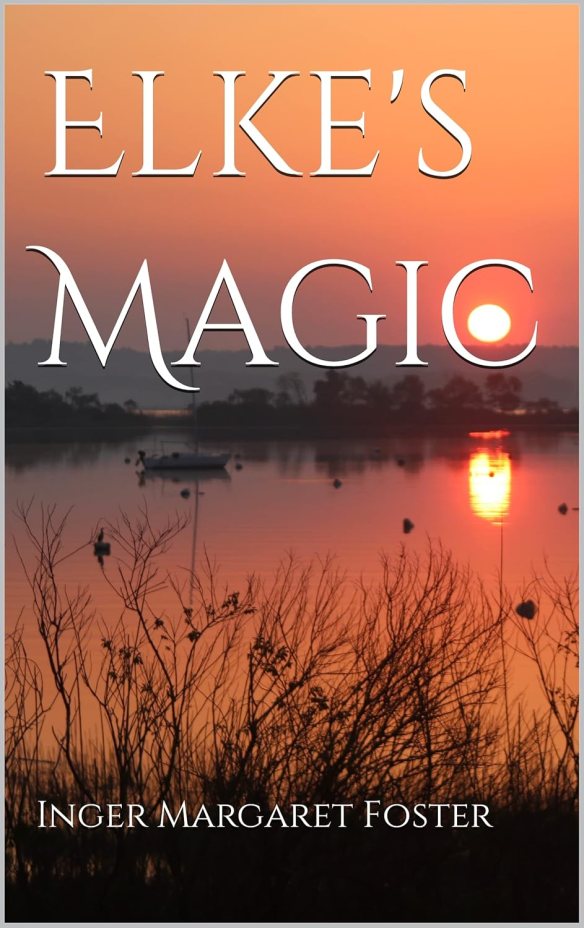
Elke's Magic book cover

Me: That’s awesome! It’s too bad they don’t still do that. What was your first story about? When did you write it?

Inger: One that I remember clearly was written in college, and it was drawn from a true life story from my mother’s home town about two brothers out fishing, with a gun in the boat. The youngest boy held up the gun, pretending to shoot his brother. And the gun accidentally went off, killing the older boy. I called the story “Brothers” and I wrote it from the younger boy’s perspective.

Me: Wow! What a sad story.  But that shows you have a strong sense of empathy and ability to relate to people’s feelings.  Your stories tend to have a connection with the “other side” and paranormal events. Have you had similar experiences yourself?
Inger: Yes! Many times! To me, interaction with spirit is comfortable and completely normal. My stories fall under the realm of Magical Realism, the juxtaposing of the magical aspects of unconventional elements with reality. And many of the storylines are the product of an urging from what I can only describe as other worldly sources.

Me: I love that! I think we get nudges like that a lot if we just learn to listen. Do you have a favorite character? If so, which one is it?

Inger: Yes. But don’t tell the other characters!  Elke is my favorite.  Even though her character is not present in all of the books, she is the reason for the series.
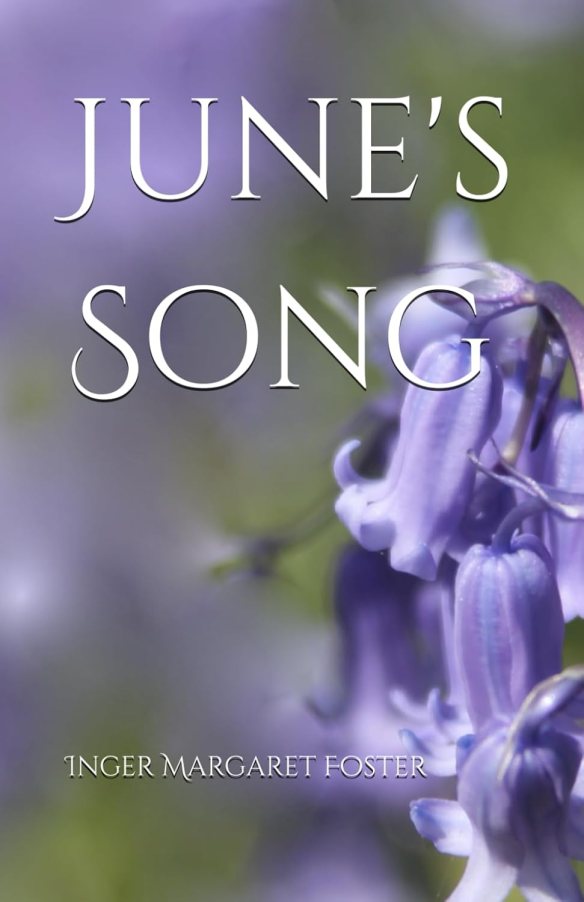
June's Song book cover

Me: She is indeed charming, someone I’d love to know in person. She does remind me of my neighbor back in Texas with a similar German background.  What is the easiest part of writing for you?

Inger: The actual writing is the easiest. Once I have the main idea for the storyline, I write the ending and all the rest tumbles out in a flurry!

Me: That’s awesome! Knowing how a story ends is so integral to it. Like that quote I saw the other day about plays, where if there’s a problem with the 3rd Act the real problem is with the 1st Act! If  you don’t have a strong ending, you don’t really have a story. What is the most difficult part of writing for you?
Inger: Editing!

Me: LOL! I don’t think there’s an author out there who wouldn’t agree with that! Except perhaps for those who don’t bother, which inevitably shows!  What are you working on now?

Inger: I have been writing screenplays for about a year now, and I love every minute of it! I’m working now on a paranormal series, and have a few more episodes to write.

Me: That is so exciting! It will be such a joy to see your work come to life on the screen!  How long does it usually take you to write one of your novels?
Inger: About six months, from start to finish.

Me: That’s pretty quick! tell me how your Circles of the Soul series came about.

Inger: Sorry, this is long! Anyway, The Final Canoe Ride was the first book written, followed by Split Soul as the sequel. I then wrote Elke’s Magic, the prequel. They were all published through a small publishing house. I was going to end there, and then the pandemic hit. That was when I discovered independent publishing on demand, and just wrote like crazy. I wrote the sequel to Elke:  Mandy’s Dream and then:  The Rule of Thirds,  developing a trilogy of YA books called Things Come in Threes. I then rewrote the first three books, changing one of the characters. It helped with the series flow. After that, I wrote Circles, which followed Split Soul and The Final Canoe Ride, and called that trilogy The Circles of the Soul. While writing Back in the Before, I brought the character of Elke back and decided that I needed to create one continuous series, hence the merging of all books into the Circles of the Soul. It is now a ten book series (two are combined) and it ends with Connections.
Me: I love how they all tie together! But when you develop strong characters it’s always easy to continue on with their lives. In my experience, they just kind of take over and tell you what’s going on like a good friend.  Do your characters ever surprise you?

Inger: Sometimes! Maureen, in Always Just Beyond, is very sneaky and she almost wrote her own story!

Me: I can see that! She was very mysterious throughout that story. Yet in the end, it all made perfect sense. I loved that book! I want to read it again sometime now that I know all the secrets. What is your favorite book from your childhood?
Inger: A Wrinkle in Time.

Me: Yes! Such a wonderful classic! I loved it, too. Is your writing style that of a “pantser” or a “plotter?”

Inger: Neither. I know the ending before I start, and I either write that first or have it in my brain. I let the story flow by listening to the characters, sometimes in my dreams. I don’t do an outline, but I know where I want to go even before I start.

Me: That sounds pretty much like a pantser, especially not doing an outline and letting the characters lead. I’m a pantser, too. If I ever have writer’s block it’s because I’m trying to force my characters to do something when they have something else in mind. What’s the most satisfying part of being an author?
Inger: I think when you hear from a reader that your words impacted them, or helped them overcome a loss, it makes it all worthwhile!

Me: Absolutely! I’m sure your insightful stories have touched many readers. You touch on so many things that are painful. That’s so important for the Young Adult genre since that can be a pretty difficult time of life.  I love your beautiful book covers! Did you do the photography for them?

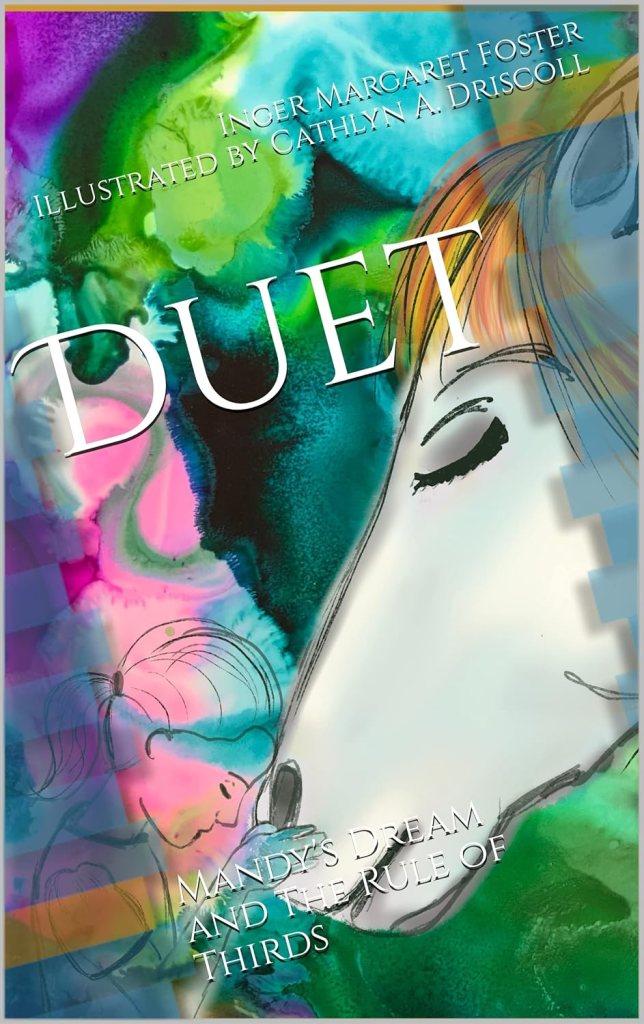
Inger: Thank you! All of my book covers are from my photographs, except Duet: Mandy’s Dream and The Rule of Thirds (a two book combo) and the two children’s books that were all created by the illustrator: Cathlyn A. Driscoll.

Me: You’re a very talented photographer for sure! And they capture the book themes so well.  Has a specific event or person ever inspired one of your books, besides your first one that you mentioned earlier?

Inger: There were three things. First: It was my experience dealing with breast cancer that was the inspiration to write a series of stories that eventually evolved into my first novel: The Final Canoe Ride.

Second: My father was my inspiration, for not only the historical parts of the Resistance during WWII but for his interest in reincarnation, a theme that runs through the last four books in The CIrcles of the Soul series.
Third: My German friend, Heidi, was the inspiration for the character of Elke.

Me: Your inspiration was definitely captured. Yes, reincarnation and the next life are fascinating and there’s so much interest in them these days. People need to know that what we have here is only the beginning. What advice do you have for new writers just getting started on their journey?

Inger: Write often. Write from the heart. And don’t be afraid to think outside the box.

Me: Great advice! Writing that originates from the heart is what so many readers are looking for. The books that I remember and are most likely to go back and read again are the ones that touch my heart.
Thanks for telling us about your ongoing journey as an author, Inger!

Below are links to her books on Amazon (as well as via the cover photos) plus to her website for those of you who’d like to know more.

Here are links to my reviews for Always Just Beyond, June’s Song, and Elke’s Magic, the three books I’ve read so far.

Inger’s Amazon Author page

Webpage

Circles of Soul Series

1. Elke’s Magic

2. Duet

3. June’s Song

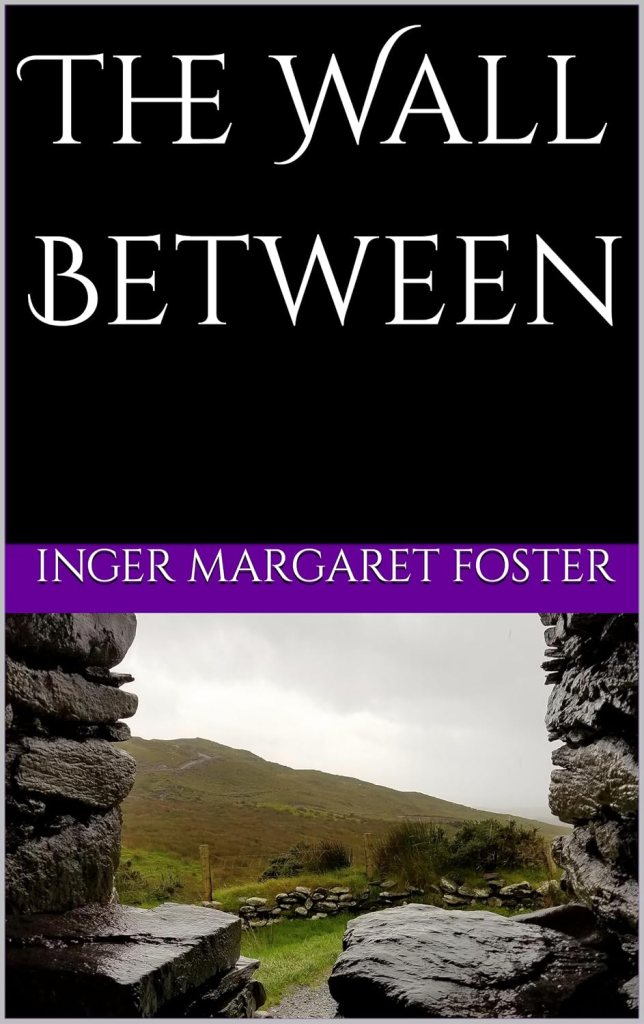
4. The Wall Between

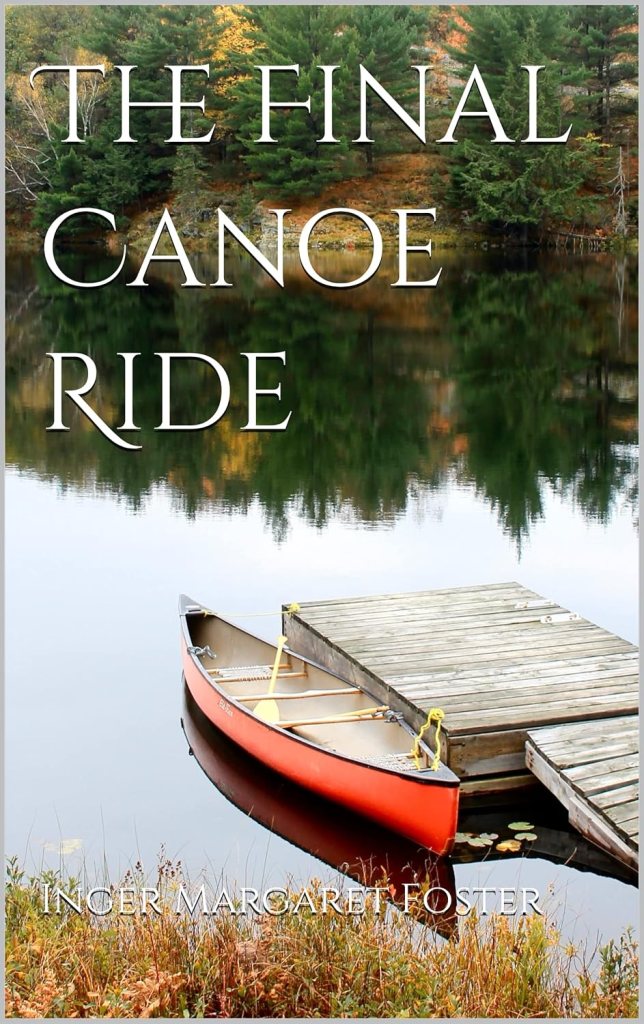
5. The Final Canoe Ride

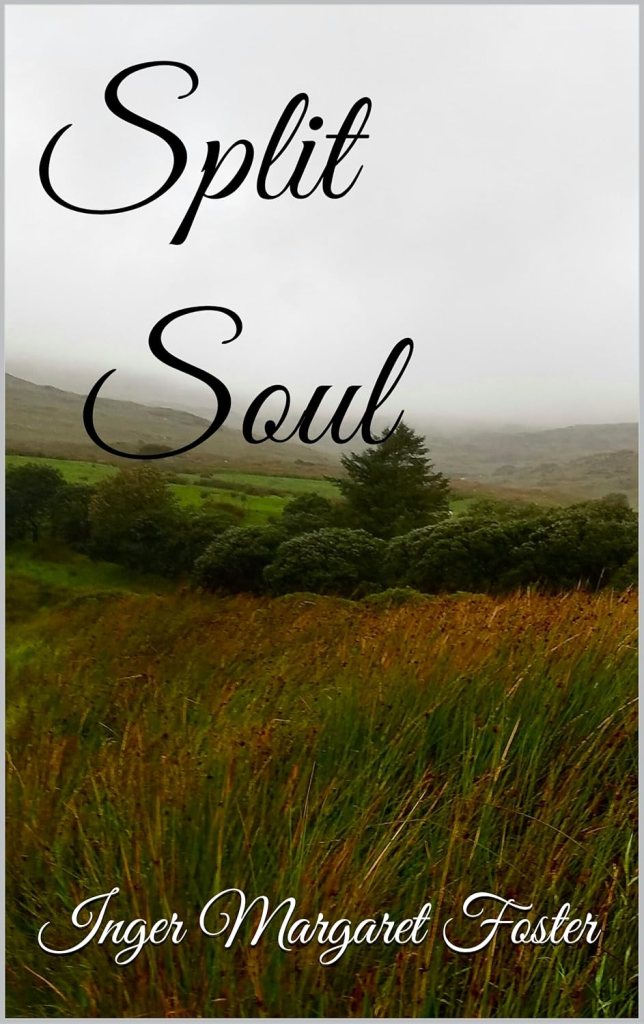
6. Split Soul

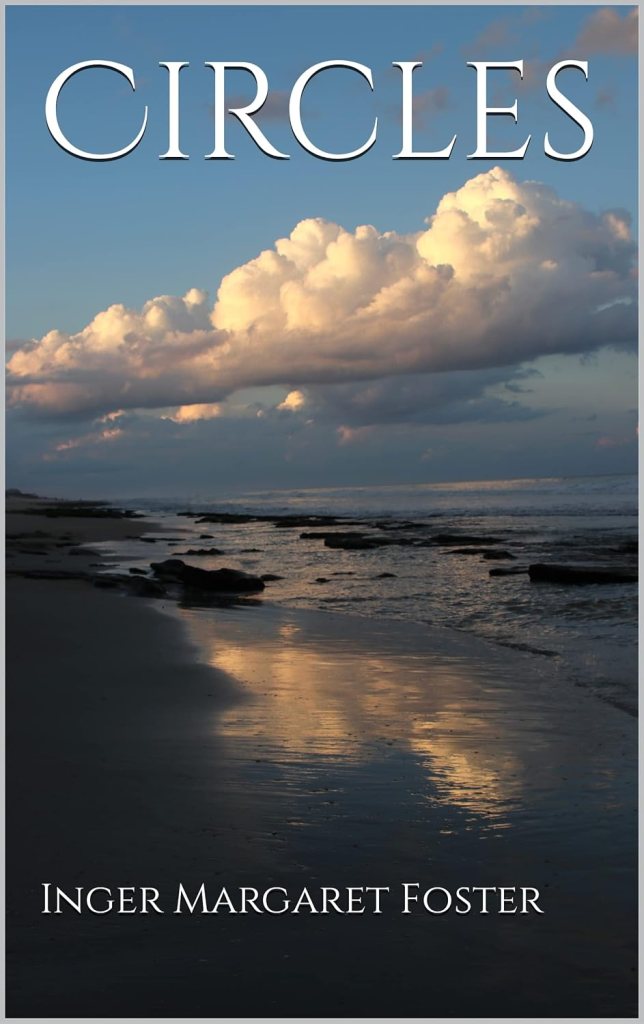
7. Circles

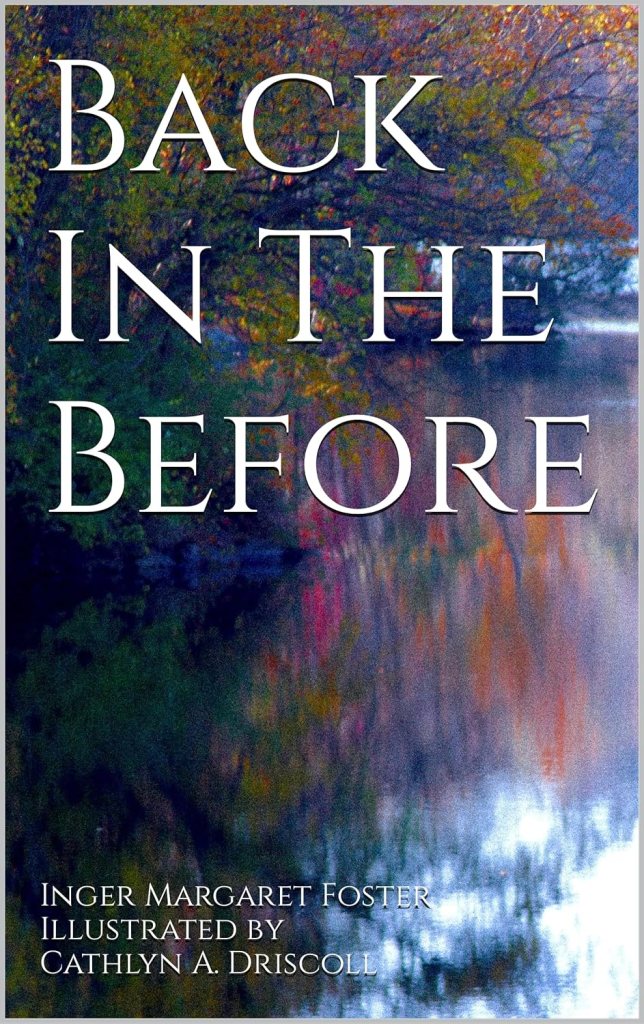
8. Back in the Before

9. Connections

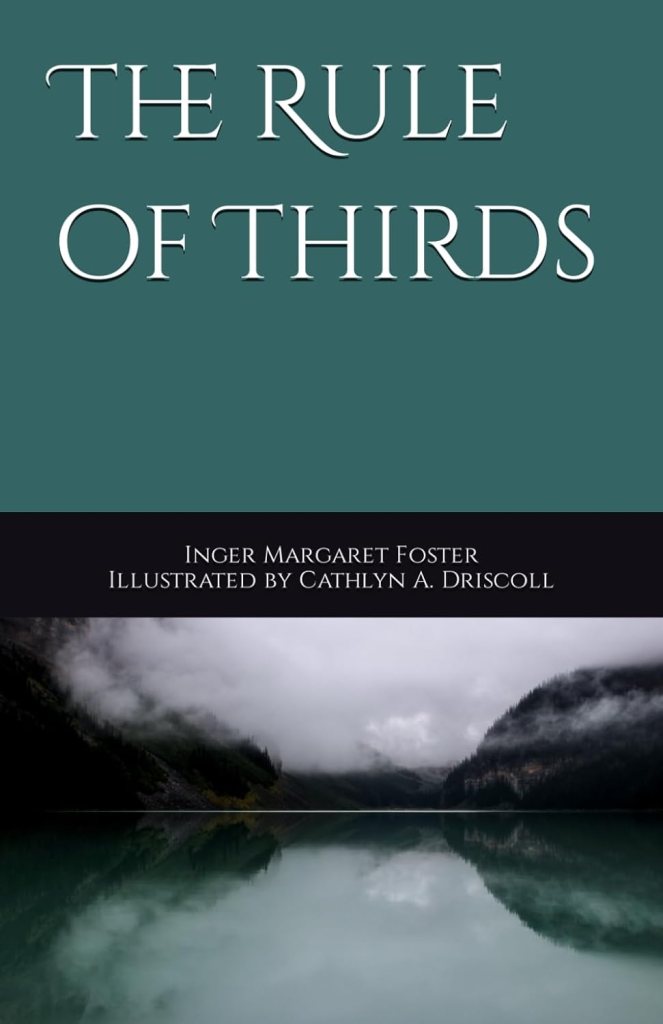
10. The Rule of Thirds

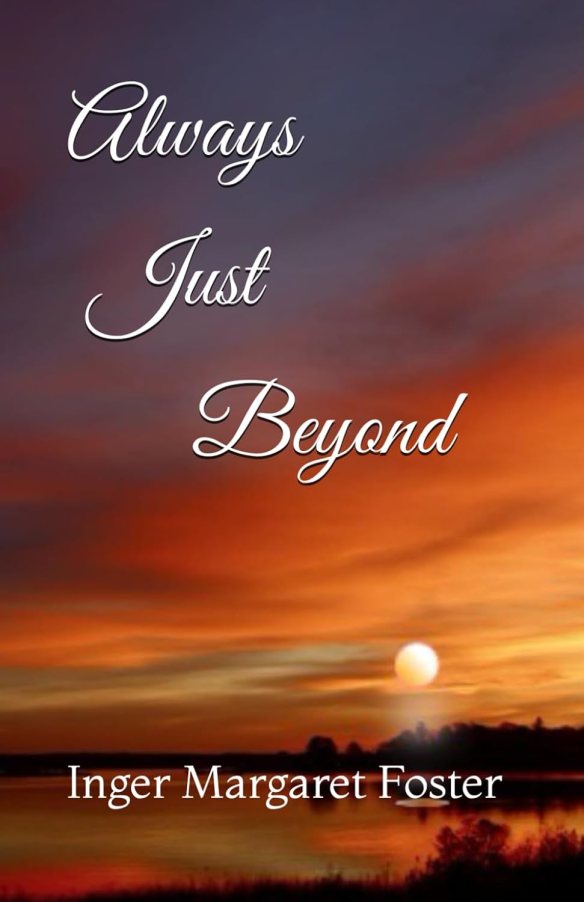
 Always Just Beyond

Children’s Books (Print)
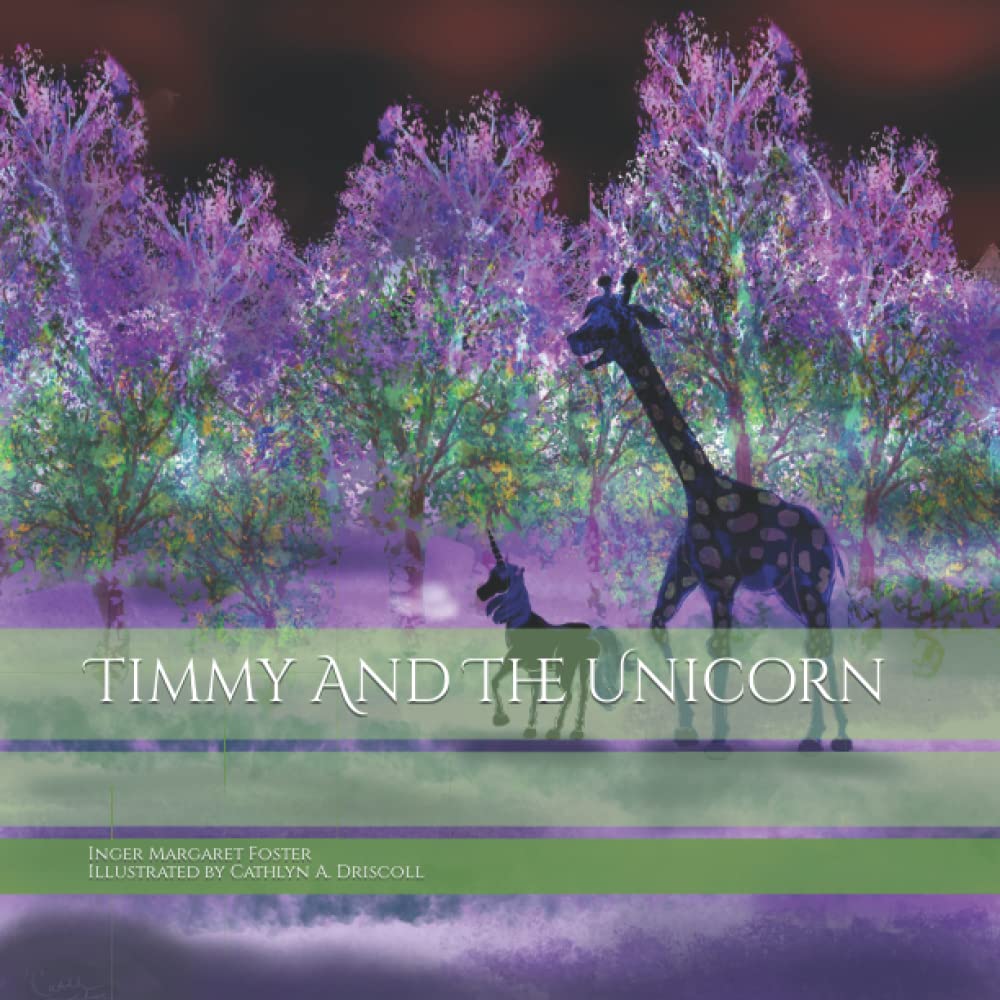
Timmy and the Unicorn

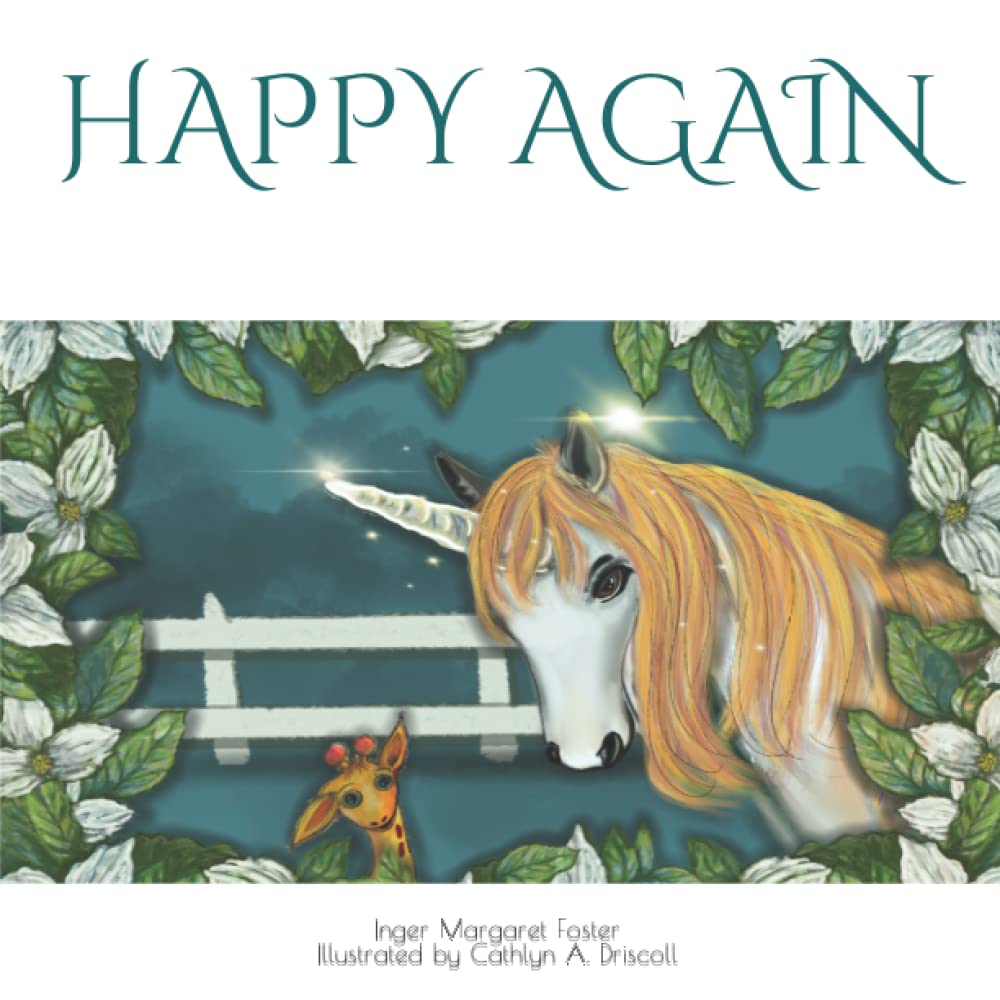
Happy Again

Guest Blog Post by Robert G. Williscroft

Robert G. Williscroft

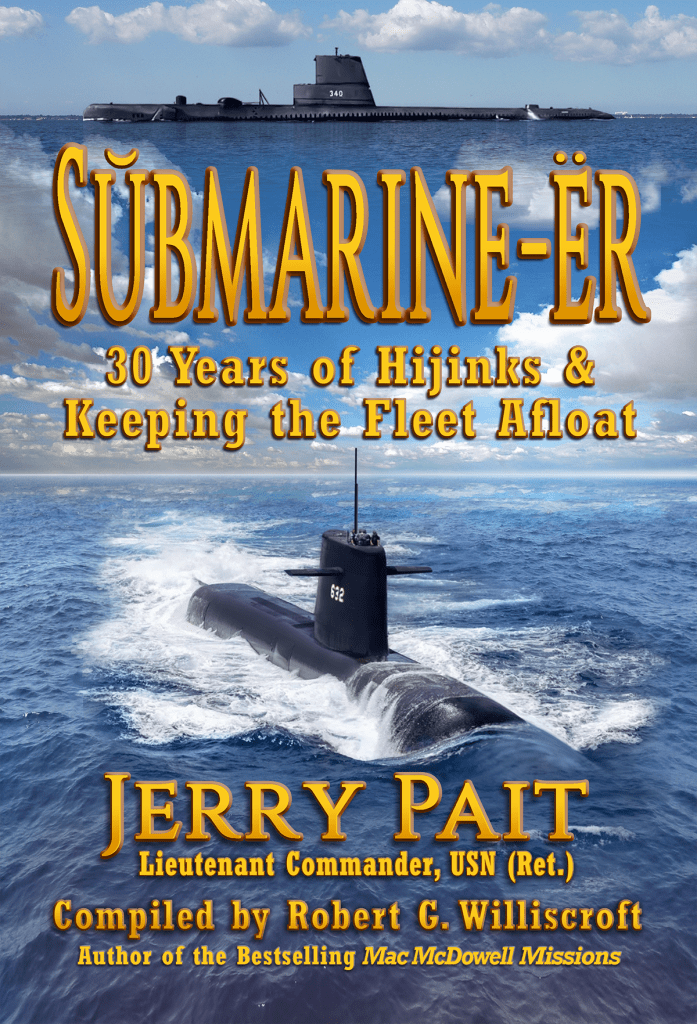
Welcome to guest blogger Robert G. Williscroft, submariner and author of multiple series including The MacMcDowell Missions, The Oort Chronicles, and The Daedalus Files. Robert compiled and edited the true-life adventures of retired US Navy Lt. Commander Jerry Pait in his new book, Sŭbmarine-Ër.

Jerry Pait enlisted on September 15, 1964, was assigned to Fleet Sonar School, volunteered for subs, and ended up on USS Entemedor (SS-340). After Advanced Sonar School, he was transferred as an STS-2 to USS Von Steuben (SSBN 632B) in the Philly yards right after her collision off Cadiz, Spain. I was a newly minted Lt. j.g., fresh out of Poseidon Missile School, having come through the NESEP program and Univ. of Washington in marine and atmosphere physics. I guess the skipper made me Sonar Officer because I was a former sonar tech. Jerry and I served together until I left for the Man-in-the-Sea Program and ultimately Operation Ivy Bells, tapping into Soviet underwater communications cables in the Sea of Okhotsk.

Jerry went on to become COB on Von Steuben, served in a senior position in Sonar/Torpedoman School, and then was commissioned as an LDO Ensign. He returned briefly to Von Steuben and then served as a division officer on several sub tenders. After that, he was assigned to NOTU, supervising underwater ballistic missile launchings for several years, working closely with NASA. He rose to Lt. Cmdr., was selected for Cmdr. But was mustered out on retirement as part of Clinton’s force reduction efforts.

Jerry took a senior field position with the major defense contractor Brown & Root, but during his first year, he fell from 20 feet in a way that fractured his back and cracked his skull. He survived, received a significant settlement, and has struggled ever since to regain as much function as possible.

I was on Jerry’s emailing list. He began to send out periodic stories from his past. They were fascinating, and the response from his list was remarkable. I saw their potential and contacted Jerry—we hadn’t communicated directly with each other in decades. I suggested that I work with him to compile his stories into a coherent whole, and that we put out a book. He agreed, so we found a publisher who was willing to work with us on this strange project, and we completed the book last month.

Jerry’s book, Sŭbmarine-Ër: 30 Years of Hijinks & Keeping the Fleet Afloat, will be released on September 15, exactly 58 years after he enlisted. The book is on pre-publication sale right now as an ebook for only 99¢. The ebook price will rise to $3.99 on September 15. Each chapter has a color photo that illustrates the contents of that chapter. The trade paperback printed version has half-tone photos and will sell for $19.95 The hardbound, jacketed edition is in full color throughout and will sell for $36.95. Both will be available for pre-order within two or three days.

Why am I doing this? Jerry is our brother—and he’s a genuine American hero. His story deserves to be told far and wide. I’m not here selling books. I’m here asking you to help me preserve the memory of one of the best among us. By purchasing the ebook on pre-order (only 99¢), you will help boost his sales ranking, so that on September 15, the release date, his ranking will shoot up. If you want the trade paperback, or the really cool hardbound, jacketed, full color version, you can pre-order those as well from Amazon or any other online bookseller, or you can order it from your favorite brick and mortar store as well. Should you want an autographed copy, please use the Contact form at FreshInkGroup.com, and I will put you into direct contact with Jerry.

Book Trailer!

The Book Blurb!

Lieutenant Commander Jerry Pait’s semi-autobiographical collection of sixty stories recounts his thirty years in and around the U.S. Navy’s submarine fleet. Ranging from light-hearted to wrenching, all are poignant inside looks at naval operations rarely seen by outsiders. Topics include the real story behind the shuttle Challenger tragedy, risking his own life underwater, discovering a Soviet spy living across the street, surviving when a DELTA Rocket engine ignites, critical missions, and the everyday lives of men and women of the fleet. Dive into Sŭbmarine-Ër for hijinks and breathtaking adventure with this poignant memoir by a true American hero.

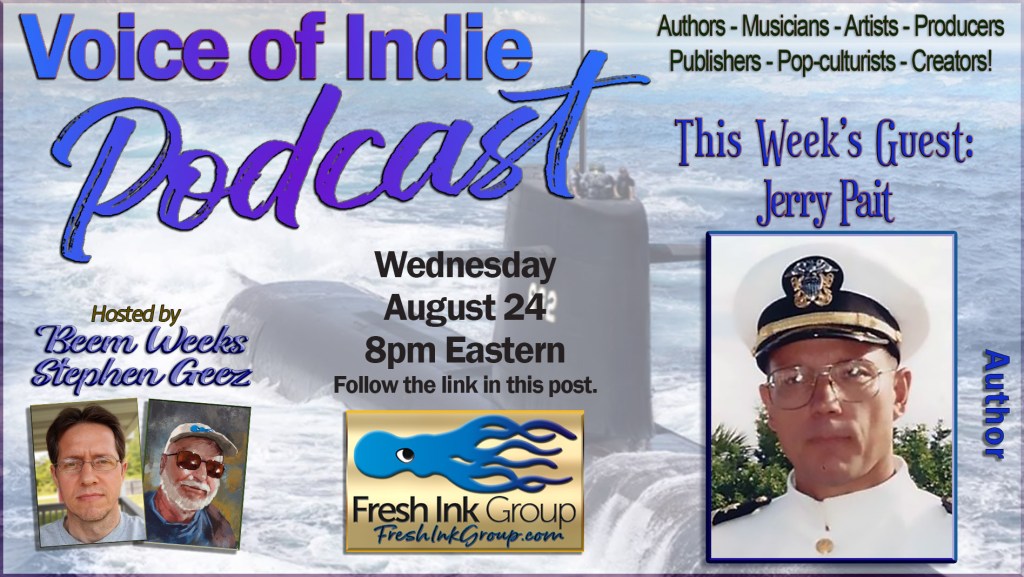
Live Interactive Podcast with Pait and Williscroft!

Call (516) 453-9902 or hashtag #FreshInkGroup in tweets during the show.
https://www.blogtalkradio.com/voiceofindie1/2022/08/25/voice-of-indie-episode-108

Order Yours!

Digital editions at 99 cents during pre-sale are available in all major ebook formats—Kindle, Nook, Kobo, GPlay, iBooks, and 200+ more—worldwide. Full-color jacketed hardcovers and softcovers are appearing at retailer sites over the next week.

Amazon

Fun Interview with my Alma Mater

Before I retired from NASA I planned for what I wanted to do when I had more time on my hands. One of those things was to pursue my interest in astrology. Of course as a physicist, that’s pretty weird, but I’ve always been pretty hard to pigeon-hole. At any rate, I enrolled in the International Academy of Astrology, pursued a rigorous course of learning that was the equivalent of a bachelors degree, and graduated from their Professional Training Module in 2012. I taught for them for a while and have always remained friends with many of the wonderful people I met there, in particular its president and founder, Ena Stanley.

I sent Ena a copy of my latest book, “The Curse of Dead Horse Canyon: Cheyenne Spirits” and she liked it so much she suggested that their media specialist do an interview with me as one of the school’s many alumni. You can view the video below and learn a little about me, how astrology came into my life, and how writing has been a driving force since I was a child and the astrological reason that’s the case.

You can view the video here.

#RWISA “RISING” WRITER – @MarchaFox #RRBC

Quote

What a pleasant surprise to discover I’m the “Rising Writer” this month! I love this group! If you’re a writer looking for a group that provides great support check out RRBC and RWISA!

via #RWISA “RISING” WRITER – @MarchaFox #RRBC

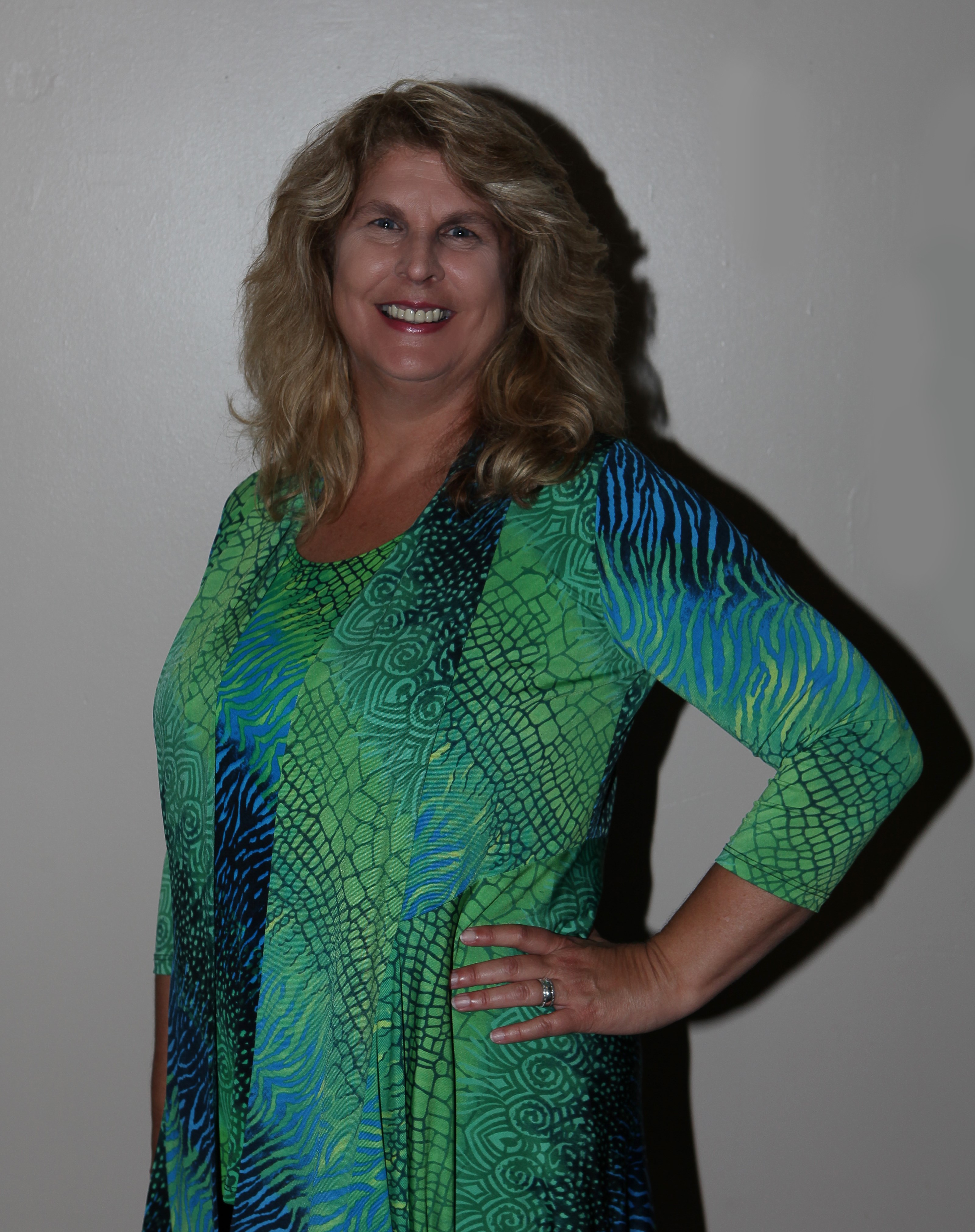
Meet Children’s Author, Wanda Luthman!

WandaLuthman

Wanda and I met in an interesting, serendipitous way. First we connected on LinkedIn, which really isn’t that unusual. After that, however, we discovered we were both going to the Space Coast Book Lovers Conference in Cocoa Beach, Florida. We were looking forward to meeting in person and then, better yet, our tables were next to one another! What are the odds? I call that something along the lines of “meant to be.”

I enjoyed visiting with her tremendously and was so impressed by her and her adorable books I wanted to pass that along. Her background in mental health and guidance counseling show through in these uplifting stories. If any of you have young children, grandchildren, great-grandchildren, nieces, nephews, are teachers, or whatever, take note! These colorful books will charm your socks off!


MF:  I grew up on Little Golden Books and fell in love with stories when I was a

preschooler. What was your favorite book as a young child and did it influence your writing?

WL:  My all-time favorite book was Charlotte’s Web. My third grade teacher read it to us at school over several days while we were waiting for the bus. I definitely believe this book inspires my writing today. While I had already started writing books by third grade, this book is one that I look to aspire to. I want children to feel something when they read my books, just like I did with Charlotte’s Web.

MF: What influenced you the most to decide to write and publish children’s stories?

WL: My daughter has been a source of inspiration for me to write. I saw the world through her eyes growing up and it got me back in touch with my inner child which is where I believe my creativity lives. But, what inspired me to actually publish was that my Pastor had written a book and something about knowing an actual person who published a book made me want to go for it. Plus, being 40 and finally over the fear of people saying ‘no.’

MF: How do you get your ideas? Are they based on experience or just come to you?

WL: My ideas bubble up from somewhere inside that I can’t really explain. However, when I look back on a story after I’ve written it, I can usually see that it came from a thought I had while riding my bike or enjoying the beauty of nature or sometimes from a song I hear.

MF: Which comes first? Visualizing the illustrations, creating the character, or the poetic rendition of the story?

WL: When I write a picture book, the words and rhyme come first. Sometimes when I’m

particularly stuck on a spot in the story/poem, that’s when a visualization will help. If I can see it, I can describe it. By seeing it, though, I mean in my mind’s eye.

MF: Do you ever do readings? If so, do you have any special experiences to share?

WL: Yes, I love to do readings. I have read at schools and libraries and once at a Barnes & Noble. What I love is looking at the children’s faces just listening intently. Afterwards, I usually take questions and I love the questions children come up with. Often they are the children that like to write themselves. I truly hope I inspire them to follow their dream of writing.

MF: Of your various characters, do you have one who’s your favorite? Why?

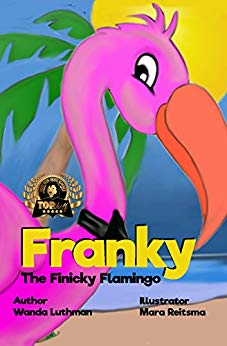
WL: I think my favorite character is Franky the finicky flamingo. He’s very colorful and wants to stay that way but doesn’t like any other birds’ food. He’s fun and unique. He also has a second book coming out where he’s trying to find his favorite drink. But, it’s not about what you think. This one has an earth-consciousness message.

MF: What’s your favorite part of writing? You least favorite?

WL: My favorite part of writing is the actual writing. When I have something inside that is pushing me to write it down and I sit down and it just flows out of me. It’s like I’m in a zone. It’s wonderful! My least favorite part is figuring out how to connect my books with readers. I love book fairs, craft shows, and school/library events but they are not always easy to find.

MF: If you could have dinner with any children’s author, living or not, who would it be?

WL: It would definitely be with Dr. Seuss. I love his writings. He is playful, yet has a message. I also love his rhyme and meter. He is my writing hero!

MF: What genre do you like to read for you? Do you have a favorite author?

WL: I read a lot of children’s books. I started reading them to keep my finger on the pulse of what was happening in the industry and then realized I liked them a lot. I guess it’s how my mind words so I connect with them. However, I read a lot of spiritual books. Ever since my Pastor’s book landed in my hands and it turns out it was a 28-day meditation book, I have become very interested in contemplative meditation which has an eastern feel to it. So, I read everything I can get my hands on about that. I find it so encouraging to meditate and soak in love and then I turn around and can give that away to help make the world a better place.

MF: Each of your books have a theme and a cleverly disguised lesson. Do you know what your next story will be about?

WL: I never know what my next story is going to be about. I have to wait for the idea to percolate inside me and then bubble up to the point I’m aware of it and have to write it down. I have already written three more picture books (one for Halloween, one for Christmas, and one for Easter). I have a full book written as the sequel to The Lilac Princess. I have an idea written as a sequel to Gloria and the Unicorn and an idea that’s been turning over in my mind for a sequel to A Turtle’s Magical Adventure. But, right now, I’m finishing up the sequel to Franky the Finicky Flamingo, the one that’s about Franky finding his favorite drink. I can’t decide between the title Franky Finds his Favorite Drink or Franky the Thirsty Flamingo. I love the alliteration of the first one but the second one sounds more like the first title. If any of your readers has input, I’d love to hear it!


Wanda’s books are available through Amazon and Barnes and Noble.

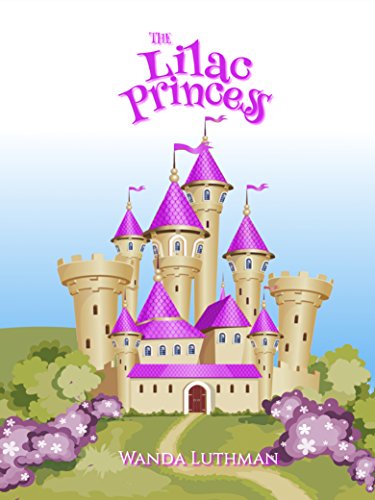
The Lilac Princess

A modern fairy tale of a young Princess with too much responsibility and not enough freedom. She is an only child to an elderly King and Queen of a Kingdom in turmoil. Upon her rests the responsibility to rescue her Kingdom one day, but for now, she is held within the castle walls for her safety. She longs to go outside just for a moment, to smell the sweet lilacs growing in the meadow. Come along on her adventure when she dares to escape the castle walls and meets a cursed dragon. Little does she know that while the dragon has an evil plan, her sweet spirit may just unravel it.

Franky the Finicky Flamingo

Franky is a finicky eater or so it seems. He tries food that the other birds like to eat but nothing appeals to him. Finally, a friend helps him discover the food that is right for him. The message is about accepting our “finickiness” while also understanding our need for the “right” (aka healthy) foods.

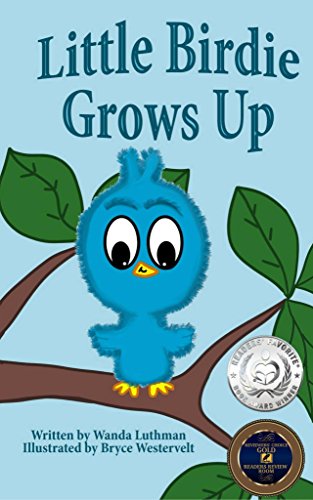
Little Birdie Grows Up

A precious story about a bird’s hatching to leaving the nest. Be warned, adults, have a tissue handy!

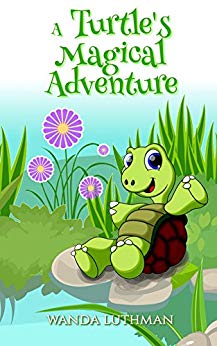
A Turtle’s Magical Adventure

A Turtle’s Magical Adventure is a charming, heart-warming story of a turtle who doesn’t like his shell because it makes him too slow. Tad asks other slow animals if they also mind being slow. Each one gives an answer that helps Tad feel better, but, still he wants to be fast. He happens upon a snake who tells him there is a wizard that can make him fast. He goes on an adventure into The Magical Timberwood Forest to meet the wizard and hopefully get his wish fulfilled. He encounters delightful, magical creatures along the way but also meets with danger and choices. Will Tad get his wish or will the wizard turn him into turtle soup?

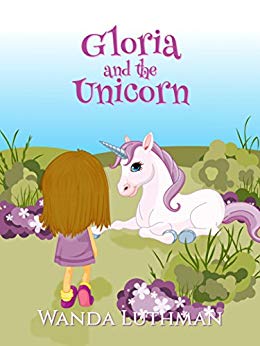
Gloria and the Unicorn

Gloria struggles with her facial disfigurement and wanting to fit in. Gloria’s mother died at birth and her father gave her to Miss Libby, the owner of a children’s home. Miss Libby loves the little girl and feels protective of her. But, it’s not until Sir Louie, the unicorn, shows up that Gloria starts to believe in herself. She has a conflict at school and never wants to go back and then she finds herself in an even worse situation; she encounters the evil Wizards of Malcadore who want to kill her. She must decide if she will face her fear of certain death to save her friend, Sir Louie, or lose him forever. Come along on Gloria’s marvelous journey with Sir Louie.

Connect with Wanda

Amazon Author Page

Website/blog

Facebook Fan Page

Twitter

YouTube

Instagram

LinkedIn

Google+

Goodreads

Ronald E. Yates: Premier Journalist in Fact…and Fiction!

Ron at Southcoast Winery

Today I have the pleasure of introducing you to Ronald E. Yates, former foreign correspondent, professor emeritus, and author of the highly acclaimed Finding Billy Battles series.  If you haven’t experienced his work, you are missing out on some of the finest novels I’ve had the pleasure of reading.  Not only do his characters jump off the page, but you’ll find yourself transported back in time to historical events of which I, for one, had little knowledge or understanding. His stories brought me to an entirely new comprehension of the Spanish-American and Vietnam Wars, as well as how and why the USA is often viewed in a negative light. You can find more regarding my thoughts on “The Improbable Journeys of Billy Battles”, second volume in his series, in my review HERE. I am now an avid fan and hooked on properly researched and objective historical fiction.

Meanwhile, here’s a glimpse of the person behind these landmark works, demonstrating that personal experience contributes greatly to the stuff of which an outstanding writer is made.


MF: You had a long and interesting career as a journalist, not unlike your protagonist, Billy Battles. Does any one particular correspondent assignment stand out above the others? If so, why?

RY: Hmmm. Let me count the assignments. There are several but I would say covering the end of the war in Vietnam between Jan 1974 and April 30 1975. The last day was chaos incarnate. Russian made 122mm rockets were slamming into buildings, 130mm mortars were hitting Tan Son Nhut airport, and the U.S. Embassy was surrounded by frantic South  Vietnamese desperate to get out of the country because they had worked for the American military or some U.S. agency. The city was in full panic mode. Several of us made our way to the sprawling Defense Attaché Office building at Tan Son Nhut and we were finally evacuated by a U.S. Marine CH-53 Sea Stallion helicopter. It was a relief until the door gunner told me later aboard the U.S.S. Okinawa that the pilot apparently had to drop flares to misdirect a SAM-7 (surface to air missile) that had been fired at our chopper.

Every year I post a story detailing the last 24 hours in the fall of Saigon. People can find it on my blog. I could add a few more such as the Tiananmen Square massacre in 1989 and the time I was taken prisoner in El Salvador by anti-government guerillas, but that would take up the entire interview.

scan0015 (2016_01_14 15_27_28 UTC)

MF: One thing that impressed me the most about the Billy Battles stories is how well you maintained his objectivity. I learned so much about historical events that have colored other country’s opinion of America. It seems the old standards of journalistic objectivity have gone the way of landlines and 20 megabyte hard drives. How do you feel about today’s highly biased reporting?

RY: As someone who spent 25 years as a journalist practicing it at the highest levels and then another 13 years as a professor and Dean at the University of Illinois where I taught journalism, I am terribly disappointed and disgusted by the lack of fairness and accuracy I am seeing—especially in Washington. It seems to me that too many journalists today see themselves as subjective opinion leaders rather than impartial purveyors of information that is fair and accurate. Coming as I did as a neophyte into the cavernous news room of the Chicago Tribune back in 1969 right out of college, I had editors who made sure that I didn’t stray from accurate, evenhanded and unbiased reporting into opinion and rumor. When I did, I heard about it from some crabby City Editor.

An even worse sin at the Tribune was the sin of omission. That occurred if you took it upon yourself NOT to report something because doing so might not coincide with YOUR interpretation of the event or your political predilection. Good journalism, somebody once said, is a nation talking to itself. Sadly, it is the public that suffers when journalists become advocates for one party or cause at the expense of providing unbiased news. Some say journalism in America is dead. I won’t go that far. But I believe it is in a coma.  

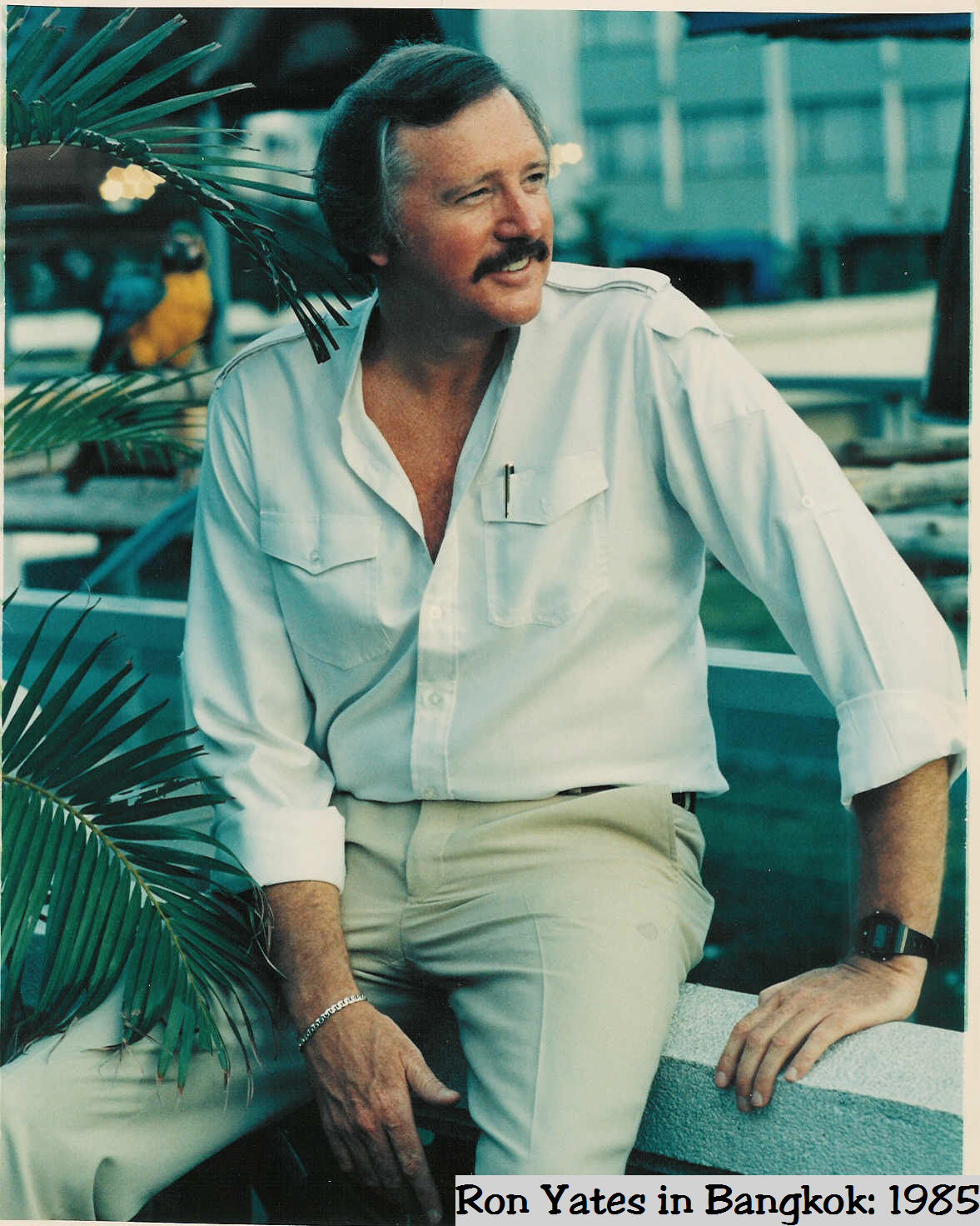
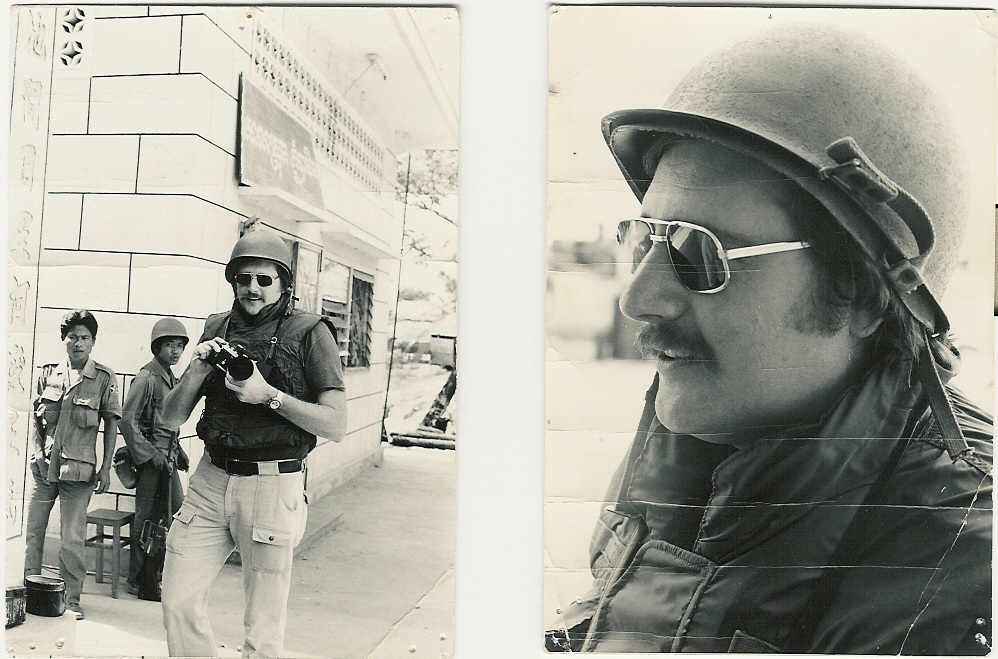
Ron Yates in Bangkok with title 2 (2016_01_14 15_27_28 UTC)MF: Billy is one of the most memorable and realistic characters I’ve encountered in fiction. Did he just spring to life or is he mostly you time-traveling to historical settings?
RY: That is very perceptive of you, Marcha. Aren’t all novels (or trilogies in my case) supposed to be autobiographical in some way? I guess if I’m honest I would agree that Billy is me time-traveling to the past. There are parallels in Billy’s life and mine. For example, both of us grew up in Kansas and we both attended the University of Kansas. Of course I graduated and Billy didn’t. We both spent a lot of time in Asia and Latin America in places like Saigon, Manila, Hong Kong, Mexico City, Veracruz, etc. We both lived in Chicago and we both worked for newspapers there. Even though my wife is German she is not a baroness as Billy’s second wife was. I only had two daughters, not three like Billy. We both owned guns. That’s where the similarities end. Unlike Billy, as far as I know, I never killed anybody.

MF: If you had access to a time machine, which period of history would you go to first?

RY: There are two periods that I have always been fascinated with. One is the 19th Century during the period my trilogy begins. I grew up in Kansas and I was always fascinated by what life was like there in the 19th Century when the state was still quite wild. One of my passions during my time in Kansas was the state’s past, with its cow towns, gun slingers, law dogs, and other assorted characters. I spent a lot of time learning about some of the people whose reputations were made in Kansas—Wyatt Earp, Doc Holiday, Bat Masterson, Wild Bill Hickok, etc.

One of my forefathers from that time knew some of these people and I used that fact in having Billy rub shoulders with them. The other is the period between 100 BC and 200 AD during the height of the Roman Empire. I would love to be able to walk through ancient Rome now that I have walked through it in the 21st Century.

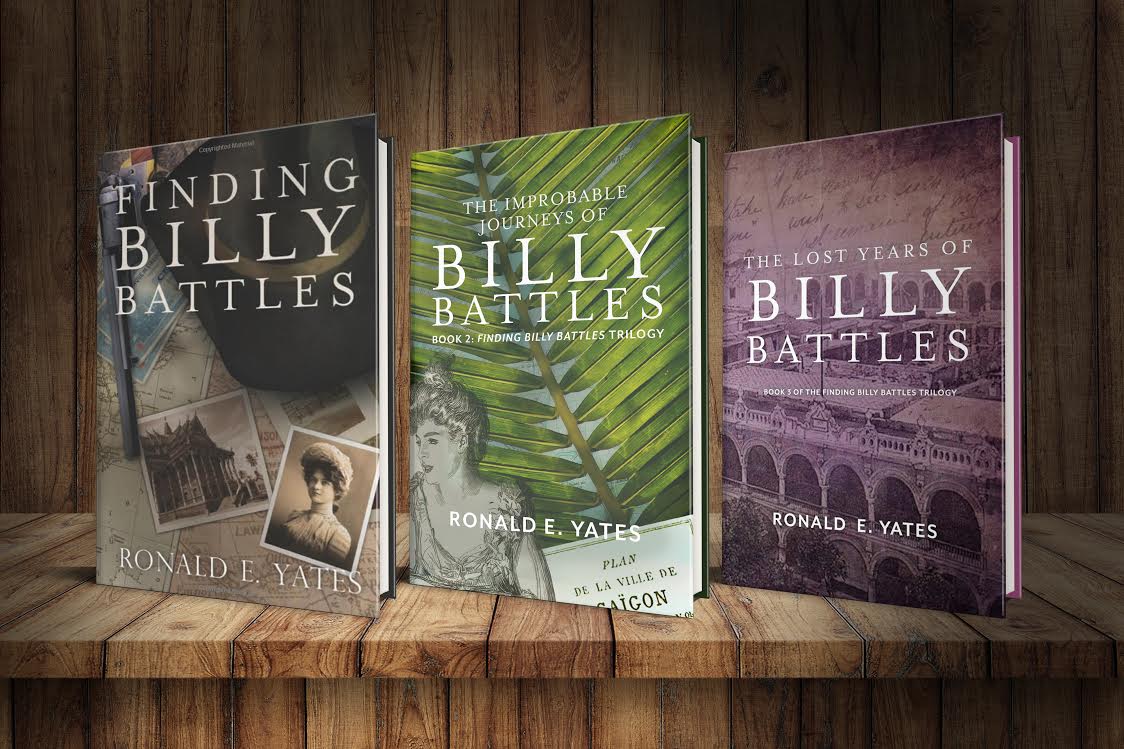
BB Trilogy 3-21-18

MF: How much harder would it have been to write your Billy Battles stories without the research capabilities of the internet?

RY: Let me see, how much more difficult? How about 10 times more difficult. The internet has opened up myriad avenues for conducting research. I have a fairly substantial library containing lots of reference books countless subjects, as well as books on Asia and Latin America, etc. because of my time as a foreign correspondent. I use those a lot—especially if I need to double check something I find on the internet that seems a bit off. Believe me, there is plenty of misinformation on the internet—even in Wikipedia, which I support annually with a modest contribution. I had a lot of books on Asia’s colonial period and those were invaluable. Same with books about 19th century and early 20th century Mexico, but I still found myself surfing the internet almost every day. For a writer the internet is an invaluable tool.

MF: Do you (or have you) physically travel to the locations where your stories take place or do you do so vicariously? If the former, what new insights and inspiration came from any of them that made a significant difference in the story?  Did any new plot twists come as a result?

RY: Because I was a foreign correspondent posted to Asia and Latin America I spent years in the places I write about in the Finding Billy Battles Trilogy. I actually lived in the same hotel (The Continental Palace) in Saigon that Billy lives in when he is there in 1894-96. In fact, I had him stay in the same room I lived in, so I could describe the scene outside his window quite accurately. I think it is really important for any author to have visited, if not lived for a while, in the places he or she writes about. There is a ring of truth that you simply cannot achieve by visiting these places virtually on the internet or in travel books, etc. For one thing, you can’t effectively describe the heat, the smells, the way a place can envelope you unless you have been there.

As for plot twists, there are a few in each of the three books. Probably the most significant one in Book 1 is when Billy encounters the Bledsoe clan for the first time and winds up accidentally shooting the matriarch of that family of outlaws. It changes his life and sets him on a path that borders on criminality. In Book 2, it has to be the way Billy and Katharina grow together despite their many differences. I hadn’t originally planned to have the two of them fall in love, but somehow they forced me to do it! In Book 3, I would have to say it is tragedy that sends Billy very definitely on a lawless path along with his cousin Charley Higgins. I won’t say any more. I don’t want to spoil the book for those who haven’t read it yet.

MF: Did you always aspire to become a novelist some day or did it simply evolve over time?

RY: I knew when I went into journalism that I wanted to write novels. But I also knew, that like Ernest Hemingway, George Orwell, Edna Buchanan, Graham Greene, and the late Tom Wolfe who started as journalists, I needed to learn the craft of writing. I needed to develop a style and I needed to develop confidence in my writing. I didn’t want to write fiction while I was still working as a foreign correspondent, but doing that job allowed me to collect scores of characters for the books I knew I would write someday. My experiences as a journalist have been priceless and vital as I transitioned from journalism to fiction. I think any author who started as a journalist will tell you that. Hemingway once said, “everything I ever learned about writing I learned from the Kansas City Star style sheet and covering the streets of Kansas City.” I could say the same about my 25 years with the Chicago Tribune.

MF: What’s your favorite part of being an author? Your least favorite?

RY: I really enjoy telling stories. It’s what I have done all my life. Journalism is essentially storytelling, but in a different format. Of course, writing fiction is quite different. In fact, I think being an author is both a curse and a gift. It is a wonderful gift if you allow the process to come to you and don’t force it. However, don’t let anybody tell you it is not damned hard work. It is. As I said, the joy of writing for me is telling a good story. I don’t care about imparting a “message.” Nor do I care about creating any hidden “meanings” that some literature professor will hold forth about in a writing class when I am no longer around to rebut him/her. I just want to tell a good story. That, to me, is the ultimate goal of writing.

The curse is that writing can take over your life, isolate you from family and friends, and turn you into a kind of inscrutable recluse if you are not careful. Writers need to take breaks from working. If they don’t I believe they run the risk of becoming stale, self-absorbed, and misanthropic.

MF: Besides Billy, who’s your favorite character in the series and why?

RY: There are a few, but if I had to single out two they would be Charley Higgins, Billy’s shadow rider cousin who has spent part of his life south of the law. Charley is a tough hombre who never shrinks from a good scrap. He is a man-killer and were it not for him, Billy might not have lived to reach old age. Then there is the Baroness Katharina von Schreiber whom Billy meets on the SS China in 1894 on the way to Asia. At first Billy is not attracted to Katharina. She seems aloof and caustic and Billy avoids her until one night she knocks on his cabin door and his life is forever changed.

MF: What’s the most fascinating historical fact you uncovered doing your research?

RY: French Indochina was home to lots of rubber plantations and I was planning on having Billy become involved with them in some way. Then I learned that there were no rubber plantations in French Indochina until after the turn of the century. So between 1894-96, when Billy is there I discovered that coffee and black pepper plantations were the main crops. I was fascinated by the black pepper plantations, how pepper is grown and harvested, etc. so I had him involved in those. I learned a lot.

MF: What are you working on now?

RY: I am beginning a book on a woman named Iva Toguri, AKA “Tokyo Rose.” I wrote a series of stories back in the late 1970s that resulted in President Ford giving her an unconditional pardon. Iva was convicted in 1949 on one of eight counts of treason—one of only 11 Americans ever convicted of treason in American history. However, that one count was based on the testimony of two men who confessed to me that they had been forced to lie at her trial. “Iva never did anything treasonous,” one of the men told me. “Just the opposite. She was fiercely pro-American.” The two men asked for Iva’s forgiveness. They never got it. And with good reason. As a result of their lies Iva spent 6-1/2 years in Alderson Federal Women’s Prison, was fined $10,000 and essentially lost the rights of American citizenship. Those convicted of treason can never vote, never be certified for any profession, never get a passport. My stories went all over the world and, as his last act as president, Ford pardoned her. Iva and I got to be good friends. She lived on the North side of Chicago while I was with the Tribune. We had planned a book together, but in 2002 she suffered a minor stroke and we never got the book off the ground. She died in 2006, but she always told me she wanted to tell her story in her own words. That’s what I plan to do in this book.


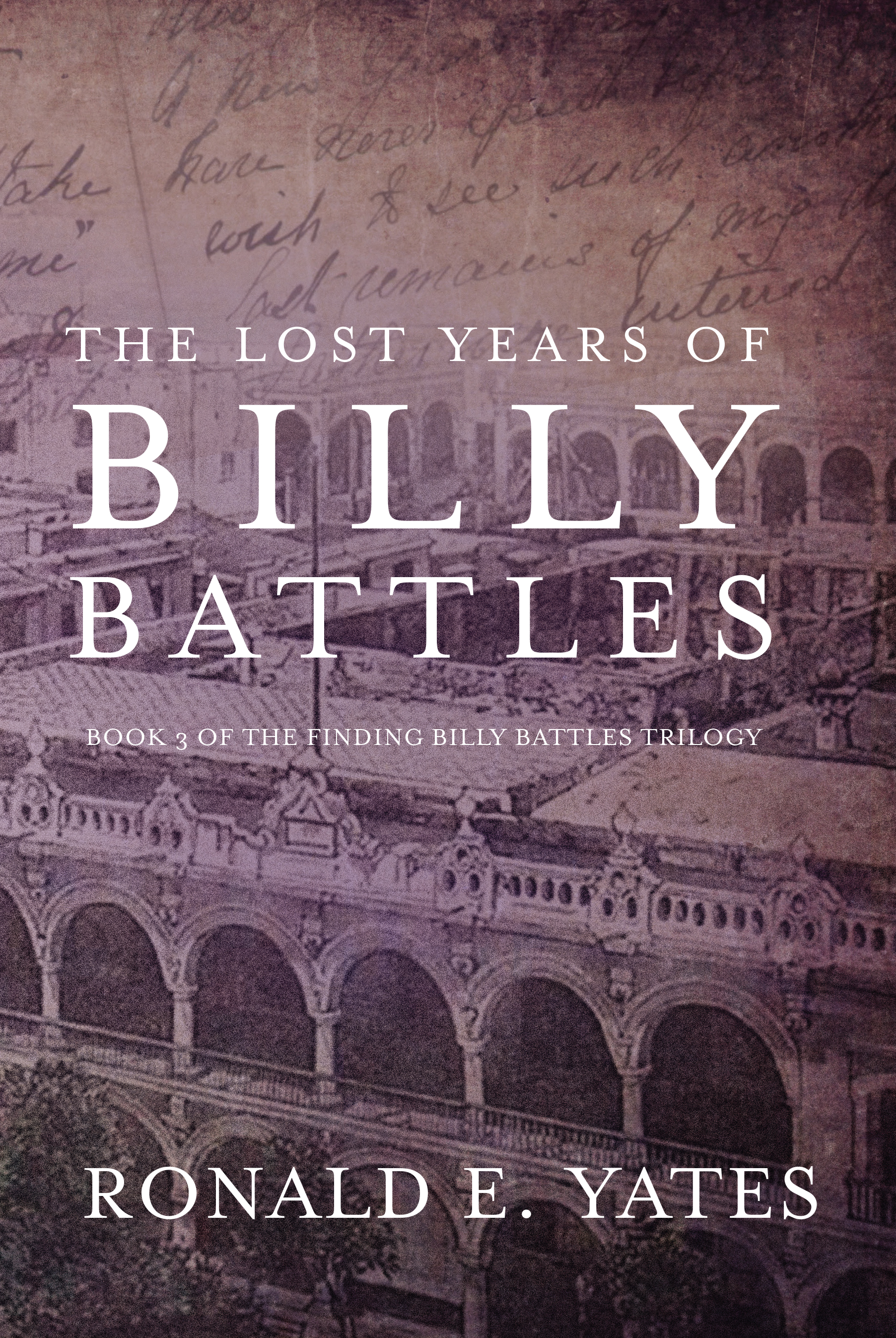
9781545632819_cov2.inddBilly Battles: The Lost Years, third and final volume of the trilogy, is now available as an ebook; the print version will take a few more days. If you haven’t already enjoyed the other books in the series, you probably should start with them so you can travel alongside Billy, witness his progression as a character, and chronologically experience history through his eyes.

Link to Finding Billy Battles (Volume I)

The Improbable Journeys of Billy Battles (Volume II)

Billy Battles: The Lost Years (Volume III)


“What’s Breaking Your Budget” — The Title Says it All!

bustingbudgetcover

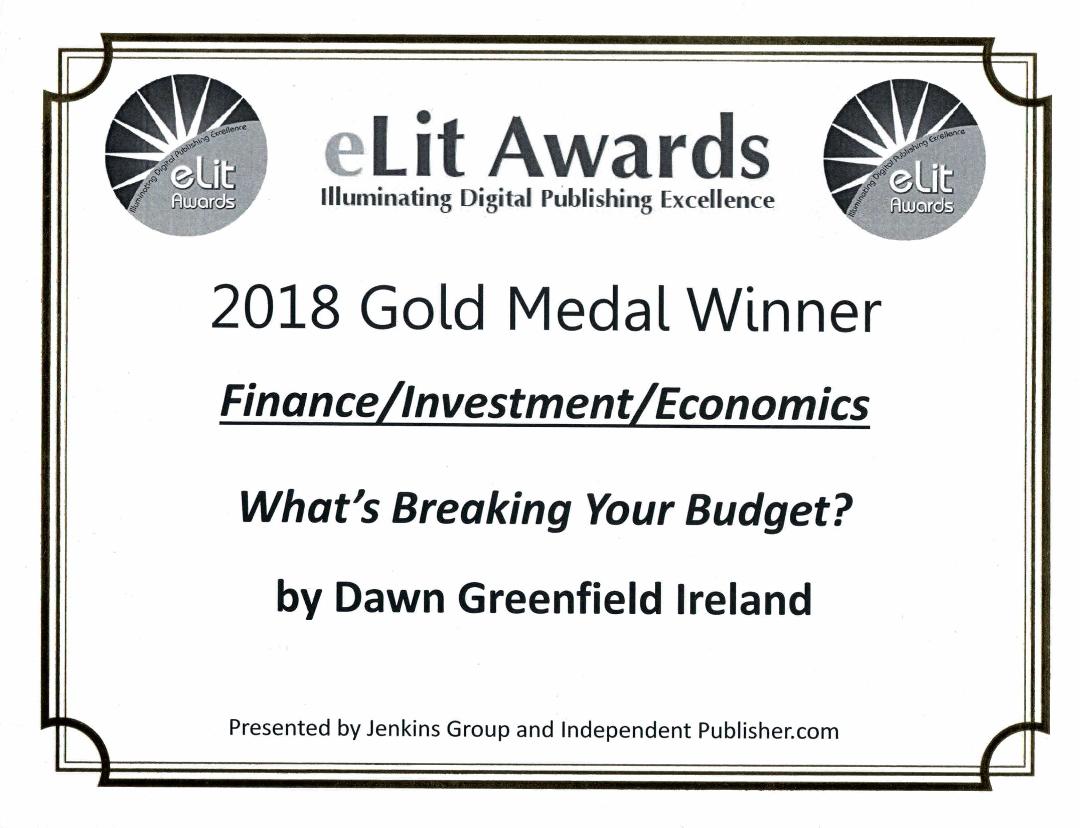
The title of this book says it all. Who doesn’t have financial challenges these days? If you’re looking for some practical help, you’ll find some here. In fact, an objective third party certainly agrees since “What’s Breaking Your Budget: A Foolproof Household Plan” just won an award. This called for a quick interview with the author, Dawn Greenfield Ireland, to help spread the good news.


MF: Your book, “What’s Breaking Your Budget,” just won a gold medal from The Jenkins Group. That’s a huge testimonial to its quality and content! What inspired you to write it?

DGI: What’s Breaking Your Budget is the son of Mastering Your Money, a tiny book that won the eBook category of the New England Book Competition. I’d like to get MYM in every school across the land because people have no clue how to keep manage their checking accounts.

The Budget book would be excellent for anyone who is starting over after a divorce or any life crisis, people drowning in debt, people who have lost it all, and just because they should learn how to manage their money.litaward

MF: That’s so true. So many are clueless, plus things change, which often calls for re-evaluating your financial resources. You mentioned having an audio course that goes with the book. Will it contain different material than the book or complement it in some way?

DGI: The online course and the paperback will be available Summer of 2018.

The online course may have more in the audio, but typically, I offer it because many people like to listen to books instead of reading. With the online course they will see the graphics in the book and hear me narrate the content.

MF: It sounds like a great thing to listen to, making the advice seem more personal. What better way to use your time driving to or from work than to learn how to use the money you earn more effectively! Why do you think people have so much trouble managing their money? Do they not make enough or is it a discipline problem?

DGI: For the most part, people don’t understand their money patterns. And they suffer from the “gimme gimme I want I want” syndrome. Learning to live within your means is a challenge. This is something that What’s Breaking Your Budget tackles.

MF: So true. There are far too many temptations out there. So many can’t tell the difference between a “want” and a “need.” What are some of the things readers will learn from your book?

DGI: The subtitle of What’s Breaking Your Budget says it all: A Foolproof Household Plan. People will understand their income and their obligations. That may sound simple, but one of the reasons people get into financial trouble is because their minds are too scattered. The book/course includes an assignment – a serious homework assignment for the entire household to undertake.

When I taught the course in Houston, the people who attended were shocked at their discoveries. This tiny book is a powerhouse of insight and information. Owning up to your contribution to your plight may be tough, but I like to say it’s time to pull up your big girl panties / big boy BVDs and tackle the problem once and for all.

MF: Absolutely. People get into their financial trouble in most cases on their own and need to get out on their own. Of course there are exceptions, like unexpected expenses, but in general, we all need to learn how to live within our means. Where is your book available?

DGI: What’s Breaking Your Budget is available on my website dawngreenfieldireland.com, Amazon, iBook Store and Kobo. If you’re on Goodreads, you can find it there as well.

MF: Thank you so much for joining me today. I’m sure there are plenty of people out there who will benefit from some sound financial advice.


About the Author

ME - 3-2017Dawn Greenfield Ireland is the author of several award-winning books and screenplays. To date she has written seven novels (three contemporary mystery and four science fiction), three nonfiction books, 15 screenplays (comedies, dramas, one horror, action adventure and science fiction), and three short scripts. Her former day job as an award-winning technical writer (34 years) played a major role in her fiction writing – she is detail-oriented, stays within budget and never misses a deadline. She writes full time in addition to editing books for authors, and coaching people through the writing process.

Connect with Dawn

Email: dawn@dawngreenfieldireland.com

Website: http://www.dawngreenfieldireland.com

Facebook: www.Facebook.com/dawn.ireland.18

Twitter: www.Twitter.com/dawnireland

Instagram: www.Instagram.com/DawnGreenfieldIreland

Robert Eggleton: The Man Behind a Landmark Story to Combat Child Abuse

roberteggleton

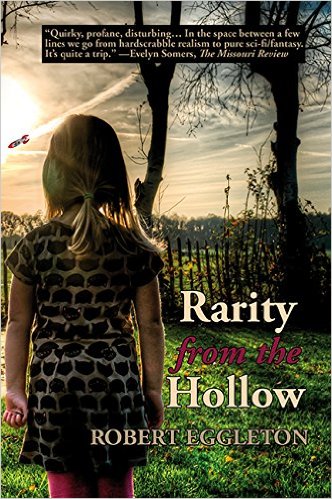
Child abuse is not only tragic, but complicated. It sullies all economic classes and cultures with no easy answers. Author Robert Eggleton, a child advocate of many years, has been in the trenches fighting this social ill for decades. His debut novel, a science fiction comedy entitled Rarity from the Hollow, evolved from his experiences, and he donates half of the sales proceeds to the West Virginia Children’s Home Society. I’ve read it and it’s not only outstanding but well-worth reading. You can find the review I wrote a while back here.

I’m honored that Robert agreed to an interview that will not only educate readers to the depth of the problem, but show this cultural warrior’s dedication to do whatever he can to combat this serious societal problem.

* * * * *

MF: Your career as a children’s advocate and counselor gave you first hand knowledge of the problems depicted in “Rarity from the Hollow.” At what point did you get the idea to incorporate your decades of experience into a story?

 RE: The characters in Rarity from the Hollow are more real than not. They are based on people that I’ve met during over forty years in my role as a children’s advocate in an impoverished state. The concept of sensitizing people to the huge social problem of child maltreatment through a comical and satiric adventure demanded that I use realistic characters. During my career, most of my jobs required the production of written materials – service models, policy, research…. In 2002, I went to work as a children’s psychotherapist for our local mental health center. It was my first job that my longstanding need to write was not, in part, met by performing within my scope of employment. – nonfiction published by public and private agencies in the field of child welfare, much of which is now archived by the West Virginia Division of Culture and History.

Part of my job at the mental health center was to facilitate group therapy sessions. In 2006, I met the real-life Lacy Dawn, the protagonist of my stories during one of those group psychotherapy sessions. She was an eleven year old empowered survivor of extreme child abuse and spoke about her hopes and dreams for a bright future. Although I’m not sure that it was a conscious decision at the time, I incorporated my experiences as a children’s advocate in her story because that is what I know best about life – hopes and dreams for the future despite any adversity.

* * * * *

MF: Those of us who are horrified by child abuse usually don’t want to read about it. While it’s a necessary component of the story, it nonetheless may be preventing some from reading it. Is there anything you’d like to say to these folks?

RE: Yes. While I believe that readers of my novel will become increasingly sensitized to child maltreatment, it is a fun read with tragedy amplifying the comedy and satire, as stated by some of the book’s reviews:rarityfrom the hollowcvr

“…a hillbilly version of Hitchhiker’s Guide to the Galaxy, only instead of the earth being destroyed to make way for a hyperspace bypass, Lacy Dawn must…The author has managed to do what I would have thought impossible; taken serious subjects like poverty, ignorance, abuse, and written about them with tongue-in-cheek humor without trivializing them…Eggleton sucks you into the Hollow, dunks you in the creek, rolls you in the mud, and splays you in the sun to dry off. Tucked between the folds of humor are some profound observations on human nature and modern society that you have to read to appreciate…it’s a funny book that most sci-fi fans will thoroughly enjoy.” http://awesomeindies.net/ai-approved-review-of-rarity-from-the-holly-by-robert-eggleton/

“…I usually do not read or review books that discuss child abuse or domestic violence; however, I was intrigued by the excerpt and decided to give it a shot. I am glad that I took a risk; otherwise, I would have missed out on a fantastic story with a bright, resourceful, and strong protagonist that grabbed my heart and did not let go…if it does not make you think, you are not really reading it….”  http://www.onmykindle.net/2015/11/rarity-from-hollow.html

“…Full of cranky characters and crazy situations, Rarity From the Hollow sneaks up you and, before you know it, you are either laughing like crazy or crying in despair, but the one thing you won’t be is unmoved…” https://readersfavorite.com/book-review/rarity-from-the-hollow

* * * * *

MF: Your career must have been tremendously painful at times. How did you cope with it?

RE: I can’t remember a day since I entered the field in 1973 that I didn’t take work home with me, emotionally. For example, many tears were shed on one investigative report that I will never forget writing – “Daniel’s Death, West Virginia’s First Child Maltreatment Fatality Report.” I had to write that report at home because I didn’t want to become a mess at work – the West Virginia Supreme Court where everybody was dressed up as emotionally detached professionals. Despite the conviction of the parents, the term “murder” was edited out of my report, and I now agree that it became a more effective product because of the great editing. My state established a child fatality process, in part, as a result of this report.

A very short time after entering the field of child welfare, I focused on effectiveness of my work. This coping skill served me well as it increased over the years. All of the tears in the world will do little to help needful children, and my internalization of this fact kept me strong. That’s why I didn’t want Rarity from the Hollow to be a depressing or an emotionally draining story. I could have written another novel like Push by Sapphire, which I watched in 2009 as a movie backed by Oprah: Precious. But, I didn’t feel that this masterpiece was effective as a social change agent, so I wanted to produce a novel that people would enjoy reading, not just one that was merely meaningful.

* * * * *

MF: What do you think is the underlying cause of child abuse? Is there one thing that could greatly improve the situation?

RE: Rather than causation, let’s look at some of the correlates of child abuse:

  • undiagnosed or untreated mental health issues experienced by parents, such as Bipolar Disorder, Intermittent Explosive Disorder, or PTSD;
  • addiction or substance abuse by parents;
  • lack of economic opportunity within geographical areas, including when children are sold or traded by their parents as a source of income;
  • lack of support services for struggling families, especially including when children have mental or physical disabilities, such as ADHD, mental retardation, or demanding physical handicaps;
  • cultural or subcultural values, including sexism, within, as examples, religious cults or organizations that demean the value of women and children or which protect those who use extreme corporeal punishment or hide offensive behaviors of its members, such as sexual abuse;
  • insensitivity to the issue of child abuse, or failure to enforce existing laws, such as mandatory reporting by professionals involved with children;
  • failure to perform ethical duties by professionals, including intentional disregard by law enforcement, doctors, teachers, or religious leaders because they don’t want to get involved in potential child abuse cases;
  • parents who were abused as children and as a generational effect due to lack of treatment for the parent as victims;
  • parental stress related to bills and inadequate income – the parent simply losing self-control and later regretting and hiding the child abuse for fear of losing custody;
  • the natural mistrust felt by children when considering telling on adults who maltreat them, especially relatives or those adults in positions of authority.

This list is not exhaustive and I’m sure that you, Marcha, can come up with additional correlates. Several of these issues were addressed in Rarity from the Hollow. However, I do want to emphasize that there is nothing that blames or that is preachy in my story. Child abuse is not a simplistic good vs. evil issue, although the last item that I want to add to the list is PURE EVIL! During my career, I have met child abusers who have no identifiable redeeming quality and to qualify their abusive behaviors with a mental health diagnosis diminishes the significance of their evil.

The one thing that I think would help decrease child abuse is the belief that it is preventable. Being a parent is a tough job and “it takes a village” to raise a child. While some people might object to funding community-based supports for needful children and their parents, it costs a lot more in the long run if we close our eyes and ears to ignore this huge social problem.

* * * * *

MF: Dot Com’s artificial intelligence evolution was hilarious. Did you have an underlying message in mind with regard to where AI could possibly go?

RE: While I’ve appreciated compliments by book reviewers who have spoken about my wild imagination, I want to confess that the fantastical means employed by the alien in my story to treat the parents were based on today’s medical reality. Dwayne, the abusive father was a war damaged Vet experiencing anger outbursts and night terrors. The mother was a downtrodden victim of domestic violence who had lost hope of ever getting her G.E.D. or driver’s license, or of protecting her daughter. Diagnosis and treatment of these concerns affecting the parents, as representative of many similarly situated, was based on emerging technologies presented at the 2015 World Medical Innovation Forum: https://worldmedicalinnovation.org/ . Yes, in real life, like in my story, patients have been hooked up to computer technology for medial diagnosis and treatment.

Additional exciting research was presented at that Forum and may one day may revolutionize psychiatric treatment. Most relevant to my story were: (1) smart brain prosthetics, wireless devises being tested for potential to relieve depression, PTSD, Bipolar Disorder…neural engineering to manipulate brain signals; (2) sophisticated imaging systems that are minimally invasive to brain circuitry for diagnosis (3) and, healing the brain with neuromodulation and electroceuticals to treat depression and schizophrenia. http://hitconsultant.net/2015/04/30/tech-revolutionize-neurological-psychiatric-care/ I expect that medical science will continue to evolve and hope that it prioritizes treatment of those who most inflict injury on others.

* * * * *

MF: What drew you to writing? Is writing fiction something you’ve always aspired to or did it develop later?

RE: Writing is a compulsion for me. It doesn’t have to be fiction, but I couldn’t stop no matter how hard that I tried.

* * * * *

MF: Do you have any plans for a sequel to “Rarity from the Hollow”?

RE: The next Lacy Dawn Adventure is titled “Ivy.” It’s about an alien invasion of Earth, exploitation for mineral content, and the primary weapon used by the invaders is the addiction to a drug that causes narcissism or extreme ego centrism.

* * * * *

MF: You have a definite knack for dry humor. Any thoughts toward writing a book that lacks the darker elements?

RE: As a debut novelist, I’m still working on finding the compromise between aspiring to achieve literary excellence as avant garde and mainstream consumer expectations. Perhaps because this project is also an effort to raises funds to help abused children, yes, I have recurring thoughts about writing a book that lacks darker elements. I very much appreciate your finding that: “I can picture American Lit professors sometime in the distant future placing this masterpiece on their reading list.” But, some of these children will not live to see the future if more is not done to help them now, and I want to contribute.

* * * * *

MF: I suspect that most intelligent people at one time or another have thought that some people shouldn’t be allowed to reproduce. What are your thoughts on the matter?

RE: I try to stop myself from getting emotionally involved in should or should not type of issues. I’m sure that you noticed that the political parody in Rarity from the Hollow, unlike Animal Farm that you compared it to, was not preachy. I don’t know the answers to the most important questions that humans ask, and whether or not to reproduce given the totality of circumstances is one of life’s most important questions. If you remember, Lacy’s cousin in Rarity experienced a preteen pregnancy, an occurrence that may be correlated with human misery, but the baby became the pride and joy of the entire extended family.

I respect an individual’s right to self-determination, including about reproductive rights. For example, abortion is part of the animal kingdom and not unique to humanity. From rabbits living in overcrowded warrens, to orcas off the coast of the state of Washington aborting sixty percent of pregnancies, or Canadian caribou…while grief is impossible to measure, only humans seem to face such moral dilemmas about reproduction as you presented to me as a question.

As a notation about my personal values, although the National Organization for Women was established in 1966, I live in West Virginia and it wasn’t until 1969 or so that I participated in its first march in my state, one of the very few males to attend. I believe that this affiliation sums up my thoughts about reproduction and most humans.

Increasingly, medical sciences have presented findings that help us understand ourselves, including those of us who have mental illnesses, intellectual disabilities such as Downs Syndrome, and other, sometimes genetic, problems that could be passed on to offspring. Other fields have also presented information about cultural, religious, and sociological practices and beliefs that could be regarded as harmful to humanity if passed on to offspring. For example, Rarity presented the issues of immigration, extreme capitalism, and consumerism and its impact on the exploitation of one geographical area by members of a more aggressive geographic area –  beliefs, values, and practices that could be passed on to offspring, as well.

I believe that for me to express that a person with Downs Syndrome, for example, should be prevented from getting pregnant would be the same as saying that a very wealthy, greedy, dishonest, and exploitive member of the “High Class” should be prevented from getting pregnant because both scenarios present risk to humanity. Plus, there are no absolutes in life. The baby born with Downs Syndrome might experience a wonderful life that fills others with meaning and happiness. The baby “destined” to become a spoiled rich kid might, instead, turn out to become a great philanthropist.

All that said, in answer to this highly philosophical question, I respect the opinion of anyone who takes the time to educate oneself about the issues and who doesn’t propagandize or lie to promote one side or another.

* * * * *

MF: If you were king of the world for a day, what message would you deliver to the people of the planet?

RE: As King of the World for a day, my message would be:

Life is short, the blink of a cosmic eye from one generation to the next. Keep your eyes on the road and your hands on the wheel so that it ends at your correct destination.

Thanks, Marcha, for providing me an opportunity to tell your readers a little about myself and my debut novel, Rarity from the Hollow.

MF: You’re certainly very welcome, Robert. I’m touched and impressed by your knowledge and dedication as you continue to do what you can to combat this horrific practice.

* * * * *

Here’s a short book trailer video:

Rarity from the Hollow is available at most sales channels, including K-Mart and Books-A-Million, and is also available electronically. Half of all proceeds are donated to the Children’s Home Society of West Virginia. You can pick up your copy on Amazon here.

What do Wacky Sci-Fi, the LSAT, and MCAT have in Common?

I certainly never would have thought avant garde science fiction and entrance test preparation manuals for law or medical school would have anything in common–until I came across author, Jay Cutts. Our “meeting” was in a somewhat notorious manner, in that he gave one of my books a rather scathing review, replete with a grammar lesson about the use of periods. However, after my initial tantrum, I had to admit he was correct, so subsequently edited the book accordingly, sent him the revised copy, and he generously improved the book’s rating. It was during this correspondence that I discovered that, in addition to being a grammar Nazi, he was a fellow author as well as a professional editor.  After sampling his brand of humor in his novels on his website, I wanted to know more about him, so asked him for an interview. Indeed, he is as diverse and unconventional as I suspected. To wit:

MF: I find it fascinating that your writing spans such diverse writing skills, i.e., editing study guides for the LSAT and MCAT versus the wacky humor of Death by Haggis and Annie Gomez and the Gigantic Foot of Doom. Conveying facts and editing are left brain activities while fiction falls more on the right. Which talent were you aware of first? Does one come more easily than the other?

JC: Yes, it’s true that I’ve edited and/or written thousands of pages of science and logic! Actually, it feels to me that real creativity requires both some “organizing” skills and some “wild fantasy” skills. The trick is to keep my imagination from going crazy when I’m writing non-fiction stuff. My publisher has to make sure I haven’t included bizarre aliens in my test prep materials. In the LSAT book I did include a logic dialogue between my dog (Baxter) and the neighbor’s dog (Beardsley). I finally confessed to my editor but she said not to worry. All authors do that. Of course, the dialogue was pure fiction because Baxter NEVER talks to Beardsley, stuck-up little mutt that he is.

MF: I can see that. And cats are even worse. Tell us about your educational background. Where did you go to school, what did you major in when you were in college, etc. If you were to go back to school now, what would you study?

JC: I went to the University of Michigan, where I tried to major in (in chronological order) chemistry and/or cooking, psychology, anthropology, and linguistics. I eventually managed to complete the linguistics degree. Many  years later I got a masters in special education.

If I were to go back to school now, I would be anxious for summer vacation to come! I have always loved summer vacation more than anything.

If I had to take classes, they would be in dance and jazz piano.

MF: I can relate. Summer was always my favorite, too. Who are your favorite authors? Whose work do you enjoy most and why? Did any one in particular influence you more than the others?

JC: Terry Pratchett is my favorite. He has a wonderful sense of humor, a great imagination and really captures the human condition. I’ve never read anyone else with his combination of qualities. I also like Kage Baker, Jasper Fforde, Connie Willis, and Douglas Adams. I once read a Terry Pratchett novel in Slovak. It’s amazing how well he writes in Slovak!!

MF: I’m impressed that you can read Slovak! What’s the most unusual job you’ve ever had? What did you learn from it? Has it affected your writing in any way?

JC: I once cleaned houses. It affected my writing in that my hands were too sore to write!

MF: Harsh detergents can do that. Tell us about the concept behind your books. How did you get the idea for them? Do they have a hidden message?

JC: Death by Haggis had a very interesting genesis (as explained in its intro.) I have an old friend, Terry Boothman, who is a great writer with a wonderful sense of humor. We often email back and forth a dozen or more times  a day with riddles and jokes.

At one point I suggested to him that he send me the first line for a novel and that I would write back. Continuing in that way I figured we could complete the book in a couple weeks. He did send me a wacky first line and I responded.

I found that every time I tried to develop a plot, he instinctively destroyed whatever I had started. That made for an amazing challenge. Eventually he dropped out of the project and let me finish it myself. The basic plot and characters of the story, however, were set in those early exchanges that were random and chaotic.

I wrote Annie Gomez and the Gigantic Foot of Doom because one of my Barron’s (test prep publisher) contacts said they were now publishing YA fiction. I asked him if he had a particular request for a type of story that he thought could sell. He said I could just write whatever I wanted.

A year later I sent him the result, which he said was very nice but they don’t really publish sci fi. Oops.

In any case the character of Annie was inspired in part by my granddaughter and I hope some day she will read it!

MF: For what it’s worth, I gave a copy of it to my granddaughter for Christmas and I hope she’ll read it, too! Maybe even give you a review, since she’s an aspiring author herself so should appreciate the concept of reviews! What is your life like outside of writing?  Is there anything you would like us to know about yourself and your books?

JC: When I’m not writing, I sometimes take a three minute break for a sponge bath and to open a random can of, hopefully, food from the kitchen.

Just kidding.

I like to dance (especially with my sweetie), play the accordion and piano, garden, travel, study strange languages, go to meditation retreats and roller skate with my granddaughter.

MF: My paternal grandfather was a linguist, but he had the ill-grace to die before I was born. Supposedly, he spoke nine languages. You’re a brave soul to roller skate, which I gave up in 9th grade after breaking my tailbone. Who (living or dead) would you like to invite for dinner? What would you like to know about him or her?

JC: I would invite the living. It’s hard to know what to cook for the dead. They are so picky. And I hate it when the food dribbles out of their mouths like that. Yuck.

MF: There’s that logic side of yours coming out again. Switching to the creative, is there any particular song you’d pick to go with your books?

JC: House of the Rising Sun. Three drunk guys once paid me $20 to play it on the accordion on the streets of Tempe, Arizona. I have a feeling that the next day, they wondered what happened to all their money.

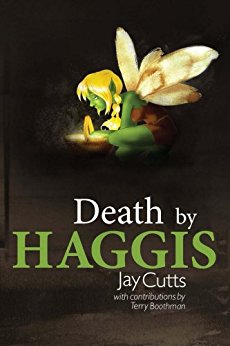
deathbyhaggisNo but seriously folks, I did produce a trailer for Death by Haggis and it has some cool detective-y music. It’s on youtube here. If the book is ever made into a movie, it could have some eery Scottish music in it. And of course some Greek music when the hero arrives in the Aegean.
I’ve never thought about music for Annie Gomez and the Gigantic Foot of Doom. It’s about teens so I suppose it would have to have some godawful rap music in it. Just sayin’.

MF: Will there be a sequel to Annie Gomez and the Giant Foot of Doom or Death by Haggis? If so, do you have anything you’d like to tell us about it or a target day for its release?

JC: I don’t have plans for sequels for either. I’m waiting for all you fans to beg me desperately to write more.  In the meantime I’ve been very much enjoying writing short stories. I’ve poured my heart and funny bone (assuming one can pour a funny bone) out into them.

I’m thinking of publishing a collection of short stories woven together by an overall story, possibly based on a Time Lizard, who may just happen to have appeared – though not identified as such – as a character in Annie Gomez.

MF: Some of these characters who just appear are among the best. Anything else you’d like to tell your existing and potential readers and fans?

JC: Eat a nectarine. Half a peach, half a plum. It’s a hell of a fruit. And never run for a bus. Just stroll, jaunty jolly. (Shamelessly quoted from Mel Brooks’ 2000 year old man.)

Other than that, if you like humor in your sci fi/fantasy and admire writers like Terry Pratchett and Douglas Adams, please do browse through my website at cuttsbooks.wordpress.com

I also send free short stories monthly to my Twitter followers. I’m at @jaycuttsbooks.

Thanks for allowing me to do an interview. I enjoy being in touch with readers and writers!

MF: Thank you, Jay, for sharing your wit! I hope my blog readers check out your books, which can be found on Amazon by following these links:

Annie Gomez and the Gigantic Foot of Doom

Death by Haggis

Calling All Bibliophiles!

2017 WC&BE Badges

Whether you’re an avid reader, an aspiring writer, or published author, there’s something for you at RRBC’s Writers’ Conference and Book Expo. It’s open now and will be online until October 30.

Come meet dozens of outstanding authors, many of which are award winners, learn about their often amazing backgrounds, and explore their many books. Most of us are sponsoring a giveaway and all you have to do to enter is leave a comment on our author page! Be sure to stop by my Author Page for a chance to win an 8 gigabyte USB card preloaded with the Star Trails Tetralogy, including my latest release, “The Terra Debacle.”

Don’t miss the raffle, which has some spectacular prizes. For only $5, you get a chance at a virtual gift basket worth approximately $100 in gift cards! You can sign up here.

While you’re there, be sure to check out my Astrological Services page to discover how astrology can be a writer’s best friend, whether it’s timing a book release or rounding out a character.

Hope to see you there!