Meet Inger Margaret Foster, Author and Screenwriter

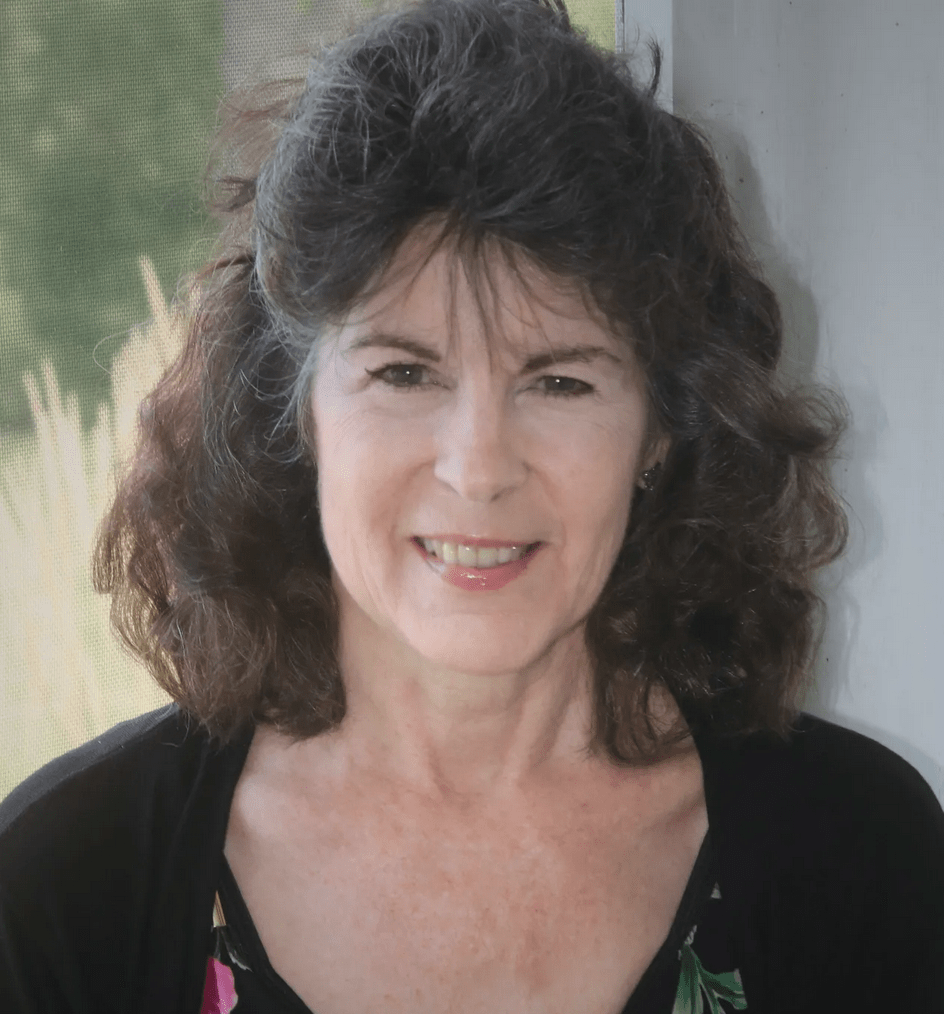
Inger Margaret Foster is an author and screenwriter who writes primarily for a young adult audience though the depth and feeling imbued in her books make them a great read for all ages. If you’re looking for a book loaded with love, compassion, and strong characters dealing with life’s problems, these are for you. In many cases they contain “mystical realism” that brings a touch of the paranormal, adding to their charm. If you or someone you know, especially a young adult, is dealing with a certain challenge right now, check out her books for one that might help them understand and cope with it better by feeling less alone.

You can learn more about Inger on her website. Be sure to check out her blogs that often spill a few secrets and/or background about her stories. All her books are available on Amazon with all but the children’s paperbacks available through Kindle Unlimited.

Me: When did you first know you wanted to write stories?

Inger: I’ve always loved reading. I attended an amazing public school system, where we were exposed to the classics early on. We read Shakespeare in the fifth grade! That foundation paved the way to writing.
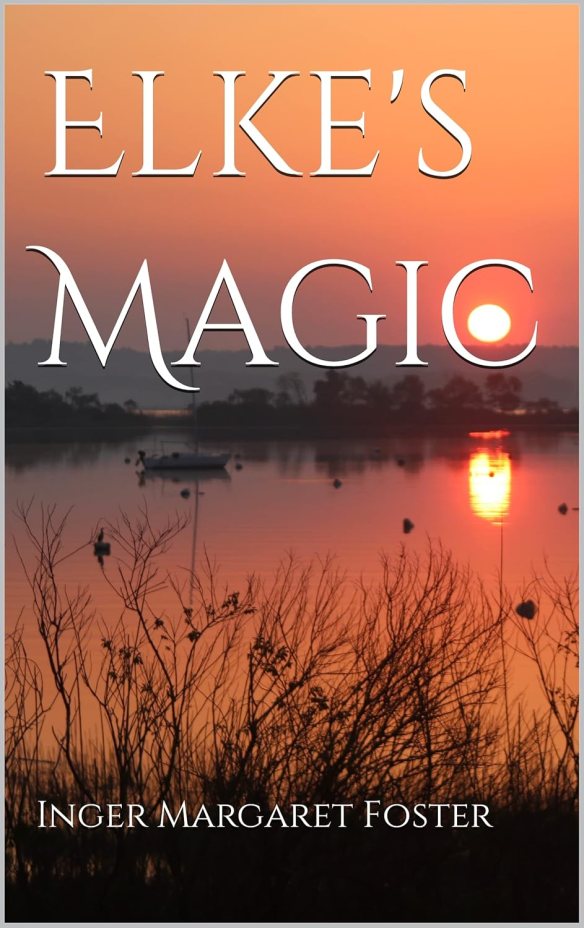
Elke's Magic book cover

Me: That’s awesome! It’s too bad they don’t still do that. What was your first story about? When did you write it?

Inger: One that I remember clearly was written in college, and it was drawn from a true life story from my mother’s home town about two brothers out fishing, with a gun in the boat. The youngest boy held up the gun, pretending to shoot his brother. And the gun accidentally went off, killing the older boy. I called the story “Brothers” and I wrote it from the younger boy’s perspective.

Me: Wow! What a sad story.  But that shows you have a strong sense of empathy and ability to relate to people’s feelings.  Your stories tend to have a connection with the “other side” and paranormal events. Have you had similar experiences yourself?
Inger: Yes! Many times! To me, interaction with spirit is comfortable and completely normal. My stories fall under the realm of Magical Realism, the juxtaposing of the magical aspects of unconventional elements with reality. And many of the storylines are the product of an urging from what I can only describe as other worldly sources.

Me: I love that! I think we get nudges like that a lot if we just learn to listen. Do you have a favorite character? If so, which one is it?

Inger: Yes. But don’t tell the other characters!  Elke is my favorite.  Even though her character is not present in all of the books, she is the reason for the series.
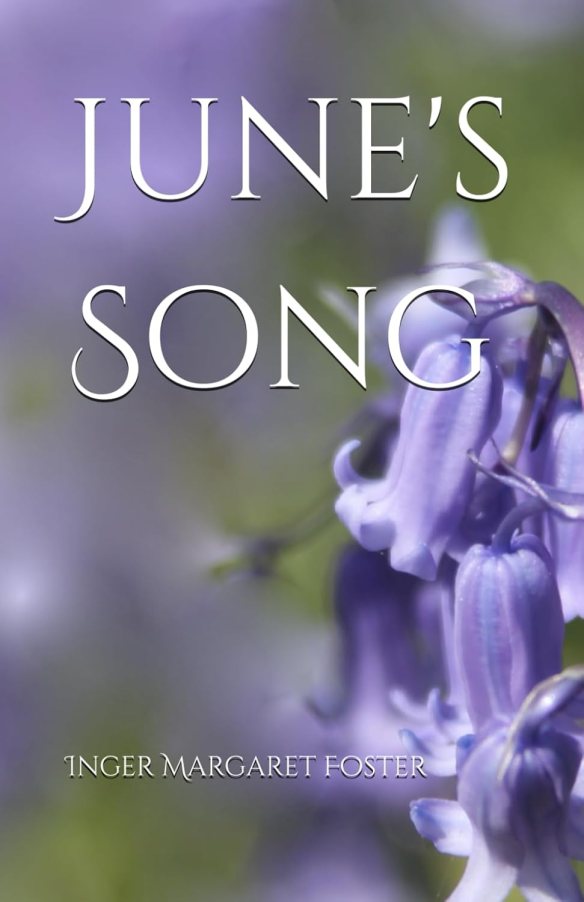
June's Song book cover

Me: She is indeed charming, someone I’d love to know in person. She does remind me of my neighbor back in Texas with a similar German background.  What is the easiest part of writing for you?

Inger: The actual writing is the easiest. Once I have the main idea for the storyline, I write the ending and all the rest tumbles out in a flurry!

Me: That’s awesome! Knowing how a story ends is so integral to it. Like that quote I saw the other day about plays, where if there’s a problem with the 3rd Act the real problem is with the 1st Act! If  you don’t have a strong ending, you don’t really have a story. What is the most difficult part of writing for you?
Inger: Editing!

Me: LOL! I don’t think there’s an author out there who wouldn’t agree with that! Except perhaps for those who don’t bother, which inevitably shows!  What are you working on now?

Inger: I have been writing screenplays for about a year now, and I love every minute of it! I’m working now on a paranormal series, and have a few more episodes to write.

Me: That is so exciting! It will be such a joy to see your work come to life on the screen!  How long does it usually take you to write one of your novels?
Inger: About six months, from start to finish.

Me: That’s pretty quick! tell me how your Circles of the Soul series came about.

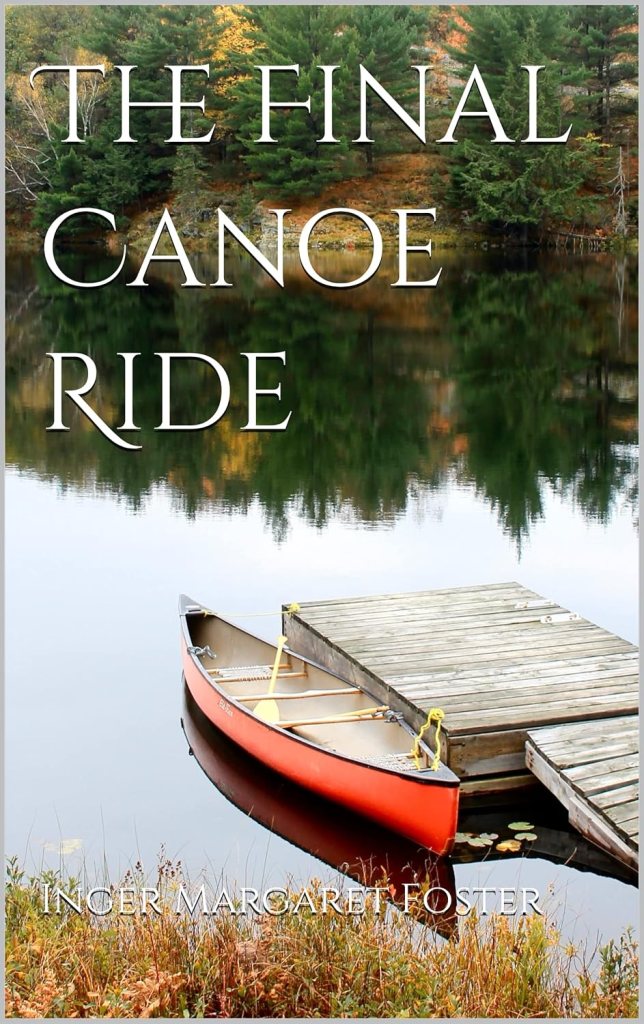
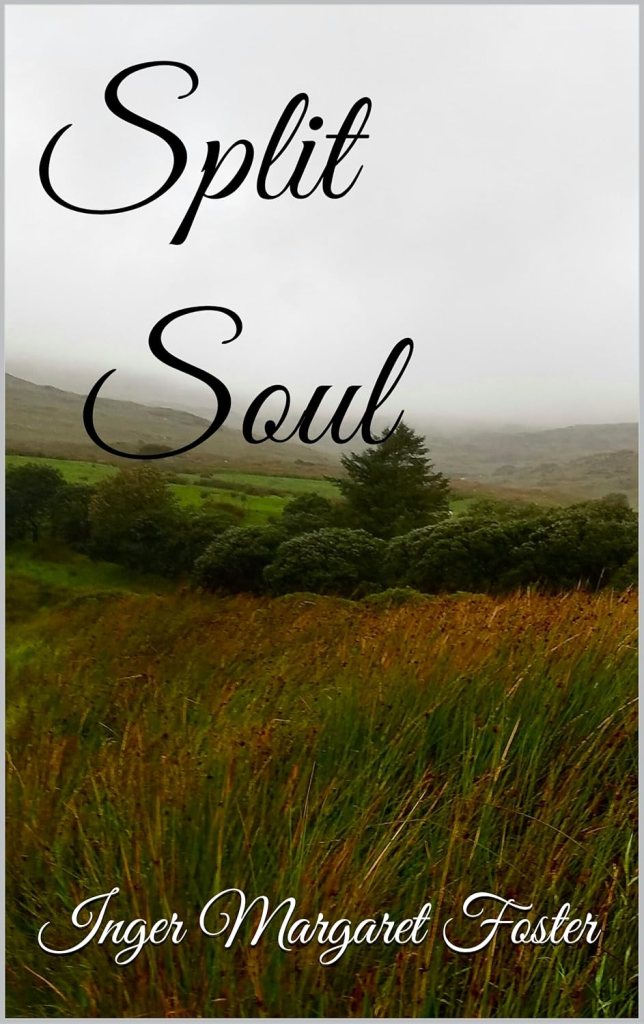
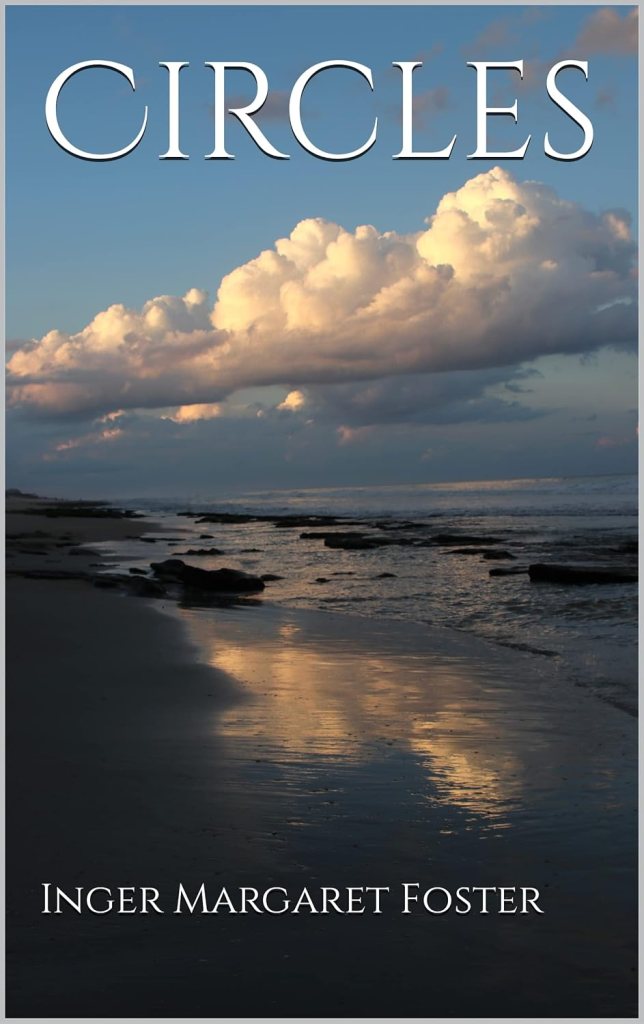
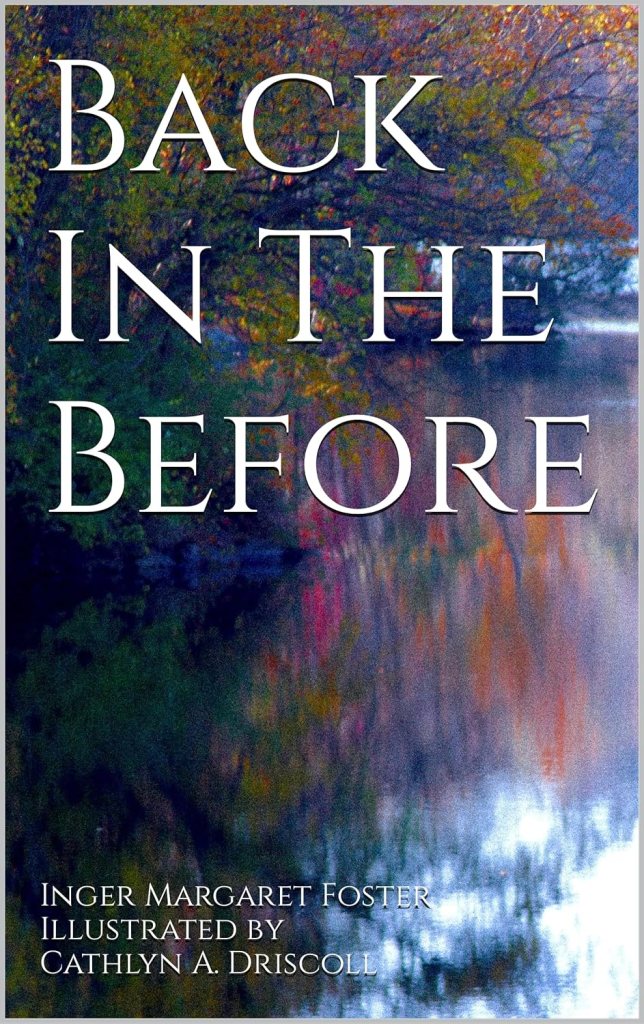
Inger: Sorry, this is long! Anyway, The Final Canoe Ride was the first book written, followed by Split Soul as the sequel. I then wrote Elke’s Magic, the prequel. They were all published through a small publishing house. I was going to end there, and then the pandemic hit. That was when I discovered independent publishing on demand, and just wrote like crazy. I wrote the sequel to Elke:  Mandy’s Dream and then:  The Rule of Thirds,  developing a trilogy of YA books called Things Come in Threes. I then rewrote the first three books, changing one of the characters. It helped with the series flow. After that, I wrote Circles, which followed Split Soul and The Final Canoe Ride, and called that trilogy The Circles of the Soul. While writing Back in the Before, I brought the character of Elke back and decided that I needed to create one continuous series, hence the merging of all books into the Circles of the Soul. It is now a ten book series (two are combined) and it ends with Connections.
Me: I love how they all tie together! But when you develop strong characters it’s always easy to continue on with their lives. In my experience, they just kind of take over and tell you what’s going on like a good friend.  Do your characters ever surprise you?

Inger: Sometimes! Maureen, in Always Just Beyond, is very sneaky and she almost wrote her own story!

Me: I can see that! She was very mysterious throughout that story. Yet in the end, it all made perfect sense. I loved that book! I want to read it again sometime now that I know all the secrets. What is your favorite book from your childhood?
Inger: A Wrinkle in Time.

Me: Yes! Such a wonderful classic! I loved it, too. Is your writing style that of a “pantser” or a “plotter?”

Inger: Neither. I know the ending before I start, and I either write that first or have it in my brain. I let the story flow by listening to the characters, sometimes in my dreams. I don’t do an outline, but I know where I want to go even before I start.

Me: That sounds pretty much like a pantser, especially not doing an outline and letting the characters lead. I’m a pantser, too. If I ever have writer’s block it’s because I’m trying to force my characters to do something when they have something else in mind. What’s the most satisfying part of being an author?
Inger: I think when you hear from a reader that your words impacted them, or helped them overcome a loss, it makes it all worthwhile!

Me: Absolutely! I’m sure your insightful stories have touched many readers. You touch on so many things that are painful. That’s so important for the Young Adult genre since that can be a pretty difficult time of life.  I love your beautiful book covers! Did you do the photography for them?

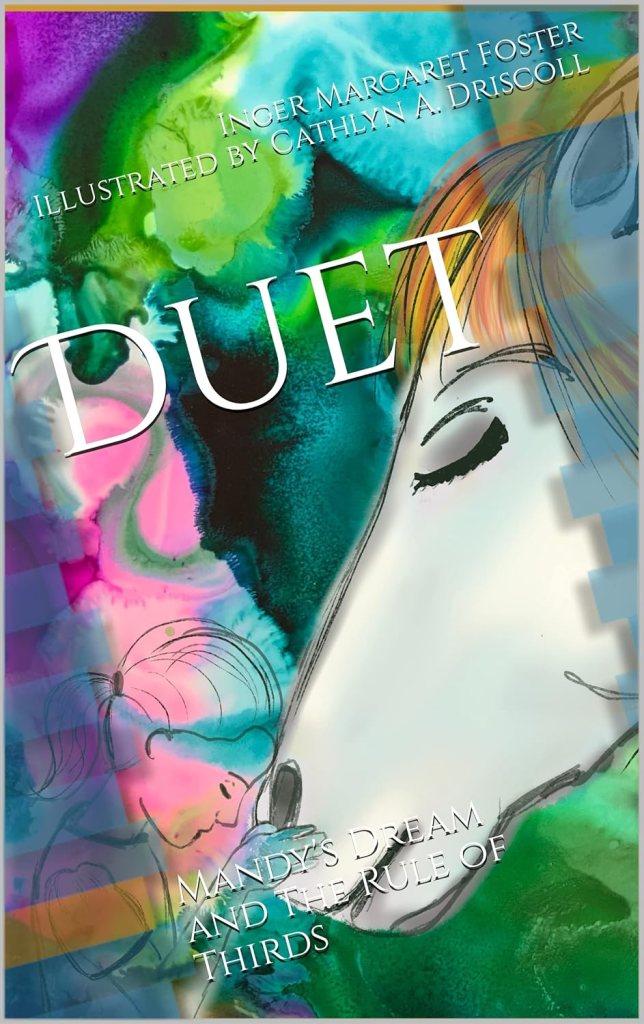
Inger: Thank you! All of my book covers are from my photographs, except Duet: Mandy’s Dream and The Rule of Thirds (a two book combo) and the two children’s books that were all created by the illustrator: Cathlyn A. Driscoll.
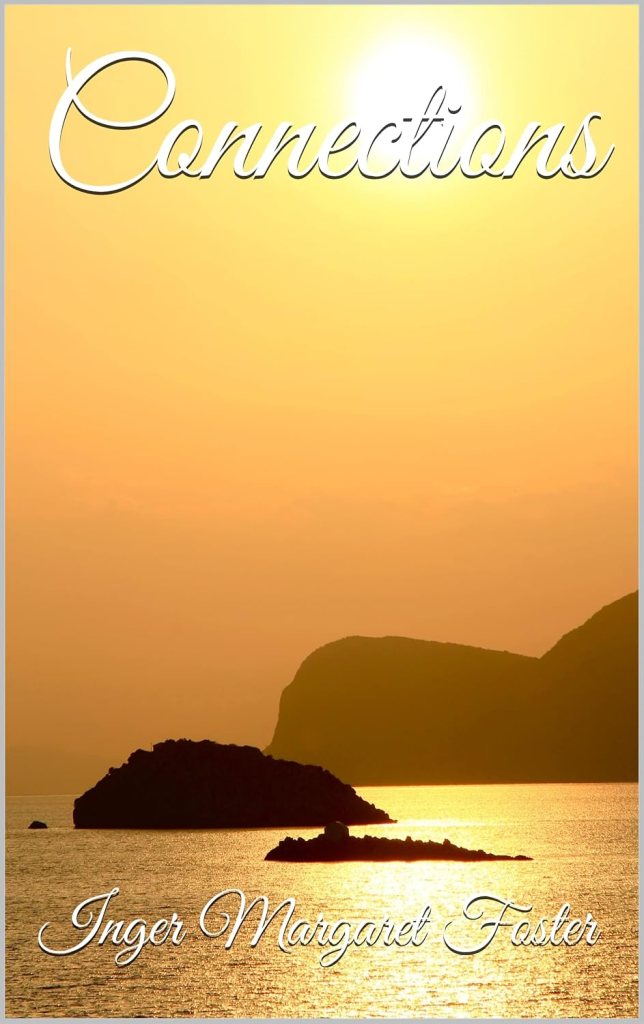
Me: You’re a very talented photographer for sure! And they capture the book themes so well.  Has a specific event or person ever inspired one of your books, besides your first one that you mentioned earlier?

Inger: There were three things. First: It was my experience dealing with breast cancer that was the inspiration to write a series of stories that eventually evolved into my first novel: The Final Canoe Ride.

Second: My father was my inspiration, for not only the historical parts of the Resistance during WWII but for his interest in reincarnation, a theme that runs through the last four books in The CIrcles of the Soul series.
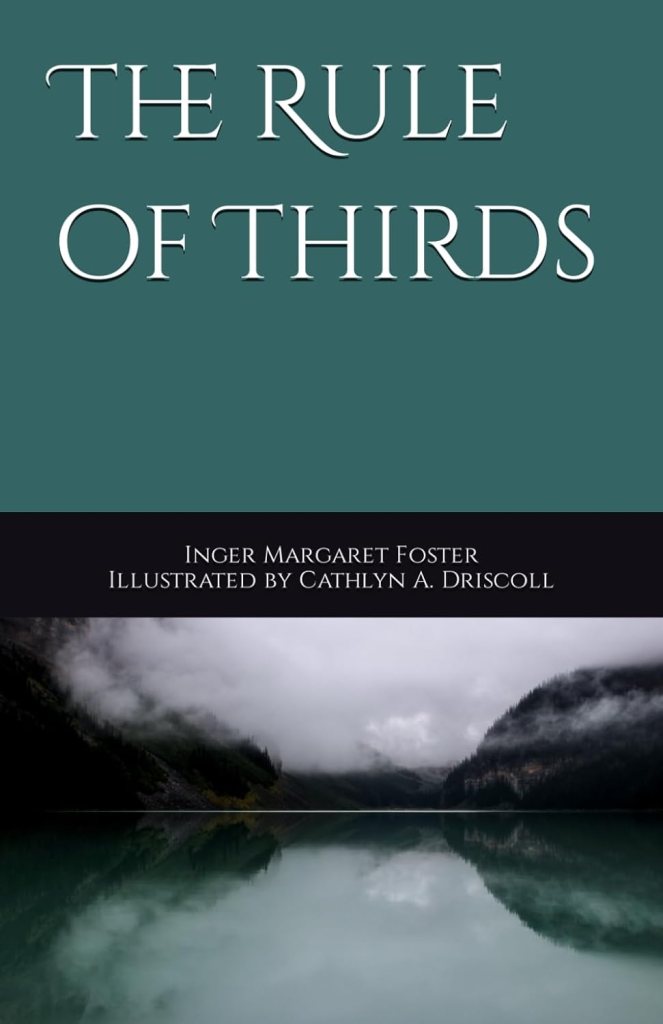
Third: My German friend, Heidi, was the inspiration for the character of Elke.

Me: Your inspiration was definitely captured. Yes, reincarnation and the next life are fascinating and there’s so much interest in them these days. People need to know that what we have here is only the beginning. What advice do you have for new writers just getting started on their journey?

Inger: Write often. Write from the heart. And don’t be afraid to think outside the box.

Me: Great advice! Writing that originates from the heart is what so many readers are looking for. The books that I remember and are most likely to go back and read again are the ones that touch my heart.
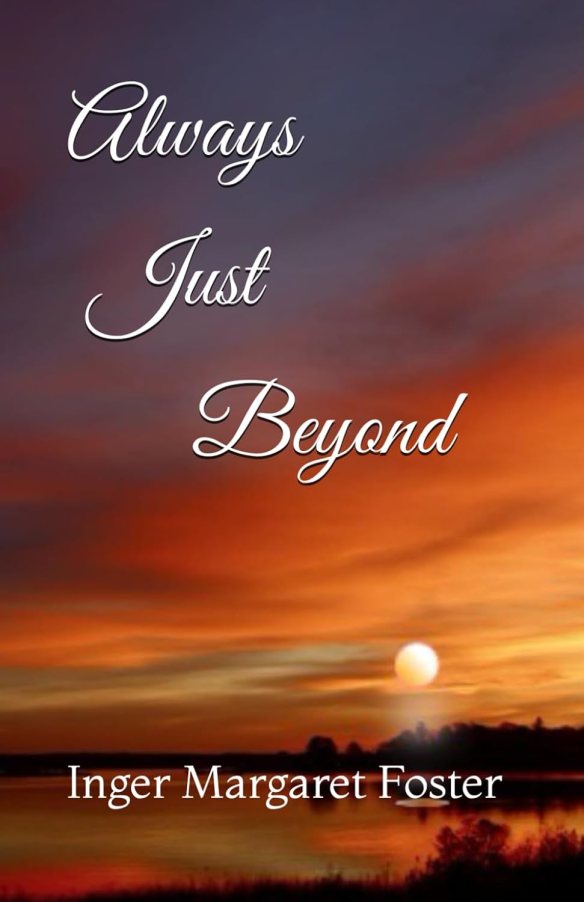
Thanks for telling us about your ongoing journey as an author, Inger!

Below are links to her books on Amazon (as well as via the cover photos) plus to her website for those of you who’d like to know more.

Here are links to my reviews for Always Just Beyond, June’s Song, and Elke’s Magic, the three books I’ve read so far.

Inger’s Amazon Author page

Webpage

Circles of Soul Series

1. Elke’s Magic

2. Duet

3. June’s Song

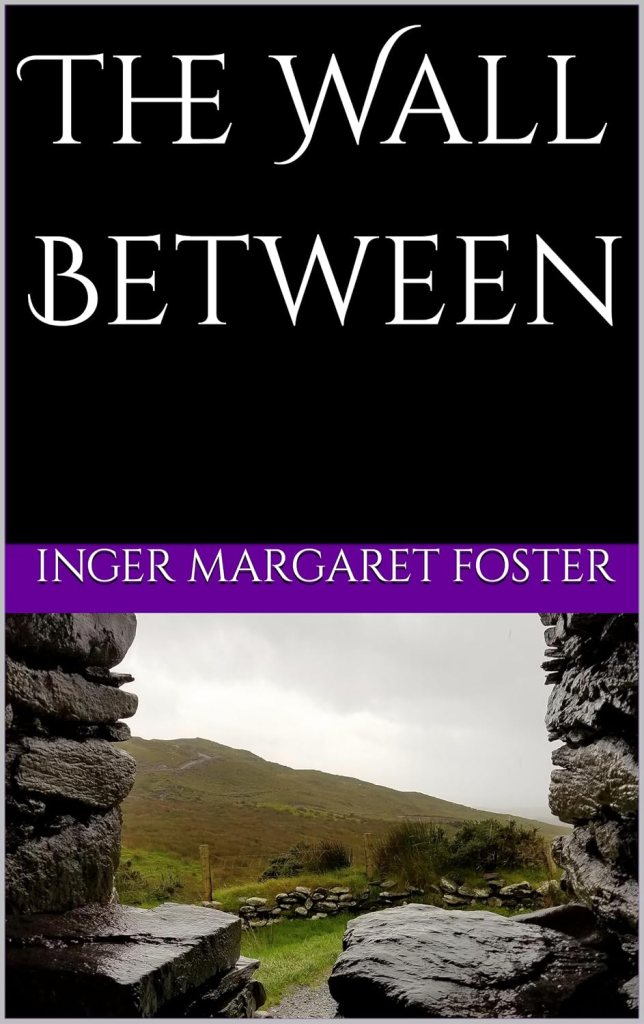
4. The Wall Between

5. The Final Canoe Ride

6. Split Soul

7. Circles

8. Back in the Before

9. Connections

10. The Rule of Thirds

 Always Just Beyond

Children’s Books (Print)
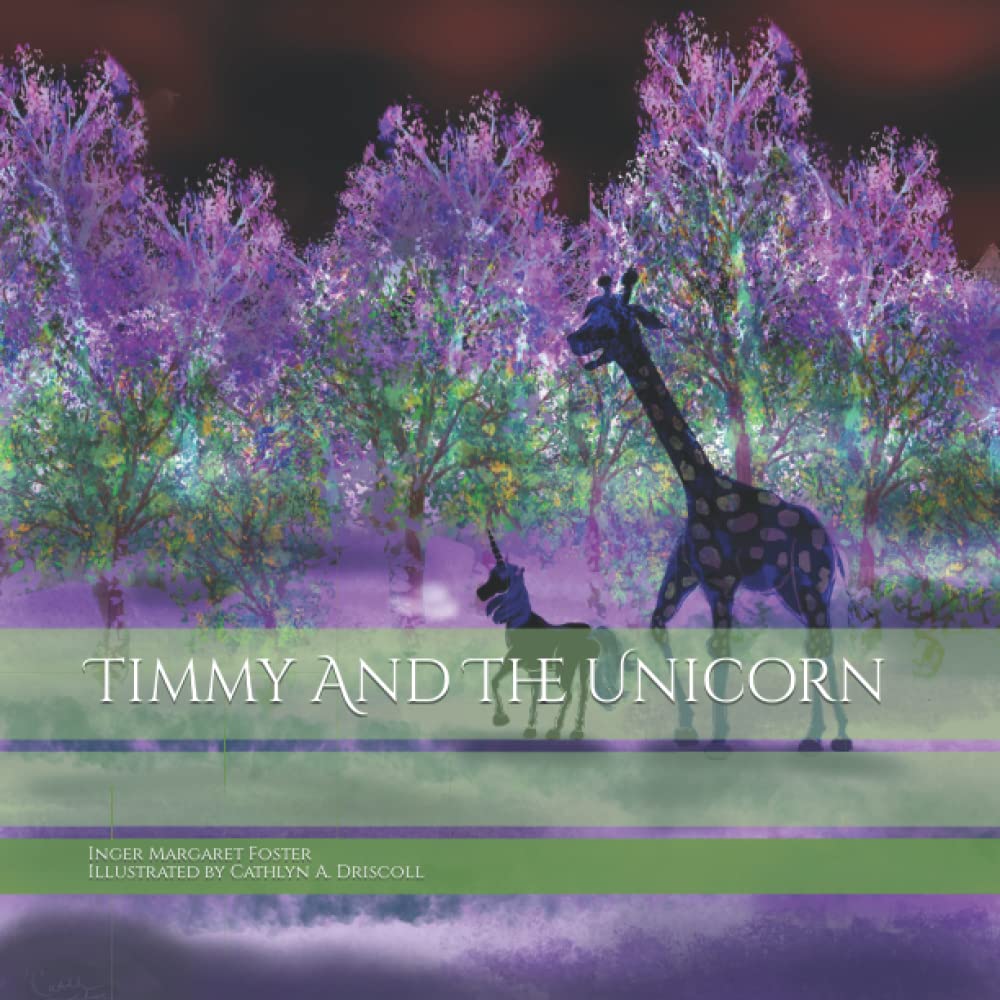
Timmy and the Unicorn

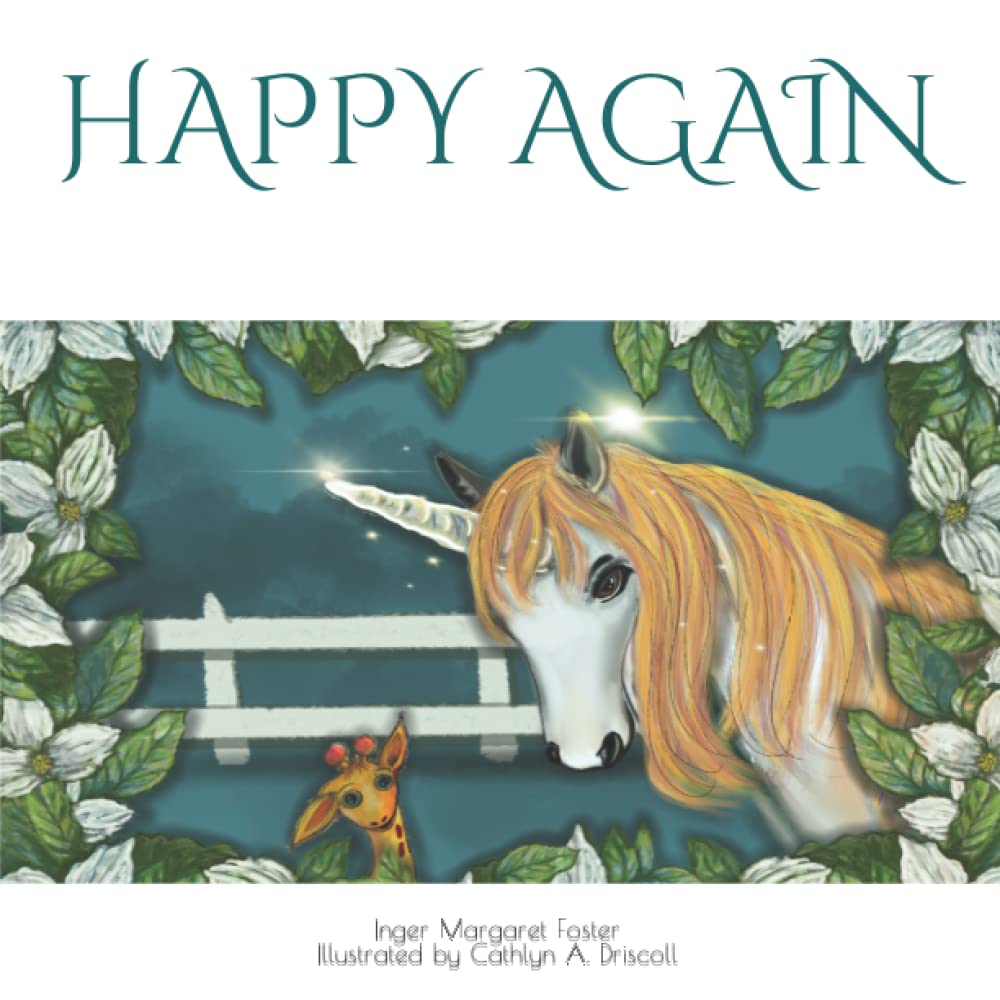
Happy Again

Beautiful Prose, Beautiful Message

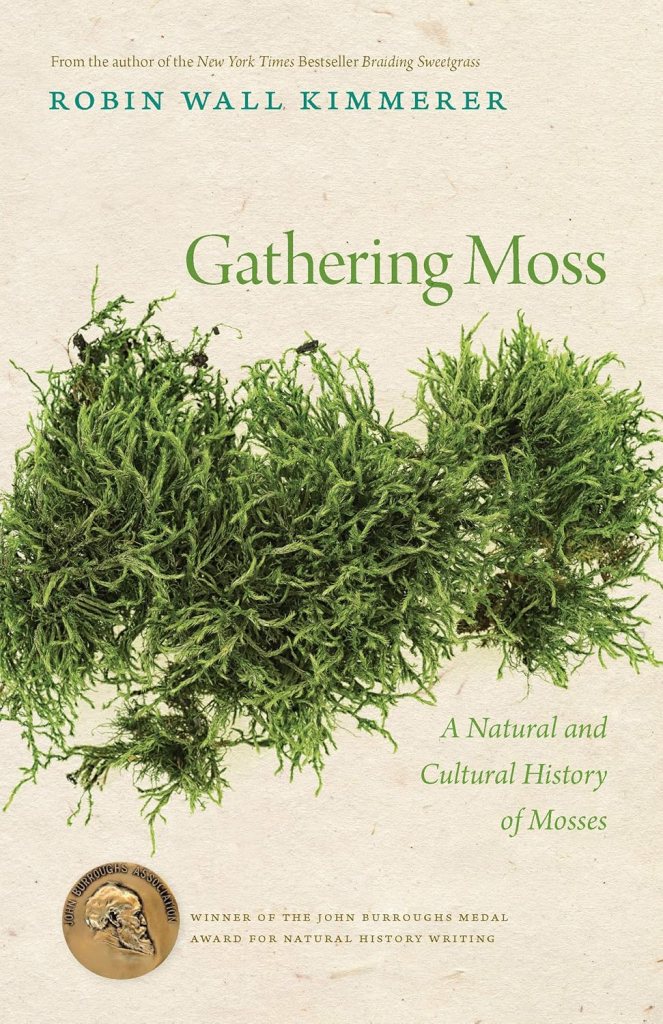
Review of Robin Wall Kimmerer’s “Gathering Moss: A Natural and Cultural History of Mosses”

This book has so many layers I hardly know where to start. First of all the prose is so beautifully poetic that aspiring writers of any genre should read it as a sterling example of that alone. Her use of analogies and metaphors add so much for the depth it reveals about this incredible author whose indigenous roots shine brightly in her books.

I never would have imagined that there could be that many varieties of mosses or that someone could devote their life and earn a PhD to their study. Our world is full of wonders, many of which are consistently overlooked. The beauty of mosses is clearly overlooked by the average person, myself included.

 I love nature of all varieties, and was fascinated as well as astounded by the botanical side of this book. Who has ever expected more beauty from a moss beyond its soft, velvety touch on tree trunks or an old stone wall? That some mosses you may find are as old as the place they occupy? That they are true home-bodies and don’t respond well to being moved? That they can live for centuries, yet are so sensitive and particular about where they grow?

How many people realize that moss has amazing absorption qualities such that it can hold 60X its weight in liquid? Or that prior to the availability of cloth much less Huggies that ancient woman used it for diapers or sanitary products? If you need a trivia question no one is likely to guess there’s one for you!

Robin’s love for nature is impossible to miss. As a Native American she has a connection to Mother Earth that most white people lack. A couple times when she mentioned a species evolving I had to smile. I guess you can’t get to PhD level without being indoctrinated to the white scientific view of the world to some degree. But surely in her heart she knows that each of these beautiful plants was created as were all the animals and humans.

Her experiences during her research were fascinating. Canoeing through rivers embraced by steep canyon walls, a research center accessible only by boat where she would spend summers with her daughters, a consulting job at some anonymous wealthy owner’s estate who was trying to coerce nature to his will, thinking money alone was enough.

As an integrated whole, this book is like a guided meditation. It’s about so much more than the science of bryophytes. The title has as many layers as the book itself. Like the cliche, “A rolling stone gathers no moss,” it beckons you to slow down and look closer at the world around you.

This book is a masterpiece. Think of it as a walk through the woods on a spring day, not to be rushed, expectations open, or you’ll miss its magic. It’s encouraging to see how popular her books are, that people are seeking a world that those obsessed with power and greed have tried so hard to hide.

You can get your copy of Amazon here.

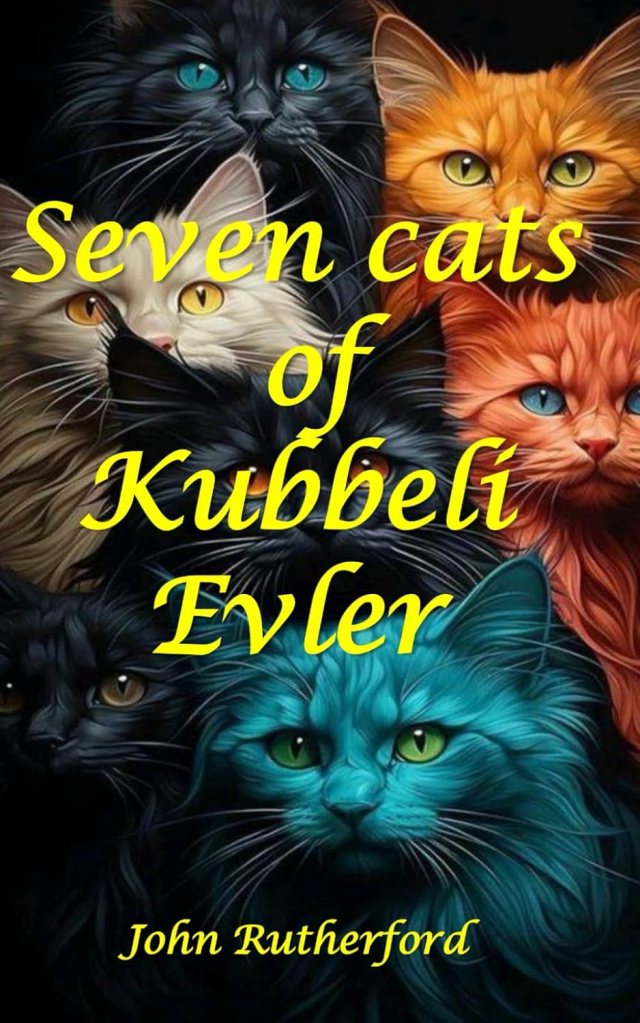
Review of “Seven Cats Of Kubbeli Evler” by John Rutherford

Today, October 29, is National Cat Day. A while back I decided to post a review for a book about cats as part of the celebration, since I’m a devout cat lover. When I found this one it sounded interesting enough that I bought a copy.

I’m not sure where to begin reviewing it. I’ll start by saying that the ages 9 – 18 for which it’s listed is extremely inaccurate. There is no way some of the scenes in this story are suitable for a child. I’d set the minimum age at no less than 15.

Whether it involves people or animals, there are certain violent, gratuitous acts that a young child does not need to read about. The violent murder of one of the original human characters and the gang rape of a fox with a graphic description of her injuries were horrifying enough, much less for a child. Other sexual innuendoes were also very borderline acceptable for a nine year old. What was he thinking?

Supposedly this author has written other children’s books as well. I surely hope they’re not as graphic and inappropriate as this one. I found this the most troubling and why I gave it an abysmal one-star review on Amazon when combined with all its other flaws. I shudder to think of someone buying this book for their child or grandchild, much less attempting to read it aloud.

My overall impression is that it was dark, unpleasant, and at times downright disturbing. True, nature can be cruel, but who would impose this on a young child in the guise of an animal story? I grew up on animal stories by Paul Gallico and Robert Lawson that were not even in the same universe as this one.

Bad reviews are no fun for authors but I feel it’s only fair to explain why I gave it such a poor rating. Maybe the author will learn something from it. Sadly, this is another example of a self-published book that gives all independent authors a bad name.

So let’s take a look at my observations.

The cats’ names were those of the Sun, Moon, and planets, an apparent attempt to bring in an astrological theme. However, whatever personality they may have had is not particularly noticeable, much less related to the archetypes of the planets, with the possible exception of Neptune. One human character named Wicked was apparently named Wizard in an earlier version, the change not corrected in a few places. Why he had that name was not apparent because he wasn’t a bad guy.

The writing style was unique and has possibilities, but seemed a bit archaic. Besides that, the book as a whole is in desperate need of serious, I mean serious, editing. The plot, I suppose, was of the “quest” variety, but didn’t hit the mark there, either. He never explained as far as I could tell why the evil “eyes of the mountain” had it in for poor Pluto. Some paragraphs were a page long. Redundant statements littered the narrative throughout as well as typos galore and even wrong words, e.g. “mercifully” instead of “mercilessly.”

Sentence fragments are often used in fiction for effect, but rather than technique, this joined numerous other examples showing blatant ignorance of proper grammar. Punctuation of dialog was almost always incorrect and the speaker’s identity often in question. Subject-verb agreement was likewise often wrong. I guess the point of view was omniscient since many observations in the narrative were far beyond that of the animal protagonists the author claimed to represent. I suspect he was trying to pen an allegorical story steeped in symbolism that simply didn’t work. His original idea may have had something going for it, but he lacked the writing skill and knowledge of literary techniques to execute it successfully.

Besides the writing issues, there was also the matter of structure. The Prologue, which is normally a prequel to the story itself, was more of an Introduction.  And the Introduction was more of a combined dramatis personnae and glossary. If anything they seemed like a didactic attempt to spoon-feed the readers what the story was about, in case they missed the point.

This is probably one of the worst books I’ve ever read, all things considered from its inaccurate target audience to the plethora of editorial issues. At least I finished it, which I usually don’t bother to do if a book is so badly written it’s a total waste of my time.  I definitely won’t be reading anything else by this author anytime soon and it should be clear I don’t recommend this one. However, it does fit a variation of the old adage, “No book is ever wasted. It can always serve as a bad example.”

You can see the description on Amazon here.

Confessions of a Life-Long Bibliophile

The True Loves of My Life

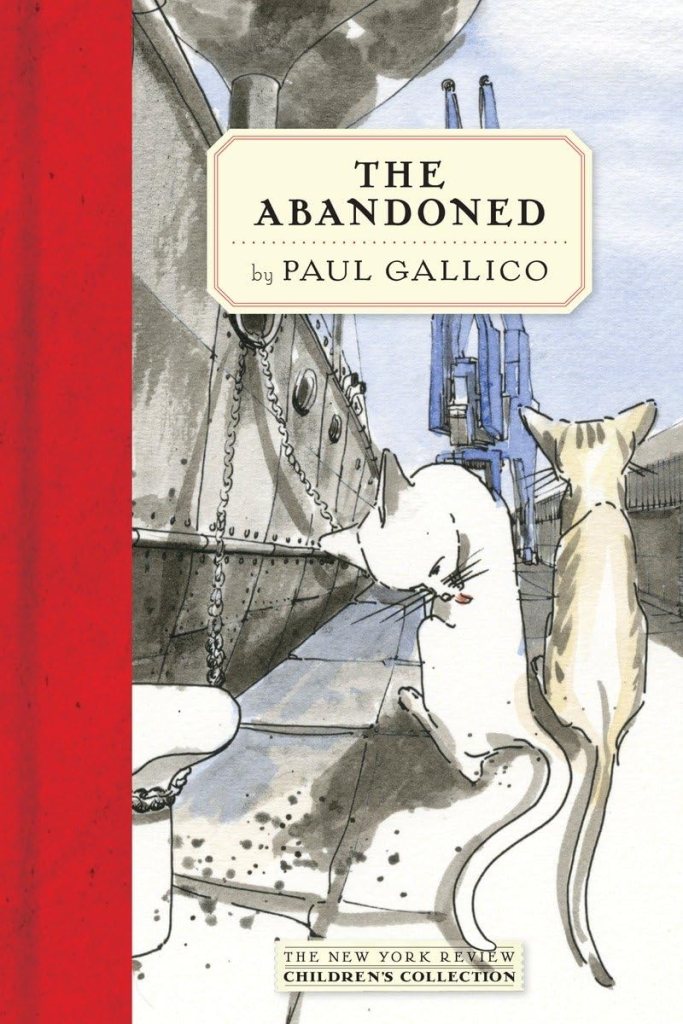
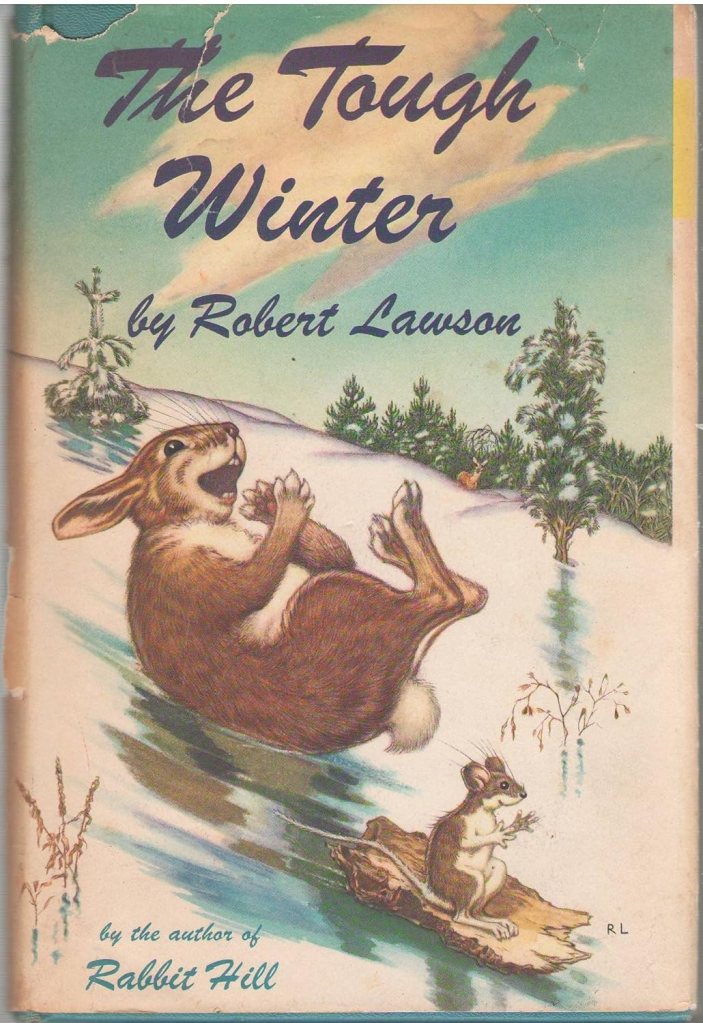
As an only child, books were important. Fortunately, my mother read to me as a young child such that I could read by the time I went to school. I was reading chapter books by 3rd grade, maybe sooner. My early favorites were animal stories by authors like Paul Gallico, who wrote “The Abandoned,” my favorite book for many years, perhaps for all time. Robert Lawson, author of “The Tough Winter” was another favorite.

I remember going to the Peekskill New York Public Library in my home town and coming home with a huge stack of books, especially in the summer.

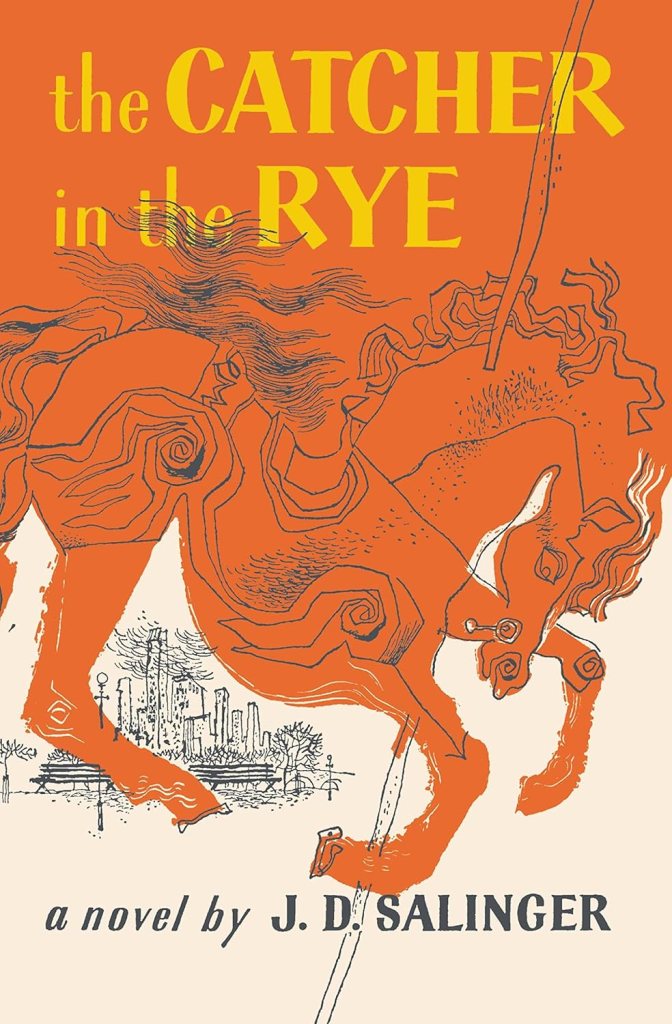
While still in elementary school I discovered Nancy Drew Mysteries. I would save my allowance to buy the latest release and had them all, which were usually read more than once. As a teen my favorite was “The Catcher in the Rye” by J.D. Salinger. I remember reading on a city bus and coming to a part that made me laugh out loud, earning odd looks from my fellow passengers.

As a working adult, I had to give up certain authors because they kept me up all night: Michael Crichton, Tom Clancy, John Grisham, to name a few.

Home at Last!

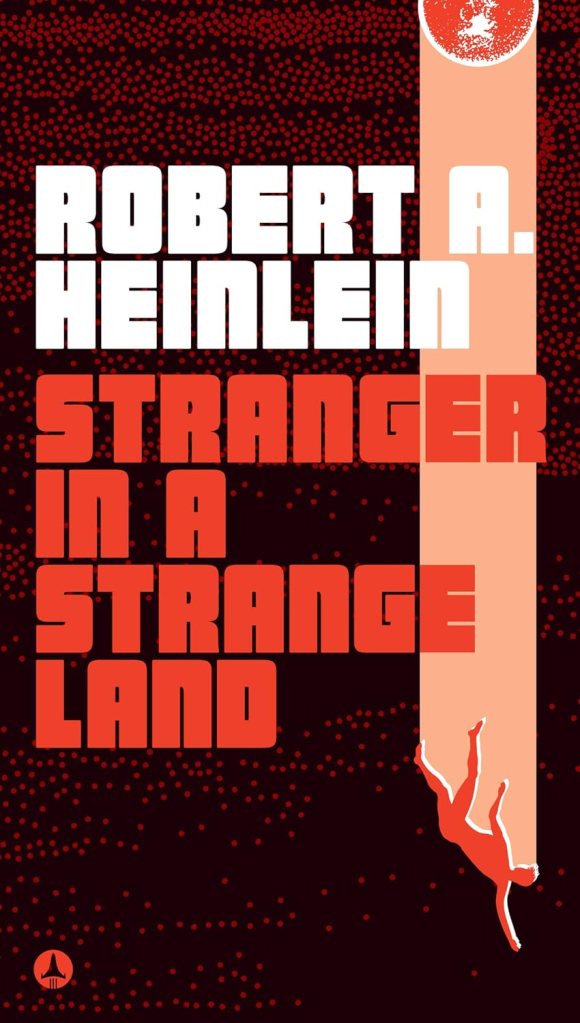
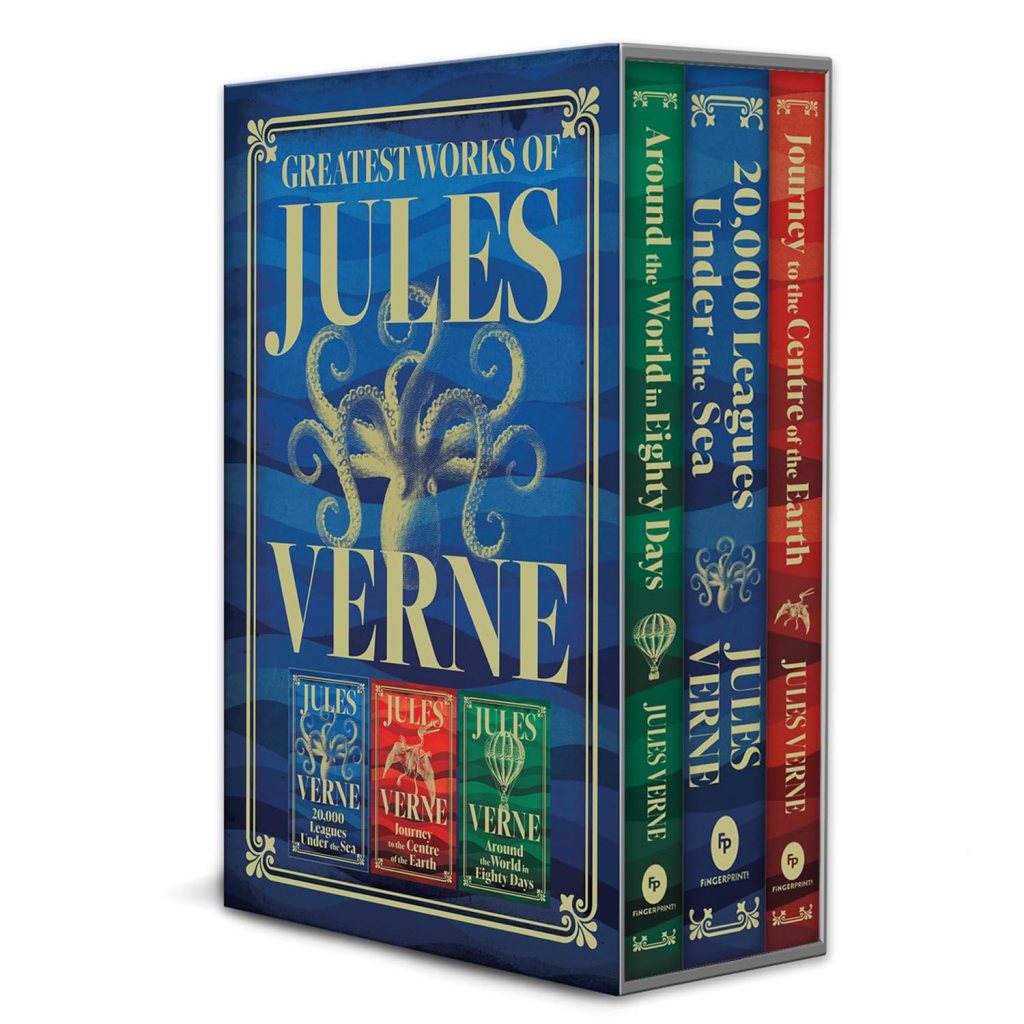
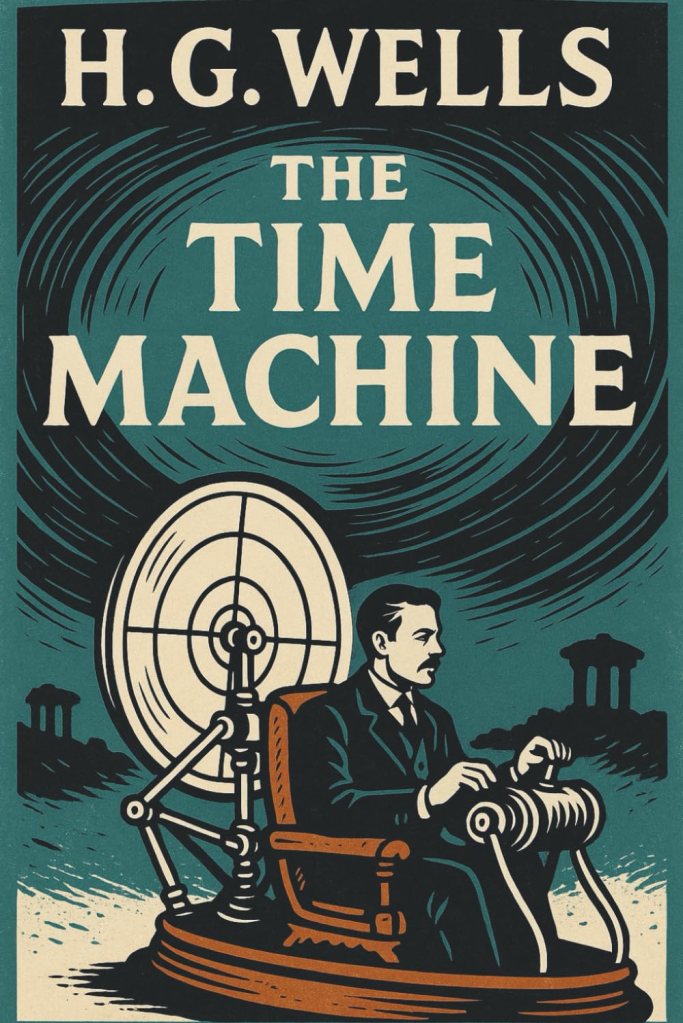
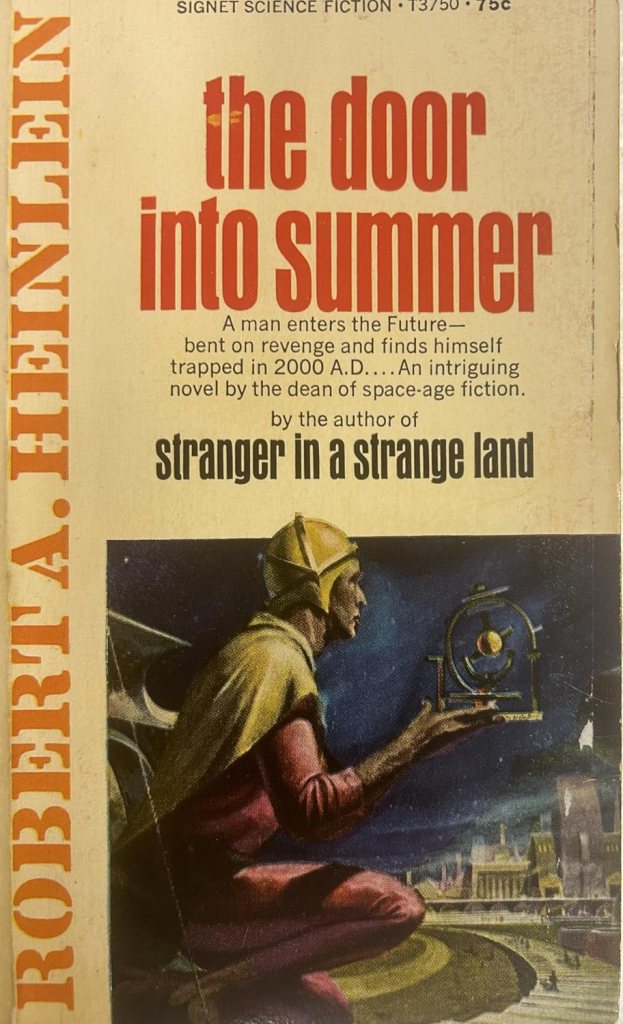
Somewhere along the line I discovered science fiction. The classics by Jules Verne such as “Journey to the Center of the Earth” and H.G. Wells’ “The Time Machine” were my first discovery, followed by Isaac Asimov and Robert A. Heinlein, the latter my all-time favorite, especially “The Door Into Summer” and “A Stranger in a Strange Land,” where the word “grok” originated, for those of you who didn’t know.

I scratched out my first science fiction story in 6th grade on yellow lined paper about the planet our teacher hailed from.  Not much of a plot, but my classmates found it entertaining. Not surprisingly, an avid reader like myself aspired to be an author when I grew up, more specifically a science fiction author.

One thing that always frustrated me was that science fiction books had very little actual science in them, probably why I favored Heinlein, who was an aeronautical engineer whose fiction started the “hard science fiction” sub-genre.

As a perfectionist, I wanted to learn more about science so that when I wrote my stories they would contain the scientific explanations I craved as a youth. Thus, at 35 I returned to school to earn a bachelor’s degree in physics from Utah State University, followed by a 21 year career at NASA’s Johnson Space Center in Houston, Texas.

We’re told to “Write what you know,” right?

If you’re a fan of “The Big Bang Theory” that might look familiar. 😉

My first science fiction novel, “The Capture of Phaethon,” about an asteroid collision with Earth was written while I was in college. It won me a scholarship as well as First Place Honor in a state competition. Maybe someday I’ll get it published. For now, the manuscript is in a box in the basement. Writing Phaethon was when I discovered the mysterious serendipity associated with creating fiction.

That’s all it is, right? Fiction? Something made up in your head?

My fictitious asteroid was named Phaethon, after the son of Apollo who crashed his father’s chariot into the Sun. Imagine my shock when doing research in the USU library’s NASA section that I found an asteroid by that name had recently been discovered! OMG! Later I discovered its usefulness in astrology, where it often indicates a “crash and burn” situation, figuratively or literally.

Heaven on Earth

The first time I set foot inside a library it felt like I was in Heaven. How it feels within the walls of a building lined with thousands upon thousands of books is as unique as it is indescribable. Every cell senses the knowledge and secrets that await, stirring my soul.

That could be why I often spend as much time researching a book as I do writing it, sometimes more. As much as I love my Kindle, for research it has to be a print book. I dog-ear pages, highlight, and leave sticky-notes galore.  When I encounter a used book like that, it tells me someone was really into its content, which is what any author hopes for.

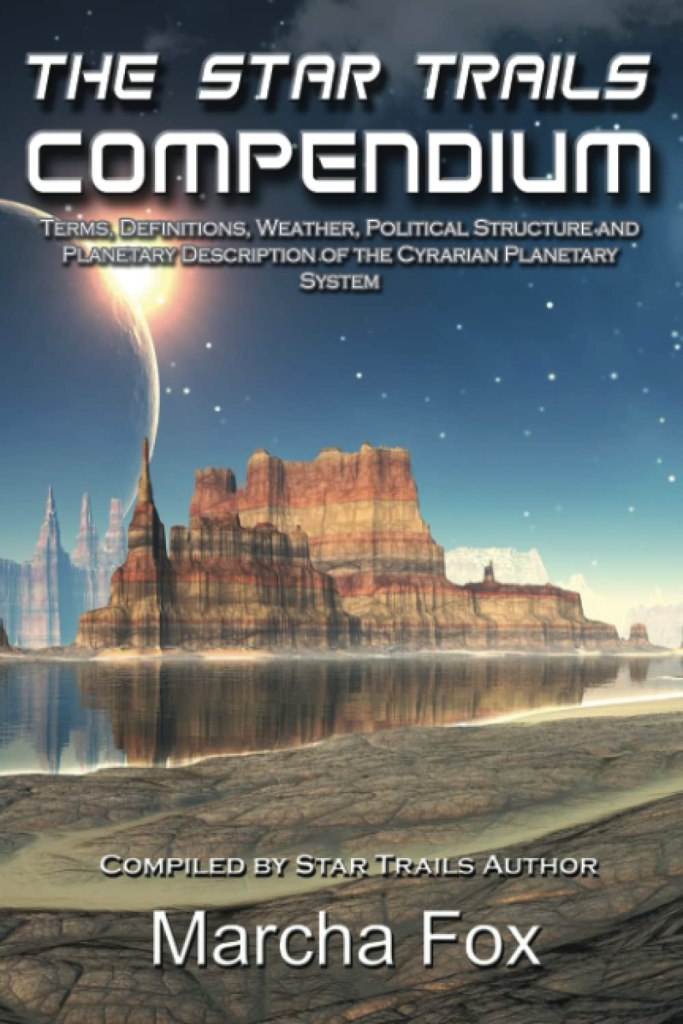
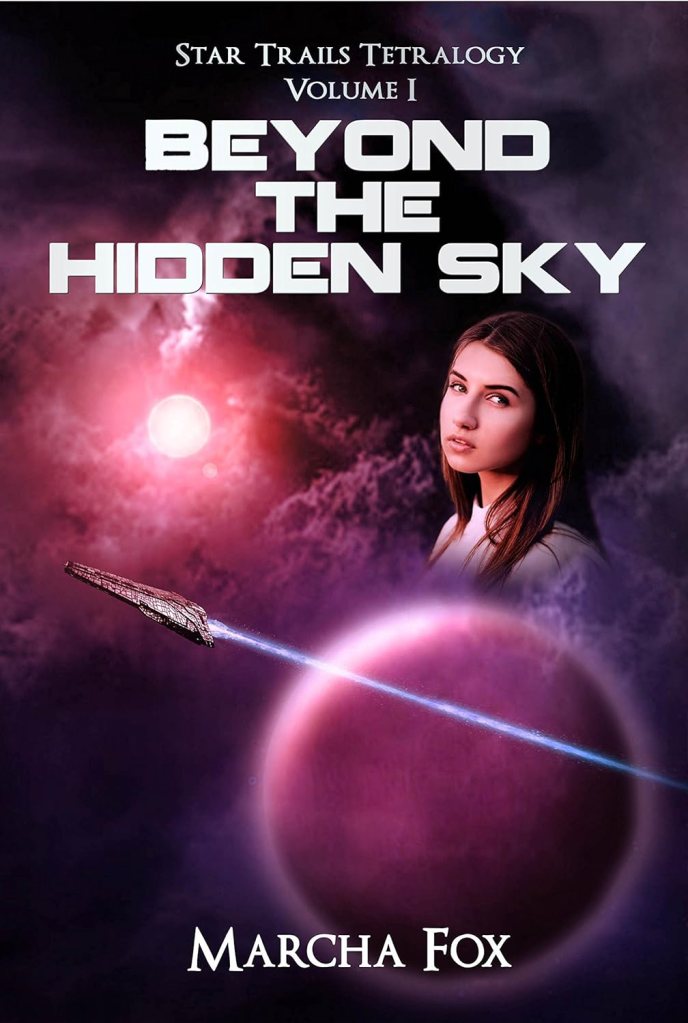
When I wrote the Star Trails Tetralogy I incorporated science and technology problems into the plot. These were books I wanted to read as a youth but couldn’t find. I even created a Compendium with additional information for readers, teachers, and home-schoolers.

Star Trails books were popular in a charter school in Utah among young nerds like I was. I had the privilege of talking to those students a few years ago, which was so much fun. I know of at least one middle school science teacher in Florida who has my books in her classroom for extra credit reading. 

My favorite review for these books is the one where my writing was compared to Robert A. Heinlein. Imagine that! I have no idea how many children may have been inspired by them, but it’s good to know of at least a few.

Shifting Genres

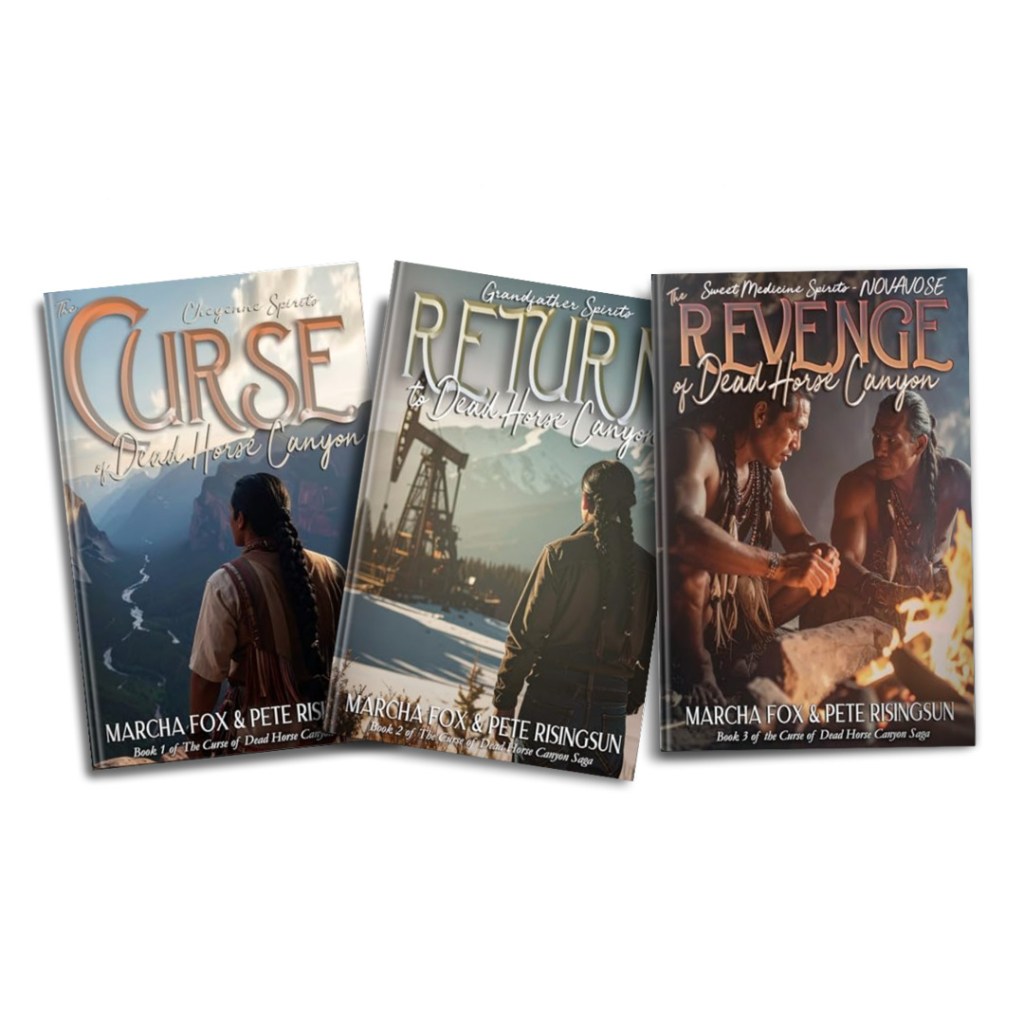
The Curse of Dead Horse Canyon” saga started as a cozy mystery, but my propensity for research quickly led to a far deeper and darker story. My characters got out of hand, as usual, and suddenly I had a main character who was Cheyenne, a culture about which I knew nothing. My encounters with Native Americans was limited, and primarily with the Navajo. Research and serendipity delivered coauthor, Pete Risingsun, who kept the cultural elements on target, to say nothing of the story itself and additional research we did together.

The Reader’s Favorite review for the second book, “Return to Dead Horse Canyon: Grandfather Spirits” noted, to our delight, that “The depth of ethnology packed into both novels is meticulously researched and beautifully detailed. Fox and Risingsun are a dream team with this saga.”

Serendipity was alive and well writing that saga, especially how beautifully ancient ceremonies dove-tailed with the plot as if I’d known about them all along.

What will be lost?

Besides a book’s creative or intellectual content, to me it’s a physical thing. I love how they feel and smell, whether it’s fresh ink newly off the press or a musty antique over a hundred years old. Ebooks just didn’t feel that satisfying. I was grateful when self-publishing a paperback was an option, making it possible to hold my first print book, “Beyond the Hidden Sky,” in my hands and flip through the pages.

However, to me, a real book is a cloth-bound hardback with a dust jacket.

And this past June that dream was finally realized when all three books of the “Dead Horse Canyon” saga were released as hardbacks, laminated covers on Amazon, and real books with a cloth cover and dust jacket available through Ingram which can be found on Barnes and Noble, Books-A-Million (BAM), and numerous other booksellers’ websites.

Everything is being digitized, which is convenient, but I shudder to think that my generation of Baby Boomers may be the last to embrace physical, print books. The expense and storage involved versus the option of digitizing everything leaves no other choice.

Given that, how many will grow up without the joy of holding a brand new release from their favorite author in their hands, much less an autographed copy? Or never know the awe and expectation amid the imposed silence found within a massive library? While the words may be the same, there’s an essence found only from a tome in tangible form. When they’re my age will they miss their first smart phone the way I treasure the memory of those beloved books?

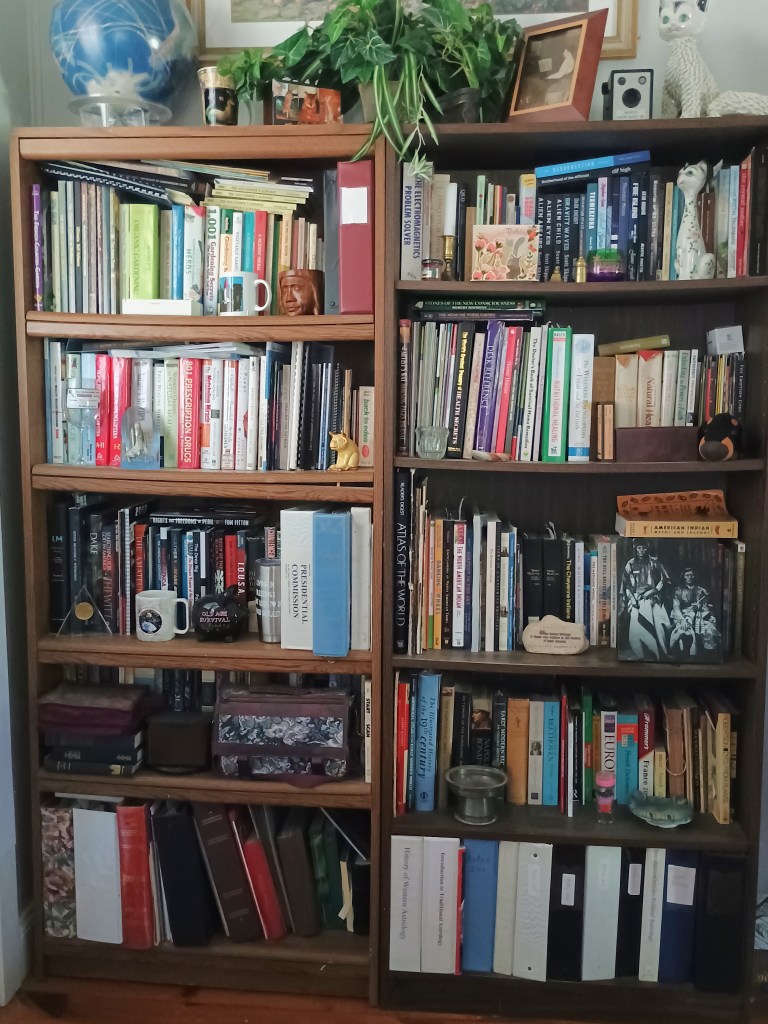
Or maybe that’s just me, an admitted bibliophile, who loves the print medium as much for its physical presence as what lies within. Digital formats that could disappear with a power surge or a few key strokes just aren’t the same. (Probably a thought my children will express loudly when I die and they have to deal with my many bookshelves full, only one of which you see at the top of the page.)

And how much easier might it be to pull the plug on books with content found offensive or declared “wrong” by someone in authority? Where would we be as a civilization without old tablets, scrolls, and other records?

To a bonafide bibliophile like myself digitizing books reeks of sacrilege. If you agree, be sure to buy a physical book once in awhile. Preferably a new one, so the author sees even a few dollars of benefit from it.

Epilogue

When I saw “The Abandoned” and The Tough Winter were still available on Amazon I

literally cried. The book cover for “The Tough Winter” looks exactly like the book I had as a child. I ordered “The Abandoned,” planning to read it again, then leave it as my favorite book from my childhood to whomever wants such an anachronism when I die.  

This trip down memory lane led me to discover my reading list for the remainder of this year. Revisiting those favorites from the perspective of a septuagenarian should be interesting.

What books did you love from the time you could read? What made them special? Would you like to hold them again as you would hug a dear friend you hadn’t seen for years?

And that, no doubt, is why I simply had to order a physical copy of “The Abandoned.”

It arrived a few days later and I cried again, as well as numerous places throughout this sweet story. I wasn’t sure why it hit me so hard until a few days later, as I nursed my way through the worst “Book Hangover” I’d ever had.

Then I stumbled upon a statement on the back cover that I could have written myself: “When I was 9 years old I plucked The Abandoned from my school library’s dusty shelves and fell in love with literature. The adventures that unfolded, reminiscent of The Wind in the Willows and Peter Pan, captured me so thoroughly I knew writing was part of my destiny.” — Naomi Serviss, Newsday

That was it!

This was no ordinary book! It was the very one that made me decide to be a writer! I’d never quite thought of it as my “destiny,” yet it hit me like never before. I don’t know who or what I’d be without those books I’ve had a hand in bringing into the world.

Have they affected any readers out there like The Abandoned did me? I’ll probably never know. But for whatever reason, I suspect I was supposed to put them out there.


Are you a writer? When did you realize it was your calling? Or was it just something that came along at some point in your life when you had something to say? Fiction or nonfiction? Leave your answer in the comments below.

Bluebird Addendum: Message Received!

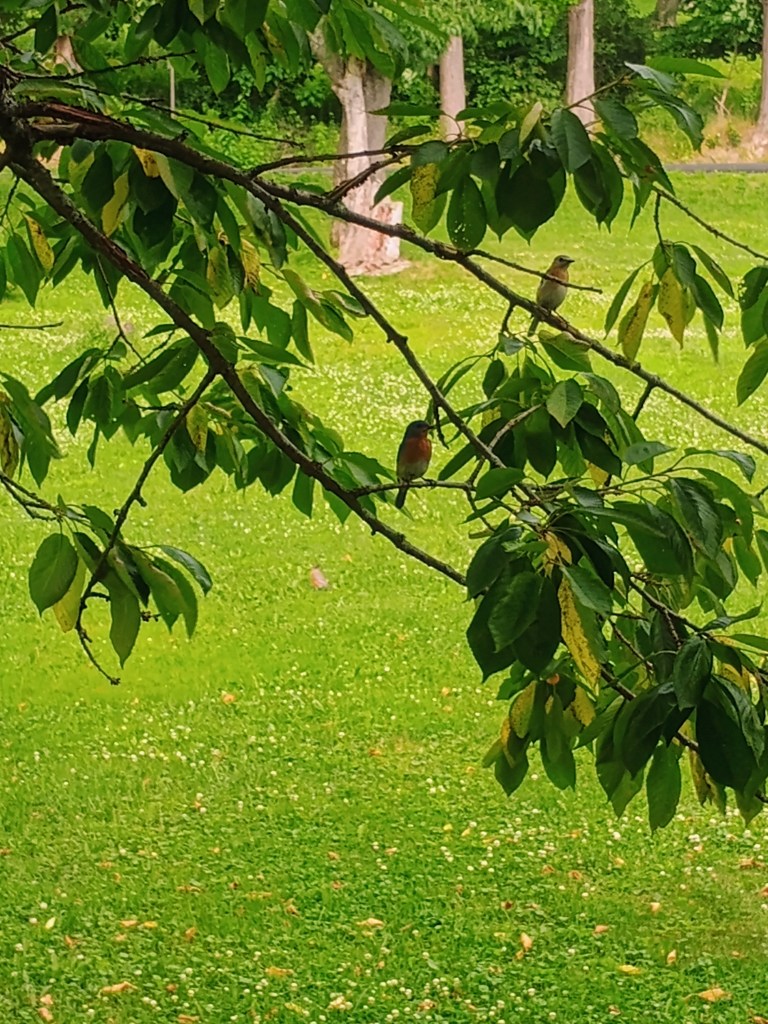
This morning at 6:08 a.m. the tapping on the window resumed. Mr. Bluebird has still not given up. And perhaps the reason is that it wasn’t until this morning that his true message was received, literally with the dawn.

It takes me awhile to think things through. Yesterday I was taken by his persistence. In applying that to myself, it didn’t really fit. If anything, I tend to be too driven to accomplish my goals. If anything I need to learn to chill once in awhile. Perseverance is not something I lack.

But lo and behold, at some point his message as a spirit animal came through.

He is worried about something that will never happen!

At least from the cats he sees watching from the window. He recognizes them as dangerous predators, which they can be, but the chances of them getting out to harm his family is about as close to zero as they can get.

If I have a superpower, it’s worrying about things that will never happen. While they may loom before me from time to time, truly serious issues that could end badly, somehow they always work out.

I have a few on my mind right now. Quite a few, actually.

Thank you, Mr. Bluebird, for reminding me of the waste of mental and emotional energy that worry represents. Like they say, it’s a poor use of creativity, inventing trouble that will never arrive.

It’s particularly appropriate that he’s a bluebird, which is often equated with happiness. How much of that precious commodity is negated by needless worry? The symbolism goes even deeper with the fact he literally woke me up two mornings in a row!

I can definitely be a little slow putting things together.

I hope that his nestlings remain safe. My indoor cats will definitely not be the cause of their demise. His diligence is commendable, though there are numerous other threats to their well-being, like our dogs, who are always outside, yet he ignores.

Meanwhile, I will do my best to set my current concerns aside and count my blessings. Truly there are messages all around us that we often miss, ignore, or discount.

I just hope their fledglings fly soon. That tapping on the window is starting to get pretty annoying. Especially when, from time to time, the cat lunges for the window. Is he thinking that at some point he’ll succeed in catching that bird?

Which takes me full circle back to beating a dead horse.

Hmmmm…..

One Determined Bluebird

You can learn a lot about a person, including yourself, by looking at your thumb. Yes, that side-mounted digit that enables humans and primates to do things other animals can’t. According to palmistry, the upper joint represents will and the lower joint, logic. Ideally, they’re the same size. If so, you’ll have the will to put forth the effort to see your ideas to completion.

If the top joint (will) is larger (which is the case with me), your will/determination is stronger than your ability to see things logically. What does that mean? You’re likely to be inclined to beat a dead horse.

If the lower joint prevails, you may have a plethora of great ideas but lack the will to make them happen.

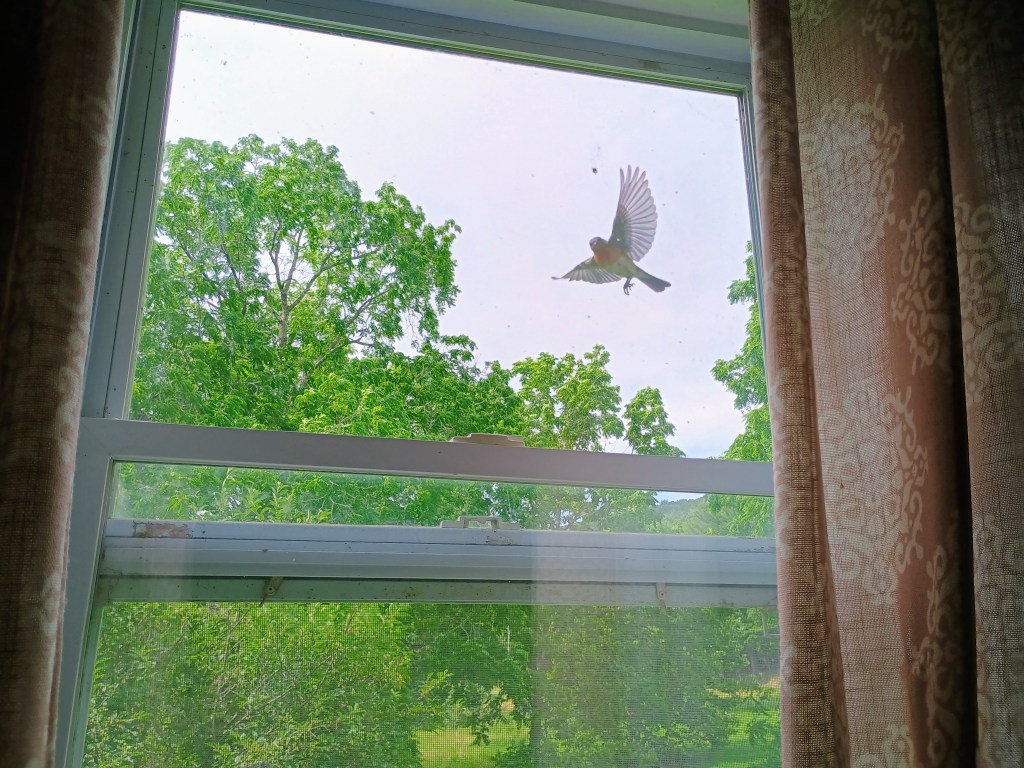
Obviously, a bird does not have a thumb. However, if the bluebird attacking my window had one, clearly the top joint would prevail.

Why is he attacking my window?

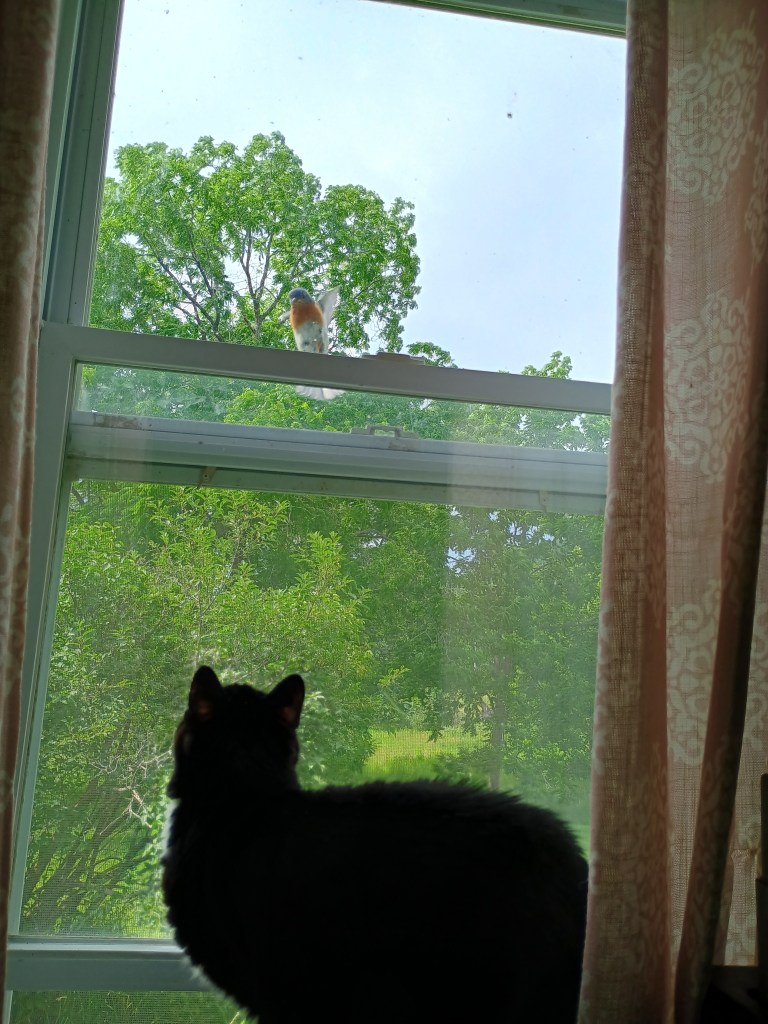
cat  inside looking at a bird outside the window

Because I have two indoor cats. Apparently, he and his mate have a nest in the purple martin house in the front yard and he’s concerned.

So let’s think about this.

As I said, the felines in question are “indoor cats.” They do not go outside. Thus, the danger does not exist.

So far, this daddy bird has been attacking my windows since yesterday afternoon. After a few hours of the thumping sound of him hitting the window, I closed the curtains. He still continued until dark. First thing this morning, right around dawn (which comes early this time of year, i.e. 5:30 a.m.) he was at it again.

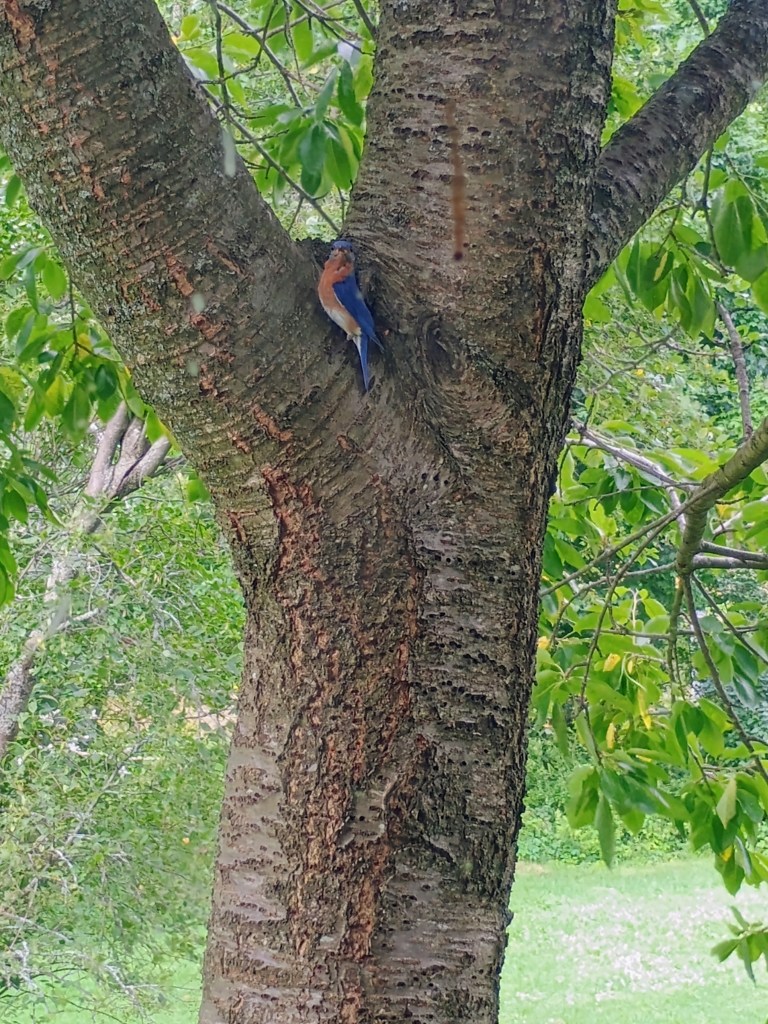
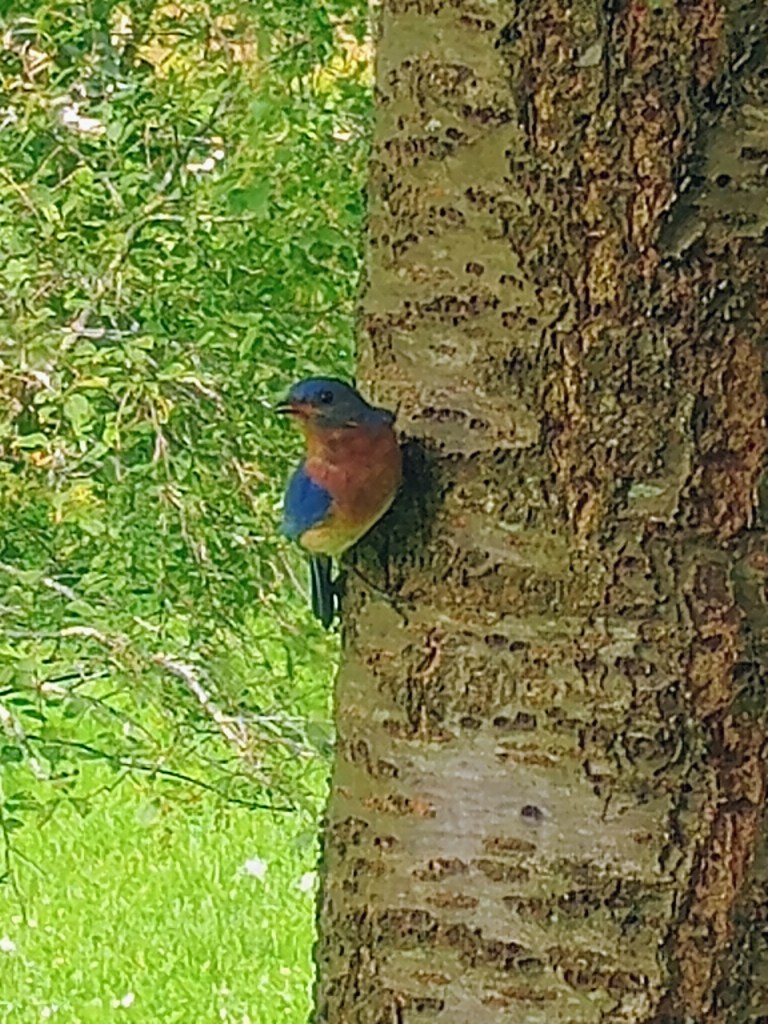
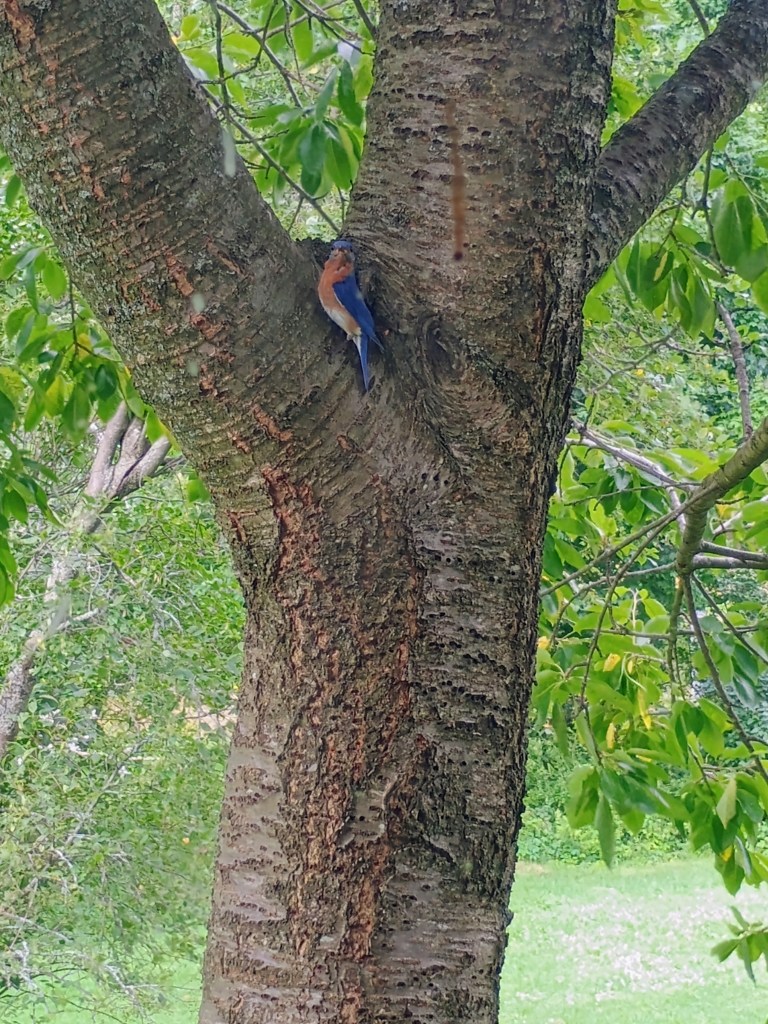
bird perched on the trunk of a tree

Thump, thump, thump.

The odds are (hopefully) very low that the cat or bird will break the window in their ongoing confrontation. If the barrier between them were removed, the cat is the definite favorite. It’s not that far to the ground, so then he’d have a definite opportunity to pursue the bird. Would the bird retreat? Or attempt to fight?

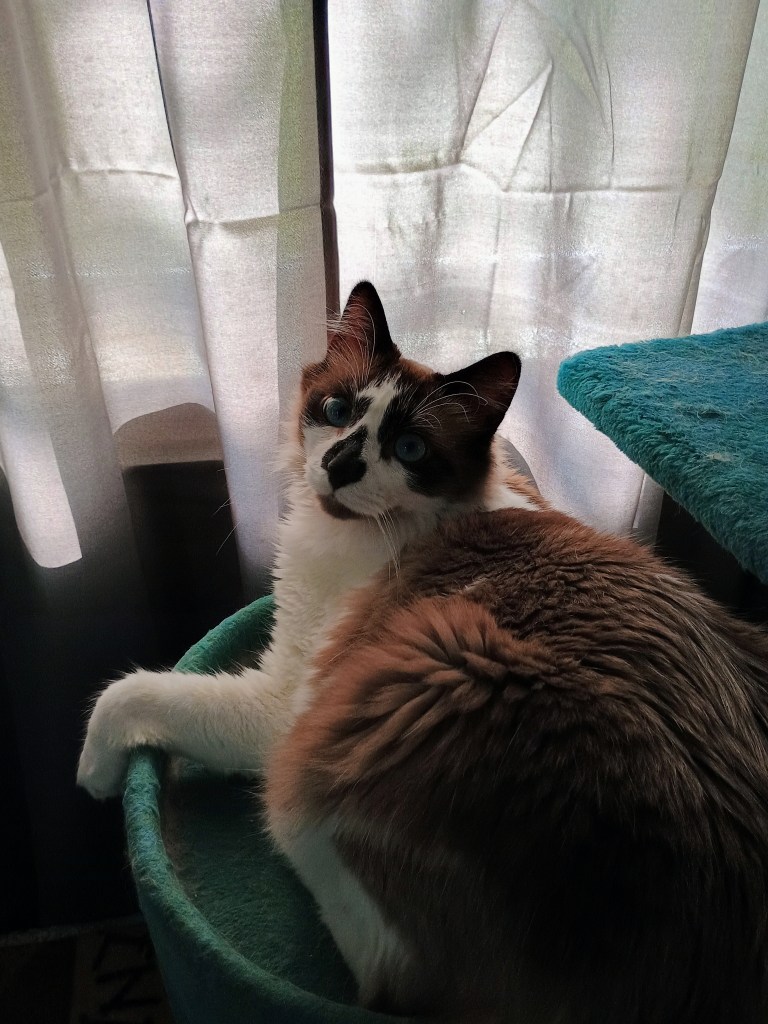
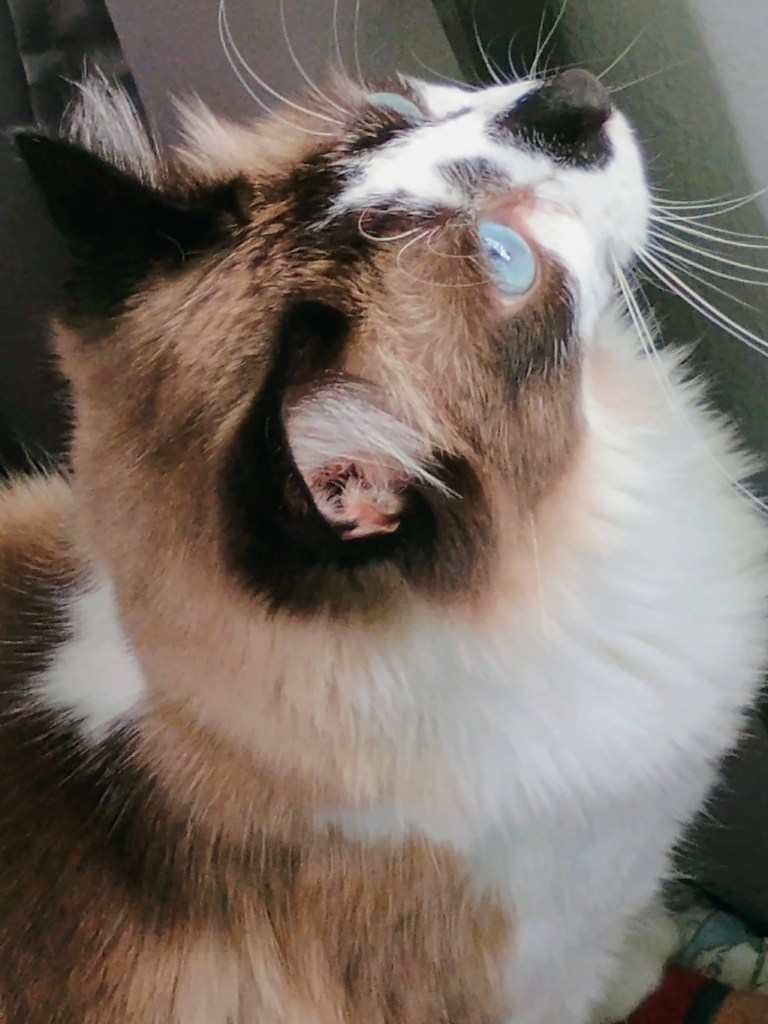
I have two cats who have entirely different views of the situation. My tuxedo cat, who is female and a very good mouser, is also around twelve years old. She found it amusing, but after awhile returned to her napping. However, my ragdoll/Maine coon male, who’s a little over a year old, is thoroughly enjoying the show.

Most the time he just lays there, watching the bird with a bemused expression. Occasionally, he’ll lunge for the window, but no telling what his expectations are.

cat looking out a window

As the assault continues I wondered: Is this bird a spirit animal with a message? While perseverance is usually a virtue, when it becomes an exercise in futility, then what? And at what point do you know it’s a battle you’ll never win? When do you know it’s time to walk away?

There are various quotes and  a couple poems that have encouraged me not to give up. The simplest is, not surprisingly, on my wall: “Never give up! Never surrender!” from the movie Galaxy Quest. Another favorite is: “Aiming for the stars and dragging your feet in the treetops is better than aiming for the treetops and dragging your feet in the mud.” (Anonymous)

Here’s my favorite poem, which has seen me through various challenges:

 Good Timber

by Douglas Malloch.

The tree that never had to fight
     For sun and sky and air and light,
But stood out in the open plain
     And always got its share of rain,
Never became a forest king
     But lived and died a scrubby thing.

The man who never had to toil
     To gain and farm his patch of soil,
Who never had to win his share
     Of sun and sky and light and air,
Never became a manly man
     But lived and died as he began.

Good timber does not grow with ease,
     The stronger wind, the stronger trees,
The further sky, the greater length,
     The more the storm, the more the strength.
By sun and cold, by rain and snow,
     In trees and men good timbers grow.

Where thickest lies the forest growth
     We find the patriarchs of both.
And they hold counsel with the stars
     Whose broken branches show the scars
Of many winds and much of strife.
     This is the common law of life.

Douglas Malloch. “Good Timber.” Family Friend Poems, https://www.familyfriendpoems.com/poem/good-timber-by-douglas-malloch

Here’s another favorite:

Keep Going

By Edgar A. Guest

same bluebird perched in the crotch of a tree

When things go wrong, as they sometimes will,
When the road you’re trudging seems all up hill,
When the funds are low and the debts are high,
And you want to smile, but you have to sigh,
When care is pressing you down a bit,
Rest if you must—but don’t you quit.

Life is queer with its twists and turns,
As every one of us sometimes learns,
And many a failure turns about
When he might have won had he stuck it out;
Don’t give up, though the pace seems slow—
You may succeed with another blow.

Often the goal is nearer than
It seems to a faint and faltering man,
Often the struggler has given up
When he might have captured the victor’s cup,
And he learned too late, when the night slipped down,
How close he was to the golden crown.

Success is failure turned inside out—
The silver tint of the clouds of doubt,
And you never can tell how close you are,
It may be near when it seems afar;
So stick to the fight when you’re hardest hit—
It’s when things seem worst that you mustn’t quit.

Edgar A. Guest. “Keep Going.” Family Friend Poems, https://www.familyfriendpoems.com/poem/keep-going-by-edgar-guest

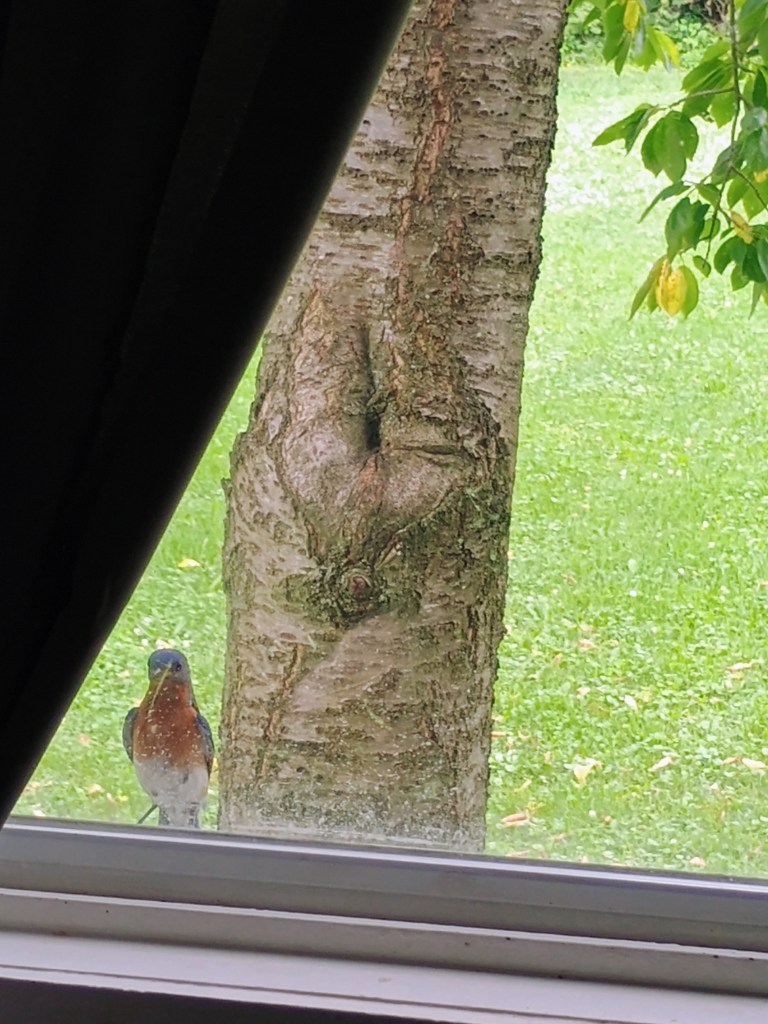
same bluebird sitting on the windowsill looking inside.

So, given that, when do you give up?

I’m in the midst of a project that may very well be a little too similar to that determined daddy bird valiantly defending his family.

Should I give up?

If so, when? At what point have I done enough?

I have never been able to figure that out.

Let’s just say I feel better about myself beating a dead horse than quitting. I usually land in the treetops, but I’ve never wound up in the mud.

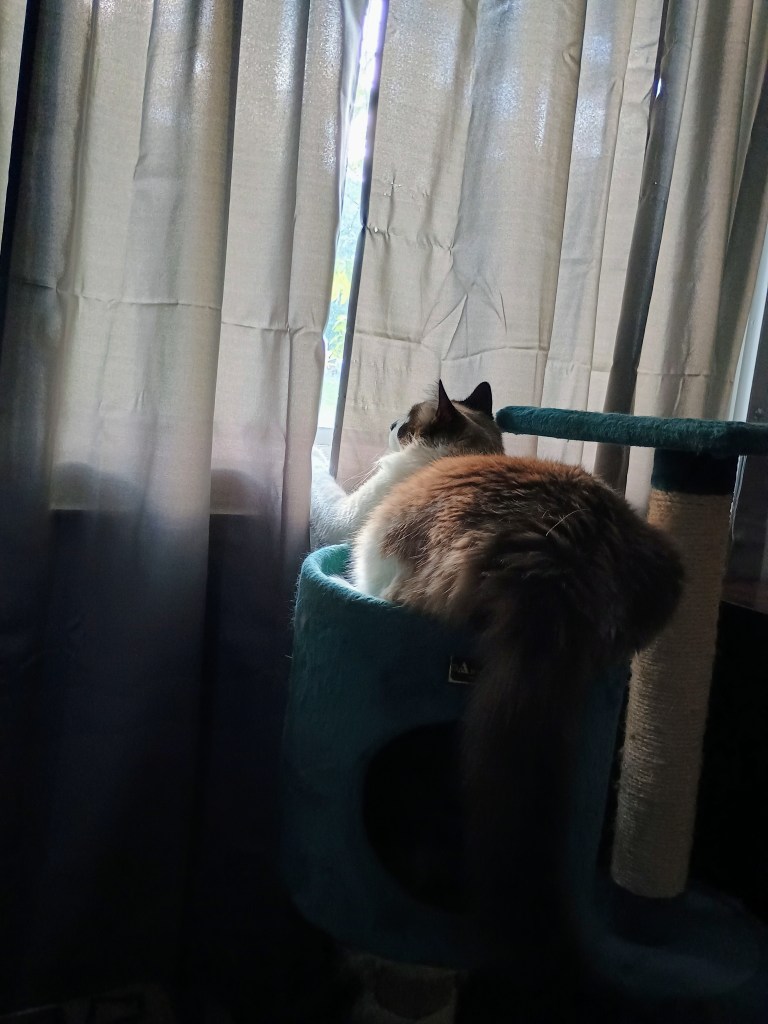
cat parting curtains with his paw to look outside

How about you?

Take a look at your thumb. Do the joints line up with your natural inclination when confronted with what could be an insurmountable challenge? Are you a tree dweller or confined to the ground?

Feel free to leave your thoughts in the comments below.

Meanwhile, I need to get back to work.

P.S. It’s been quiet outside for quite awhile. I just hope he figured it out and I don’t find a dead bluebird outside my window…

Never mind. He’s back.

Thoughts on Occam’s Razor

Stop for a moment and make a list of your daily annoyances. Now give them some thought. Can you talk yourself out of being bothered by them? Is there something you can do to eliminate them? Or are they just a part of life you have to live with?

Since merging households with my youngest daughter, her husband, and their three teens I’ve had a lot of adjustments to make after living on my own for twenty years. Like sharing a bathroom with two teenage girls. Opening a cabinet for a glass or a drawer for a fork or spoon to find them all missing since the kids are allowed to eat in their rooms.

Being a cat person more than a dog fan, their three big dogs (a Doberman, a husky, and a 50+ pound “puppy” that’s a mastiff-pittbull cross) were probably at the top of the list. Especially their propensity to get into the kitchen trash can and scatter garbage all over, taking their best finds into the living room to enjoy on the couch. 🤦‍♀️😖

If you’re not familiar with what Occam’s razor is, here’s what googling it says:

Occam’s Razor is a problem-solving principle that suggests, when presented with competing hypotheses, the one with the fewest assumptions should be selected. It essentially favors simpler explanations over more complex ones, when both explain the same phenomenon equally well. The principle is often summarized as “the simplest solution is usually the best”. 

Here’s a more detailed explanation:

Parsimony: Occam’s Razor is also known as the “law of parsimony“. Parsimony, in this context, means being economical or frugal with assumptions.”

Dealing with my various frustrations was generally pretty simple, once I sat down and did some basic problem solving. The bathroom issue “is what it is” and can’t be changed. Solution: Get over it.

The glass and silverware situation won’t go away until the kids move out, which will be awhile. The solution: Keep what I need in my room.

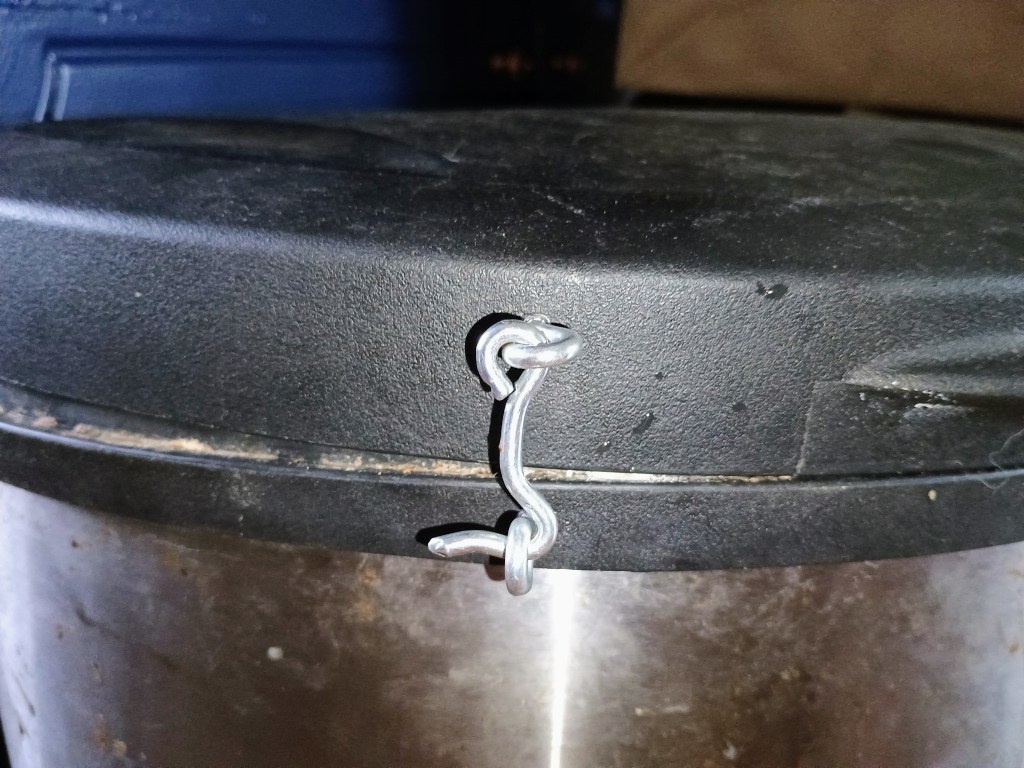
The dogs getting in the trash issue went on for a long time. Our usual solution was to place an empty cardboard box on top between the lid and overhang of the kitchen island. The problem with that was that often the box was not in place, plus one of the dogs (the husky) learned to push it aside.

The situation was actually solved by my daughter, who works in a hardware store. For pocket change, she brought home a metal hook and eye and installed it on the trash can.

Problem solved.

So what’s my point?

There is plenty to get spun up about these days. The world is pretty crazy, and as an astrologer, I can see what’s going on out there in the cosmos and that it’s not going to change any time soon. In other words, much of what may get you spun up is entirely out of your control.

How much of what’s going on out there really affects your daily life? Does it really matter?

Even if it does, there isn’t much you can do about it.

Thus, it’s a good idea to take care of those things that you can.

For example, if your daily commute is a nightmare, try listening to music your love, your favorite podcasts, or something else you enjoy to upgrade the value of time spent in a situation you can’t control.

Decide what matters and what doesn’t. Take control of what you can. This crazy planet isn’t going to get better anytime soon.

Namaste.

Today’s Writing Tip

laptop-3087585_1280 copy

Some author groups provide a variety of benefits including classes, tweet groups, review opportunities, online writing conferences, blog tours, interviews, and vetted author services providers. Two I can recommend are ASMSG (Author’s Social Media Support Group) and RRBC (Rave Reviews Book Club). Getting into ASMSG is free, but requires a recommendation from an existing member, which helps keep the membership focused on more experienced writers. Anyone can join RRBC by signing up on their website here. They charge a membership fee, but the more involved you get, the more benefits you’ll receive. If you decide to join, be sure to tell them I sent you!

Today’s Writing Tip

blank-3164721_1280 copy

Omniscient viewpoint can confuse the reader; make sure it’s really necessary & the most effective option before using it. If you really want to get inside the head of other characters in addition to your protagonist, separate chapters and/or sections might work better. Readers will relate more strongly to your character(s) if you present their thoughts one at a time, rather than bouncing back and forth. If you really want your reader to relate to your main protagonist, you should stick to his or her viewpoint as much as possible.

Today’s Writing Tip

paper-3172594_1280 copy

Some descriptions need to be repeated as reader reminders, such as what a character looks like, while others don’t. If you do a good job the first time, you can minimize them later, especially for specific people or places. Some genres typically have more detail than others. For example, those heavy on action tend to have a different level of detail than a regency romance. A detective spending the night in a cheap motel doesn’t care what color the sheets are, only if they’re clean, and maybe not even that.