Another wonderful story from the lovable characters in Beauville, NY. I love the ongoing characters like Meg and Mary, then folks cross their path and add another touching story to the series.
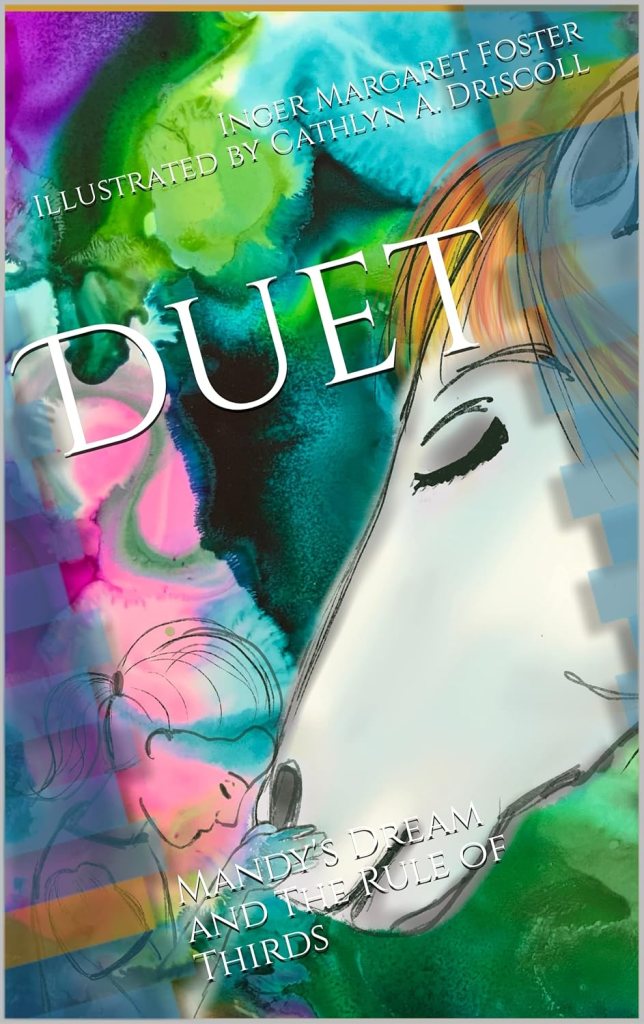
This book is actually two combined, “Mandy’s Dream,” and “The Rule of Thirds.” Warning, both are tearjerkers and so very touching! “Mandy’s Dream” is the story of Meg and a new character, Jessica, who’s a gifted young artist, helping a young girl named Mandy who has been mute since both her parents died in a horrible accident. Spending time with the girl and introducing her to expressing her feelings through art plus interacting with a special horse helped the girl to heal from her trauma. In the story they write a book for Mandy to express her feelings which is included with beautiful artwork and also sold separately for young children dealing with grief. Beautifully done on both literary and illustration levels.
“The Rule of Thirds” title relates to art design, yet in this story ties in how often a group of three has meaning in our lives. In this story, Jessica’s journey as an artist continues as well as a surprising and exciting development in her life. Saying anything else would be a spoiler so I’ll leave it at that.
I love this series and highly recommend it. While the main characters are high school age living back in the 70s, their situations are apropos regardless of the decade. The author has a gift for creating warm, relatable characters and touching situations most will encounter at some point in their life. I would have loved these books as a teen and do today as a great-grandmother. Highly recommended.
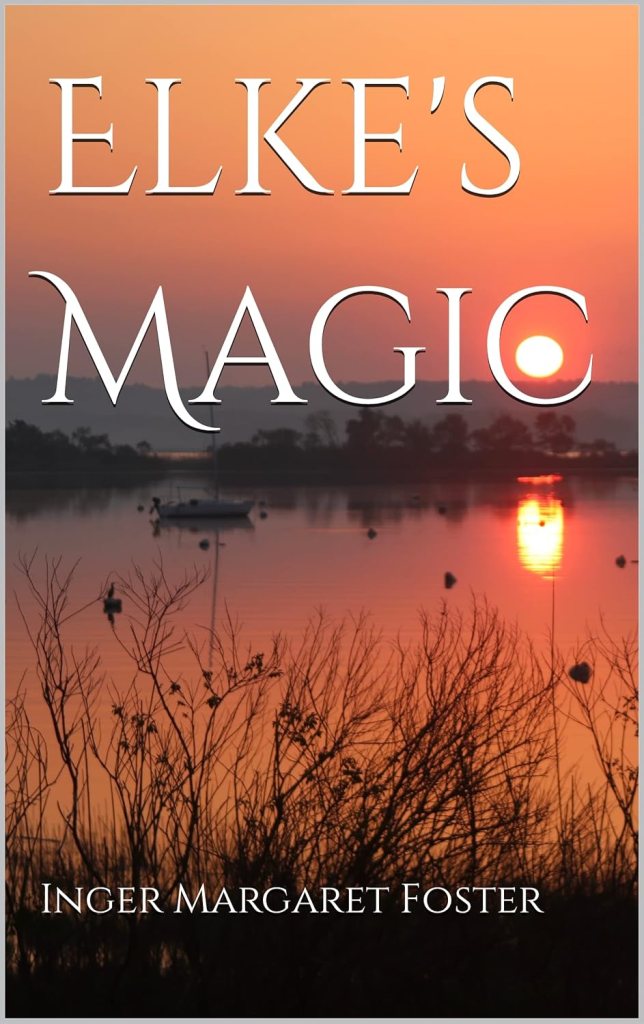
I’m extremely excited that “Elke’s Magic” in this series is a screenplay that is in pre-production! I can’t wait to see it on TV someday!
You can pick up your copy of “Duet” on Amazon here and available thru Kindle Unlimited.
This first book in the Circle of Souls series is indeed magical. Fourteen year old Meg and her brother, Sam, meet Elke, a woman who lives in a small house in the woods. She helps their sick cat and introduces them to her horses. She teaches them to ride, much to their delight. However, the kids have been sneaking away without their mother’s permission, which ultimately results in trouble.
Misunderstandings abound, causing considerable problems that get more complex with the kids forbidden from seeing Elke or the horses again. Not wanting to wander into spoiler territory, I’ll just say that this story is intriguing and loaded with insights on dealing with a person who’s emotionally disturbed. When I was growing up, my mother was a lot like Meg’s so I could relate. I remember well being given the silent treatment without knowing what I had done wrong. As a teen it’s hard to understand why a parent acts like that and it can be very difficult to deal with.
Back to the story, Elke has a variety of secrets that add considerable depth to the story which contribute to a very touching, tearjerker ending. Her past ties back to WWII and the heartbreak caused by separations. I highly recommend this as the first book in this series and have already read another one out of order as I binge this series. I look forward to reading the next one to see what continues in the life of these many endearing characters in a fictitious town that reminds me a lot of the one where I grew up, right down to it’s geological location.
I absolutely loved this beautiful story. If you have (or are) a teenager, this is a book I recommend very highly. It’s important to note that it takes place in the 1970s, a time I remember well, yet is ancient history to kids today. Things have changed, a lot, and much of it for the good, especially in recognizing how people are traumatized and how they can be helped. Back then you were on your own. Even if you had the money for counseling, there was little known at that time about many of the problems people encounter today. Those that overcame were probably stronger, but no telling what scars they lived with. And what about those who didn’t?
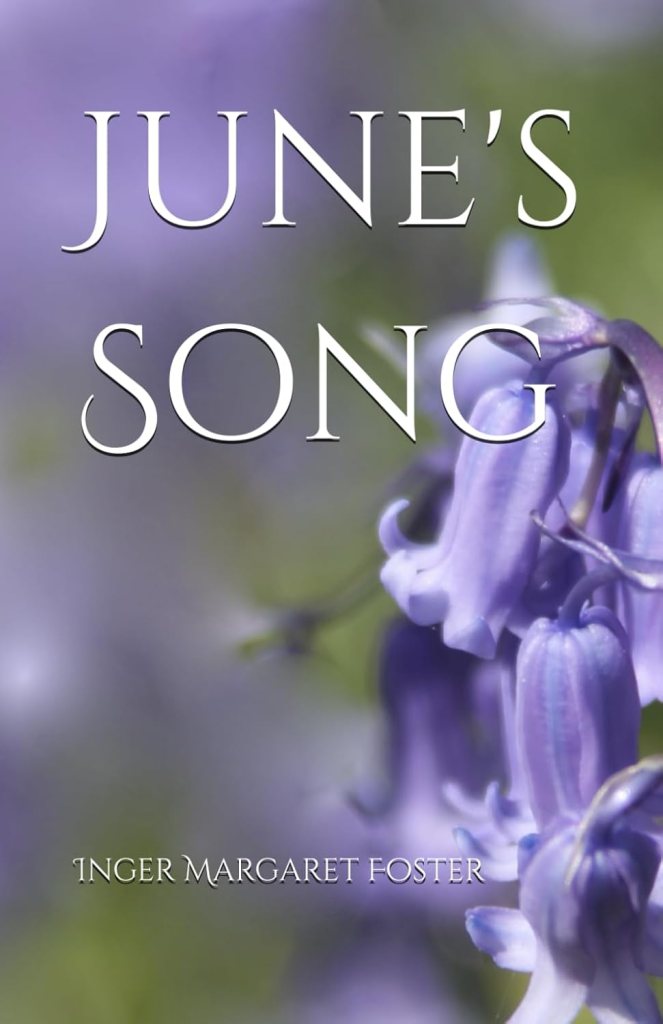
June Adams is a 17 year old who is overwhelmed by numerous unfortunate events in her life which ultimately endow her with way too much responsibility. While she considers ending it all, fortunately this is averted and June steps up to what she must do. A good friend as well as a very special friend where she works help her hang in there. She finds time to pursue her talents and being a normal teen in spite of her many challenges.
This story is powerful on so many levels. Accepting things the way they are and just dealing with them while maintaining a positive attitude is so important, yet seldom easy. Dealing with loss is difficult, no matter what your age or experience.
One thing I love about this author’s books is the way they blur the boundaries between life and death. This book is part of her “Circles of the Soul” series, which I intend to explore in its entirety. Those on the “other side” are still there, caring about those they left behind. They are now in a better place and as much as they may be missed, the best way to honor them is to continue to embrace the life you have.
If I were a high school teacher I would make this story required reading, which would fit well for either English or Social Studies classes. Highly recommended for all ages.
Learn more about the author and her other books on her website here.
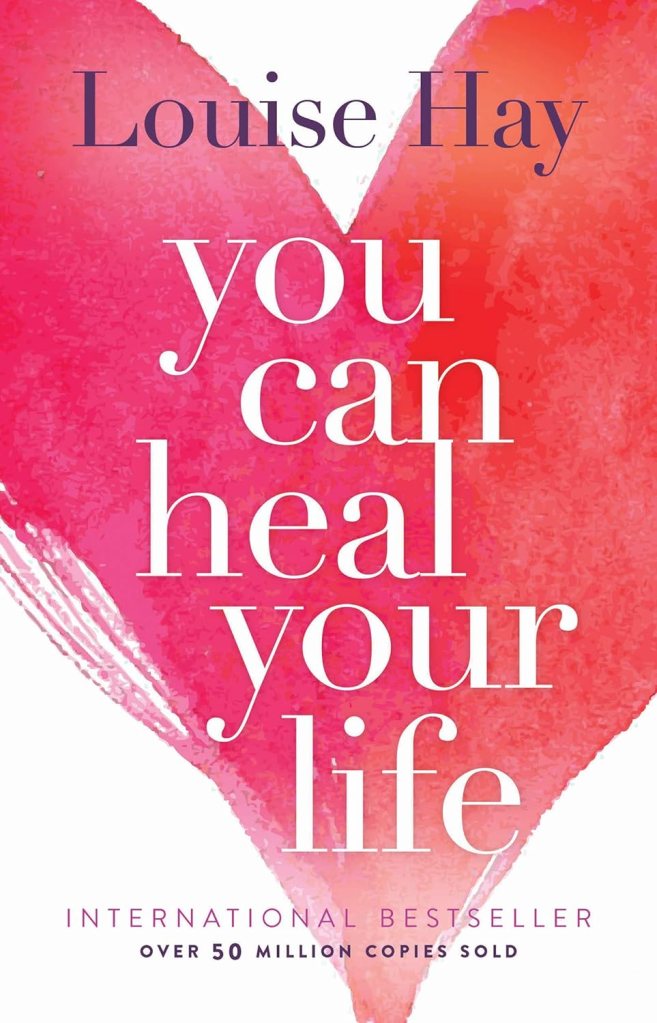
It’s hard to fathom a book selling over 50 million copies and being on the New York Times Best Seller list twice, the first time for 14 weeks and achieving that honor again 22 years later. Books that hang around like that obviously contain something that resonates. This is truly a landmark book. I suspect it may have been one of, if not the first self-help book.
I’m amazed that I just discovered it after hearing it mentioned on a podcast. Much of its content was familiar since I’ve read various other books on the subject of how our emotions affect our health. The first one I read was “Feelings Buried Alive Never Die” by Karol Kuhn Truman. Now I’m sure it was derived from Louise Hay’s book.
If you’re not 100% happy with your life and you’re not already one of the 50+ million who has read this book, I urge you to do so. It can truly be life-changing. Even being familiar with the principles, it never hurts to have a refresher of such important information.
Think about feelings for a moment. They’re called that because you literally feel them. Considering your body’s physiology, they are caused by chemicals emitted when you’re experiencing a certain emotion. While some feelings are positive, like love and joy, others aren’t–hate, anger, anxiety, fear, frustration. These negative emotions emit chemicals that are toxic and tend to target and weaken certain organs with dis-ease.
Needless to say, nutrition is important and can cause problems as well. Changing our established eating habits and patterns isn’t easy and neither is letting go of old baggage and changing your thoughts. However, if you’re ready to make some changes, reading this book is a good place to start. Clearly it has helped millions of others.
There’s no better time for a ghost story than October and this sweet paranormal cozy mystery/romance is perfect. I thoroughly enjoyed this sweet story with its unique plot and engaging characters. I read it in a single sitting because I couldn’t put it down.
Jo and Philip Briton fall in love with this old house on the waterfront in Connecticut because it just feels like home. They walk out to the water to check the wonderful view and both see an apparition, a beautiful young woman gazing out across the sea. Then she vanishes.
They buy the house anyway and a friendly but somewhat odd neighbor gives them clues relative to its history, including who the ghostly woman was. An old steamer truck in the attic contains more information about the house’s history as well as a small book written a century before that includes more of the story.
The twists and turns are great as the story unfolds, one of which gave me goosebumps. Surprises right up to the very end, which then makes so much sense. I loved the characters, all unique and well-developed. By the end of the story I had one question unanswered that would be a spoiler to include. Perhaps it could be covered by a possible sequel, which would be great.
I’m sure at some point I will reread this touching story, knowing all its little secrets. I loved it and highly recommend it as a wonderful break into another dimension that is closer than we think. I’ll definitely be reading more from this author. I connected with the story even more since some of my ancestors lived in that very part of the country. It was interesting to learn more of the history of the area as well as the mention of familiar places.
[NOTE:–I tried to post the following review to Amazon and it was rejected. I’m not entirely sure why, but I suspect the first paragraph was verboten, which figures, right? I edited it down significantly and they posted it, but here are my original comments.]
This story stands out as a chilling cautionary tale. While it’s set in 2034, don’t think it’s not already happening. Our reverence for life is seriously compromised as demonstrated by the ongoing abortion issue. At what point does human life begin? Conception? Or with that first breath at birth? What about those laws that have legitimized infanticide? Promote euthanasia? Where is society headed? We are being dehumanized, starting with the most vulnerable members.
It’s difficult to write a review of this story without spoilers. If you’re really paying attention through the first few chapters, it’s possible to figure out what’s going on as people disappear. The story slowly and methodically reveals the horrific truth through the viewpoints of the three main characters.
The premise reminds me of medical thrillers I read years ago by Robin Cook. Suspense author Mary Higgins Clark was another one who worked with such themes. This book lacked that kind of nail-biting suspense. It was written in a very journalistic style that failed to render emotional reactions in the reader. At least that was the case for me. I could tell where it was going, especially after the blatant revelation provided by the android, Daisy, in the middle of the story. If you haven’t figured it out by then, there it is.
This thought-provoking book deserves a lot of attention for its potential to wake people up, if nothing else. Being directed at Christians is somewhat ironic since they aren’t the ones who need to be jolted awake to the evils in the world around them. It would definitely be in the “medical thriller” category if the emotional impact and suspense were ramped up a bit.
Actually, if written to its full emotional potential, this book would be in the horror genre. Since this is the author’s debut novel, I assume she has not yet acquired the writing skills to render an emotional reaction in her readers. (This is normal except for incredibly gifted writers. I didn’t figure it out until around the time I was writing my 6th novel.) This is not a criticism since in this case, it’s a good thing. As it’s written, more people will choose to read it and make it through the book. Rest assured that it does have what can be considered a happy ending, plus incentive to read the sequel.
For what it’s worth, if a book makes me cry and laugh, I’m more impressed. There are a lot of good premises and stories out there that fall short on their emotional impact, which is the element that tends to hook readers and convince me the author knows how to write.
On the editorial side, I think the scriptural quotes were a bit overdone. Not that I don’t agree with them and I understand the underlying Christian message. However, I don’t think their inclusion will convert anyone to Christianity, while conversely, such excessive use could feel “preachy” and be a turnoff for the very people who need to read it. The fellow Christians I’ve been around usually don’t quote the book, chapter and verse, just the content.
The book is beautifully formatted and the cover is great. The editing is well-done regarding misspellings, grammar, typos, etc. Only one thing jumped out that her editor missed: Near the bottom of page 249 of the paperback it says, “There’s no way I’m not going to let that happen.”
Huh?
The way I read it, the double negative conflicted with the statement’s intent. There were a few other things but I may be the only person in a thousand who would notice, so I won’t even mention them all, but if I’d been a beta reader I definitely would have. I guess the biggest one I wondered about as a science fiction author is that I suspect by the year 2034 we won’t be using much paper, but who knows?
I gave this book 4-stars. For a debut novel, she did a pretty good job. It’s worth a read for its very important message of where we might be heading. Heaven help us if it turns out to be prophetic.
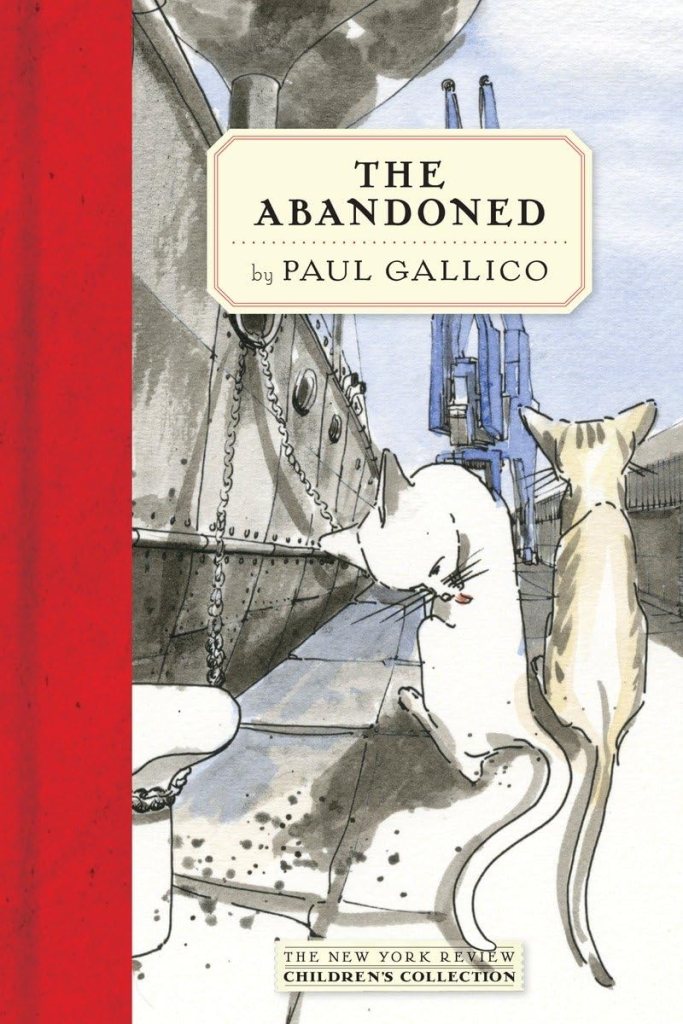
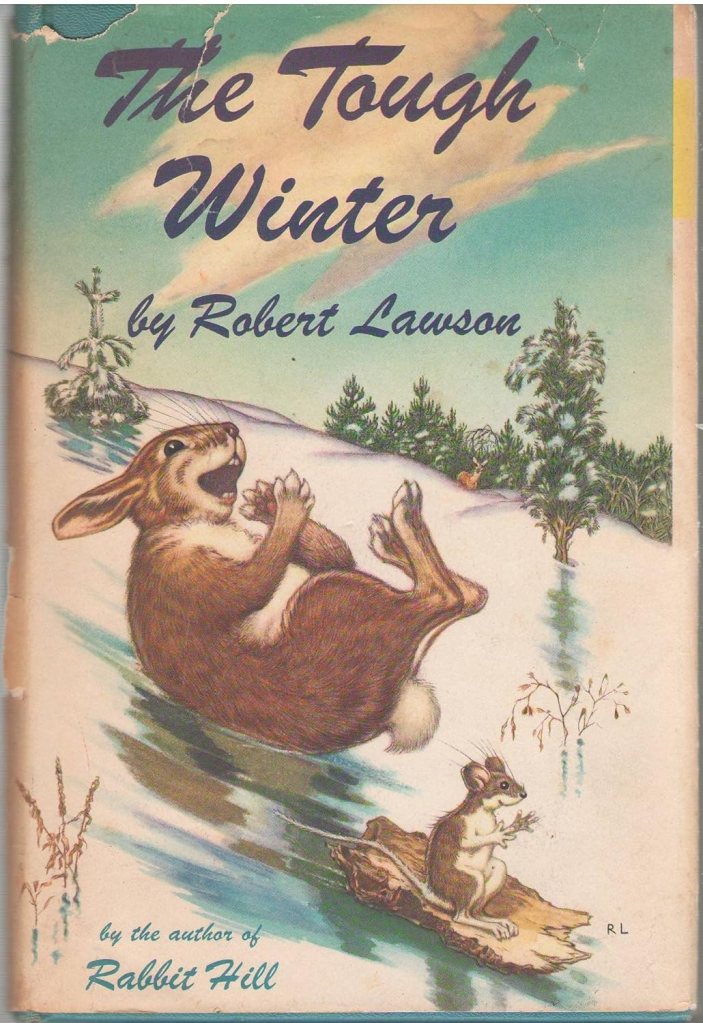
As an only child, books were important. Fortunately, my mother read to me as a young child such that I could read by the time I went to school. I was reading chapter books by 3rd grade, maybe sooner. My early favorites were animal stories by authors like Paul Gallico, who wrote “The Abandoned,” my favorite book for many years, perhaps for all time. Robert Lawson, author of “The Tough Winter” was another favorite.
I remember going to the Peekskill New York Public Library in my home town and coming home with a huge stack of books, especially in the summer.
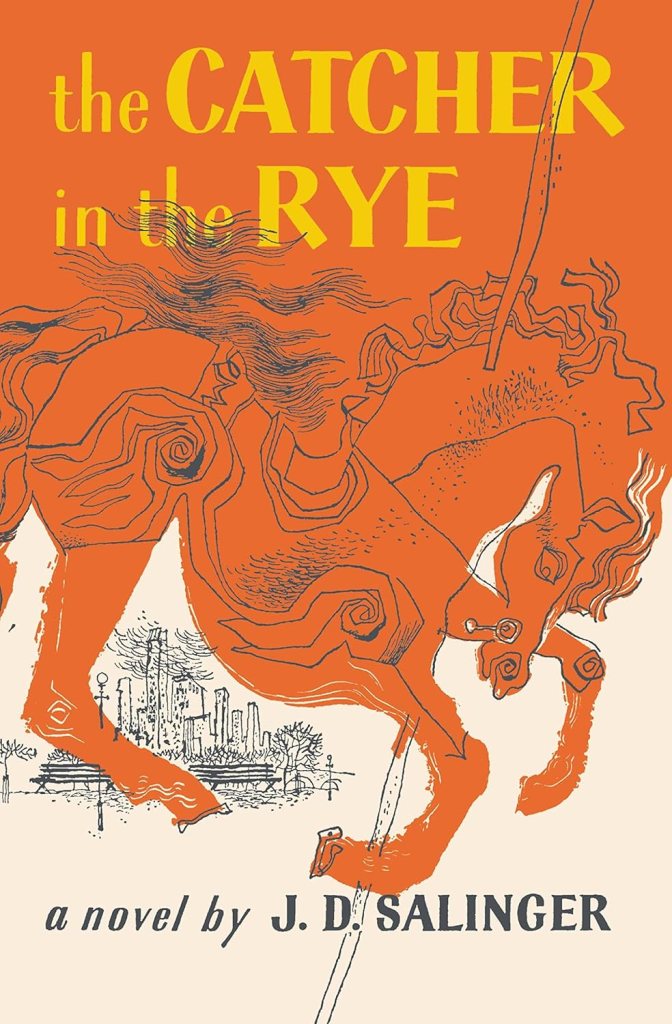
While still in elementary school I discovered Nancy Drew Mysteries. I would save my allowance to buy the latest release and had them all, which were usually read more than once. As a teen my favorite was “The Catcher in the Rye” by J.D. Salinger. I remember reading on a city bus and coming to a part that made me laugh out loud, earning odd looks from my fellow passengers.
As a working adult, I had to give up certain authors because they kept me up all night: Michael Crichton, Tom Clancy, John Grisham, to name a few.
Home at Last!
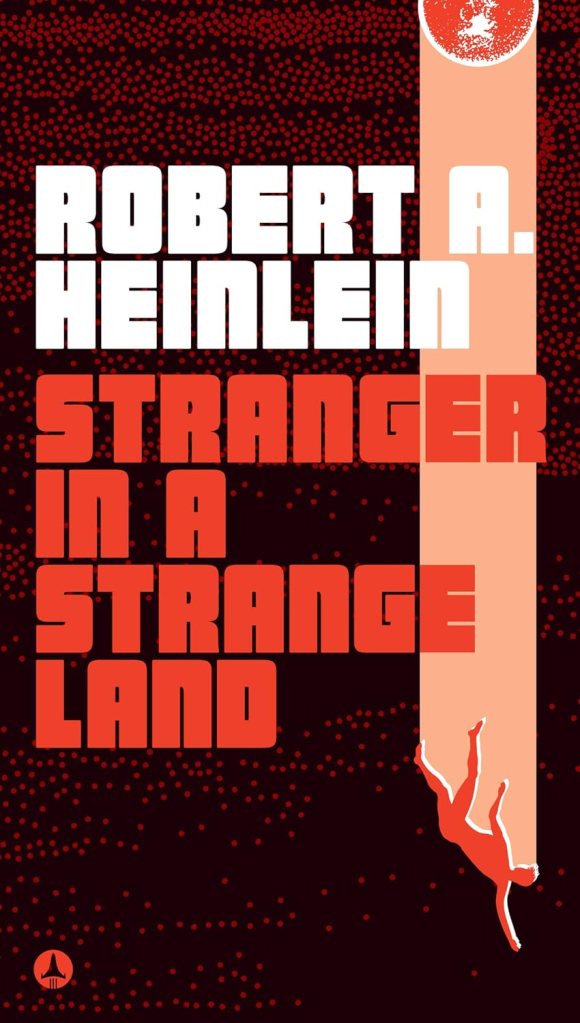
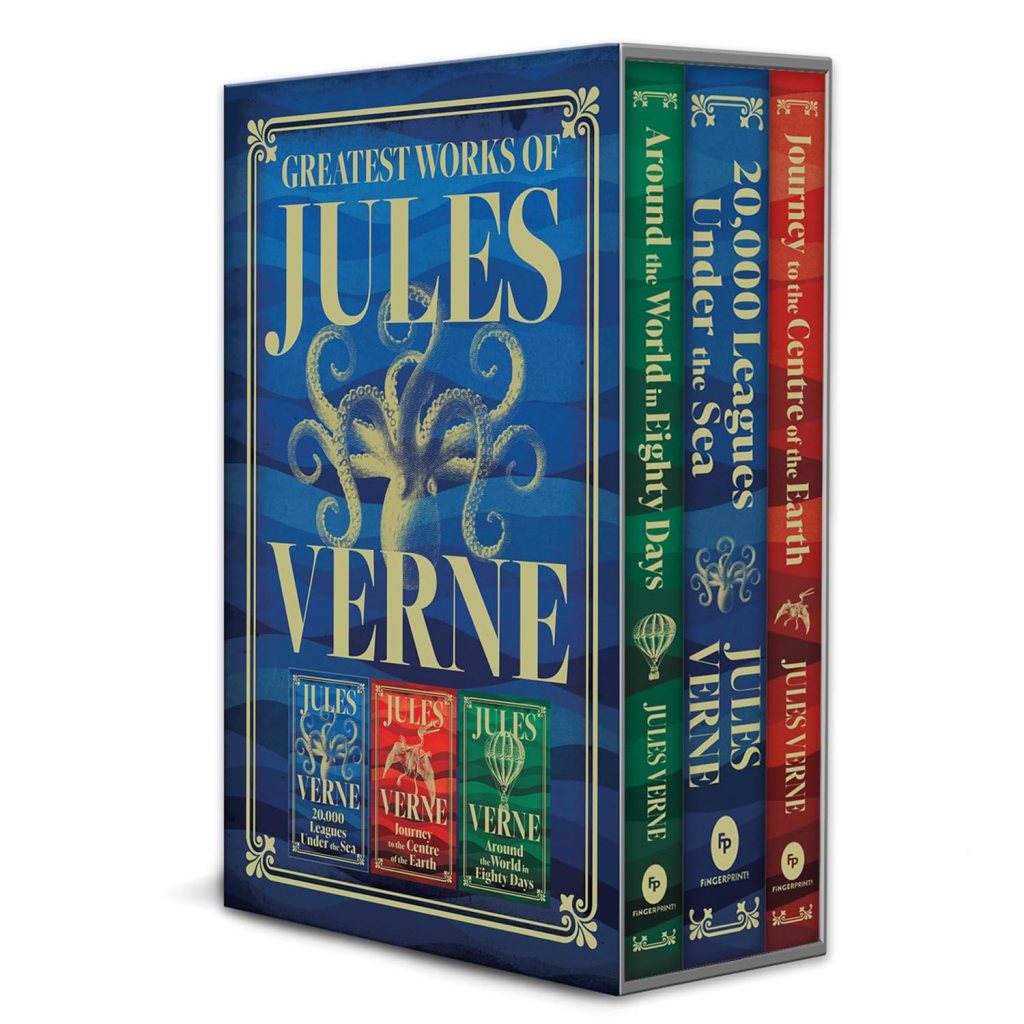
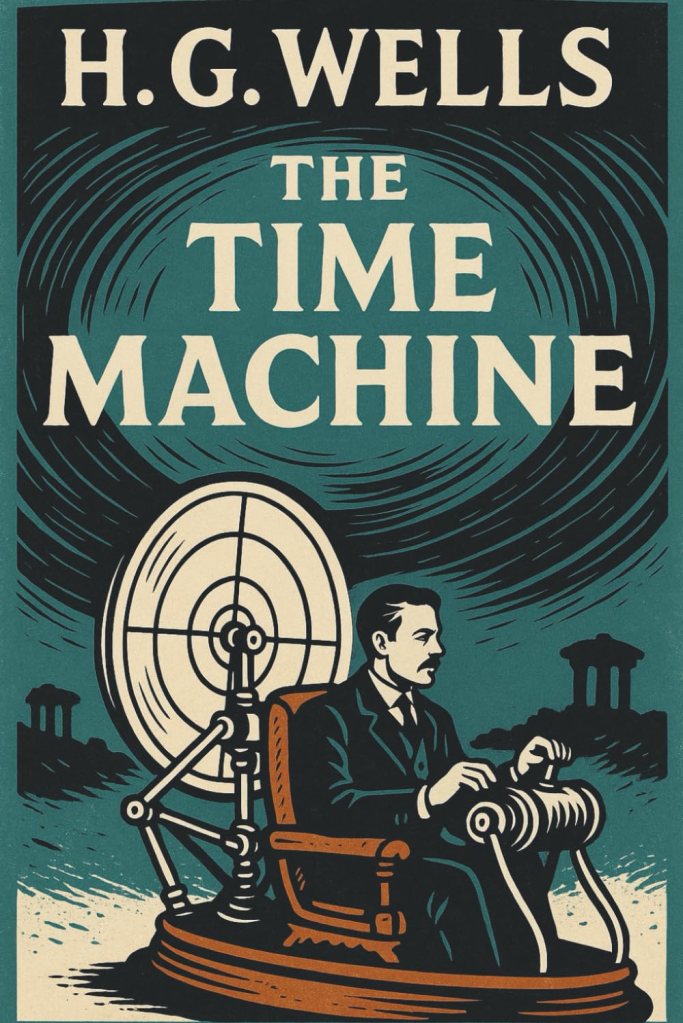
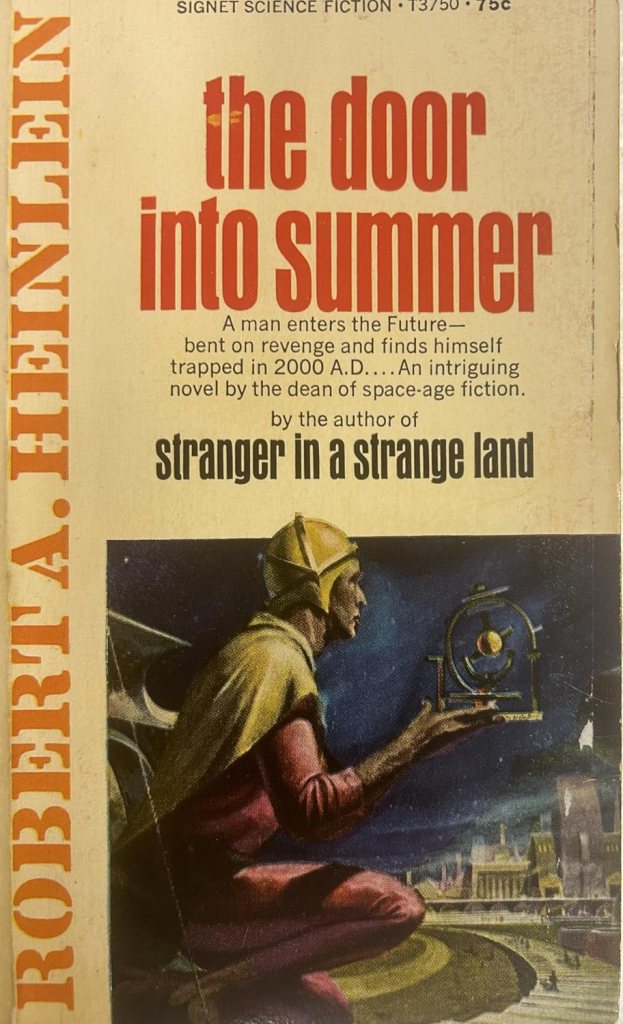
Somewhere along the line I discovered science fiction. The classics by Jules Verne such as “Journey to the Center of the Earth” and H.G. Wells’ “The Time Machine” were my first discovery, followed by Isaac Asimov and Robert A. Heinlein, the latter my all-time favorite, especially “The Door Into Summer” and “A Stranger in a Strange Land,” where the word “grok” originated, for those of you who didn’t know.
I scratched out my first science fiction story in 6th grade on yellow lined paper about the planet our teacher hailed from. Not much of a plot, but my classmates found it entertaining. Not surprisingly, an avid reader like myself aspired to be an author when I grew up, more specifically a science fiction author.
One thing that always frustrated me was that science fiction books had very little actual science in them, probably why I favored Heinlein, who was an aeronautical engineer whose fiction started the “hard science fiction” sub-genre.
As a perfectionist, I wanted to learn more about science so that when I wrote my stories they would contain the scientific explanations I craved as a youth. Thus, at 35 I returned to school to earn a bachelor’s degree in physics from Utah State University, followed by a 21 year career at NASA’s Johnson Space Center in Houston, Texas.
We’re told to “Write what you know,” right?
If you’re a fan of “The Big Bang Theory” that might look familiar. 😉
My first science fiction novel, “The Capture of Phaethon,” about an asteroid collision with Earth was written while I was in college. It won me a scholarship as well as First Place Honor in a state competition. Maybe someday I’ll get it published. For now, the manuscript is in a box in the basement. Writing Phaethon was when I discovered the mysterious serendipity associated with creating fiction.
That’s all it is, right? Fiction? Something made up in your head?
My fictitious asteroid was named Phaethon, after the son of Apollo who crashed his father’s chariot into the Sun. Imagine my shock when doing research in the USU library’s NASA section that I found an asteroid by that name had recently been discovered! OMG! Later I discovered its usefulness in astrology, where it often indicates a “crash and burn” situation, figuratively or literally.
Heaven on Earth
The first time I set foot inside a library it felt like I was in Heaven. How it feels within the walls of a building lined with thousands upon thousands of books is as unique as it is indescribable. Every cell senses the knowledge and secrets that await, stirring my soul.
That could be why I often spend as much time researching a book as I do writing it, sometimes more. As much as I love my Kindle, for research it has to be a print book. I dog-ear pages, highlight, and leave sticky-notes galore. When I encounter a used book like that, it tells me someone was really into its content, which is what any author hopes for.
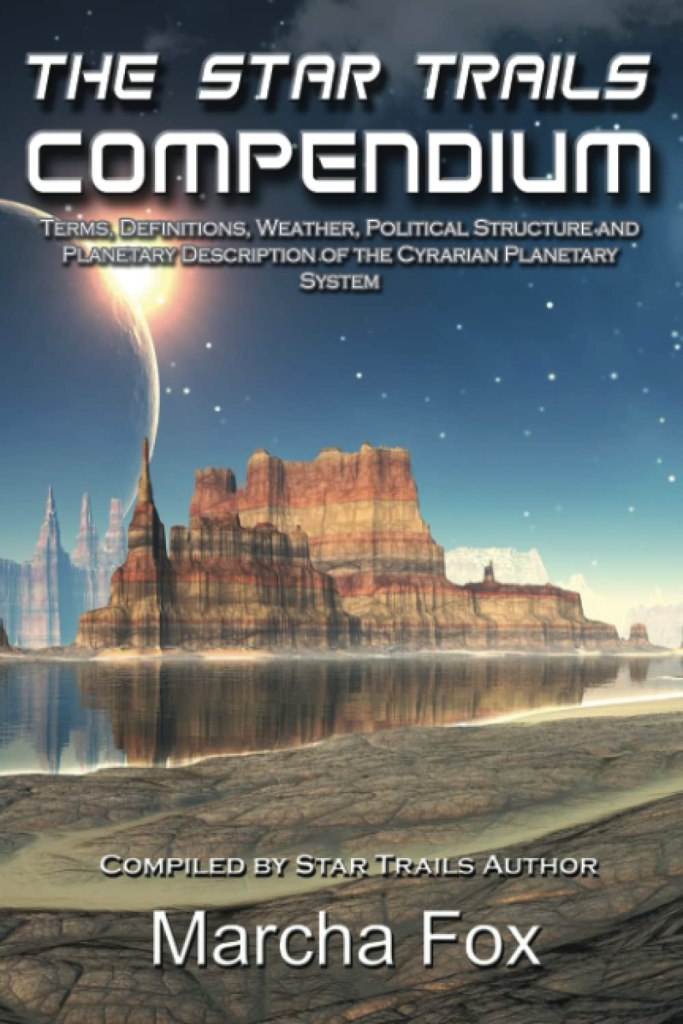
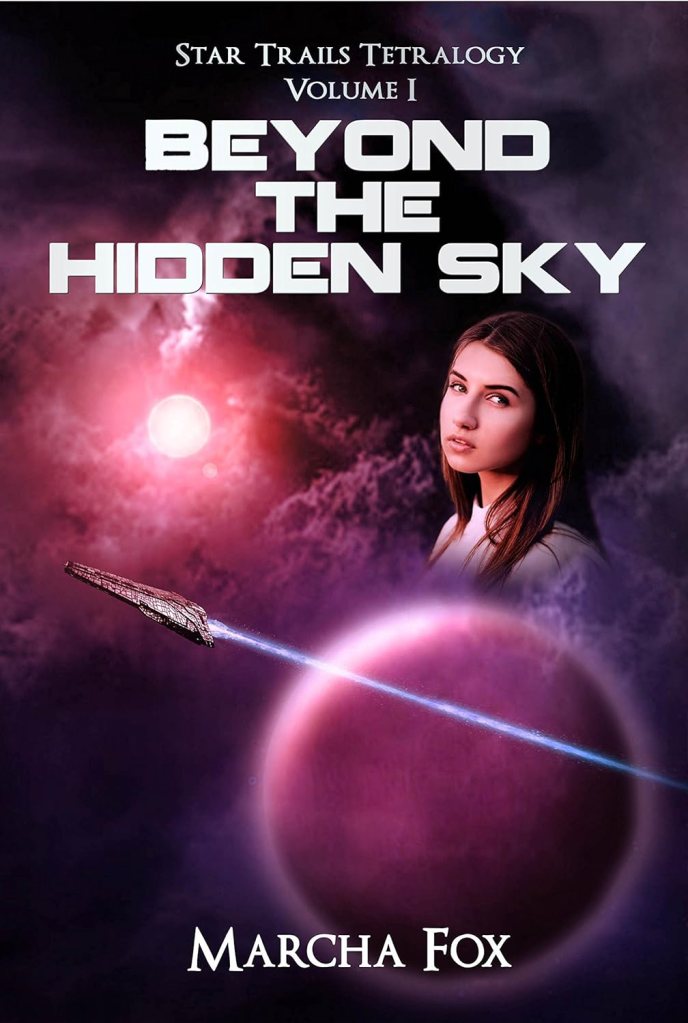
When I wrote the Star Trails Tetralogy I incorporated science and technology problems into the plot. These were books I wanted to read as a youth but couldn’t find. I even created a Compendium with additional information for readers, teachers, and home-schoolers.
Star Trails books were popular in a charter school in Utah among young nerds like I was. I had the privilege of talking to those students a few years ago, which was so much fun. I know of at least one middle school science teacher in Florida who has my books in her classroom for extra credit reading.
My favorite review for these books is the one where my writing was compared to Robert A. Heinlein. Imagine that! I have no idea how many children may have been inspired by them, but it’s good to know of at least a few.
Shifting Genres
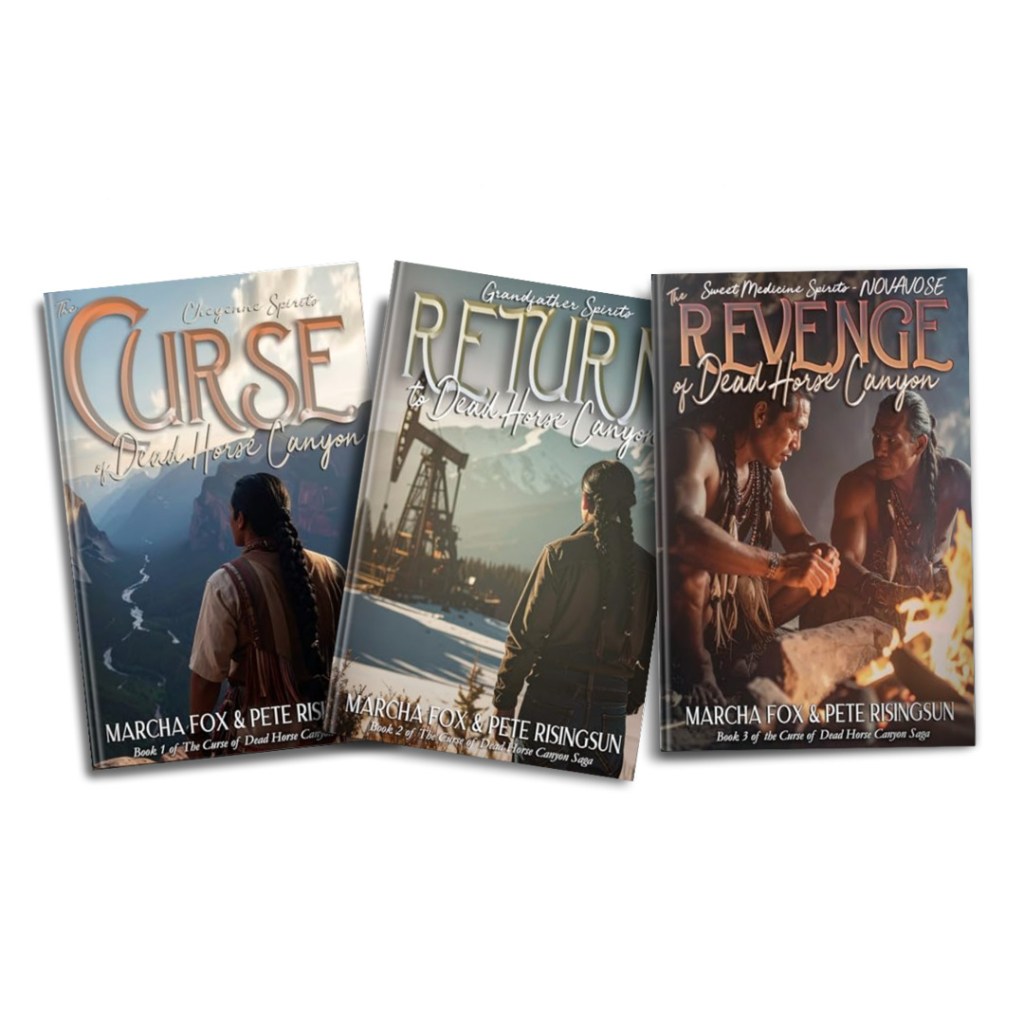
“The Curse of Dead Horse Canyon” saga started as a cozy mystery, but my propensity for research quickly led to a far deeper and darker story. My characters got out of hand, as usual, and suddenly I had a main character who was Cheyenne, a culture about which I knew nothing. My encounters with Native Americans was limited, and primarily with the Navajo. Research and serendipity delivered coauthor, Pete Risingsun, who kept the cultural elements on target, to say nothing of the story itself and additional research we did together.
The Reader’s Favorite review for the second book, “Return to Dead Horse Canyon: Grandfather Spirits” noted, to our delight, that “The depth of ethnology packed into both novels is meticulously researched and beautifully detailed. Fox and Risingsun are a dream team with this saga.”
Serendipity was alive and well writing that saga, especially how beautifully ancient ceremonies dove-tailed with the plot as if I’d known about them all along.
What will be lost?
Besides a book’s creative or intellectual content, to me it’s a physical thing. I love how they feel and smell, whether it’s fresh ink newly off the press or a musty antique over a hundred years old. Ebooks just didn’t feel that satisfying. I was grateful when self-publishing a paperback was an option, making it possible to hold my first print book, “Beyond the Hidden Sky,” in my hands and flip through the pages.
However, to me, a real book is a cloth-bound hardback with a dust jacket.
And this past June that dream was finally realized when all three books of the “Dead Horse Canyon” saga were released as hardbacks, laminated covers on Amazon, and real books with a cloth cover and dust jacket available through Ingram which can be found on Barnes and Noble, Books-A-Million (BAM), and numerous other booksellers’ websites.
Everything is being digitized, which is convenient, but I shudder to think that my generation of Baby Boomers may be the last to embrace physical, print books. The expense and storage involved versus the option of digitizing everything leaves no other choice.
Given that, how many will grow up without the joy of holding a brand new release from their favorite author in their hands, much less an autographed copy? Or never know the awe and expectation amid the imposed silence found within a massive library? While the words may be the same, there’s an essence found only from a tome in tangible form. When they’re my age will they miss their first smart phone the way I treasure the memory of those beloved books?
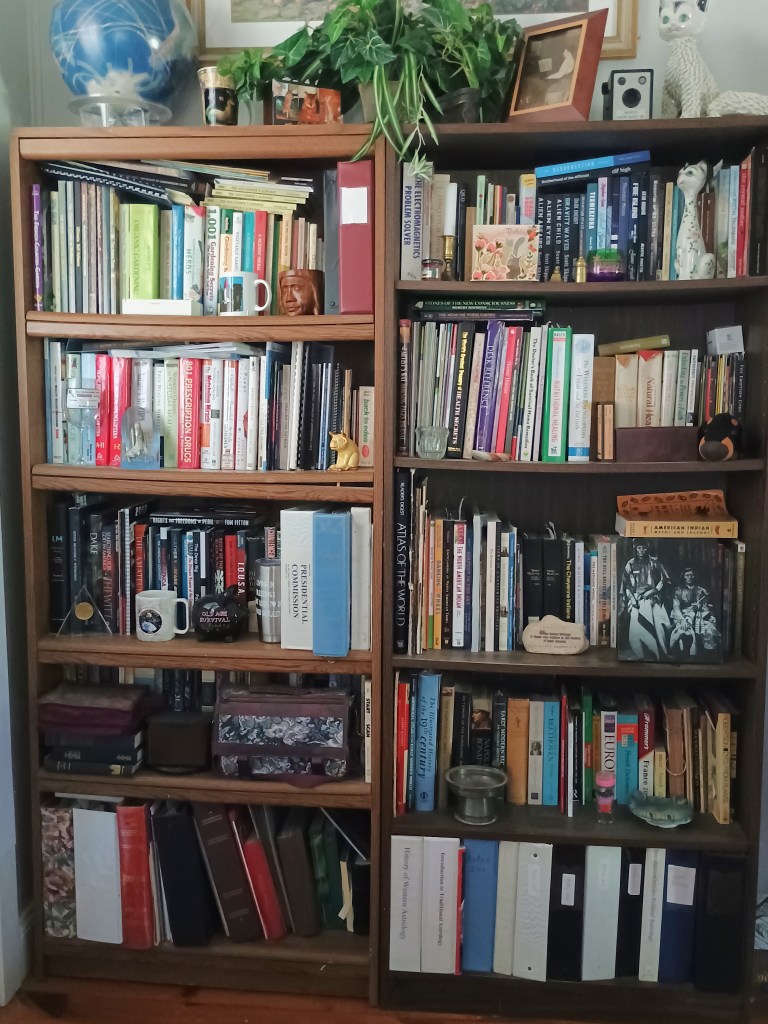
Or maybe that’s just me, an admitted bibliophile, who loves the print medium as much for its physical presence as what lies within. Digital formats that could disappear with a power surge or a few key strokes just aren’t the same. (Probably a thought my children will express loudly when I die and they have to deal with my many bookshelves full, only one of which you see at the top of the page.)
And how much easier might it be to pull the plug on books with content found offensive or declared “wrong” by someone in authority? Where would we be as a civilization without old tablets, scrolls, and other records?
To a bonafide bibliophile like myself digitizing books reeks of sacrilege. If you agree, be sure to buy a physical book once in awhile. Preferably a new one, so the author sees even a few dollars of benefit from it.
Epilogue
When I saw “The Abandoned” and “The Tough Winter“ were still available on Amazon I
literally cried. The book cover for “The Tough Winter” looks exactly like the book I had as a child. I ordered “The Abandoned,” planning to read it again, then leave it as my favorite book from my childhood to whomever wants such an anachronism when I die.
This trip down memory lane led me to discover my reading list for the remainder of this year. Revisiting those favorites from the perspective of a septuagenarian should be interesting.
What books did you love from the time you could read? What made them special? Would you like to hold them again as you would hug a dear friend you hadn’t seen for years?
And that, no doubt, is why I simply had to order a physical copy of “The Abandoned.”
It arrived a few days later and I cried again, as well as numerous places throughout this sweet story. I wasn’t sure why it hit me so hard until a few days later, as I nursed my way through the worst “Book Hangover” I’d ever had.
Then I stumbled upon a statement on the back cover that I could have written myself: “When I was 9 years old I plucked The Abandoned from my school library’s dusty shelves and fell in love with literature. The adventures that unfolded, reminiscent of The Wind in the Willows and Peter Pan, captured me so thoroughly I knew writing was part of my destiny.” — Naomi Serviss, Newsday
That was it!
This was no ordinary book! It was the very one that made me decide to be a writer! I’d never quite thought of it as my “destiny,” yet it hit me like never before. I don’t know who or what I’d be without those books I’ve had a hand in bringing into the world.
Have they affected any readers out there like The Abandoned did me? I’ll probably never know. But for whatever reason, I suspect I was supposed to put them out there.
Are you a writer? When did you realize it was your calling? Or was it just something that came along at some point in your life when you had something to say? Fiction or nonfiction? Leave your answer in the comments below.
Read a variety of books and genres, including those written by writers more skilled than yourself as well as those less skilled. This allows you to see how far you’ve progressed. You can learn from both. To paraphrase a favorite quote, “No book is ever wasted. You can always serve as a bad example.” Often someone else’s glaring faux pas is something you do as well.
Levi Bacchus can’t read. 36 years old, and he’d never learned the meaning of a single sentence.
“I just ain’t cut out for this, Jamie Lynn.”
The girl’s countenance dropped in disagreement—just like her mother, that one.
“So, you’re a quitter now?” she bellowed, sounding too much like the woman who’d walked out of their lives two years earlier.
Levi took offense. “Mind your manners, Missy. I ain’t never been called no quitter.”
“Reading is something everybody should be able to do, is all I’m saying.”
“It’s easy for you,” Levi argued. “You’re just a kid, still in school. You have teachers telling you what to do and how to do it. I’m just too old for learning.”
The girl narrowed her gaze, jabbed a finger into the open book. “From the beginning,” she demanded.
His heaving huff meant he’d do it again—if only for her sake.
Words formed in his head before finding place on his tongue. Some came through in broken bits and pieces, while others arrived fully formed and ready for sound.
Jamie’s excitement in the matter is why he kept trying. Well, that and the fact he’d long desired the ability to pick up the morning paper and offer complaint or praise for the direction of the nation. All those people in the break room at the plant held their own opinions on everything from the president to the latest championship season enjoyed by the local high school football team.
“That’s good, Daddy,” Jamie said, patting her father on the arm. “That’s really good. You’ll be reading books before too long.”
A smile worked at the edges of his lips, refusing to go unnoticed.
“I’d like that, Sweet Pea.” That’s all he’d say of the matter. If it came to that, well then, he’d have accomplished something worth appreciating.
Levi harbored bigger notions than merely reading books. When a man can read, he can do or be anything he wants to be. His own father often said a man who can’t read is forever in bondage. How can a man truly be free if he cannot read the document spelling out the very rights bestowed upon him by simple virtue of birth? No sir; being illiterate no longer appealed to him.
Of his immediate family—father, mother, two older brothers—only Levi failed to attend college. Oh, he graduated from high school. Being a star quarterback will afford that sort of luxury. But when those coaches from the universities came calling, low test scores couldn’t open doors that promised more than a life spent in auto factories.
He’d seen a show on TV about a man who’d been sent to prison for five years for armed robbery. While there, this man learned to read, took a course on the law, and became a legal secretary upon his release. Eight years later, he’d earned a law degree and opened his very own practice.
Levi didn’t see himself arguing cases in a court of law—defending criminals most likely to be guilty just didn’t appeal to his sense of right and wrong. What he did see, however, is the need for a good and honest person to run the city he’d forever called home.
“Think I could be mayor?” he asked his daughter.
Jamie Lynn always grinned over such talk. “Everybody has to have a dream, Daddy.”
It’s what she always says.
Everything begins with a dream.
She gets that part of her from her mother.
“Once I can read without stopping to ask questions,” he mused, “maybe I’ll throw my hat into the ring, huh?”
“There’s nothing wrong with asking questions,” she answered, weaving wisdom between her words.
* * *
She’d been a girl scout, his daughter—daisies and brownies before that. It’s the other girls who bullied her out of the joy that sort of thing once offered. Straight A’s have a way of making others feel inferior, even threatened.
But Jamie Lynn isn’t the type to pine or fret. She chose to tutor—and not just her father, either. Kids come to the house needing to know this and that among mathematics or English or science. Her dream? To be a teacher one day.
And she’ll accomplish that much and more.
Her mother had that very same sense about her as well. She knew what she wanted in life, and cleared the path upon which she traveled.
High school sweethearts they’d been, Jamie Lynn’s mother and father. She’d been the pretty cheerleader, he’d been the All-American boy with a cannon for an arm. She went to college, he didn’t.
But she returned to him, joyfully accepting his proposal for a life together. Her degree carried her back to the high school from which they’d both graduated. This time, rather than student, she became teacher—American History.
Levi went to work building Cadillacs in the local plant. It paid well, offered medical benefits and paid vacation time. Life settled into routines.
Then came their little bundle. This didn’t sit well with the newly-minted history teacher. No sir. It’s as if Levi had intentionally sabotaged his own wife’s career in some fiendish plot to keep her home.
Words of love became “stupid” and “ignorant” and “illiterate ass.” She walked out one evening and never came back to the home they’d built together.
A former student, he’d heard—five years her junior. They’d ran off together, supposedly making a new home somewhere out west.
Levi didn’t challenge it. He received the house and the kid in exchange for his signature on those papers he couldn’t even read.
Jamie Lynn, she’s the light that shined in his darkness, showed him there’s still so much more living to be done. And learning to read, well, that just added to the adventure.
* * *
The night came when he read an entire chapter from one of Jamie Lynn’s old middle school books—straight through, unpunctuated by all those starts and stops and nervous questions. By the end of the month, Levi had managed the entire story—all 207 pages.
“We have to celebrate, Daddy,” she insisted.
It’d been the silly draw of embarrassment that twisted his head left and right, his voice saying, “No need to make a fuss, Sweet Pea.”
But fuss is only the beginning. “Dinner and a movie,” she ordered. “Then we’ll stop off at the mall and pick out a few books that you might like.”
There were stories he recalled from his boyhood; books other kids clutched under their arms and took for granted. Stories that stirred so much excitement in those young lives.
They’d belong to him now.
“You’re finally blooming, Daddy—just like a flower.”
And so was his daughter.
A teacher in the making.
~~~
Thank you for supporting this member along the WATCH “RWISA“WRITE Showcase Tour today! We ask that if you have enjoyed this member’s writing, to please visit their Author Page on the RWISA site, where you can find more of their writing, along with their contact and social media links, if they’ve turned you into a fan. WE ask that you also check out their books in the RWISA or RRBC catalogs. Thanks, again for your support and we hope that you will follow each member along this amazing tour of talent! Don’t forget to click the link below to learn more about this author:

 Marcha's Two-Cents Worth