Today’s Writing Tip

notes-copy

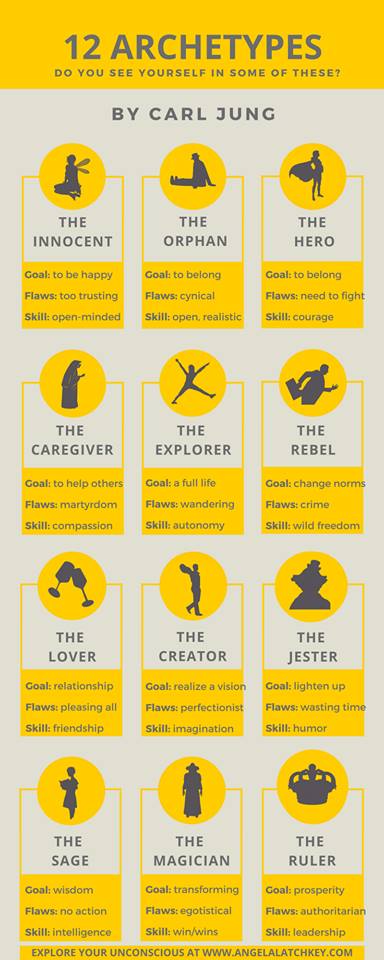
It’s not always easy to come up with a fatal flaw for your characters, especially your protagonist if s/he’s a genuine hero type. This illustration may be helpful, providing ideas based on Jung’s archetypes. Remember, a fatal flaw is not necessarily some inclination to evil, but rather a self-defeating behavior or some other characteristic that undermines what s/he wants.

jungarchetypes

Today’s Writing Tip

laptop-copy

Words are an author’s tools of the trade. Expanding your vocabulary is important for mastering your skill.

If you’ve ever watched the popular TV show, “The Big Bang Theory”, you have probably seen one of Sheldon and Amy’s episodes of “Fun with Flags.” Well, here’s an author’s variation on that I’ll call “Fun with Words.”

I do have an ulterior motive, however. An expansive vocabulary opens up a world unseen; one that’s inaccessible without the words to express it. I’m one of those crazy people who will occasionally read the dictionary. I swear I’m not making this up. Besides, if I look up a word, I always read several other definitions while I’m in there. My dictionary is within arm’s reach whenever I’m on the computer, notwithstanding the availability of a spellchecker. Old habits die hard.

Another book of words that I found charming, as it brought me numerous laughs as well, is “The Superior Person’s Book of Words” by Peter Bowler. This book contains many words that have been dropped from the conventional dictionary for lack of use or no longer applicable. However, if you’re an Anglophile, you can have a tremendous amount of fun discovering words you didn’t know existed, many of which have hilarious definitions.

Bowler’s premise is that baffling people with unfamiliar words makes you superior, reinforcing the idea of vocabulary and intelligence being related. Furthermore it’s useful for insulting people in such a way they don’t recognize a slam for what it is and will often even thank you. There’s even a name for that:

Charientism n., An elegantly veiled insult.

Words are the tools of my trade. I value them, but also find them entertaining. Here are a few more from Bowler’s book:

hebetate v. To grow dull or stupid.

rejectamenta n. Things that have been rejected.

lucripetous a. Money-hungry.

acerebral a. Without a brain.

gerontocracy n. Government by old men.

virago n. A fierce, bad-tempered woman.

You have to admit, if you were in 5th grade and given such words to use in a sentence that it would be tremendous fun. Even as an adult, I’m sure you can think of numerous circumstances where having such words on the tip of your tongue would have come in handy.

Finding humor in words not only makes expanding your own vocabulary a blast, but is a way to encourage youth to do so as well. Even kids in elementary school can have fun in this way, a discovery that could make a difference in their appreciation of language for the rest of their life.

Try it–you’ll like it.

Today’s Writing Tip

nobody-copy

As an author, it’s in your best interest to encourage reading. Literacy is critical, not only to find readers, but for the betterment of our world. What are you doing to encourage it other than writing?

As a serious writer and author, it concerns me that written expression is not being encouraged as it was for my “Baby Boomer” generation. Sure, we passed notes to each other in class while today kids text, but what else has changed since then? What about the mixed (and often humorous) blessings of Autocorrect and text to speech? Is there any incentive to learn how to spell? Are dictionaries now passé? And what about emoji’s? And memes? How handy is it to find one that expresses what you’re feeling versus using actual words?

Related to this is the fact various studies have shown correlations between intelligence and vocabulary. It follows that the more expansive a person’s vocabulary, the more “literate” they will be. While some statistics claim the US has a literacy rate of 99%, others state that 50% of adults cannot read a book written at the 8th grade level. Technically, being able to read at the 8th grade level may be literate, but what does that say about intelligence? The illiteracy rate of the prison population is such that 70% of inmates can only read at the 4th grade level. Clearly, literacy is a game-changer. As an author and word aficionado, I find this rather alarming. Here are a few more statistics courtesy of the nonprofit organization Literacy Inc.’s website:

  • Literacy is learned. Illiteracy is passed along by parents who cannot read or write.
  • One child in four grows up not knowing how to read.
  • 43% of adults at level I literacy skills live in poverty compared to only 4% of those at level V.
  • Three out of four food stamp recipients perform in the lowest two literacy levels.
  • 90% of welfare recipients are high school dropouts.
  • 16 to 19-year-old girls at the poverty level and below, with below average reading skills, are 6 times more likely to have out – of – wedlock children, who in turn will have below average reading skills or none at all.

There are no simple answers to why or what to do about it. However, since literacy remains a huge problem, it further implicates the failure of the current education system, much of which is aimed at getting pupils to pass standardized tests. Many kids are bored out of their minds in school. Why? Because they’re not taught to think, reason, or discover the joy of learning, which has traditionally been done through reading.

Yet, some kids today are smarter than ever. What makes the difference? Is electronic media helping or hindering learning? My opinion is that it relates to content, whether a child spends mindless hours playing video games or watching TV versus using electronic media to expand their knowledge. Parents, are you listening?

When I was growing up as an only child, books were my greatest joy. Most of my grown children still love to read, something they brought with them from their respective childhoods. The majority of my young grandchildren have Kindles, so I gift them books on a regular basis. One of my granddaughters had a full-length novel she wrote on her phone and published on Wattpad when she was in middle school. Is that cool or what? Proud grandma? You betcha!

That begs the question, is a love of reading and its side effect, literacy, genetic? Much has been speculated about genetic memory and what is passed on to our progeny. It’s easy to see both a nature and nurture side to this, since children of readers are more likely to have been read to as a child and encouraged to read.

As authors trying to sell books, the more readers we have out there, the better. But the bottom line is what can authors do to help this situation? How can you encourage reading and literacy? Think about it. There are literally millions of books on Amazon. The impact if every author did something, no matter how small, to encourage literacy the effects would be awesome.

What can YOU do? Literacy Inc’s website has numerous ideas. Find something you can do to help. Then, to quote Yoda, “Try not–do. Or do not. There is not try.”
Today’s Writing Tip

home-office-3 copy

Man vs. Nature is one of fiction’s basic conflicts. This is taken to an extreme when it involves a natural disaster. Which ones occur in your area? Few areas don’t have some geological, meteorological, or regional disposition to such events. How much have you studied the details so you could use such an event in one of your stories? Earthquakes, volcanoes, floods, tornadoes, hurricanes, wildfires, and droughts can all add drama to your story as a backdrop to other plot action.

Each one has its own characteristics, warning window, emergency response, preparedness, and aftermath. Knowing the details is what brings them to life in your story whether it’s the sound of wind and raging water, the smell of an approaching wildfire, evacuation shelter logistics, or gridlocked escape routes. If you experience one, yet don’t have a place for it in your fiction, write up the experience for practice as well as inclusion in your personal history for your children and grandchildren. And you may actually use it eventually and be glad you preserved those details that bring it to life.

P.S. If you know me, you can probably guess that as I write this, my area of Central Texas is undergoing record-breaking floods. I’m safe but waterlogged, my septic tank on strike, if you know what I mean. 🙂

Today’s Writing Tip

woman- copy

If you’re writing a series, be sure to remind your readers what your characters look like. This also pertains to any key plot elements that happened in the previous episode(s). To you as the author, it’s all one story. To the reader, however, weeks, months, or even years may have passed since they read the first book. Thus, they may have forgotten numerous details, like what the characters look like, or other important details.

Furthermore, it’s also possible that someone will start reading in the middle of your series. These new fans definitely need this information! If they’re lost, then what? Best case, they’ll buy the previous book(s) and read them in order. Worst case, they put it aside and you’ve lost a potential reader.

It’s best if each book in a series has it’s own independent plot, even if it’s part of a larger picture. Flashbacks or character dialog covering previous events are ways to sneak in information they missed. Descriptions of their appearance and perhaps the setting itself should include reminders at least. Your readers will thank you for it.

Today’s Writing Tip

paper-copy

There are dozens of ways to say “said!” Here are 154 of them!

A long time ago, in a galaxy far, far away–in other words, back in 1977–my mom gave me a copy of the Readers Digest “Family Word Finder.” As you’ve probably figured out from its title, it’s a thesaurus and its age certainly a witness to how long I’ve been writing. I recently had that book out and discovered a typewritten (yes, typed, like in manual typewriter) list. It contained alternatives (but not quite synonyms) for using “said” in dialog. (BTW, I wrote my first novel on a manual typewriter.)

I remember having a lot of fun creating this list. However, there’s a caveat, especially if you’re addicted to words like myself. Granted, using these appropriately can contribute to imagery, emotion, and clarity. However, using them too frequently can be as grating as having “he said” or “she said” on every line.

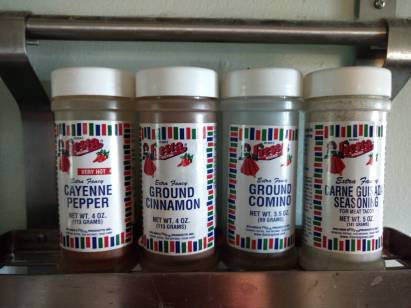
In other words, like adding herbs and spices to a soup kettle, use them sparingly, as spicesflavor enhancers, if you will. Be subtle, not glaring, which makes them all the more powerful. Used improperly or excessively, you could wind up with the literary equivalent of adding cinnamon instead of cumin to your chili. Properly administered, they’ll help create dynamic and convincing dialog, a critical component of outstanding fiction.
Without further ado, here we go. Feel free to add any I missed in the comments!

  1. accused
  2. acknowledged
  3. added
  4. admitted
  5. advised
  6. affirmed
  7. agreed
  8. announced
  9. answered
  10. apologized
  11. argued
  12. asked
  13. asserted
  14. assured
  15. avowed
  16. babbled
  17. barked
  18. bellowed
  19. begged
  20. blubbered
  21. blurted out
  22. bragged
  23. breathed
  24. burst out
  25. cackled
  26. called
  27. cautioned
  28. challenged
  29. chattered
  30. chirped
  31. choked
  32. claimed
  33. chortled
  34. clipped
  35. coerced
  36. complained
  37. conceded
  38. concluded
  39. confessed
  40. confided
  41. consoled
  42. continued
  43. cooed
  44. corrected
  45. cried
  46. croaked
  47. decided
  48. declared
  49. demanded
  50. denied
  51. disclosed
  52. divulged
  53. drawled
  54. echoed
  55. emphasized
  56. estimated
  57. explained
  58. exploded
  59. figured
  60. gasped
  61. greeted
  62. groaned
  63. groused
  64. growled
  65. grumbled
  66. grunted
  67. guessed
  68. gulped
  69. hissed
  70. hinted
  71. hollered
  72. implied
  73. inquired
  74. intimated
  75. insisted
  76. instructed
  77. interjected
  78. interrupted
  79. iterated
  80. joked
  81. laughed
  82. lied
  83. maintained
  84. mentioned
  85. mimicked
  86. moaned
  87. mumbled
  88. murmured
  89. mused
  90. muttered
  91. offered
  92. ordered
  93. panted
  94. parroted
  95. pleaded
  96. pointed out
  97. pouted
  98. prayed
  99. probed
  100. proclaimed
  101. prodded
  102. promised
  103. proposed
  104. protested
  105. purred
  106. quipped
  107. rambled
  108. ranted
  109. recounted
  110. reiterated
  111. related
  112. relented
  113. retorted
  114. reminded
  115. repeated
  116. replied
  117. reported
  118. resolved
  119. returned
  120. revealed
  121. scoffed
  122. scowled
  123. screeched
  124. shouted
  125. shrugged
  126. sighed
  127. smirked
  128. snapped
  129. sneered
  130. sniffed
  131. snittered
  132. snorted
  133. sobbed
  134. speculated
  135. sputtered
  136. squeaked
  137. stammered
  138. stated
  139. stipulated
  140. suggested
  141. teased
  142. theorized
  143. threatened
  144. uttered
  145. vocalized
  146. volunteered
  147. vowed
  148. wailed
  149. warned
  150. whimpered
  151. whispered
  152. wished
  153. wondered
  154. yelled

Today’s Writing Tip

write-2 copy

Make it easier for potential readers to find your book by making sure its BISAC code is correct. There are several which include numerous sub-categories as well. They’re not always easy to search since they’re often not in any discernible order.

BISAC stands for “Book Industry Standards and Communications” which are subject headings developed by the Book Industry Study Group (BISG).  To quote from Wikipedia, “BISG has been involved with technological advances such as bar codes and electronic business communications formats. It developed BISAC (Book Industry Subject and Category) Subject Headings, which are a mainstay in the industry and required for participation in many databases.”

These categories have numbers followed by tiers of description that look something like this:

FIC027130 Fiction / Romance / Science Fiction

FIC028000 Fiction: Science Fiction – General

CGN004190 Comics & Graphic Novels: Manga – Science Fiction

If you’ve listed your story with a distributor or sales site, you’ve most likely been asked for its BISAC. The question is whether or not you selected the correct one? With hundreds to choose from, it’s possible you didn’t bother to scrutinize the listing carefully enough to find the best fit for your work. I have found, much to my frustration, that when they’re listed as a pull-down menu, such as on sites like Google Play, ironically they don’t appear to be in any order! Thus, the temptation is to pick the first one that sounds even remotely like you story. It doesn’t really matter, does it?  Wrong!

Considering that there are millions of books out there, it doesn’t take a rocket scientist to figure out there needs to be a way to classify and organize them. Librarians have been doing this for years through Library of Congress designations and/or the Dewey Decimal System for non-fiction. However, if the BISAC Subject Headings are “making inroads into library classification” as suggested by Wikipedia, then it’s important that you recognize what they are and why they’re important.

Still wondering why should you care? Here’s why: Because if you’re an author, the proper classification of your story can make the difference of whether or not your readers find it.

There are hundreds of categories for fiction alone. You can find a complete listing of codes on the BISG website. Note that this organization has been around since the 1970s and is located in the heart of the traditional publishing industry in New York City. This is an organization you should take seriously.

Being an Indie author means having to learn how to navigate the particulars of the publishing industry, often with less than even a crash course. BISAC subject headings are one aspect of it that’s a mystery to most Indies, yet could have a direct bearing on your sales. For example, if a book store or library wants to purchase a specific genre based on patron requests, if your books fits like the proverbial glove, won’t you want them to find it?

I rest my case.

Today’s Writing Tip

typewriter-2 copy

Point of view is all about staying inside the mind of a specific character. This means that all descriptions, vocabulary, speech, and level of understanding should be within the scope of what that person knows.

For example, if your protagonist or other POV character is a teenager or child, they are going to see the world through that filter. Thus their comprehension and word choice should be appropriate for someone of that age. The came principle goes for an adult who is deemed highly intelligent. They will see the world according to their assumed education and experience and use more sophisticated speech patterns.

Today’s Writing Tip

laptop-2 copy

Remember that the basic conflicts in fiction as well as life are man vs. man; man vs. nature; and man vs. self. The more of each that you bring into your plot, the more vehicles you have for building plot as well as suspense.

Your protagonist has to work for what he wants and the harder the struggle, the stronger your reader’s engagement will be. In most plots, there will be an overlap of at least two. Be sure to recognize them for what they are.

Today’s Writing Tip

alphabets-copy

If your plot gets stuck, research often helps to get it moving again. Details add credibility to your story and can also provide new plot angles. It never hurts if your reader learns something along the way, whether it’s about the setting or the protagonist’s job.

For example, if you’re writing a mystery, knowledge of police procedure is important, particularly forensics. Getting it wrong will throw readers who know better out of the story and your credibility is lost. The same goes for any other profession. This is where writing what you know works best, unless you’re willing to learn about others through talking to someone or research.