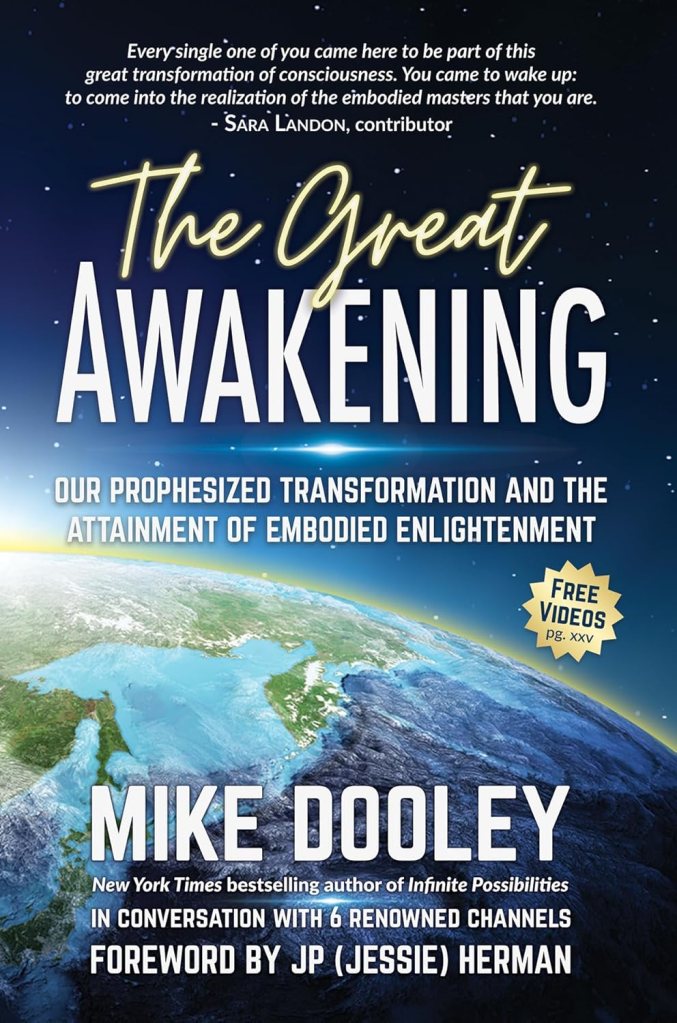
Review of “The Great Awakening: Our prophesized Transformation and the Attainment of Embodied Enlightenment” compiled by Mike Dooley.
This fascinating book comprises six messages received from cosmic sources. These were channeled by individuals who have published similar information in the past, i.e. Darryl Anka, Lyssa Royal Holt, Matt Kahn, Salvatore Rachelle, Sara Landon, and Daniel Scranton.
Not your typical book.
If you’re familiar with Mike Dooley and his “Thoughts become things: Choose the good ones” mantra, then this is what is best described as the “graduate level” course. If you’re new to the concept of manifesting your desires, then this is likely to be over your head. So much so, it will read like fantasy.
One of my favorites comes from the section channeled by Sara Landon: “Reality moves through you, and as you raise your consciousness and vibration your destiny comes to you. That which is in your highest good, that which is your highest purpose, that which is your highest potential, and that which is your highest joy will present itself to you, because you are no longer imposing an experience of separation on your reality.”
While I’ve read similar material before, this one stood out for its timeliness as the world is clearly undergoing change. How to maintain stability when there appears to be nothing but dissention and chaos is a theme many struggle with.
What struck me in a new way was the concept of different dimensions. We determine which one we’re in by our own thoughts and actions. In spite of appearances, we do not all live in the same world. Think about that for a moment and its implications.
One observation I made years ago was that no matter how bad things appeared to be on this planet, some people were thriving. Some were exploiting the chaos in a despicable way, while others were simply living their life and doing well.
Like they say, “Birds of a Feather Flock Together.” In other words, we attract other people into our lives through our thoughts and actions. This applies to our circumstances, too. In effect, we can be living in a different vibrational frequency than those who have not yet figured out why they are on this planet and what they’re intended to learn and achieve.
Heavy stuff, indeed.
And to clarify, not to be found in your typical organized religion.
You can be “religious” without being spiritual. In astrology, religion resides in the 9th house along with other belief systems, including politics. Somehow, that doesn’t bring spirituality to mind, which lies in the 12th house along with enlightenment, dreams, and visions. A few negative things hang out there as well like hidden enemies, self-defeating behaviors, and delusions. As with every other part of life, opposing possibilities that yield to free will are everywhere.
What amazed me the most as I read, however, was the similarity between diverse belief systems that reflect the messages in this book. Whether New Age, quantum theory, or indigenous practices, there is significant overlap.
Coincidence?
Not likely.
There is no such thing as coincidence, especially when it relates to spirit.
Where are you on the path to enlightenment? It’s no longer confined to Buddhist monks, you know. This planet is changing and you can either keep pace or be lost in the chaos. If this is something new, I suggest you start with something simple, like Dooley,’s “A Beginner’s Guide to the Universe: Uncommon Ideas for Living an Unusually Happy Life.”
That will give you a foundation to build upon. Otherwise it could be like stepping into a graduate level physics class without having the math background to follow the theory. (Been there, done that.)
Expect me to be comparing those belief systems soon from New Age to what indigenous people have believed for millennia on the blog associated with Dead-Horse-Canyon.com.
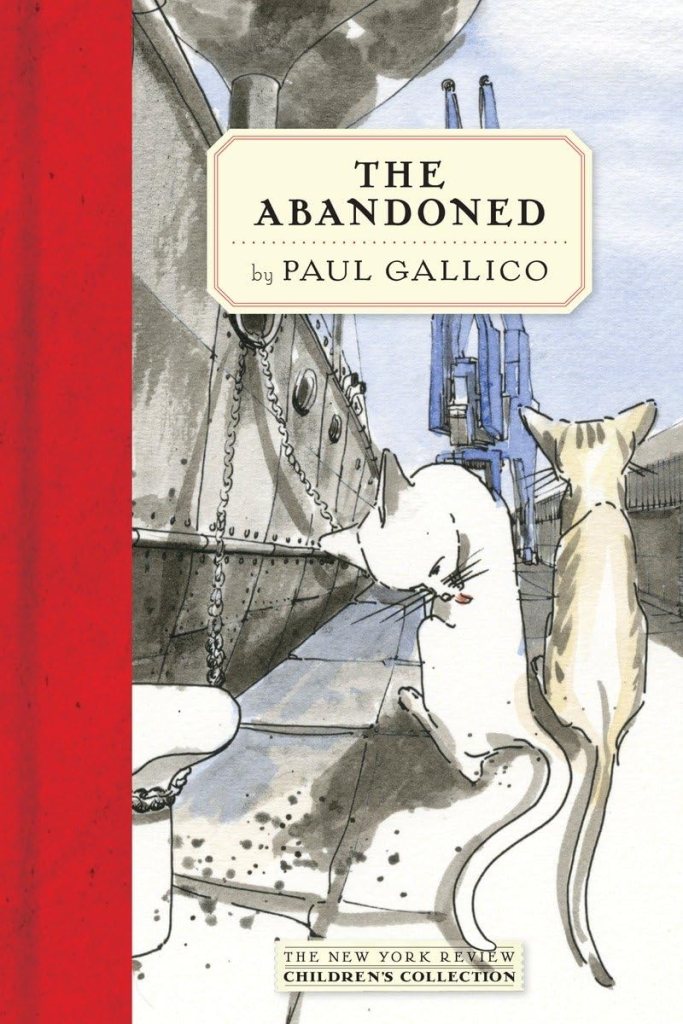
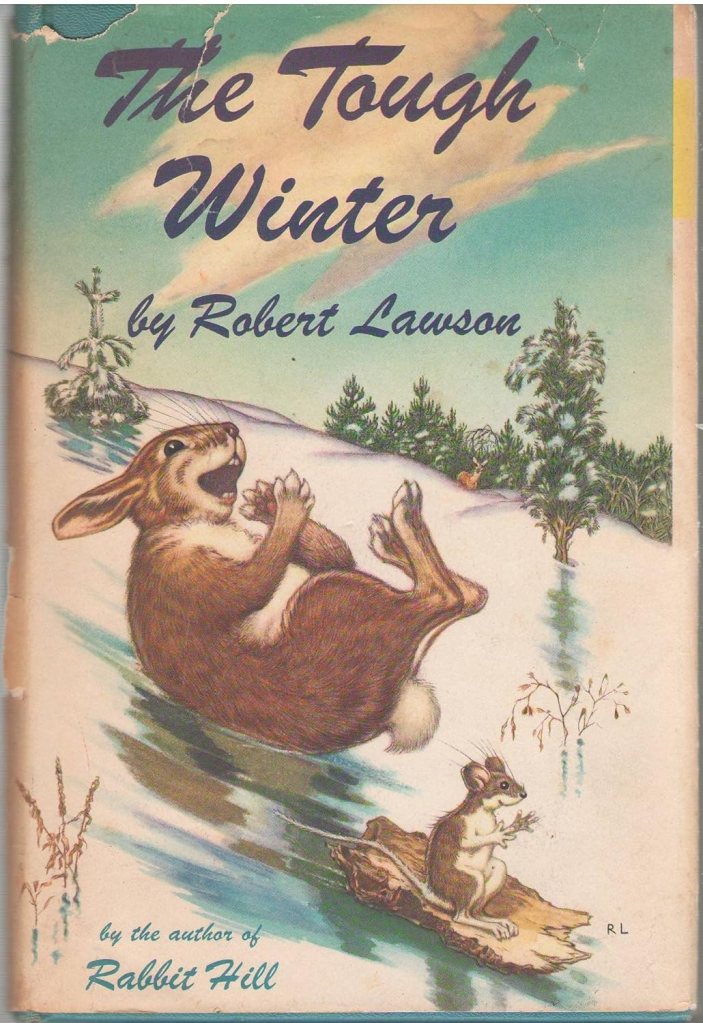
As an only child, books were important. Fortunately, my mother read to me as a young child such that I could read by the time I went to school. I was reading chapter books by 3rd grade, maybe sooner. My early favorites were animal stories by authors like Paul Gallico, who wrote “The Abandoned,” my favorite book for many years, perhaps for all time. Robert Lawson, author of “The Tough Winter” was another favorite.
I remember going to the Peekskill New York Public Library in my home town and coming home with a huge stack of books, especially in the summer.
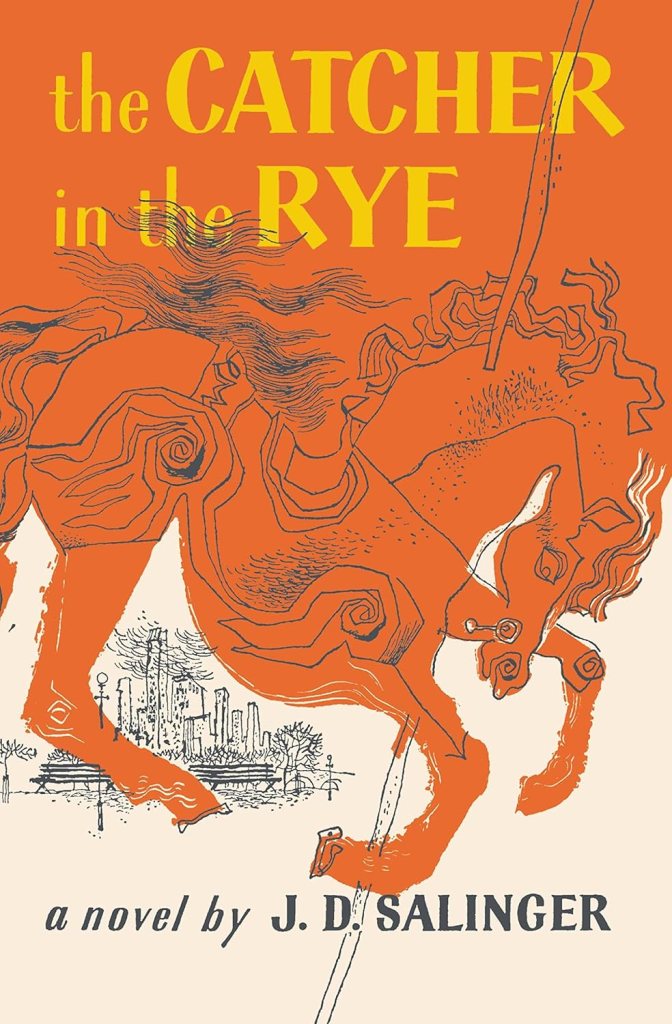
While still in elementary school I discovered Nancy Drew Mysteries. I would save my allowance to buy the latest release and had them all, which were usually read more than once. As a teen my favorite was “The Catcher in the Rye” by J.D. Salinger. I remember reading on a city bus and coming to a part that made me laugh out loud, earning odd looks from my fellow passengers.
As a working adult, I had to give up certain authors because they kept me up all night: Michael Crichton, Tom Clancy, John Grisham, to name a few.
Home at Last!
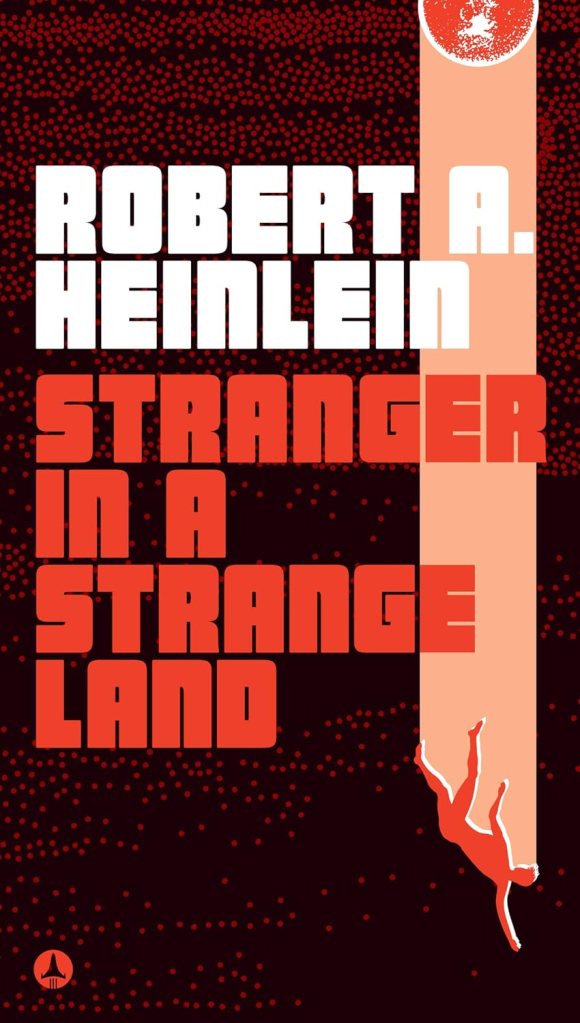
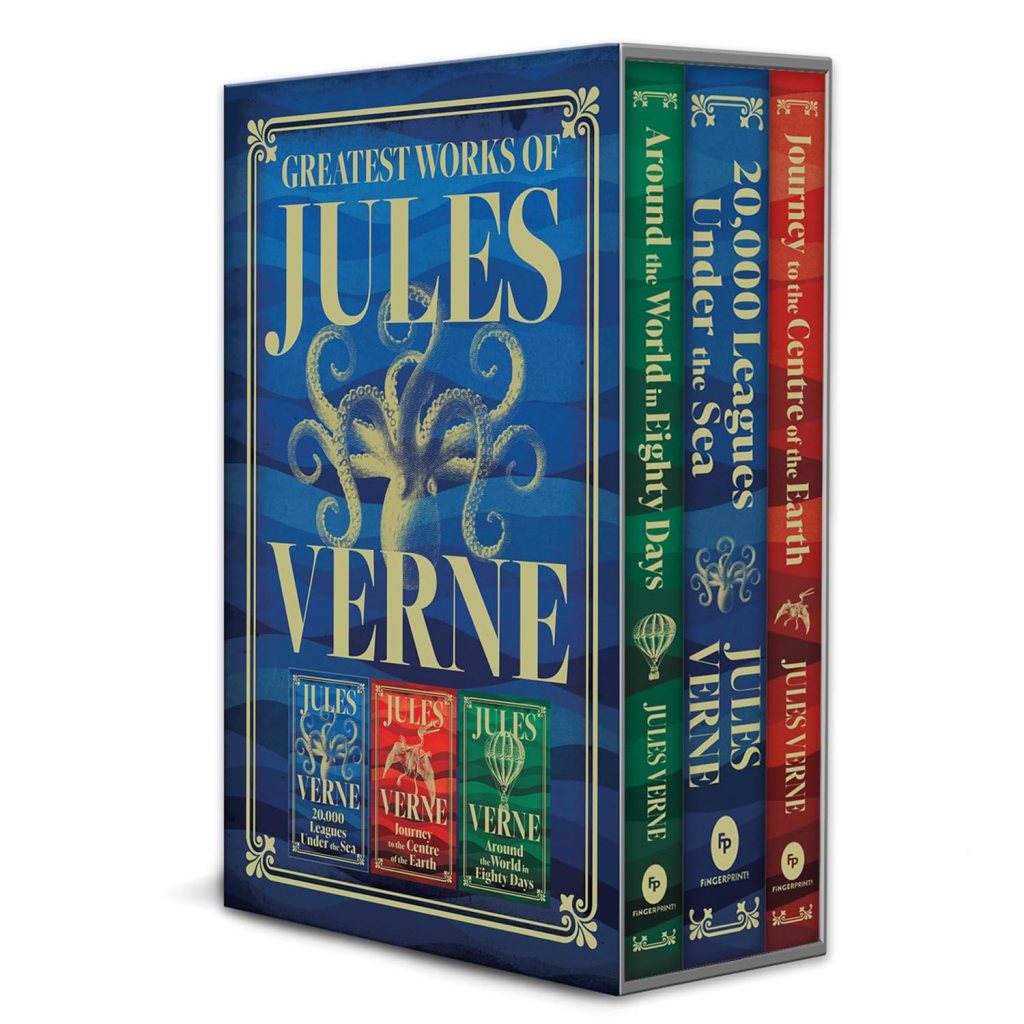
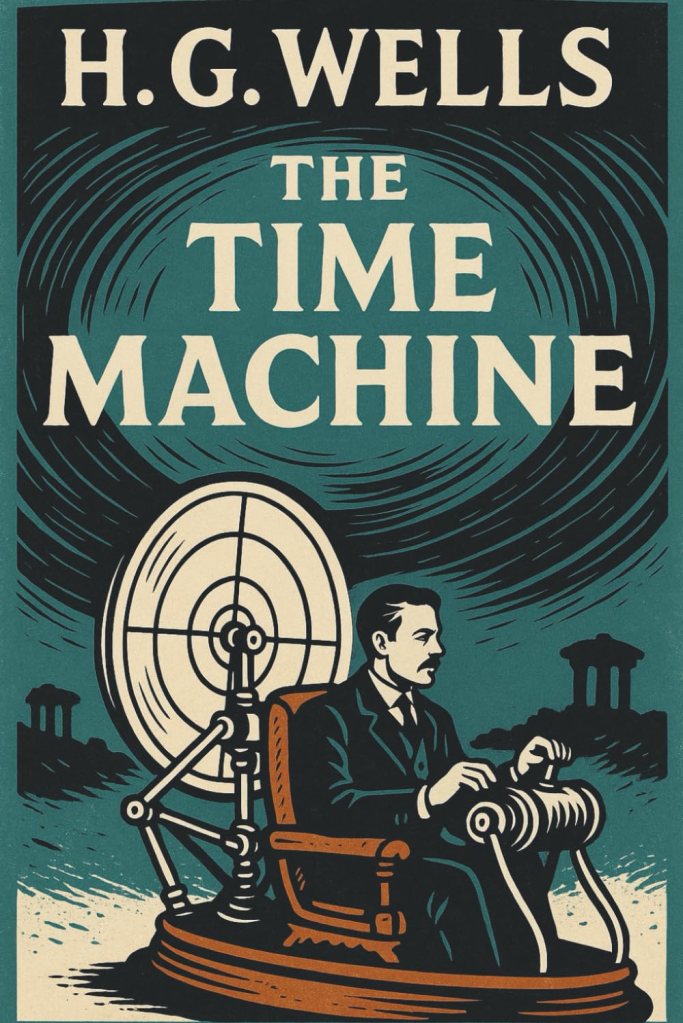
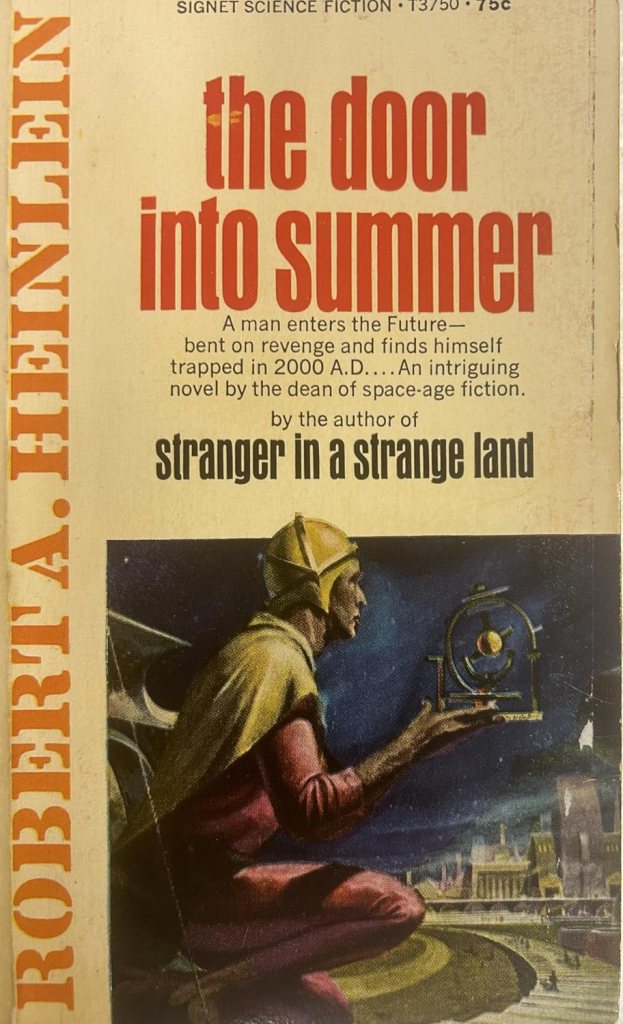
Somewhere along the line I discovered science fiction. The classics by Jules Verne such as “Journey to the Center of the Earth” and H.G. Wells’ “The Time Machine” were my first discovery, followed by Isaac Asimov and Robert A. Heinlein, the latter my all-time favorite, especially “The Door Into Summer” and “A Stranger in a Strange Land,” where the word “grok” originated, for those of you who didn’t know.
I scratched out my first science fiction story in 6th grade on yellow lined paper about the planet our teacher hailed from. Not much of a plot, but my classmates found it entertaining. Not surprisingly, an avid reader like myself aspired to be an author when I grew up, more specifically a science fiction author.
One thing that always frustrated me was that science fiction books had very little actual science in them, probably why I favored Heinlein, who was an aeronautical engineer whose fiction started the “hard science fiction” sub-genre.
As a perfectionist, I wanted to learn more about science so that when I wrote my stories they would contain the scientific explanations I craved as a youth. Thus, at 35 I returned to school to earn a bachelor’s degree in physics from Utah State University, followed by a 21 year career at NASA’s Johnson Space Center in Houston, Texas.
We’re told to “Write what you know,” right?
If you’re a fan of “The Big Bang Theory” that might look familiar. 😉
My first science fiction novel, “The Capture of Phaethon,” about an asteroid collision with Earth was written while I was in college. It won me a scholarship as well as First Place Honor in a state competition. Maybe someday I’ll get it published. For now, the manuscript is in a box in the basement. Writing Phaethon was when I discovered the mysterious serendipity associated with creating fiction.
That’s all it is, right? Fiction? Something made up in your head?
My fictitious asteroid was named Phaethon, after the son of Apollo who crashed his father’s chariot into the Sun. Imagine my shock when doing research in the USU library’s NASA section that I found an asteroid by that name had recently been discovered! OMG! Later I discovered its usefulness in astrology, where it often indicates a “crash and burn” situation, figuratively or literally.
Heaven on Earth
The first time I set foot inside a library it felt like I was in Heaven. How it feels within the walls of a building lined with thousands upon thousands of books is as unique as it is indescribable. Every cell senses the knowledge and secrets that await, stirring my soul.
That could be why I often spend as much time researching a book as I do writing it, sometimes more. As much as I love my Kindle, for research it has to be a print book. I dog-ear pages, highlight, and leave sticky-notes galore. When I encounter a used book like that, it tells me someone was really into its content, which is what any author hopes for.
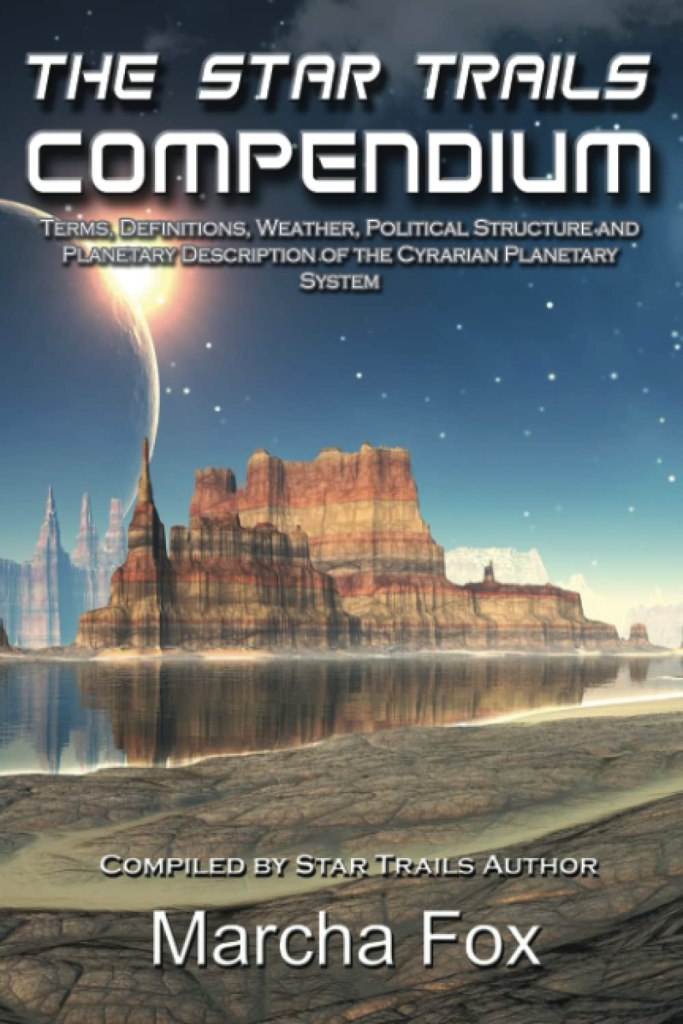
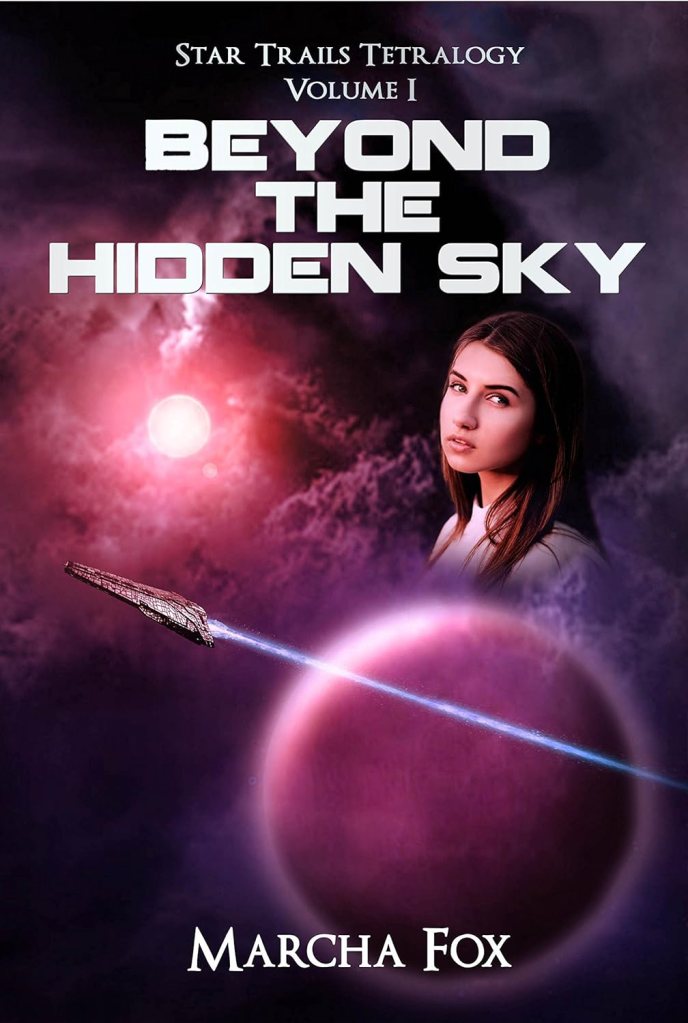
When I wrote the Star Trails Tetralogy I incorporated science and technology problems into the plot. These were books I wanted to read as a youth but couldn’t find. I even created a Compendium with additional information for readers, teachers, and home-schoolers.
Star Trails books were popular in a charter school in Utah among young nerds like I was. I had the privilege of talking to those students a few years ago, which was so much fun. I know of at least one middle school science teacher in Florida who has my books in her classroom for extra credit reading.
My favorite review for these books is the one where my writing was compared to Robert A. Heinlein. Imagine that! I have no idea how many children may have been inspired by them, but it’s good to know of at least a few.
Shifting Genres
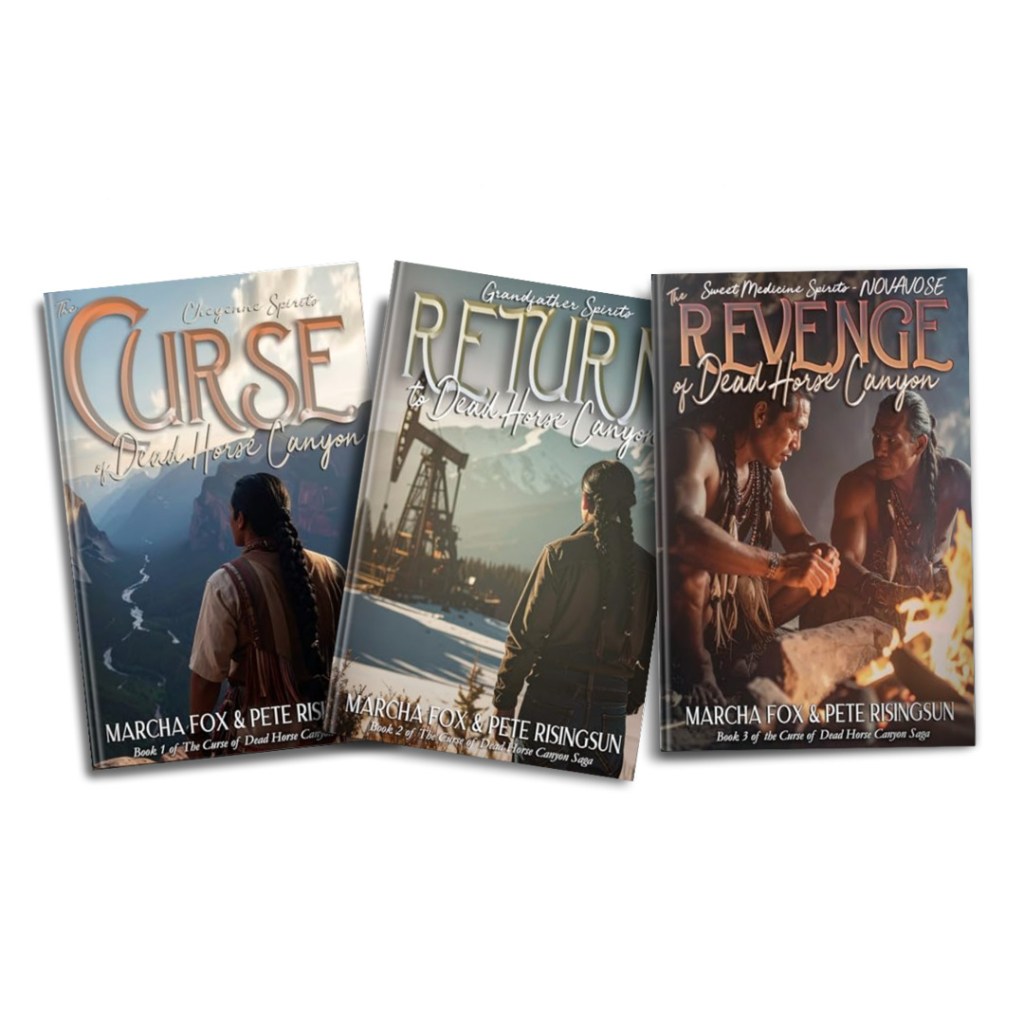
“The Curse of Dead Horse Canyon” saga started as a cozy mystery, but my propensity for research quickly led to a far deeper and darker story. My characters got out of hand, as usual, and suddenly I had a main character who was Cheyenne, a culture about which I knew nothing. My encounters with Native Americans was limited, and primarily with the Navajo. Research and serendipity delivered coauthor, Pete Risingsun, who kept the cultural elements on target, to say nothing of the story itself and additional research we did together.
The Reader’s Favorite review for the second book, “Return to Dead Horse Canyon: Grandfather Spirits” noted, to our delight, that “The depth of ethnology packed into both novels is meticulously researched and beautifully detailed. Fox and Risingsun are a dream team with this saga.”
Serendipity was alive and well writing that saga, especially how beautifully ancient ceremonies dove-tailed with the plot as if I’d known about them all along.
What will be lost?
Besides a book’s creative or intellectual content, to me it’s a physical thing. I love how they feel and smell, whether it’s fresh ink newly off the press or a musty antique over a hundred years old. Ebooks just didn’t feel that satisfying. I was grateful when self-publishing a paperback was an option, making it possible to hold my first print book, “Beyond the Hidden Sky,” in my hands and flip through the pages.
However, to me, a real book is a cloth-bound hardback with a dust jacket.
And this past June that dream was finally realized when all three books of the “Dead Horse Canyon” saga were released as hardbacks, laminated covers on Amazon, and real books with a cloth cover and dust jacket available through Ingram which can be found on Barnes and Noble, Books-A-Million (BAM), and numerous other booksellers’ websites.
Everything is being digitized, which is convenient, but I shudder to think that my generation of Baby Boomers may be the last to embrace physical, print books. The expense and storage involved versus the option of digitizing everything leaves no other choice.
Given that, how many will grow up without the joy of holding a brand new release from their favorite author in their hands, much less an autographed copy? Or never know the awe and expectation amid the imposed silence found within a massive library? While the words may be the same, there’s an essence found only from a tome in tangible form. When they’re my age will they miss their first smart phone the way I treasure the memory of those beloved books?
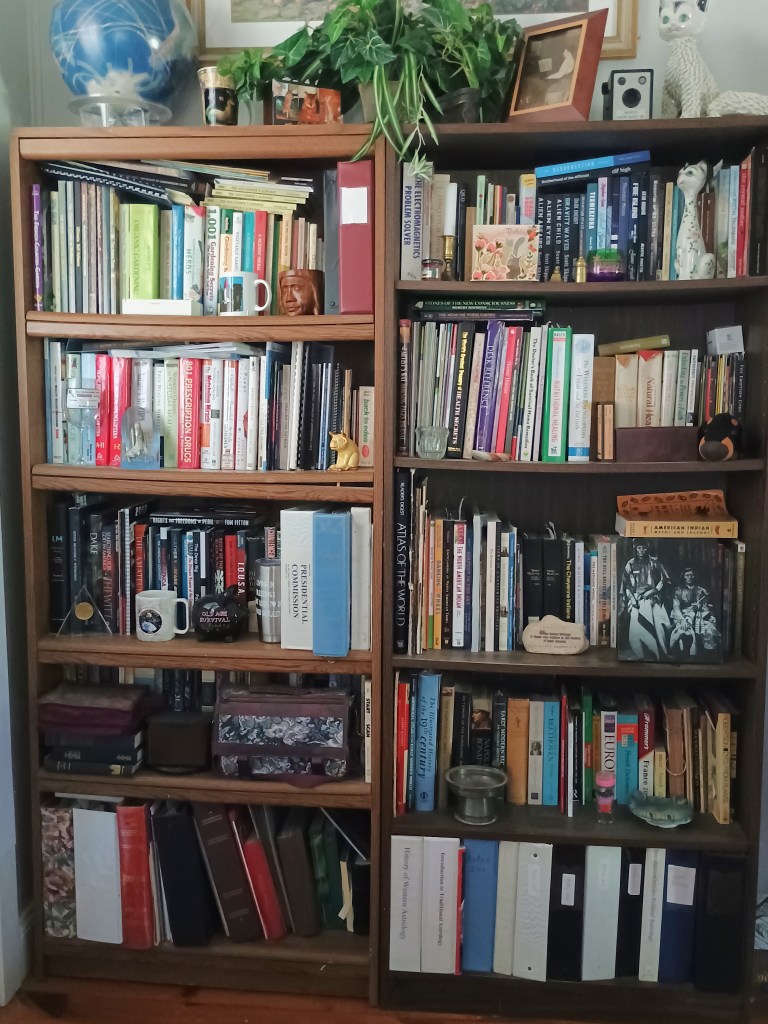
Or maybe that’s just me, an admitted bibliophile, who loves the print medium as much for its physical presence as what lies within. Digital formats that could disappear with a power surge or a few key strokes just aren’t the same. (Probably a thought my children will express loudly when I die and they have to deal with my many bookshelves full, only one of which you see at the top of the page.)
And how much easier might it be to pull the plug on books with content found offensive or declared “wrong” by someone in authority? Where would we be as a civilization without old tablets, scrolls, and other records?
To a bonafide bibliophile like myself digitizing books reeks of sacrilege. If you agree, be sure to buy a physical book once in awhile. Preferably a new one, so the author sees even a few dollars of benefit from it.
Epilogue
When I saw “The Abandoned” and “The Tough Winter“ were still available on Amazon I
literally cried. The book cover for “The Tough Winter” looks exactly like the book I had as a child. I ordered “The Abandoned,” planning to read it again, then leave it as my favorite book from my childhood to whomever wants such an anachronism when I die.
This trip down memory lane led me to discover my reading list for the remainder of this year. Revisiting those favorites from the perspective of a septuagenarian should be interesting.
What books did you love from the time you could read? What made them special? Would you like to hold them again as you would hug a dear friend you hadn’t seen for years?
And that, no doubt, is why I simply had to order a physical copy of “The Abandoned.”
It arrived a few days later and I cried again, as well as numerous places throughout this sweet story. I wasn’t sure why it hit me so hard until a few days later, as I nursed my way through the worst “Book Hangover” I’d ever had.
Then I stumbled upon a statement on the back cover that I could have written myself: “When I was 9 years old I plucked The Abandoned from my school library’s dusty shelves and fell in love with literature. The adventures that unfolded, reminiscent of The Wind in the Willows and Peter Pan, captured me so thoroughly I knew writing was part of my destiny.” — Naomi Serviss, Newsday
That was it!
This was no ordinary book! It was the very one that made me decide to be a writer! I’d never quite thought of it as my “destiny,” yet it hit me like never before. I don’t know who or what I’d be without those books I’ve had a hand in bringing into the world.
Have they affected any readers out there like The Abandoned did me? I’ll probably never know. But for whatever reason, I suspect I was supposed to put them out there.
Are you a writer? When did you realize it was your calling? Or was it just something that came along at some point in your life when you had something to say? Fiction or nonfiction? Leave your answer in the comments below.
 Marcha's Two-Cents Worth