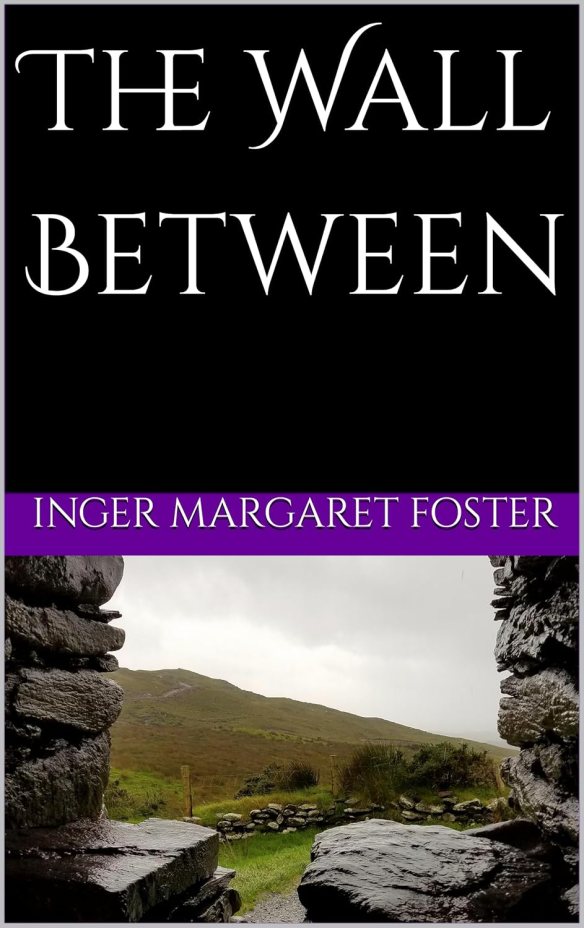
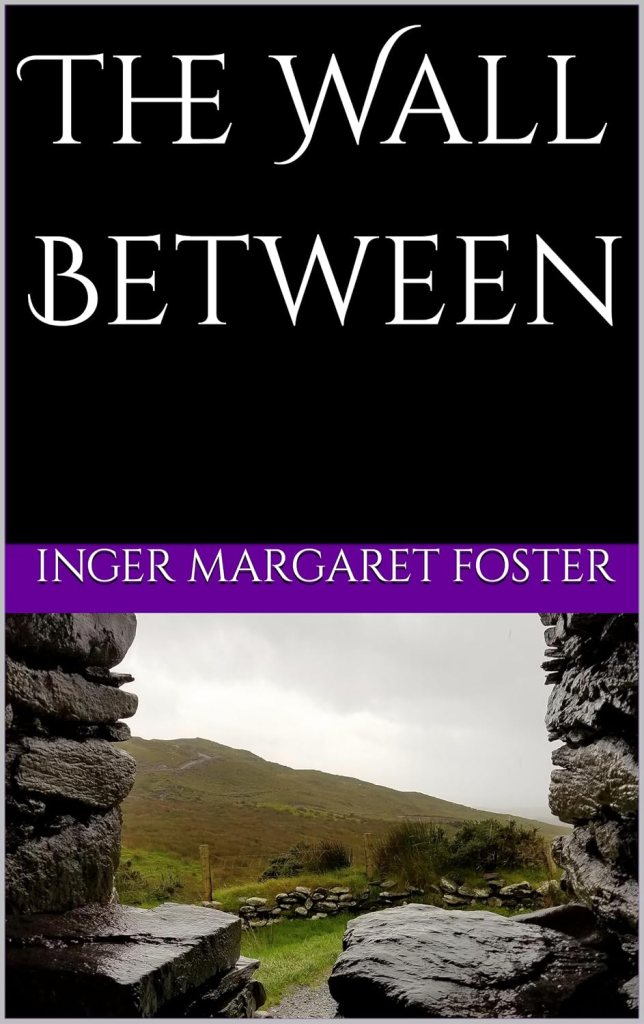
Review of “The Wall Between” by Inger Margaret Foster
My binge marathon on Inger Margaret Foster’s books continues!
The point of historical fiction is to take you to some time in the past and live it. This story definitely does that and more! I’m old enough to remember much of what went on back in the 70s. I also remember when President Ronald Reagan told Gorbachev to tear down the Berlin wall. But never did it have the impact as it did in this amazing tale of a couple separated by it and the horrible policies that were in place when East and West Berlin were separated.
That was the situation at the end of WWII when Communist Russia got East Germany and the allies got West Germany. What it required to cross from one side to the other was solid identification, then being escorted by an armed guard who kept his eye on his watch to make sure the meeting didn’t go longer than it was supposed to.
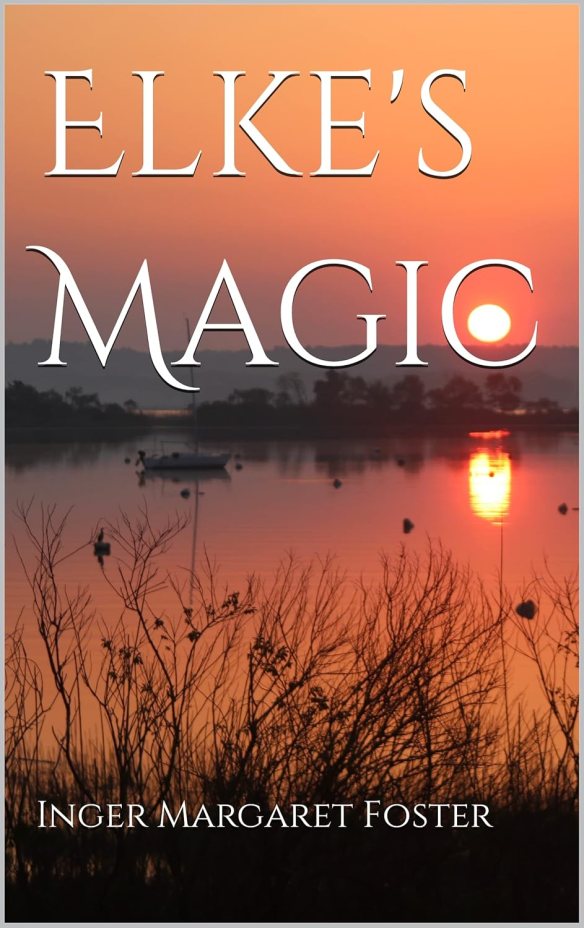
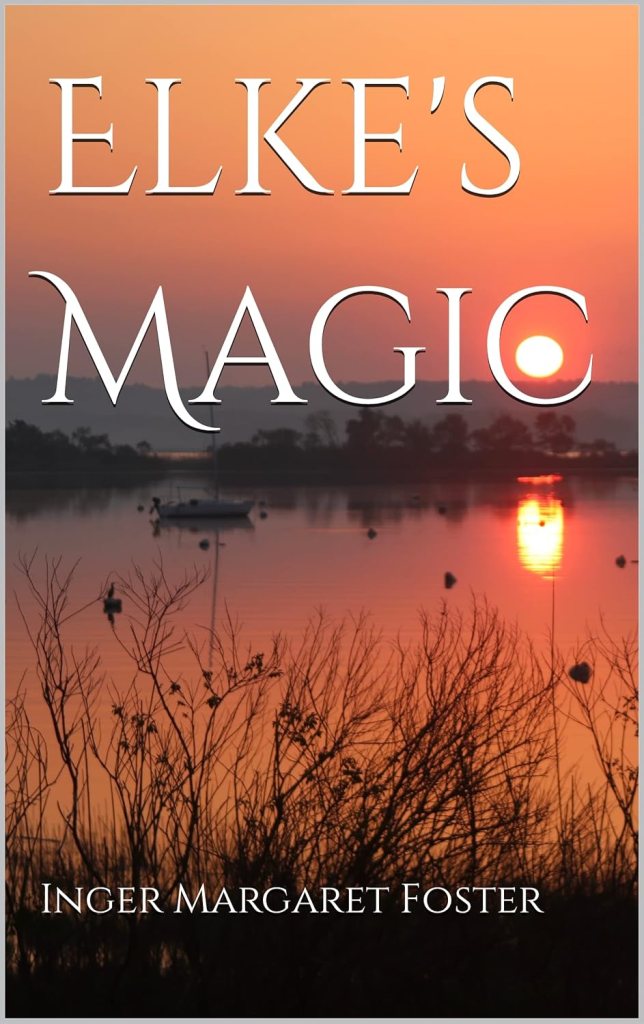
I’m glad that I read “Elke’s Magic” first, though it’s not required. Nonetheless, it gives you a glimpse of the situation and you get to know the main character. You can also understand why Elke missed her idyllic little cottage back in the States. When she was washing dishes in her humble apartment in West Berlin and remembering the dried herbs hanging above her sink in her little house I could so totally relate! When I lived in Texas I was able to grow a multitude of fresh herbs that I dried in the house, just like that. I hope to be able to do so again, maybe next year, though some won’t survive where I live now in New York State, where it’s so much colder.
I absolutely loved this story and it touched me deeply. I read it in a single sitting, unable to put it down. Highly recommended to understand what the people in Germany went through during those dark and trying years.
You can get your copy on Amazon here, for free if you subscribe to Kindle Unlimited.
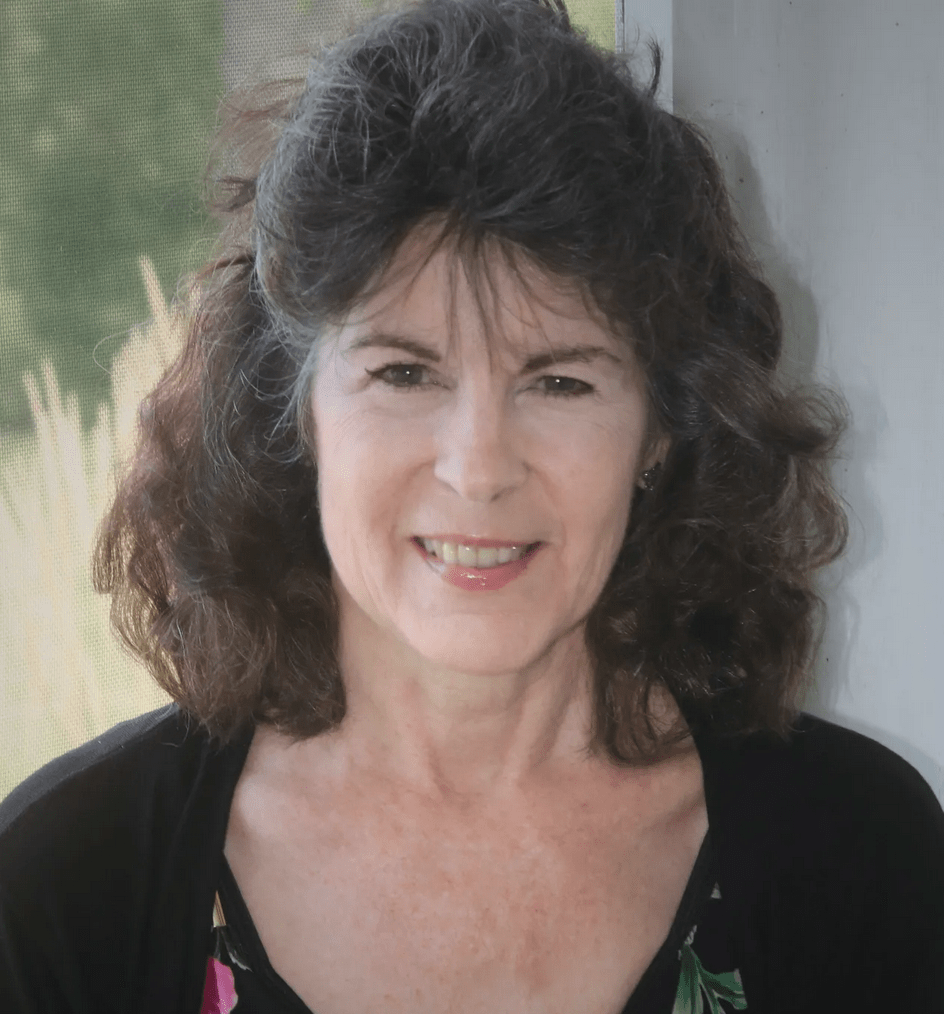
Inger Margaret Foster is an author and screenwriter who writes primarily for a young adult audience though the depth and feeling imbued in her books make them a great read for all ages. If you’re looking for a book loaded with love, compassion, and strong characters dealing with life’s problems, these are for you. In many cases they contain “mystical realism” that brings a touch of the paranormal, adding to their charm.If you or someone you know, especially a young adult, is dealing with a certain challenge right now, check out her books for one that might help them understand and cope with itbetter by feeling less alone.
You can learn more about Inger on her website. Be sure to check out her blogs that often spill a few secrets and/or background about her stories. All her books are available on Amazon with all but the children’s paperbacks available through Kindle Unlimited.
Me: When did you first know you wanted to write stories?
Inger: I’ve always loved reading. I attended an amazing public school system, where we were exposed to the classics early on. We read Shakespeare in the fifth grade! That foundation paved the way to writing.
Me: That’s awesome! It’s too bad they don’t still do that. What was your first story about? When did you write it?
Inger: One that I remember clearly was written in college, and it was drawn from a true life story from my mother’s home town about two brothers out fishing, with a gun in the boat. The youngest boy held up the gun, pretending to shoot his brother. And the gun accidentally went off, killing the older boy. I called the story “Brothers” and I wrote it from the younger boy’s perspective.
Me: Wow! What a sad story. But that shows you have a strong sense of empathy and ability to relate to people’s feelings. Your stories tend to have a connection with the “other side” and paranormal events. Have you had similar experiences yourself?
Inger: Yes! Many times! To me, interaction with spirit is comfortable and completely normal. My stories fall under the realm of Magical Realism, the juxtaposing of the magical aspects of unconventional elements with reality. And many of the storylines are the product of an urging from what I can only describe as other worldly sources.
Me: I love that! I think we get nudges like that a lot if we just learn to listen. Do you have a favorite character? If so, which one is it?
Inger: Yes. But don’t tell the other characters! Elke is my favorite. Even though her character is not present in all of the books, she is the reason for the series.
Me: She is indeed charming, someone I’d love to know in person. She does remind me of my neighbor back in Texas with a similar German background. What is the easiest part of writing for you?
Inger: The actual writing is the easiest. Once I have the main idea for the storyline, I write the ending and all the rest tumbles out in a flurry!
Me: That’s awesome! Knowing how a story ends is so integral to it. Like that quote I saw the other day about plays, where if there’s a problem with the 3rd Act the real problem is with the 1st Act! If you don’t have a strong ending, you don’t really have a story. What is the most difficult part of writing for you?
Inger: Editing!
Me: LOL! I don’t think there’s an author out there who wouldn’t agree with that! Except perhaps for those who don’t bother, which inevitably shows! What are you working on now?
Inger: I have been writing screenplays for about a year now, and I love every minute of it! I’m working now on a paranormal series, and have a few more episodes to write.
Me: That is so exciting! It will be such a joy to see your work come to life on the screen! How long does it usually take you to write one of your novels?
Inger: About six months, from start to finish.
Me: That’s pretty quick! tell me how your Circles of the Soul series came about.
Inger: Sorry, this is long! Anyway, The Final Canoe Ride was the first book written, followed by Split Soul as the sequel. I then wrote Elke’s Magic, the prequel. They were all published through a small publishing house. I was going to end there, and then the pandemic hit. That was when I discovered independent publishing on demand, and just wrote like crazy. I wrote the sequel to Elke: Mandy’s Dream and then: The Rule of Thirds, developing a trilogy of YA books called Things Come in Threes. I then rewrote the first three books, changing one of the characters. It helped with the series flow. After that, I wrote Circles, which followed Split Soul and The Final Canoe Ride, and called that trilogy The Circles of the Soul. While writing Back in the Before, I brought the character of Elke back and decided that I needed to create one continuous series, hence the merging of all books into the Circles of the Soul. It is now a ten book series (two are combined) and it ends with Connections.
Me: I love how they all tie together! But when you develop strong characters it’s always easy to continue on with their lives. In my experience, they just kind of take over and tell you what’s going on like a good friend. Do your characters ever surprise you?
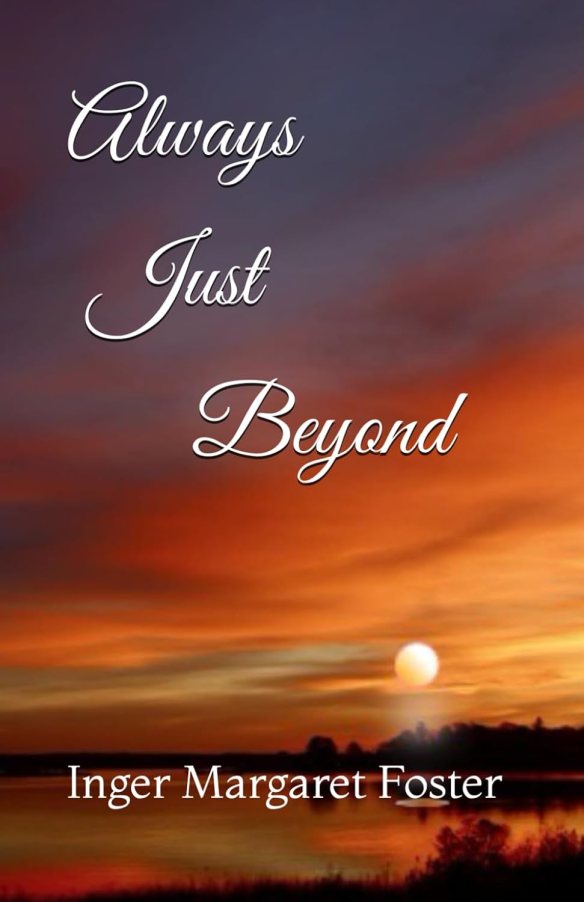
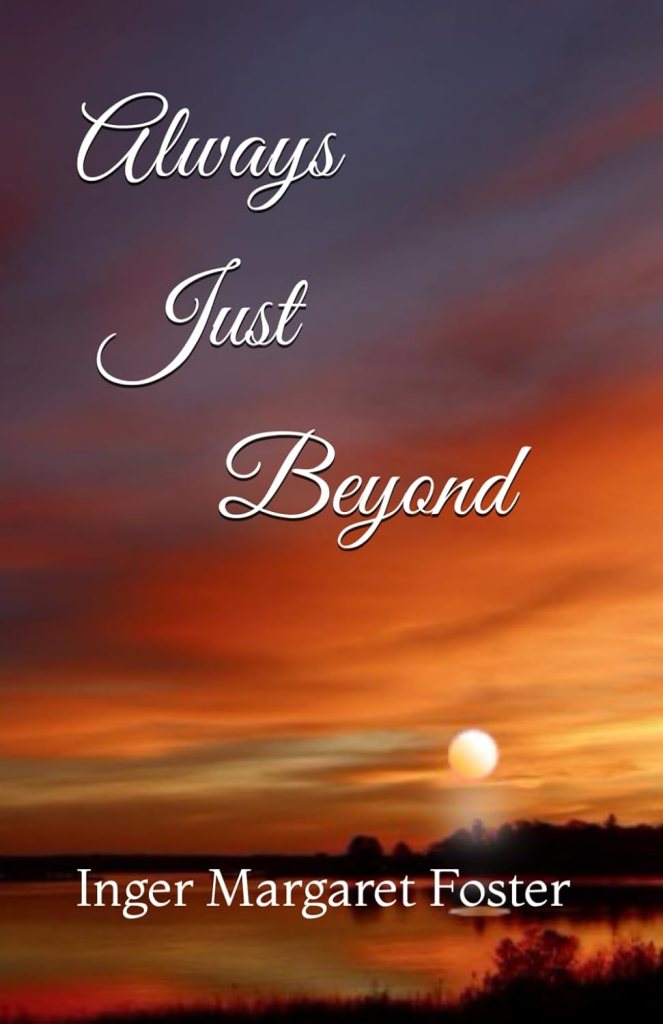
Inger: Sometimes! Maureen, in Always Just Beyond, is very sneaky and she almost wrote her own story!
Me: I can see that! She was very mysterious throughout that story. Yet in the end, it all made perfect sense. I loved that book! I want to read it again sometime now that I know all the secrets. What is your favorite book from your childhood?
Inger: A Wrinkle in Time.
Me: Yes! Such a wonderful classic! I loved it, too. Is your writing style that of a “pantser” or a “plotter?”
Inger: Neither. I know the ending before I start, and I either write that first or have it in my brain. I let the story flow by listening to the characters, sometimes in my dreams. I don’t do an outline, but I know where I want to go even before I start.
Me: That sounds pretty much like a pantser, especially not doing an outline and letting the characters lead. I’m a pantser, too. If I ever have writer’s block it’s because I’m trying to force my characters to do something when they have something else in mind. What’s the most satisfying part of being an author?
Inger: I think when you hear from a reader that your words impacted them, or helped them overcome a loss, it makes it all worthwhile!
Me: Absolutely! I’m sure your insightful stories have touched many readers. You touch on so many things that are painful. That’s so important for the Young Adult genre since that can be a pretty difficult time of life. I love your beautiful book covers! Did you do the photography for them?
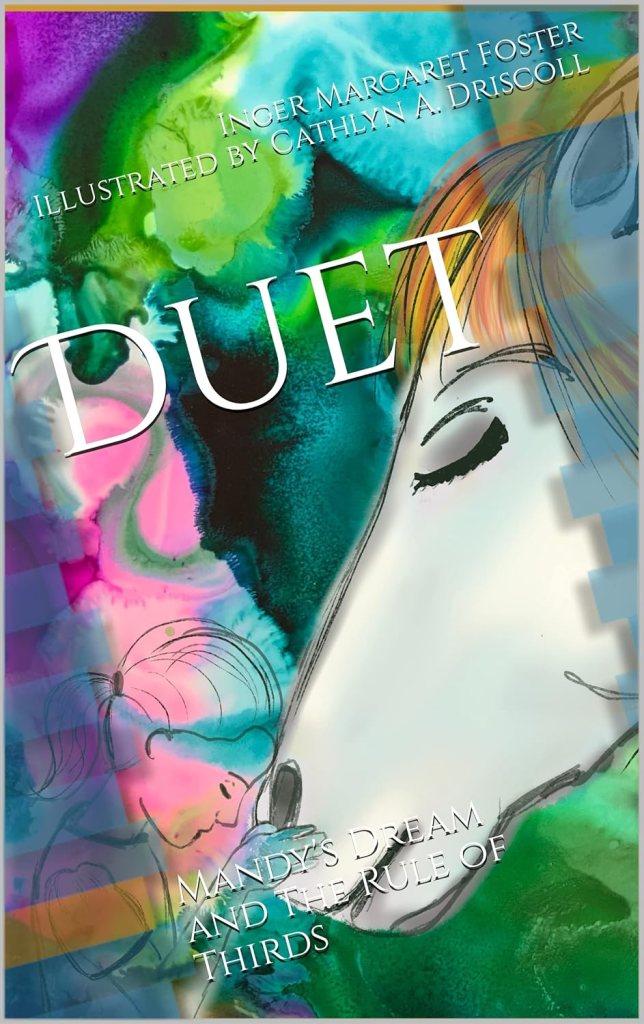
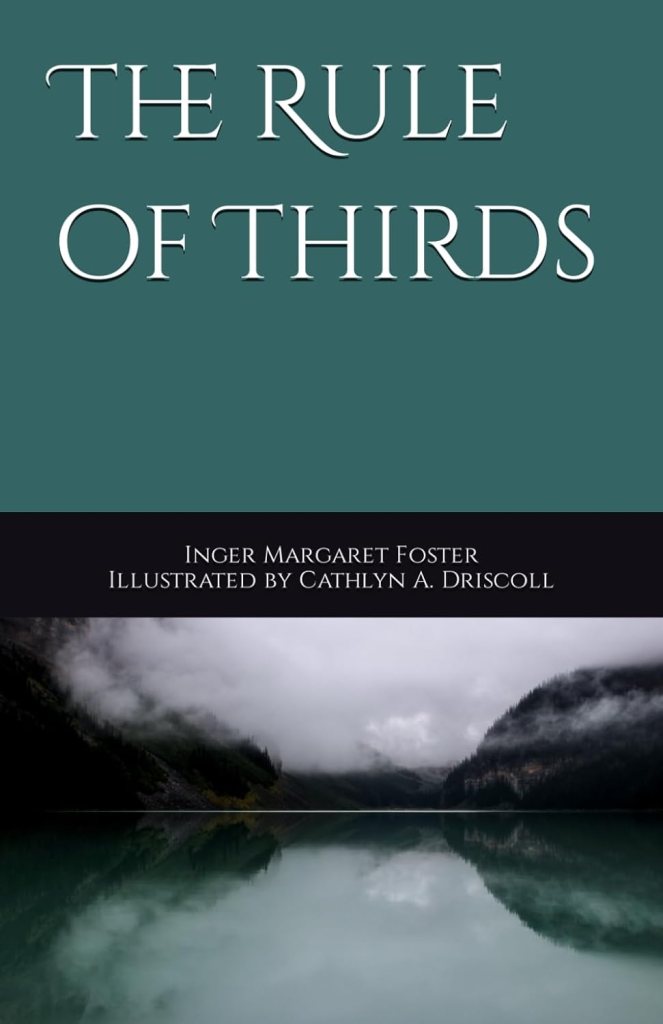
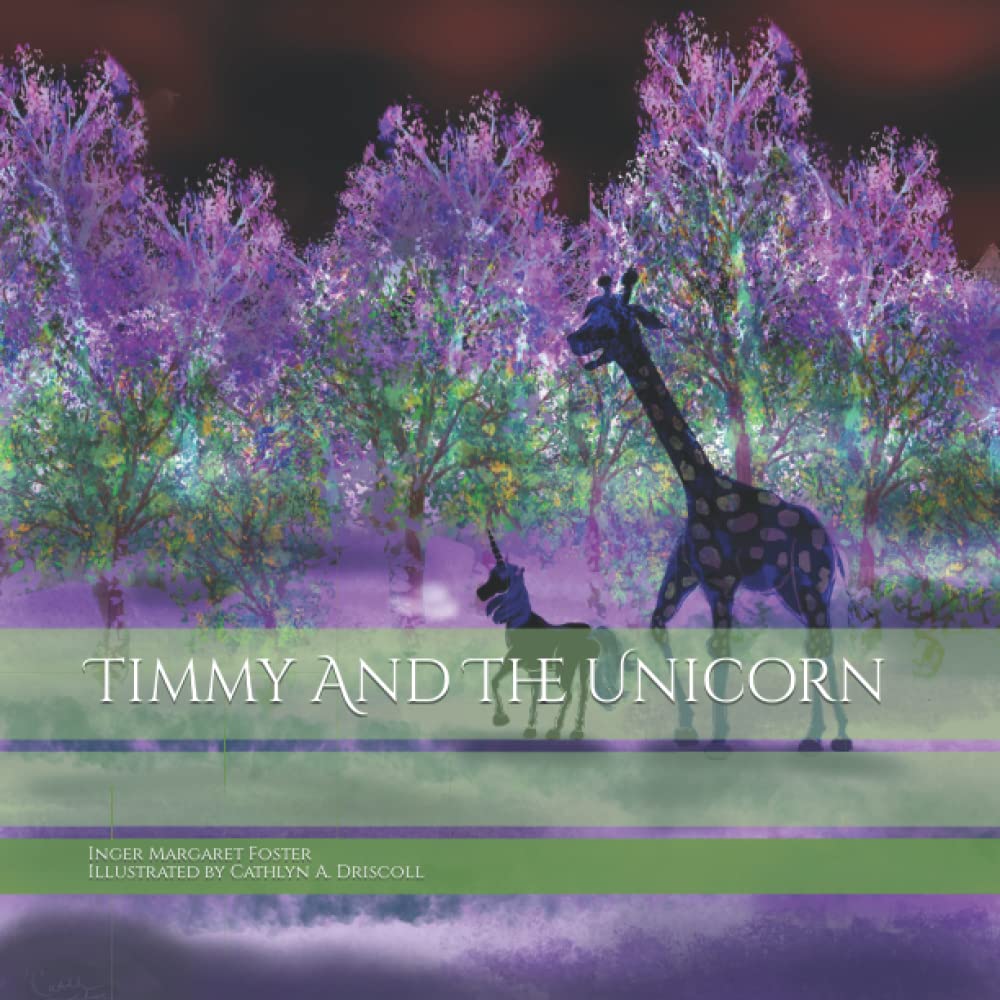
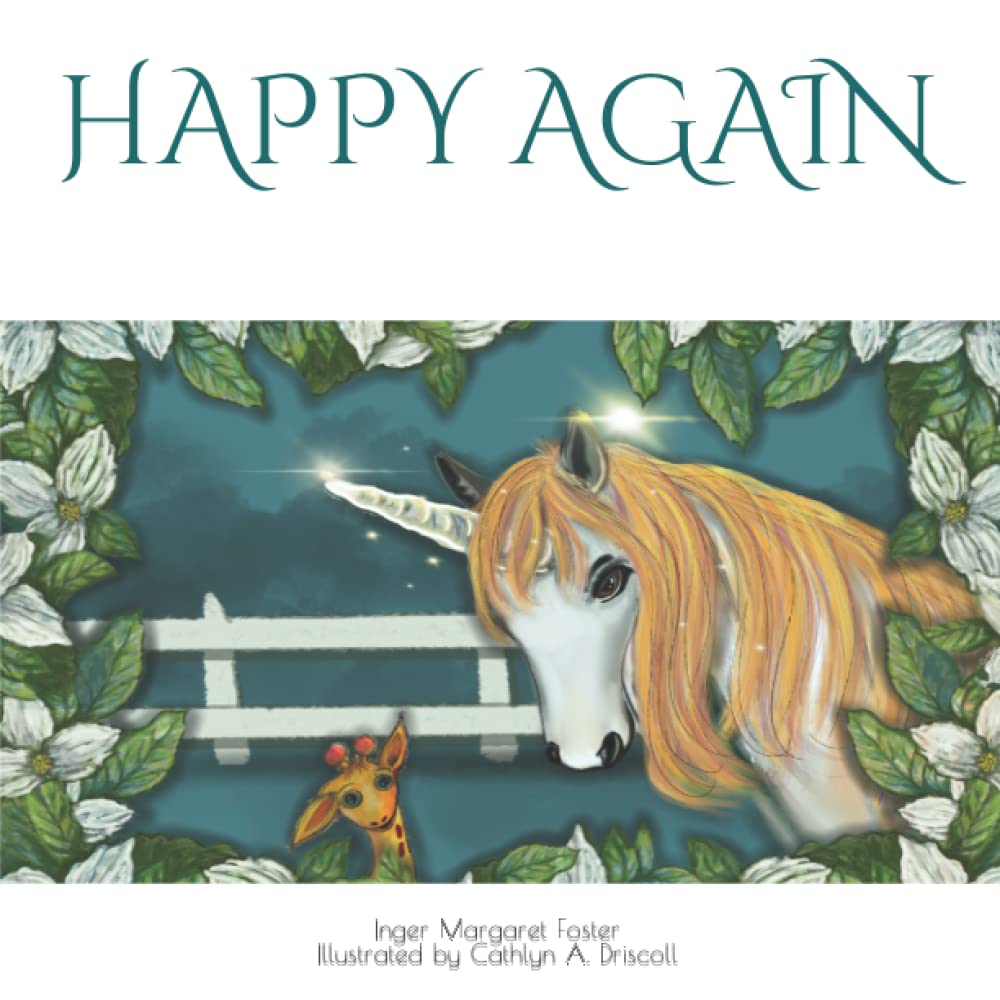
Inger: Thank you! All of my book covers are from my photographs, except Duet: Mandy’s Dream and The Rule of Thirds (a two book combo) and the two children’s books that were all created by the illustrator: Cathlyn A. Driscoll.
Me: You’re a very talented photographer for sure! And they capture the book themes so well. Has a specific event or person ever inspired one of your books, besides your first one that you mentioned earlier?
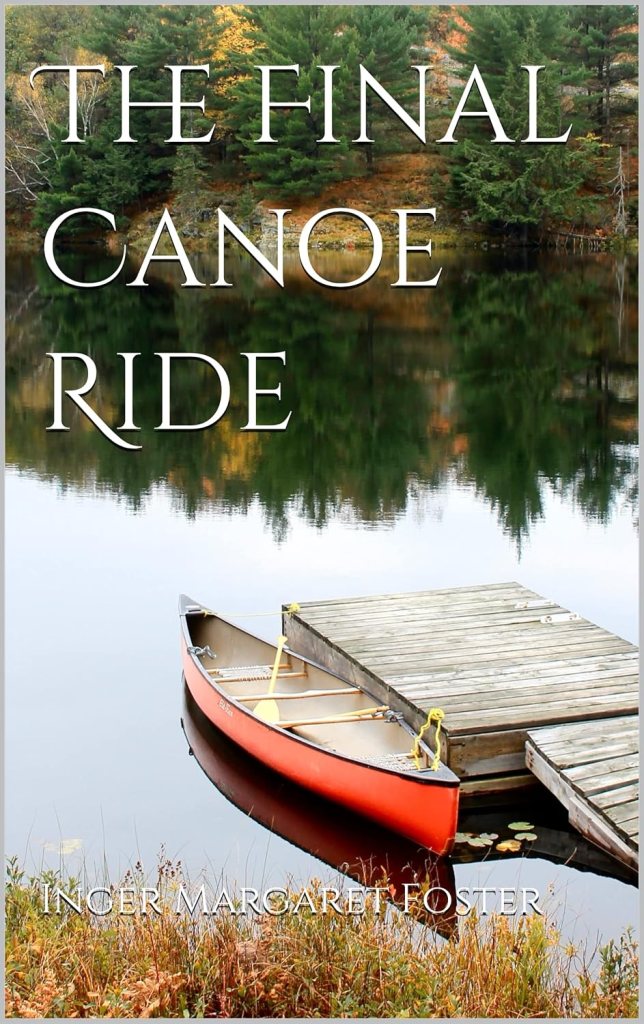
Inger: There were three things. First: It was my experience dealing with breast cancer that was the inspiration to write a series of stories that eventually evolved into my first novel: The Final Canoe Ride.
Second: My father was my inspiration, for not only the historical parts of the Resistance during WWII but for his interest in reincarnation, a theme that runs through the last four books in The CIrcles of the Soul series.
Third: My German friend, Heidi, was the inspiration for the character of Elke.
Me: Your inspiration was definitely captured. Yes, reincarnation and the next life are fascinating and there’s so much interest in them these days. People need to know that what we have here is only the beginning. What advice do you have for new writers just getting started on their journey?
Inger: Write often. Write from the heart. And don’t be afraid to think outside the box.
Me: Great advice! Writing that originates from the heart is what so many readers are looking for. The books that I remember and are most likely to go back and read again are the ones that touch my heart.
Thanks for telling us about your ongoing journey as an author, Inger!
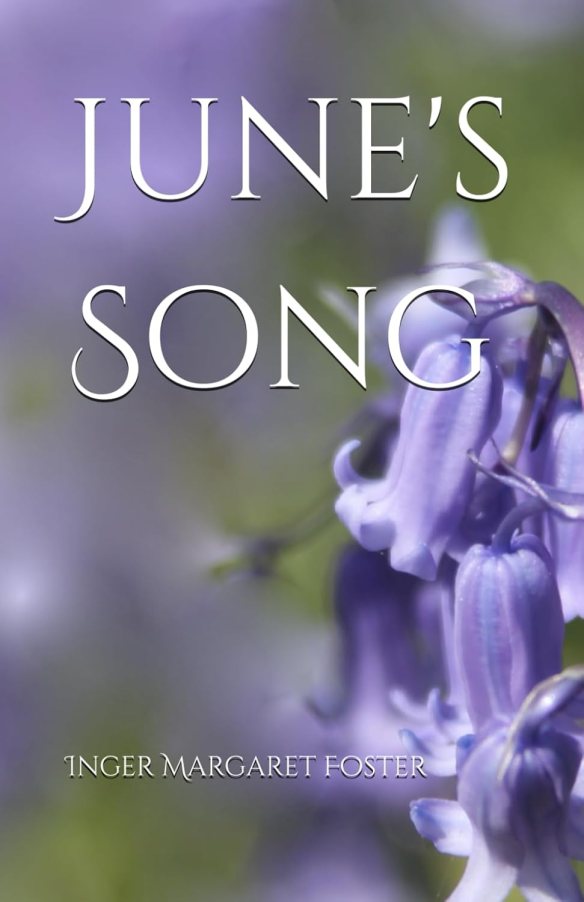
Below are links to her books on Amazon (as well as via the cover photos) plus to her website for those of you who’d like to know more.
This first book in the Circle of Souls series is indeed magical. Fourteen year old Meg and her brother, Sam, meet Elke, a woman who lives in a small house in the woods. She helps their sick cat and introduces them to her horses. She teaches them to ride, much to their delight. However, the kids have been sneaking away without their mother’s permission, which ultimately results in trouble.
Misunderstandings abound, causing considerable problems that get more complex with the kids forbidden from seeing Elke or the horses again. Not wanting to wander into spoiler territory, I’ll just say that this story is intriguing and loaded with insights on dealing with a person who’s emotionally disturbed. When I was growing up, my mother was a lot like Meg’s so I could relate. I remember well being given the silent treatment without knowing what I had done wrong. As a teen it’s hard to understand why a parent acts like that and it can be very difficult to deal with.
Back to the story, Elke has a variety of secrets that add considerable depth to the story which contribute to a very touching, tearjerker ending. Her past ties back to WWII and the heartbreak caused by separations. I highly recommend this as the first book in this series and have already read another one out of order as I binge this series. I look forward to reading the next one to see what continues in the life of these many endearing characters in a fictitious town that reminds me a lot of the one where I grew up, right down to it’s geological location.
I absolutely loved this beautiful story. If you have (or are) a teenager, this is a book I recommend very highly. It’s important to note that it takes place in the 1970s, a time I remember well, yet is ancient history to kids today. Things have changed, a lot, and much of it for the good, especially in recognizing how people are traumatized and how they can be helped. Back then you were on your own. Even if you had the money for counseling, there was little known at that time about many of the problems people encounter today. Those that overcame were probably stronger, but no telling what scars they lived with. And what about those who didn’t?
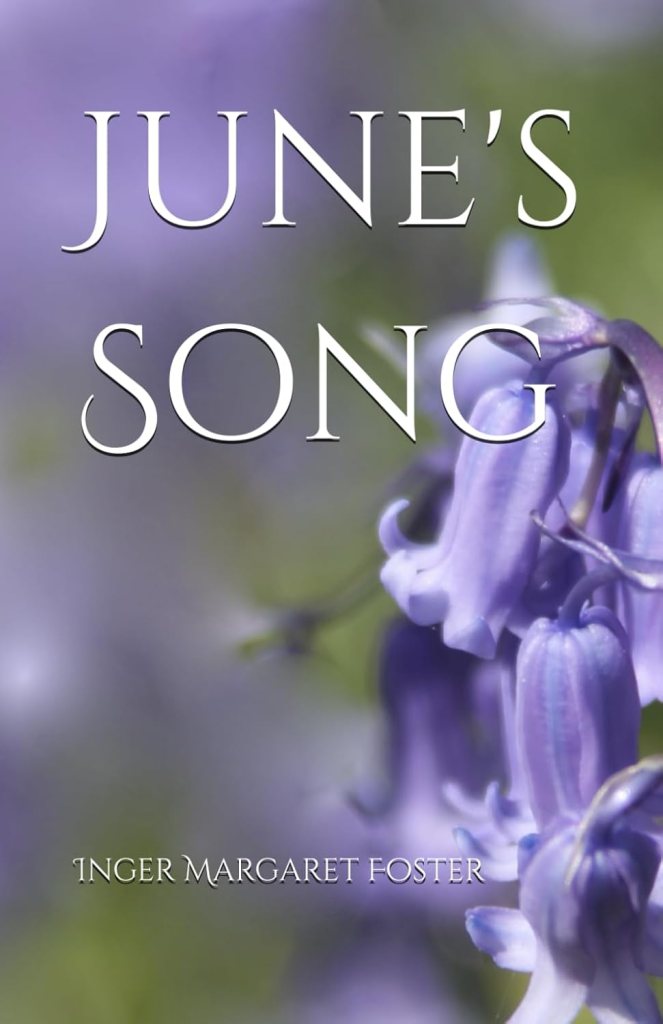
June Adams is a 17 year old who is overwhelmed by numerous unfortunate events in her life which ultimately endow her with way too much responsibility. While she considers ending it all, fortunately this is averted and June steps up to what she must do. A good friend as well as a very special friend where she works help her hang in there. She finds time to pursue her talents and being a normal teen in spite of her many challenges.
This story is powerful on so many levels. Accepting things the way they are and just dealing with them while maintaining a positive attitude is so important, yet seldom easy. Dealing with loss is difficult, no matter what your age or experience.
One thing I love about this author’s books is the way they blur the boundaries between life and death. This book is part of her “Circles of the Soul” series, which I intend to explore in its entirety. Those on the “other side” are still there, caring about those they left behind. They are now in a better place and as much as they may be missed, the best way to honor them is to continue to embrace the life you have.
If I were a high school teacher I would make this story required reading, which would fit well for either English or Social Studies classes. Highly recommended for all ages.
Learn more about the author and her other books on her website here.
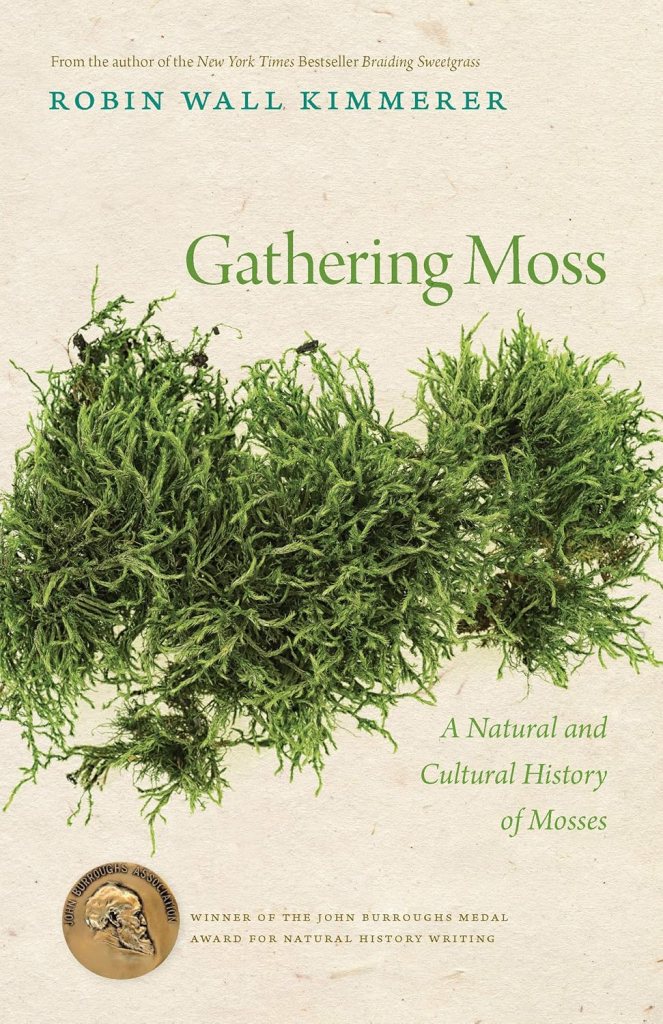
Review of Robin Wall Kimmerer’s “Gathering Moss: A Natural and Cultural History of Mosses”
This book has so many layers I hardly know where to start. First of all the prose is so beautifully poetic that aspiring writers of any genre should read it as a sterling example of that alone. Her use of analogies and metaphors add so much for the depth it reveals about this incredible author whose indigenous roots shine brightly in her books.
I never would have imagined that there could be that many varieties of mosses or that someone could devote their life and earn a PhD to their study. Our world is full of wonders, many of which are consistently overlooked. The beauty of mosses is clearly overlooked by the average person, myself included.
I love nature of all varieties, and was fascinated as well as astounded by the botanical side of this book. Who has ever expected more beauty from a moss beyond its soft, velvety touch on tree trunks or an old stone wall? That some mosses you may find are as old as the place they occupy? That they are true home-bodies and don’t respond well to being moved? That they can live for centuries, yet are so sensitive and particular about where they grow?
How many people realize that moss has amazing absorption qualities such that it can hold 60X its weight in liquid? Or that prior to the availability of cloth much less Huggies that ancient woman used it for diapers or sanitary products? If you need a trivia question no one is likely to guess there’s one for you!
Robin’s love for nature is impossible to miss. As a Native American she has a connection to Mother Earth that most white people lack. A couple times when she mentioned a species evolving I had to smile. I guess you can’t get to PhD level without being indoctrinated to the white scientific view of the world to some degree. But surely in her heart she knows that each of these beautiful plants was created as were all the animals and humans.
Her experiences during her research were fascinating. Canoeing through rivers embraced by steep canyon walls, a research center accessible only by boat where she would spend summers with her daughters, a consulting job at some anonymous wealthy owner’s estate who was trying to coerce nature to his will, thinking money alone was enough.
As an integrated whole, this book is like a guided meditation. It’s about so much more than the science of bryophytes. The title has as many layers as the book itself. Like the cliche, “A rolling stone gathers no moss,” it beckons you to slow down and look closer at the world around you.
This book is a masterpiece. Think of it as a walk through the woods on a spring day, not to be rushed, expectations open, or you’ll miss its magic. It’s encouraging to see how popular her books are, that people are seeking a world that those obsessed with power and greed have tried so hard to hide.
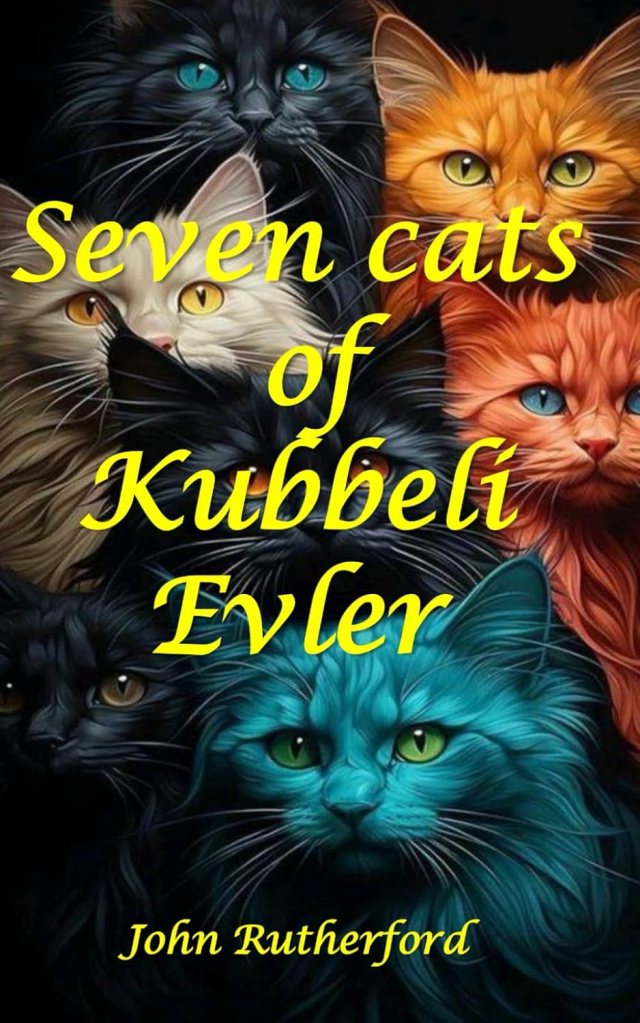
Today, October 29, is National Cat Day. A while back I decided to post a review for a book about cats as part of the celebration, since I’m a devout cat lover. When I found this one it sounded interesting enough that I bought a copy.
I’m not sure where to begin reviewing it. I’ll start by saying that the ages 9 – 18 for which it’s listed is extremely inaccurate. There is no way some of the scenes in this story are suitable for a child. I’d set the minimum age at no less than 15.
Whether it involves people or animals, there are certain violent, gratuitous acts that a young child does not need to read about. The violent murder of one of the original human characters and the gang rape of a fox with a graphic description of her injuries were horrifying enough, much less for a child. Other sexual innuendoes were also very borderline acceptable for a nine year old. What was he thinking?
Supposedly this author has written other children’s books as well. I surely hope they’re not as graphic and inappropriate as this one. I found this the most troubling and why I gave it an abysmal one-star review on Amazon when combined with all its other flaws. I shudder to think of someone buying this book for their child or grandchild, much less attempting to read it aloud.
My overall impression is that it was dark, unpleasant, and at times downright disturbing. True, nature can be cruel, but who would impose this on a young child in the guise of an animal story? I grew up on animal stories by Paul Gallico and Robert Lawson that were not even in the same universe as this one.
Bad reviews are no fun for authors but I feel it’s only fair to explain why I gave it such a poor rating. Maybe the author will learn something from it. Sadly, this is another example of a self-published book that gives all independent authors a bad name.
So let’s take a look at my observations.
The cats’ names were those of the Sun, Moon, and planets, an apparent attempt to bring in an astrological theme. However, whatever personality they may have had is not particularly noticeable, much less related to the archetypes of the planets, with the possible exception of Neptune. One human character named Wicked was apparently named Wizard in an earlier version, the change not corrected in a few places. Why he had that name was not apparent because he wasn’t a bad guy.
The writing style was unique and has possibilities, but seemed a bit archaic. Besides that, the book as a whole is in desperate need of serious, I mean serious, editing. The plot, I suppose, was of the “quest” variety, but didn’t hit the mark there, either. He never explained as far as I could tell why the evil “eyes of the mountain” had it in for poor Pluto. Some paragraphs were a page long. Redundant statements littered the narrative throughout as well as typos galore and even wrong words, e.g. “mercifully” instead of “mercilessly.”
Sentence fragments are often used in fiction for effect, but rather than technique, this joined numerous other examples showing blatant ignorance of proper grammar. Punctuation of dialog was almost always incorrect and the speaker’s identity often in question. Subject-verb agreement was likewise often wrong. I guess the point of view was omniscient since many observations in the narrative were far beyond that of the animal protagonists the author claimed to represent. I suspect he was trying to pen an allegorical story steeped in symbolism that simply didn’t work. His original idea may have had something going for it, but he lacked the writing skill and knowledge of literary techniques to execute it successfully.
Besides the writing issues, there was also the matter of structure. The Prologue, which is normally a prequel to the story itself, was more of an Introduction. And the Introduction was more of a combined dramatis personnae and glossary. If anything they seemed like a didactic attempt to spoon-feed the readers what the story was about, in case they missed the point.
This is probably one of the worst books I’ve ever read, all things considered from its inaccurate target audience to the plethora of editorial issues. At least I finished it, which I usually don’t bother to do if a book is so badly written it’s a total waste of my time. I definitely won’t be reading anything else by this author anytime soon and it should be clear I don’t recommend this one. However, it does fit a variation of the old adage, “No book is ever wasted. It can always serve as a bad example.”
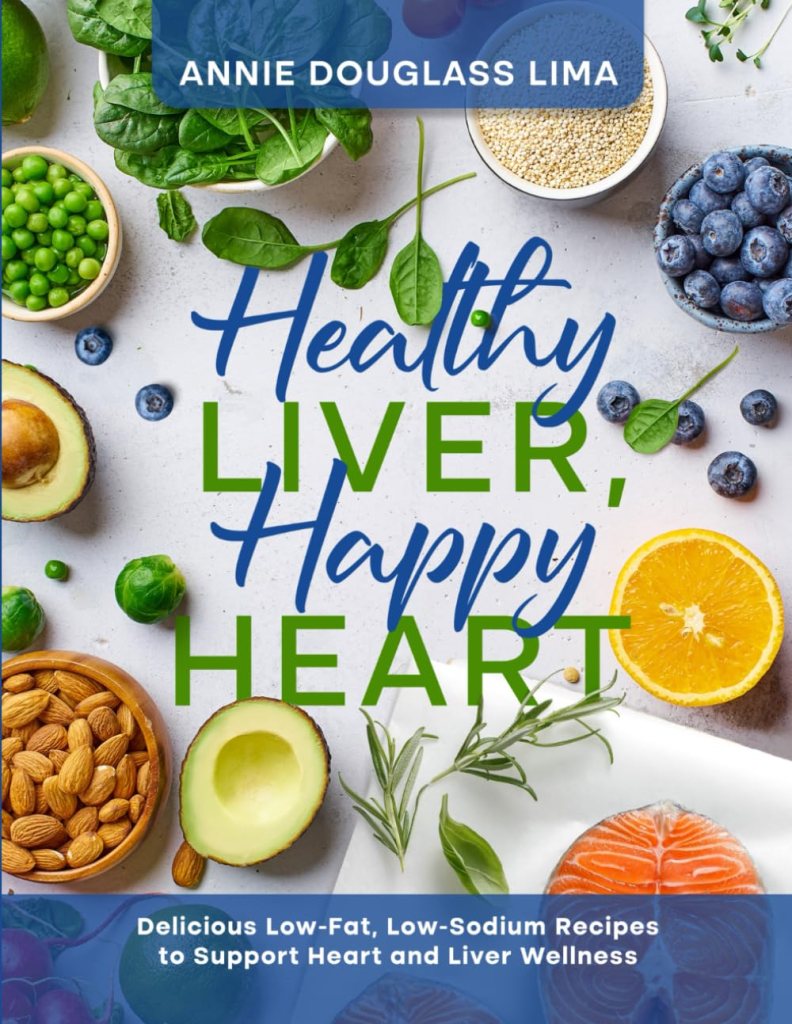
I don’t usually review cookbooks, as you’ve probably noticed, but I was provided a free pdf of this one in return for an honest review.
I found this to be an excellent cookbook loaded with interesting and healthy recipes as well as basic nutritional information. My favorite is the avocado chicken salad. To save time, I sometimes use canned chicken. I’m looking forward to trying several more, but will have to stock up on some things that I don’t normally have on hand in the pantry.
If you’re used to the usual ingredients in most recipes, you’re likely to encounter a few things you’ve never heard of in this book. This is a good thing, since the entire point of the book is to eat healthy. When I first reviewed this book it didn’t include any introductions to these less-common ingredients, but since I pointed out the need for them Annie has added a section to do just that! This will be helpful to anyone who has no clue what some of them are or has not used them before.
For example, you may not have ever heard of or used quinoa (pronounced keen-wah). I loved the use of maple syrup as a sweetener in many of the recipes. Make sure that it’s authentic maple syrup, and not the artificially flavored version typically found in grocery stores. That would be entirely counter-productive as far as health is concerned.
If your grocery store doesn’t carry some of these more unusual items, check online. And it goes without saying that organic is best. It probably would have been helpful to include a list of unhealthy things lurking in your pantry that you should throw away, too. The typical American diet is horribly unhealthy between processed food and all the chemical additives, which is why there are so many chronic diseases these days. Changing your eating habits isn’t easy, but this book can be a tremendous help for finding healthy alternatives.
If you’re already familiar with this type of healthy cooking-from-scratch then you’ll love these creative, delicious, recipes and the wonderful variety along with several mouth-watering illustrations. We can all get stuck in what we eat and you never know if your favorite recipe may be right there, just waiting for you to give it a try. Just be sure to plan ahead and make sure you have everything you need on-hand to avoid last-minute trips to the grocery store in the height of commuter traffic.
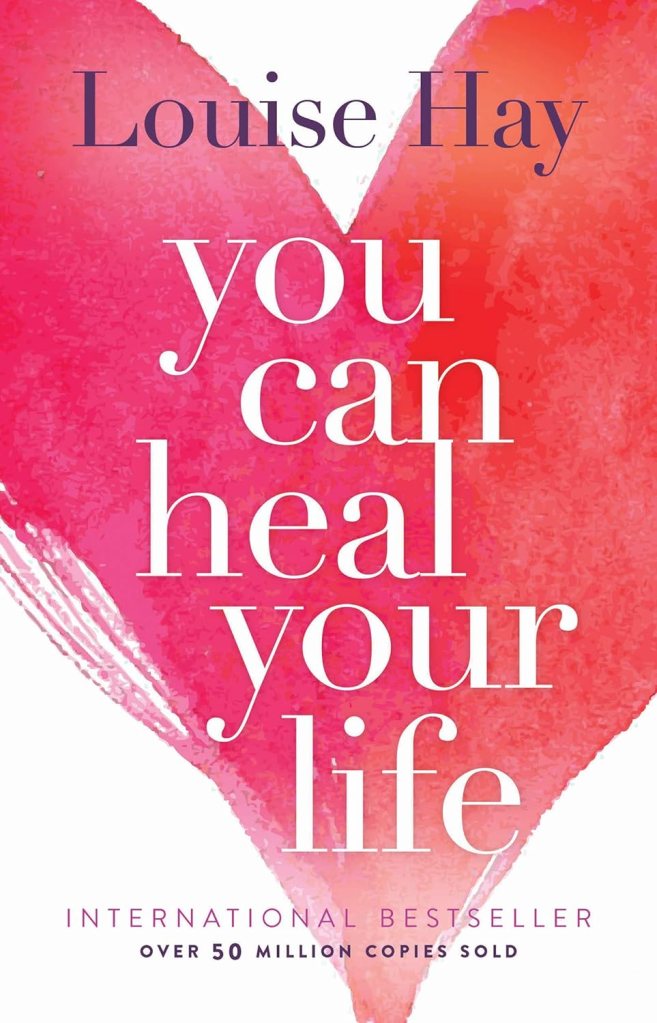
It’s hard to fathom a book selling over 50 million copies and being on the New York Times Best Seller list twice, the first time for 14 weeks and achieving that honor again 22 years later. Books that hang around like that obviously contain something that resonates. This is truly a landmark book. I suspect it may have been one of, if not the first self-help book.
I’m amazed that I just discovered it after hearing it mentioned on a podcast. Much of its content was familiar since I’ve read various other books on the subject of how our emotions affect our health. The first one I read was “Feelings Buried Alive Never Die” by Karol Kuhn Truman. Now I’m sure it was derived from Louise Hay’s book.
If you’re not 100% happy with your life and you’re not already one of the 50+ million who has read this book, I urge you to do so. It can truly be life-changing. Even being familiar with the principles, it never hurts to have a refresher of such important information.
Think about feelings for a moment. They’re called that because you literally feel them. Considering your body’s physiology, they are caused by chemicals emitted when you’re experiencing a certain emotion. While some feelings are positive, like love and joy, others aren’t–hate, anger, anxiety, fear, frustration. These negative emotions emit chemicals that are toxic and tend to target and weaken certain organs with dis-ease.
Needless to say, nutrition is important and can cause problems as well. Changing our established eating habits and patterns isn’t easy and neither is letting go of old baggage and changing your thoughts. However, if you’re ready to make some changes, reading this book is a good place to start. Clearly it has helped millions of others.
There’s no better time for a ghost story than October and this sweet paranormal cozy mystery/romance is perfect. I thoroughly enjoyed this sweet story with its unique plot and engaging characters. I read it in a single sitting because I couldn’t put it down.
Jo and Philip Briton fall in love with this old house on the waterfront in Connecticut because it just feels like home. They walk out to the water to check the wonderful view and both see an apparition, a beautiful young woman gazing out across the sea. Then she vanishes.
They buy the house anyway and a friendly but somewhat odd neighbor gives them clues relative to its history, including who the ghostly woman was. An old steamer truck in the attic contains more information about the house’s history as well as a small book written a century before that includes more of the story.
The twists and turns are great as the story unfolds, one of which gave me goosebumps. Surprises right up to the very end, which then makes so much sense. I loved the characters, all unique and well-developed. By the end of the story I had one question unanswered that would be a spoiler to include. Perhaps it could be covered by a possible sequel, which would be great.
I’m sure at some point I will reread this touching story, knowing all its little secrets. I loved it and highly recommend it as a wonderful break into another dimension that is closer than we think. I’ll definitely be reading more from this author. I connected with the story even more since some of my ancestors lived in that very part of the country. It was interesting to learn more of the history of the area as well as the mention of familiar places.
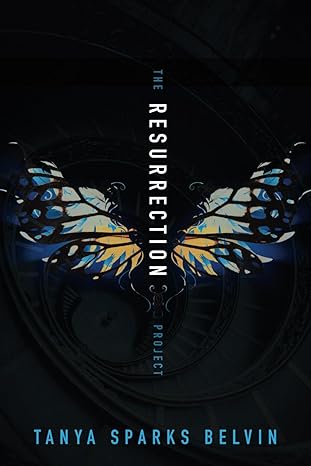
[NOTE:–I tried to post the following review to Amazon and it was rejected. I’m not entirely sure why, but I suspect the first paragraph was verboten, which figures, right? I edited it down significantly and they posted it, but here are my original comments.]
This story stands out as a chilling cautionary tale. While it’s set in 2034, don’t think it’s not already happening. Our reverence for life is seriously compromised as demonstrated by the ongoing abortion issue. At what point does human life begin? Conception? Or with that first breath at birth? What about those laws that have legitimized infanticide? Promote euthanasia? Where is society headed? We are being dehumanized, starting with the most vulnerable members.
It’s difficult to write a review of this story without spoilers. If you’re really paying attention through the first few chapters, it’s possible to figure out what’s going on as people disappear. The story slowly and methodically reveals the horrific truth through the viewpoints of the three main characters.
The premise reminds me of medical thrillers I read years ago by Robin Cook. Suspense author Mary Higgins Clark was another one who worked with such themes. This book lacked that kind of nail-biting suspense. It was written in a very journalistic style that failed to render emotional reactions in the reader. At least that was the case for me. I could tell where it was going, especially after the blatant revelation provided by the android, Daisy, in the middle of the story. If you haven’t figured it out by then, there it is.
This thought-provoking book deserves a lot of attention for its potential to wake people up, if nothing else. Being directed at Christians is somewhat ironic since they aren’t the ones who need to be jolted awake to the evils in the world around them. It would definitely be in the “medical thriller” category if the emotional impact and suspense were ramped up a bit.
Actually, if written to its full emotional potential, this book would be in the horror genre. Since this is the author’s debut novel, I assume she has not yet acquired the writing skills to render an emotional reaction in her readers. (This is normal except for incredibly gifted writers. I didn’t figure it out until around the time I was writing my 6th novel.) This is not a criticism since in this case, it’s a good thing. As it’s written, more people will choose to read it and make it through the book. Rest assured that it does have what can be considered a happy ending, plus incentive to read the sequel.
For what it’s worth, if a book makes me cry and laugh, I’m more impressed. There are a lot of good premises and stories out there that fall short on their emotional impact, which is the element that tends to hook readers and convince me the author knows how to write.
On the editorial side, I think the scriptural quotes were a bit overdone. Not that I don’t agree with them and I understand the underlying Christian message. However, I don’t think their inclusion will convert anyone to Christianity, while conversely, such excessive use could feel “preachy” and be a turnoff for the very people who need to read it. The fellow Christians I’ve been around usually don’t quote the book, chapter and verse, just the content.
The book is beautifully formatted and the cover is great. The editing is well-done regarding misspellings, grammar, typos, etc. Only one thing jumped out that her editor missed: Near the bottom of page 249 of the paperback it says, “There’s no way I’m not going to let that happen.”
Huh?
The way I read it, the double negative conflicted with the statement’s intent. There were a few other things but I may be the only person in a thousand who would notice, so I won’t even mention them all, but if I’d been a beta reader I definitely would have. I guess the biggest one I wondered about as a science fiction author is that I suspect by the year 2034 we won’t be using much paper, but who knows?
I gave this book 4-stars. For a debut novel, she did a pretty good job. It’s worth a read for its very important message of where we might be heading. Heaven help us if it turns out to be prophetic.